SECTION 02 · 236 GUIDES
Explainers
Clear explanations of complex topics, built to answer four questions: how does this work, why does it matter, when do you meet it, and how do you apply it.
EVERY EXPLAINER ANSWERS
- 01How does it work?The mechanism, not the metaphor
- 02Why does it matter?What changes once you understand it
- 03When do you meet it?Concrete, everyday situations
- 04How do you apply it?What to do differently on Monday
Browse by topic
10 TOPICS · SORTED BY SIZE
- How It WorksHow it works: detailed explanations of how systems, technologies, and processes actually function under the hood147 GUIDES
- Data & ResearchData-driven research, studies, and empirical analysis10 GUIDES
- Case Studies & ExamplesReal-world examples and detailed case studies that show how ideas play out in practice10 GUIDES
- Checklists & TemplatesPractical checklists, ready-to-use templates, and quick reference guides for common tasks10 GUIDES
- Mistakes & MythsCommon mistakes, persistent misconceptions, and hard lessons from real-world failures10 GUIDES
- Step-by-StepDetailed step-by-step guides and tutorials that walk through processes from start to finish10 GUIDES
- Terms ExplainedTerms explained clearly: jargon-free definitions for technical vocabulary across science, technology, and business10 GUIDES
- Trends & AnalysisIndustry trends, data-driven insights, and analytical perspectives on where things are heading10 GUIDES
- Beginner GuidesOur beginner guides are accessible introductions to complex topics, clear, jargon-free starting points for curious readers9 GUIDES
- ComparisonsSide-by-side comparisons of tools, frameworks, approaches, and methodologies to help you choose9 GUIDES
Myth vs. reality
SIX CLAIMS WORTH CHECKING
- We only use 10% of our brainsImaging shows activity across virtually the whole brain over a day; damage to almost any region has effects.
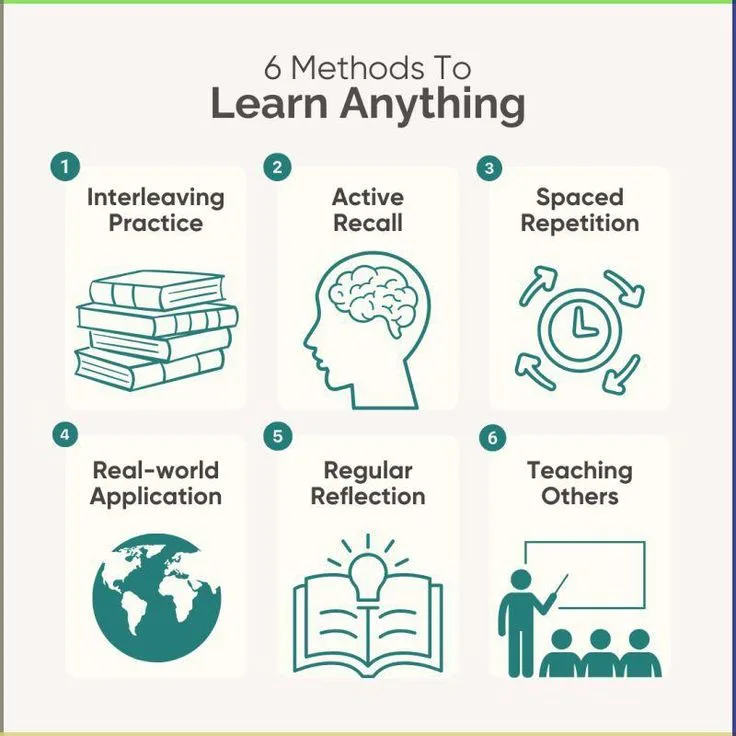
- Learning styles: visual, auditory, kinaestheticDecades of studies find no benefit from matching teaching to a preferred style. Matching to the content does help.
- Multitasking makes you more productiveTask-switching costs 20–40% of productive time; what feels like parallelism is rapid serial switching.
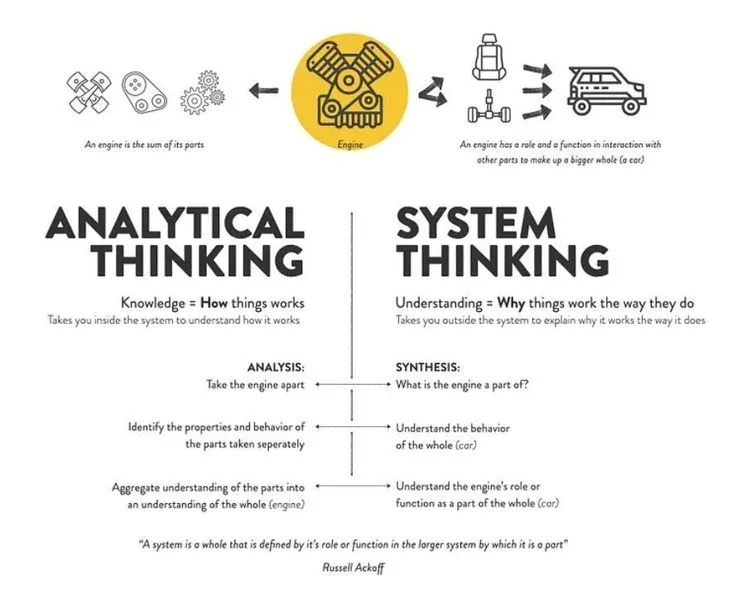
- Complex systems just need more dataEmergent behaviour isn't predictable from the parts however well you measure them. More data sharpens the wrong question.
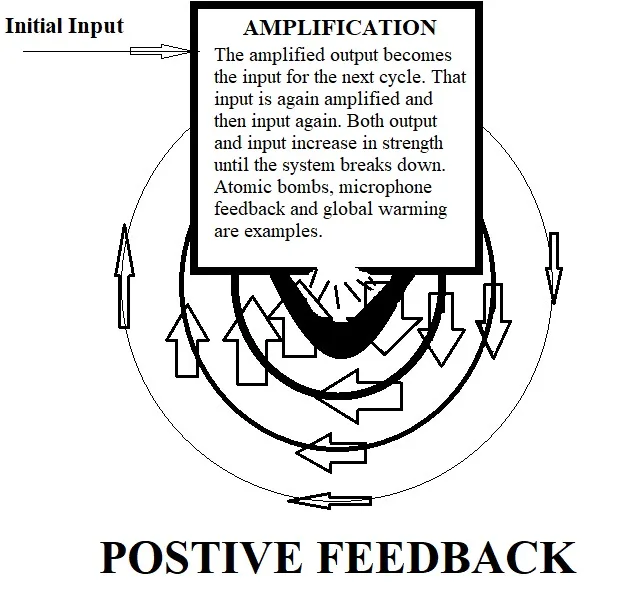
- Positive feedback is good, negative is badIn systems terms, positive loops amplify (booms and crashes) and negative loops stabilise. Neither is a value judgement.
- Correlation proves the cause once it's strong enoughStrength says nothing about direction or confounders. Ice-cream sales and drownings correlate at 0.9.
HOW IT WORKS · 148 GUIDES
How it works index
The mechanisms the explainers keep coming back to, grouped by field. Each entry opens the guide that walks through it step by step.
Latest in Explainers
GUIDES · NEWEST FIRST