SECTION 06 · 284 GUIDES
Culture
How societies think, trade, argue and work, from the Silk Road to async teams. Essays that put the present in sequence, with the history that explains it.
EVERY CULTURE ESSAY PLACES
- 01The momentWhen it happened, and what came just before
- 02The mechanismWhy it happened, incentives, not personalities
- 03The echoWhere it still shapes how we live and work
- 04The lensHow the same thing looks from another region
Browse by topic
12 TOPICS · SORTED BY SIZE
- Global & Cross-CulturalCultural differences, international perspectives, cross-cultural communication, and global societal trends100 GUIDES
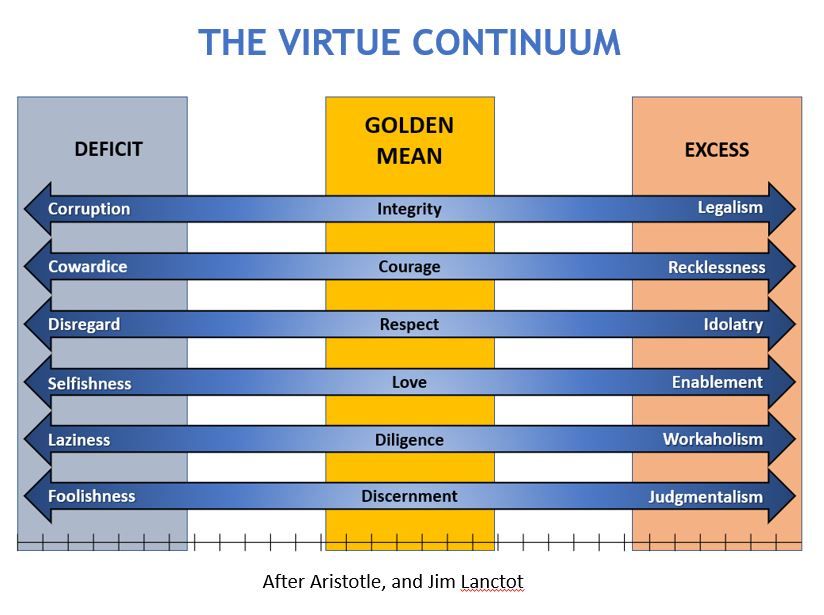
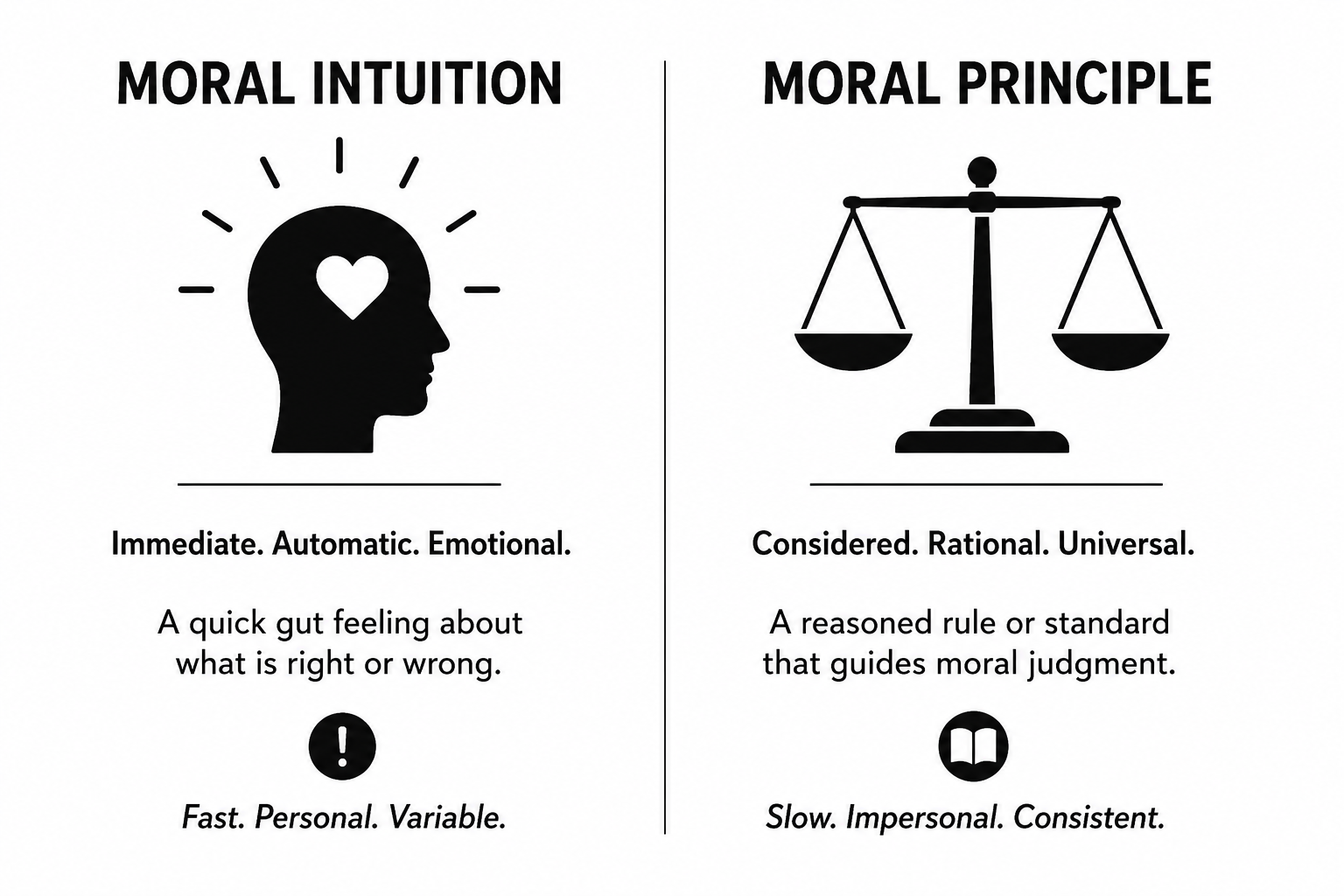
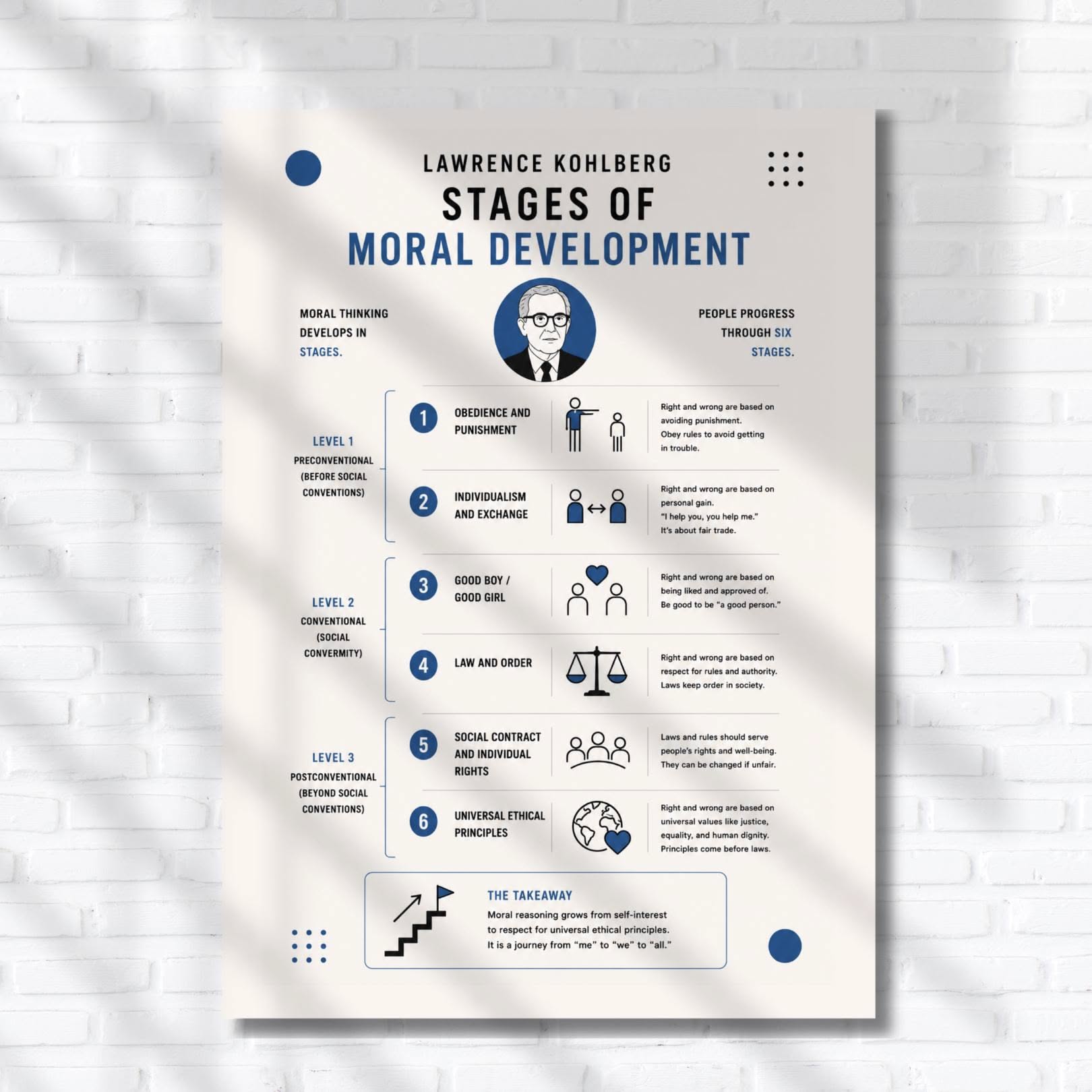
- Ethics & ValuesMoral frameworks and societal values shaping how cultures negotiate conflict, fairness, and shared identity43 GUIDES
- Work & ProfessionalWorkplace culture, professional norms, organizational dynamics, and how work environments shape behavior25 GUIDES
- Internet & Digital CultureOnline communities, digital behavior, internet subcultures, and how the web shapes modern life23 GUIDES
- Startup & EntrepreneurialStartup culture, entrepreneurial mindsets, founder psychology, and the dynamics of innovation ecosystems17 GUIDES
- Learning & EducationEducational systems, learning culture, pedagogy, and how societies transfer knowledge across generations13 GUIDES
- Language & CommunicationHow language shapes culture, communication patterns, and the way societies share meaning across generations12 GUIDES
- Social Norms & BehaviorHow online environments shape behavior, etiquette, and social expectations in digital spaces12 GUIDES
- Creator Economy & MediaContent creation, digital media, creator monetization, and the evolving landscape of independent publishing11 GUIDES
- Technology & InnovationHow technology shapes culture, accelerates change, and transforms the way societies live and work11 GUIDES
- Arts, Culture & HistoryArt, music, history, and cultural movements that shaped society10 GUIDES
- Society & TrendsSocietal trends, generational shifts, and emerging cultural patterns7 GUIDES
Read in sequence
GLOBAL & CROSS-CULTURAL · 8 OF 100 ON THE LINE
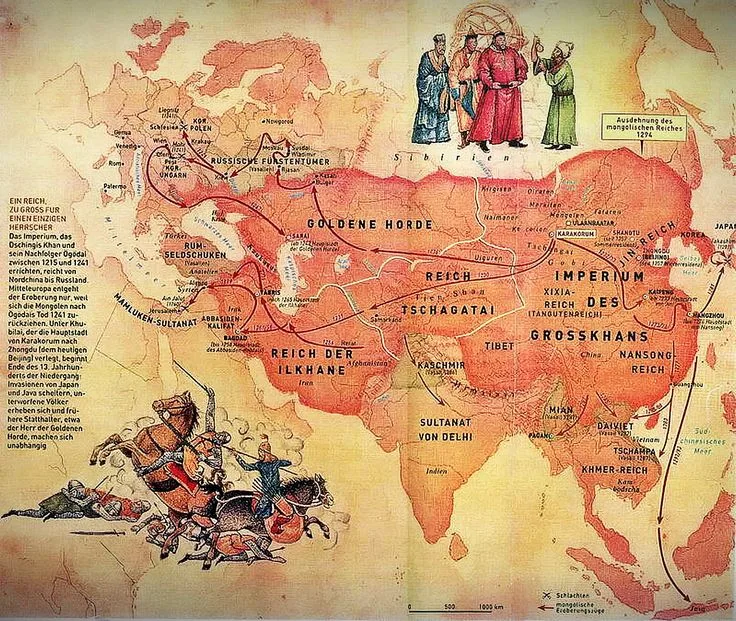
- 1206The Mongol EmpireTactics, terror, and the trade networks of history's largest land empire15 MIN
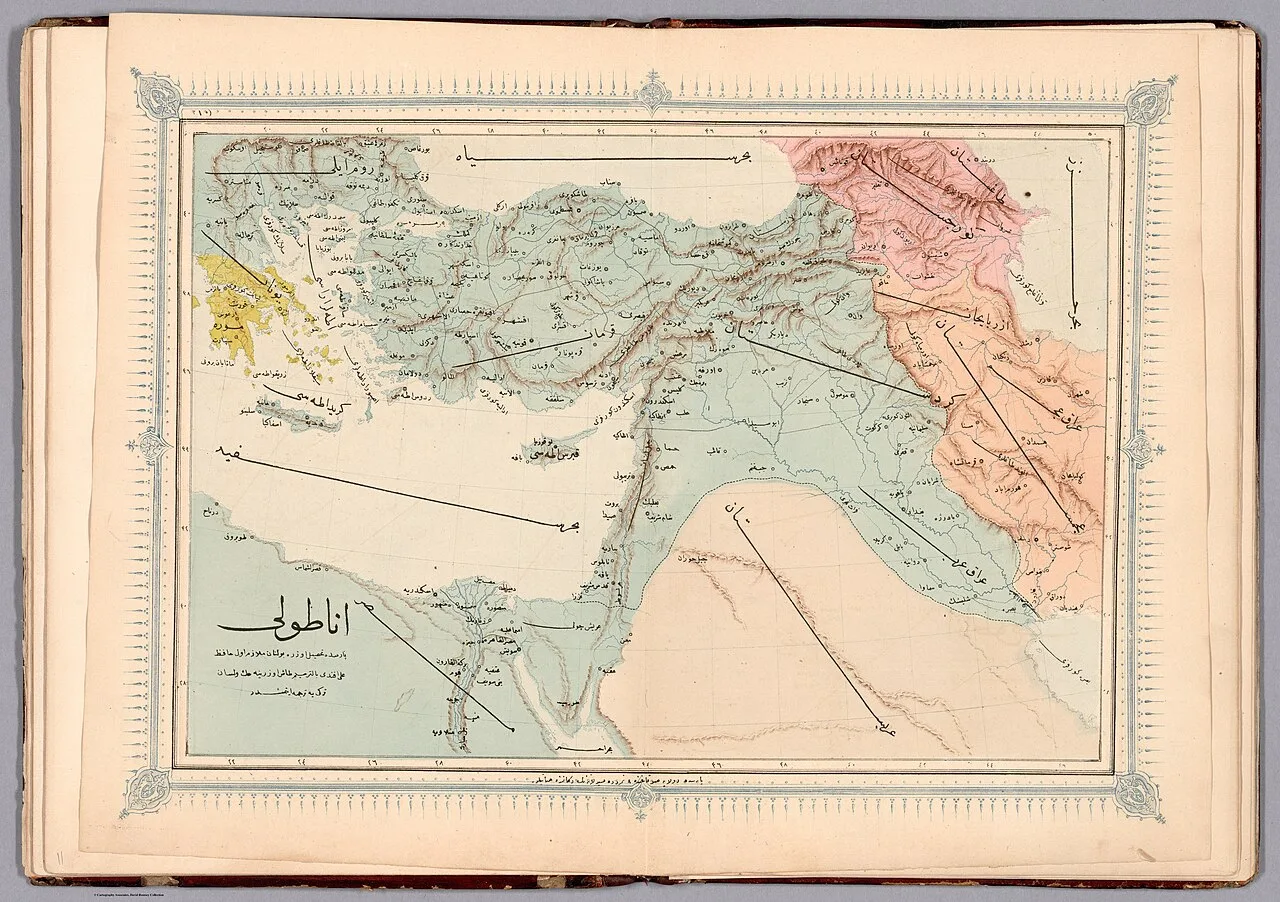
- 1299The Ottoman EmpireThree continents, the devshirme system, and the millet15 MIN
- c. 1300The RenaissanceRediscovering antiquity and reimagining the human15 MIN
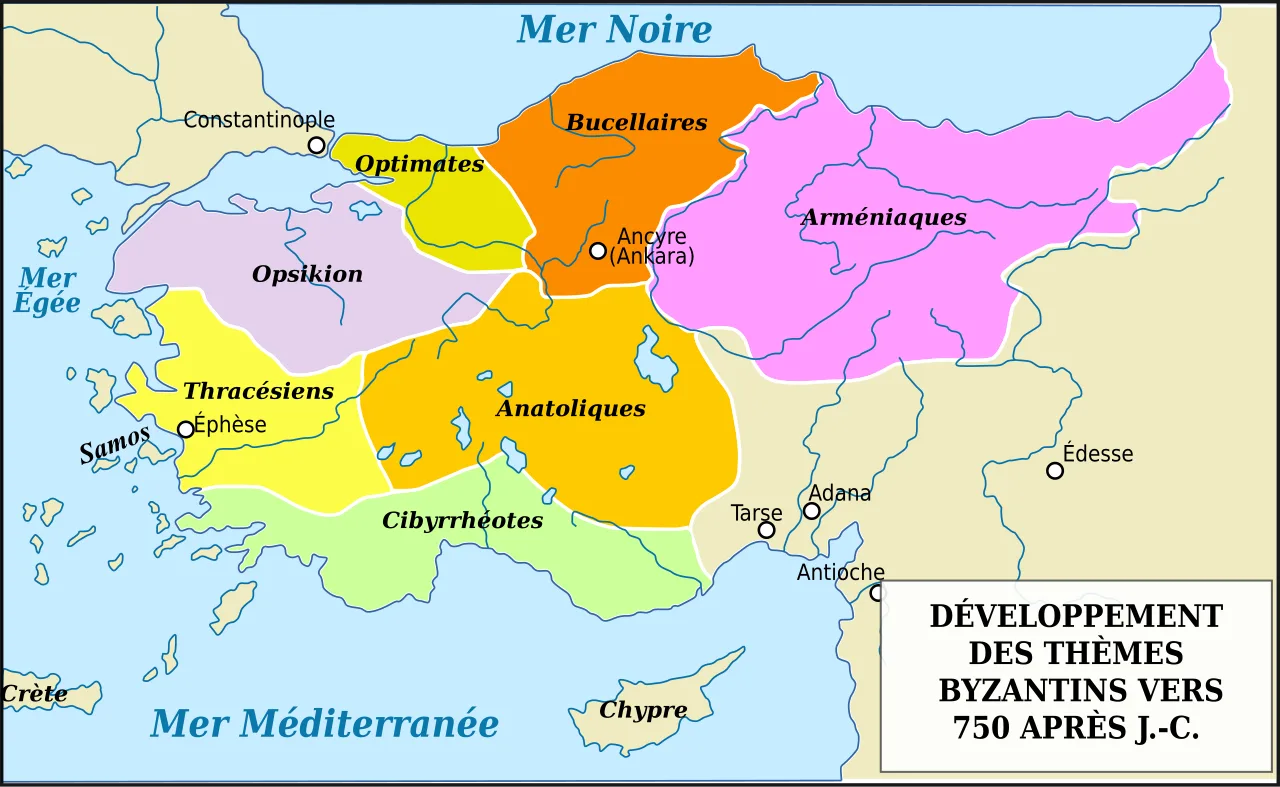
- 1453The Byzantine Empire fallsRome's eastern half, a thousand years on18 MIN
- 1517The ReformationLuther, indulgences, and the fracture of Western Christendom18 MIN
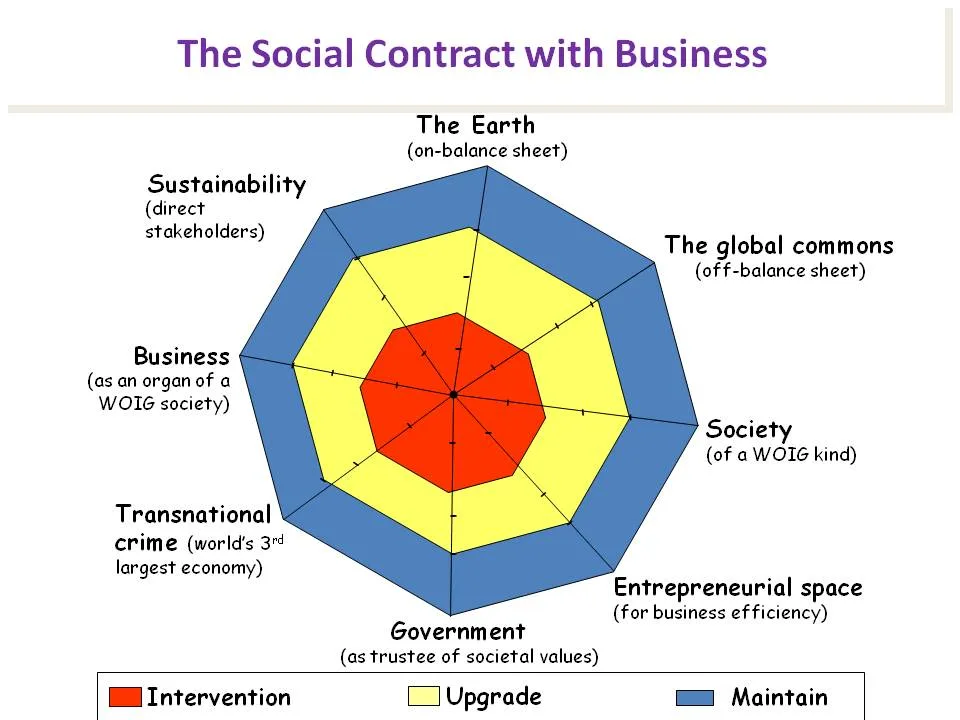
- 1651The Social ContractHobbes to Rawls: why authority needs consent17 MIN
- 1944Bretton WoodsThe IMF, the World Bank, and a dollar-anchored world17 MIN
- 2020Async work goes mainstreamGitLab, Automattic, Doist and the distributed-team playbook17 MIN
CULTURE · 284 GUIDES
Culture index
The forces that shape how groups behave online and at work, grouped by where they act. Each entry opens the guide that explains the mechanism and its evidence.
LANGUAGE
Latest in Culture
GUIDES · NEWEST FIRST