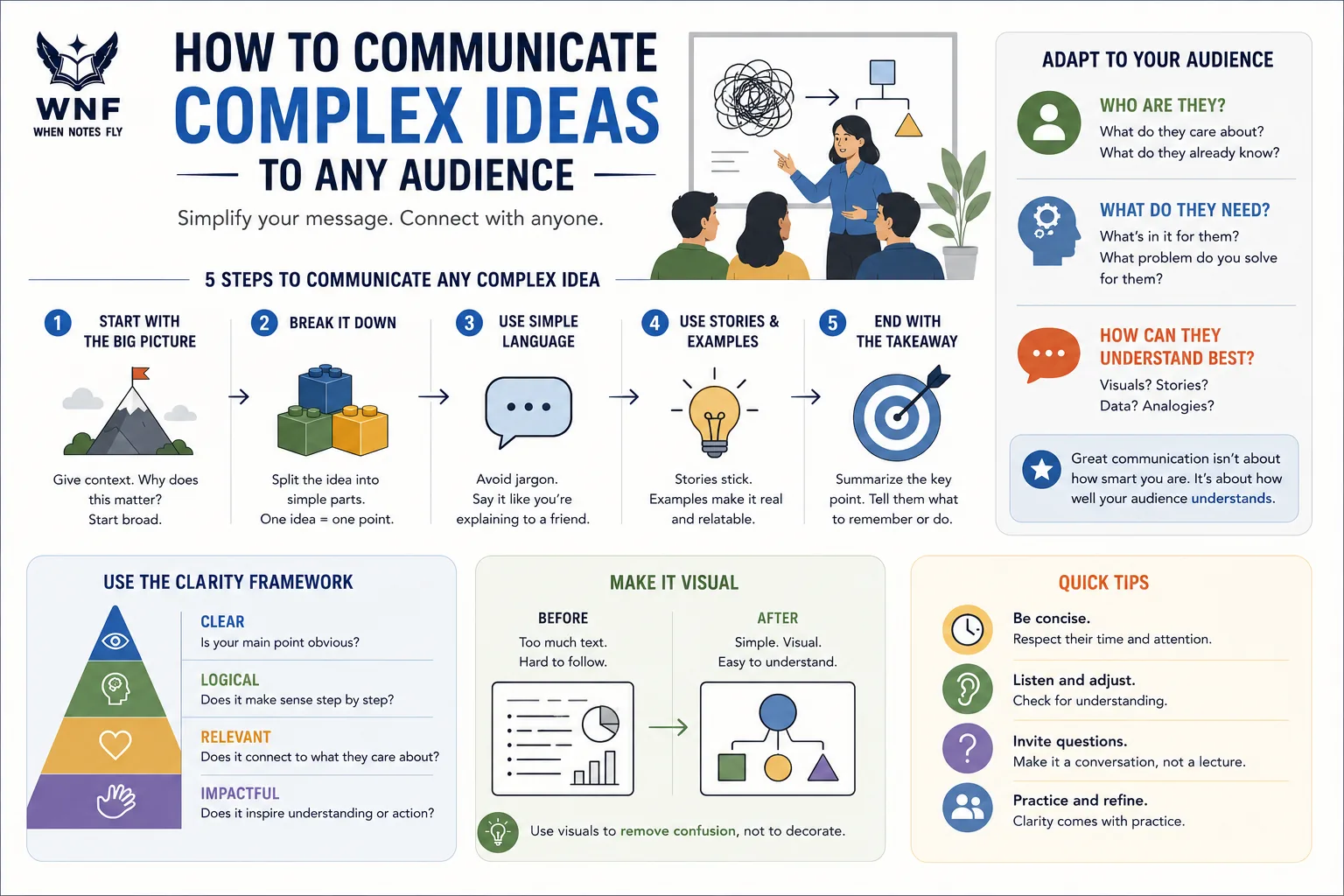
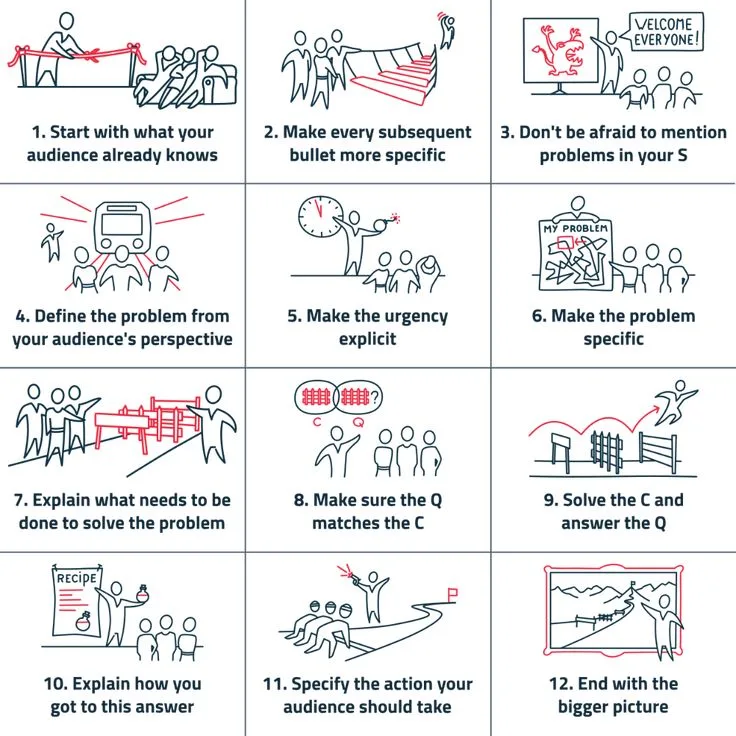
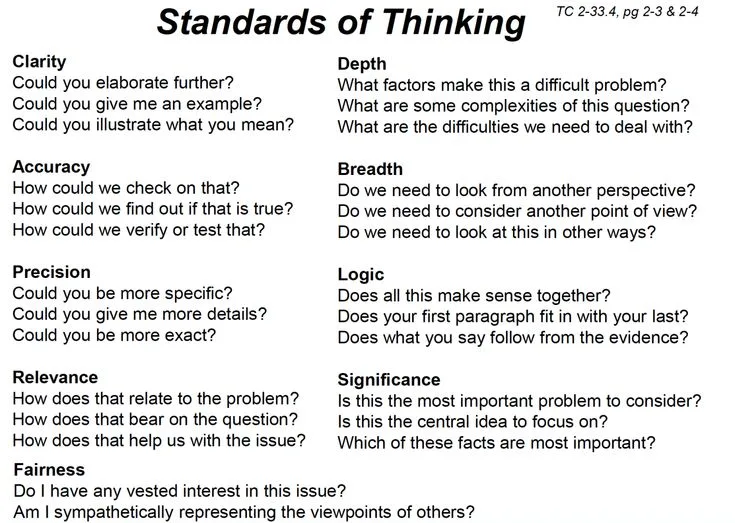
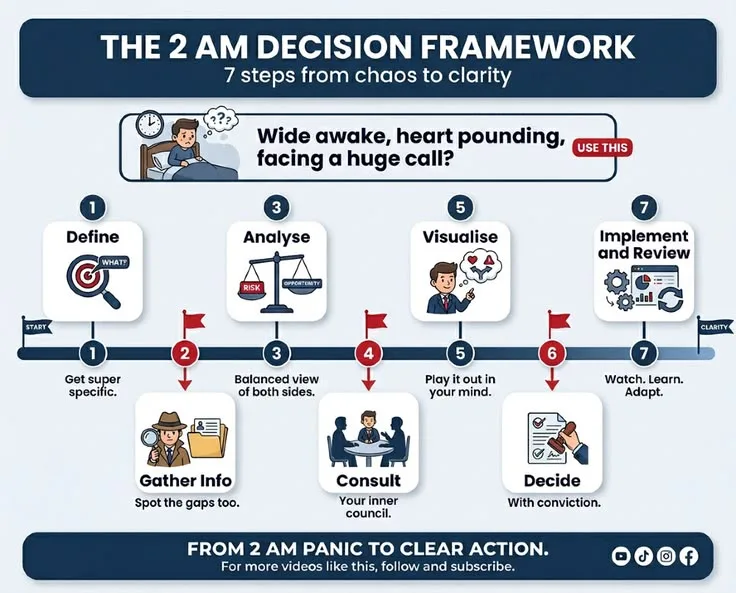
How to Communicate Complex Ideas to Any Audience
Learn practical techniques for explaining complex concepts clearly to audiences with different levels of expertise.
Explore fundamental concepts, mental models, and frameworks for clear thinking. From first principles to systems thinking, learn the ideas that shape how we understand the world.
Concepts are the building blocks of clear thinking. They're the fundamental ideas, frameworks, and principles that help us make sense of complexity, recognize patterns across domains, and make better decisions. From mental models to cognitive biases, from first principles thinking to systems theory—each concept offers a lens for understanding reality more accurately.
This collection explores core concepts from multiple disciplines: psychology, economics, philosophy, cognitive science, and decision theory. The goal isn't memorization—it's internalization. When you truly understand a concept, it changes how you see everything.
What you'll find: Deepdive explanations of thinking frameworks, practical applications for realworld problems, connections between related concepts, and insights from research and expert practitioners.
Principles for clear thinking and effective expression
10 articlesSystematic approaches to making better choices under uncertainty
15 articlesClear explanations of essential concepts and terminology
30 articlesMoral frameworks and accountability in technology and society
12 articlesStructured approaches to analysis and problem-solving
18 articlesHow we acquire, retain, and apply knowledge effectively
14 articlesQuantifying performance and understanding what to measure
16 articlesFundamental truths that apply across domains
20 articlesUnderstanding human motivation, habits, and behavioral patterns
22 articlesUnderstanding interconnected systems and emergent behavior
17 articles
Learn practical techniques for explaining complex concepts clearly to audiences with different levels of expertise.
Learn how feedback loops work—reinforcing and balancing—and why they're fundamental to understanding system behavior and change.
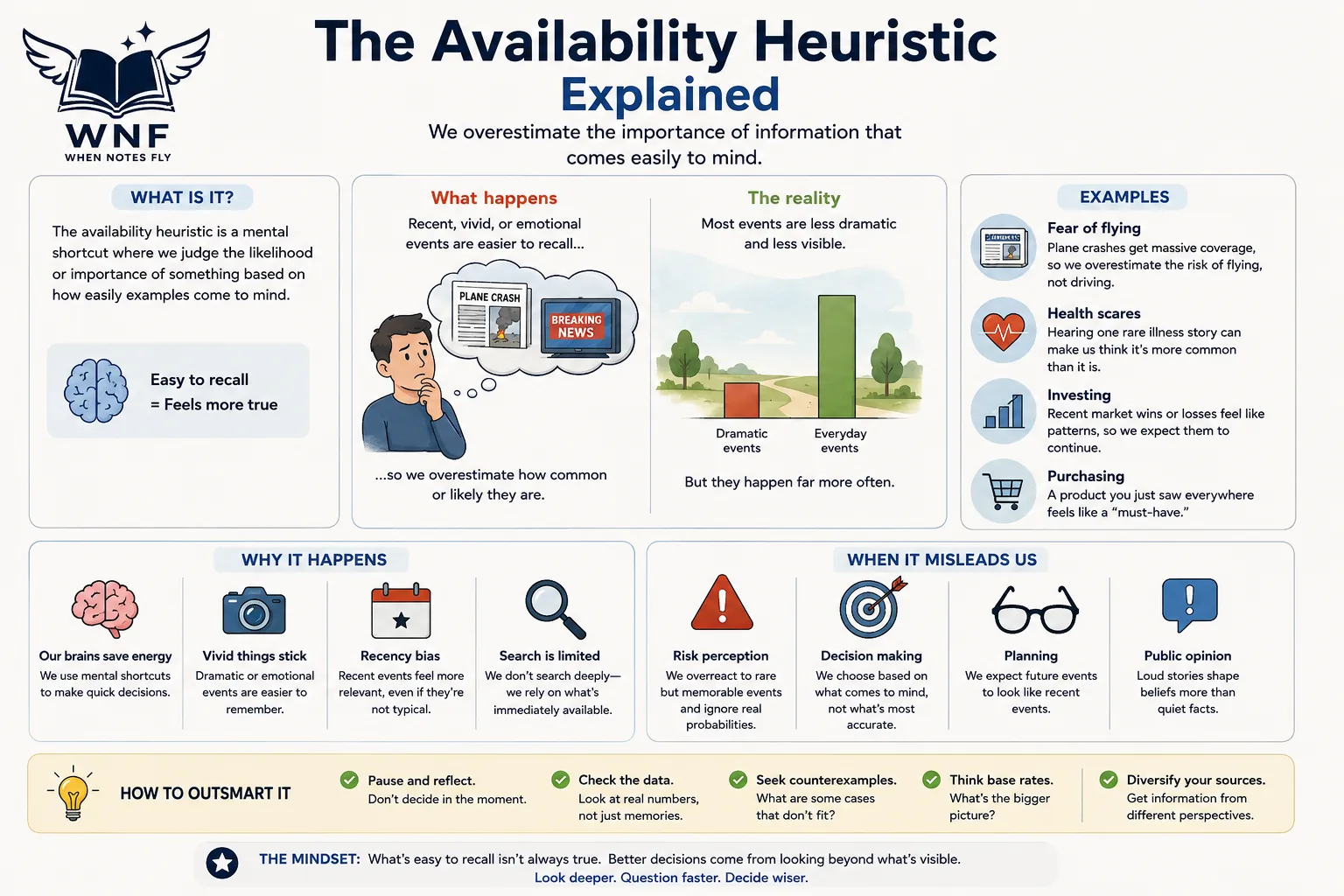
Learn what heuristics are, why the mind uses mental shortcuts, when they work well, and when they lead to systematic errors.
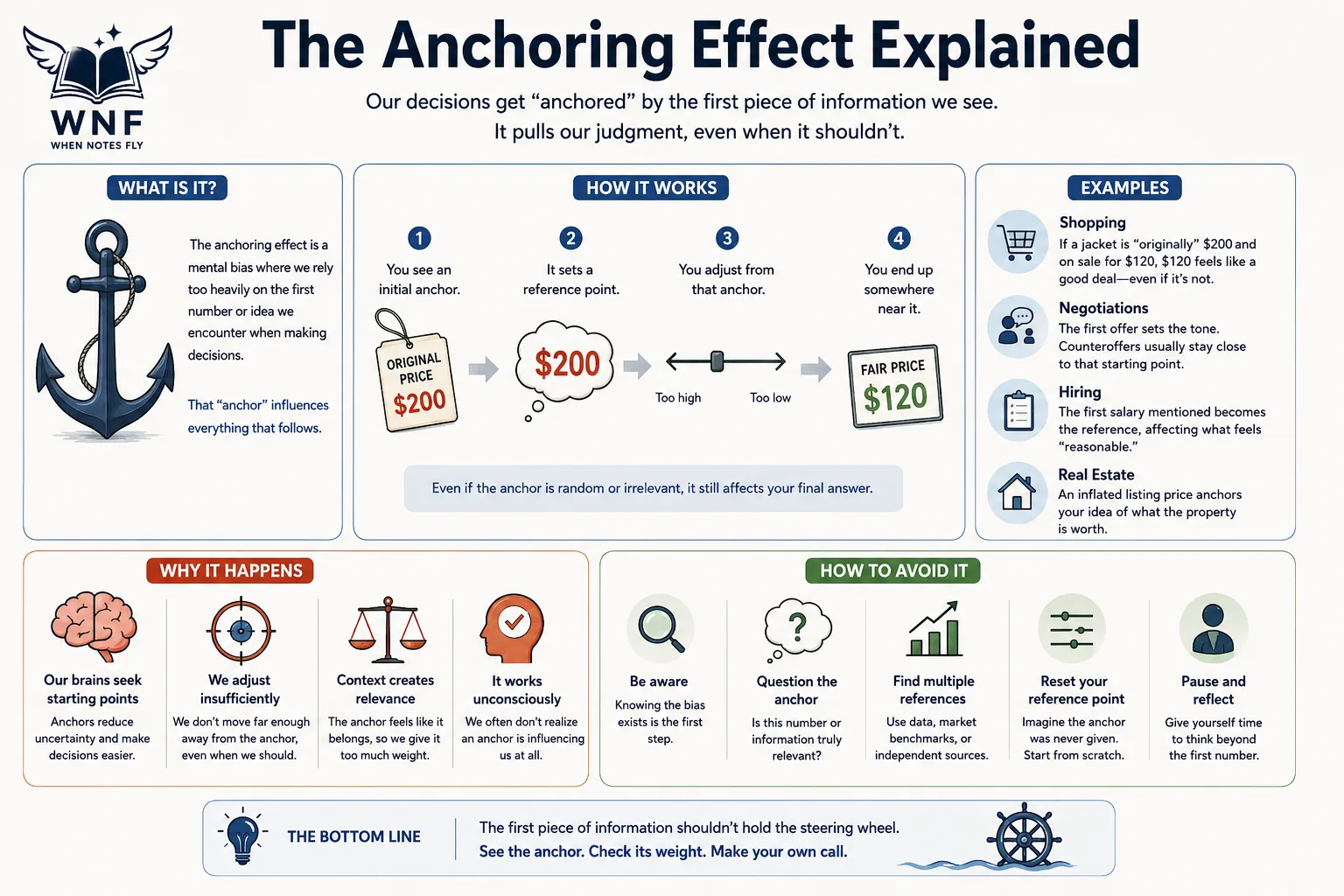
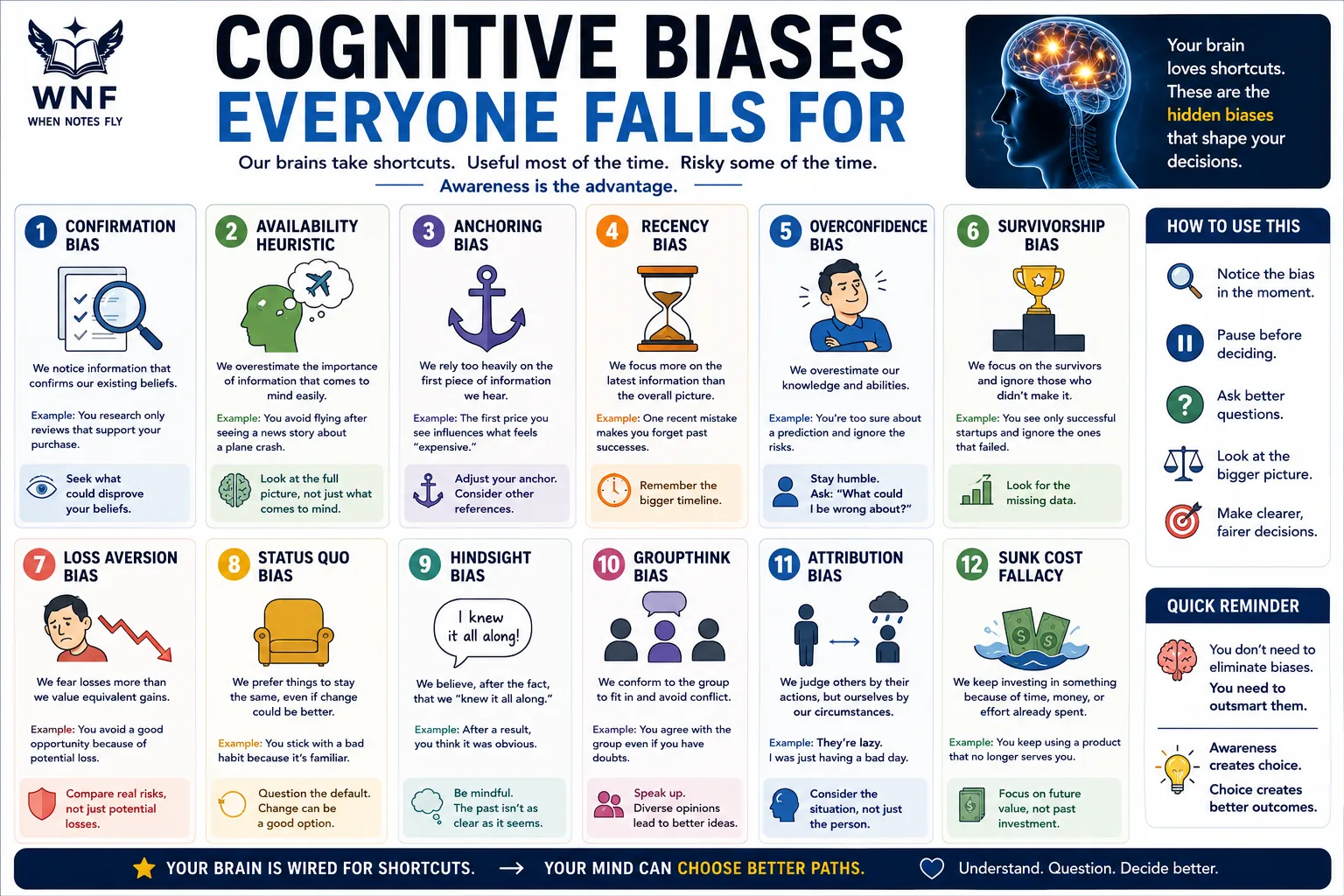
Learn about major cognitive biases with clear examples—from confirmation bias to anchoring—and how they systematically distort judgment.
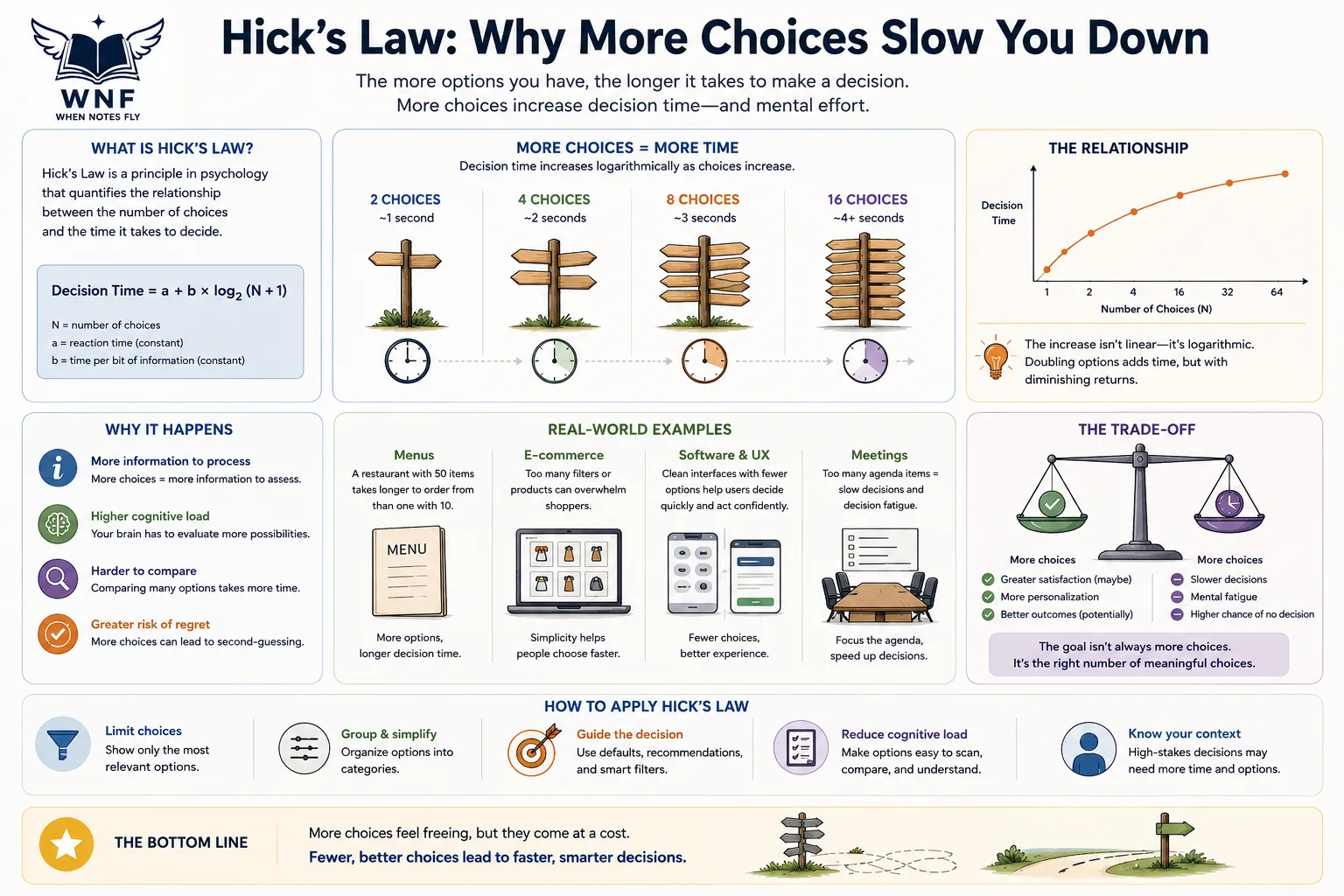
Understand why tradeoffs are fundamental to decision making, how to identify and evaluate them, and why 'having it all' is usually impossible.
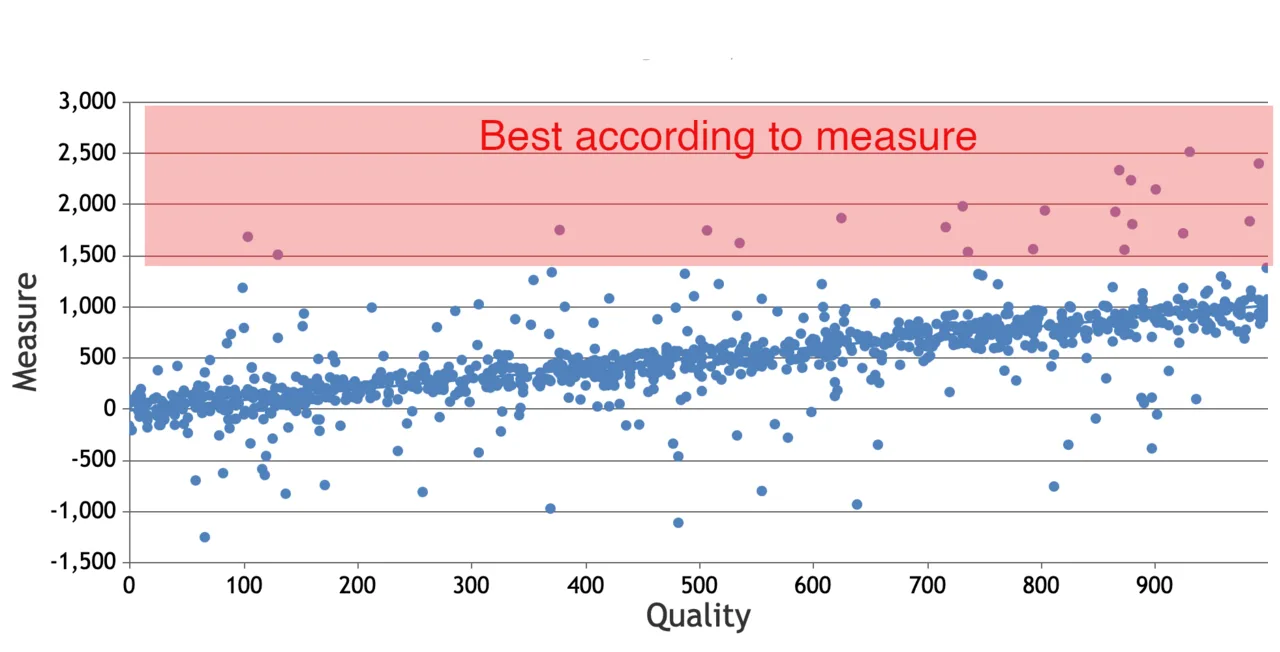
Explore Goodhart's Law—when a measure becomes a target, it ceases to be a good measure—and how to design metrics that resist gaming.
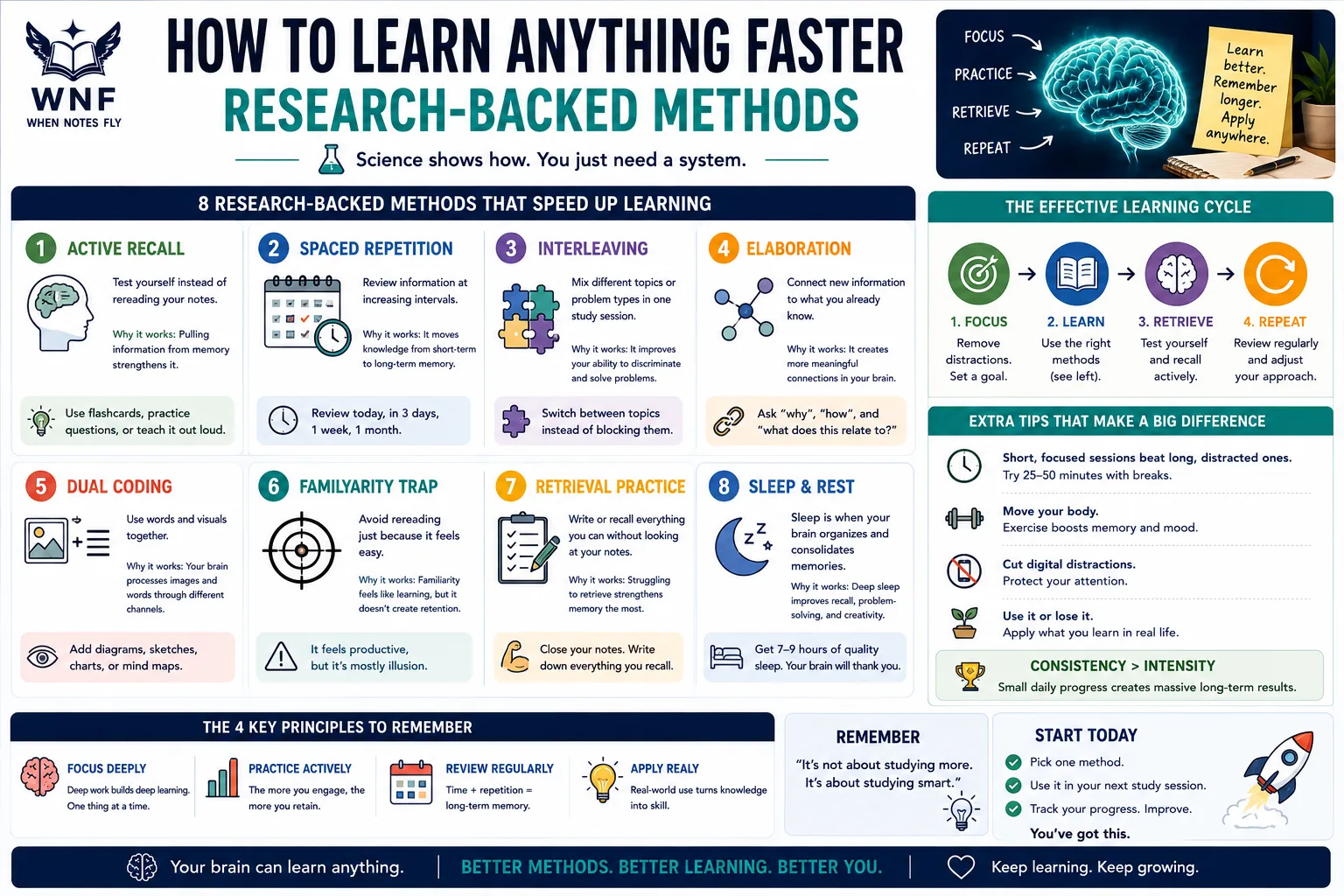
Understand the science of learning—how memory forms, what makes learning stick, and why most study techniques fail based on cognitive research.
Learn what deliberate practice is, how it differs from regular practice, and why it's the key to developing expert-level skills.
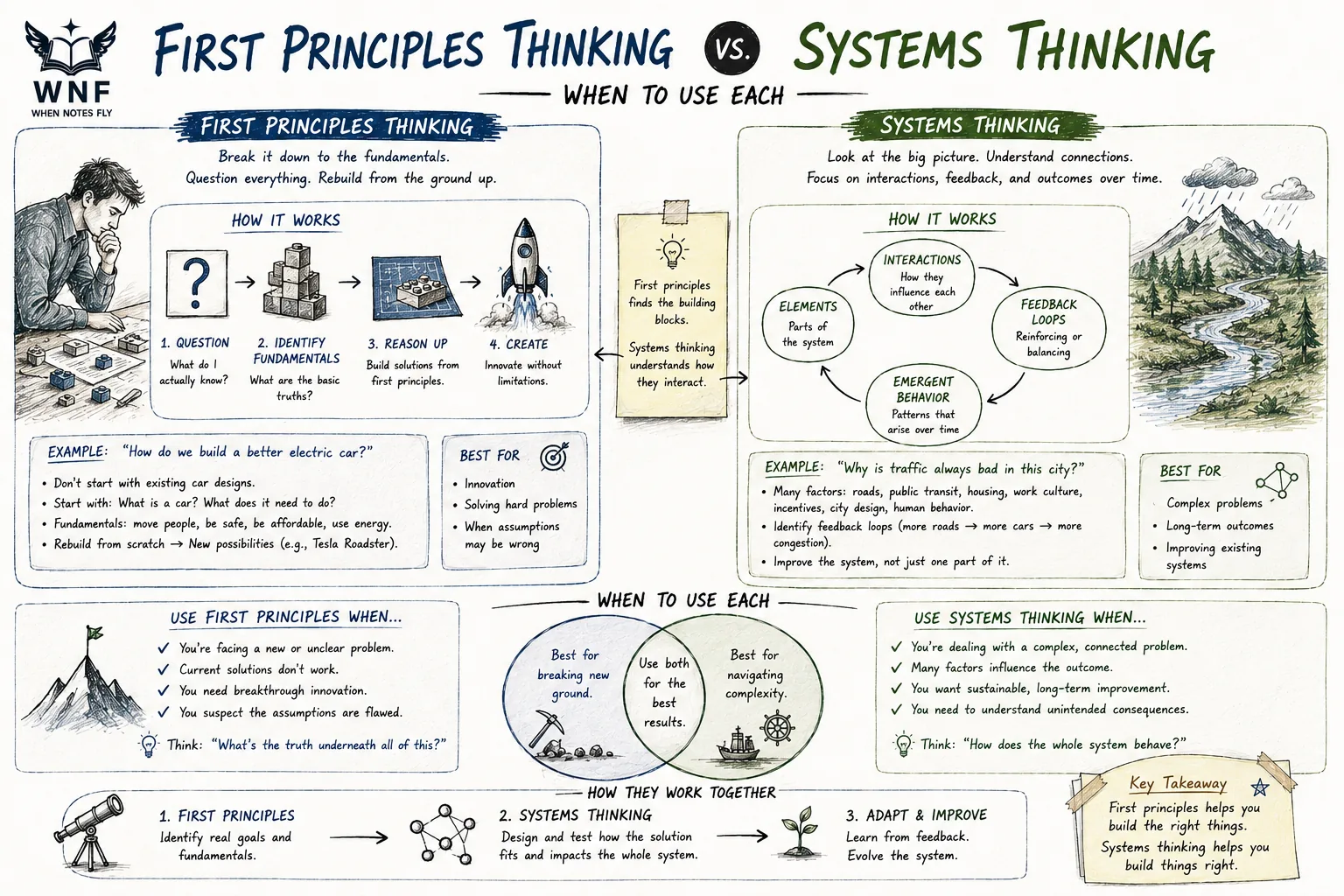
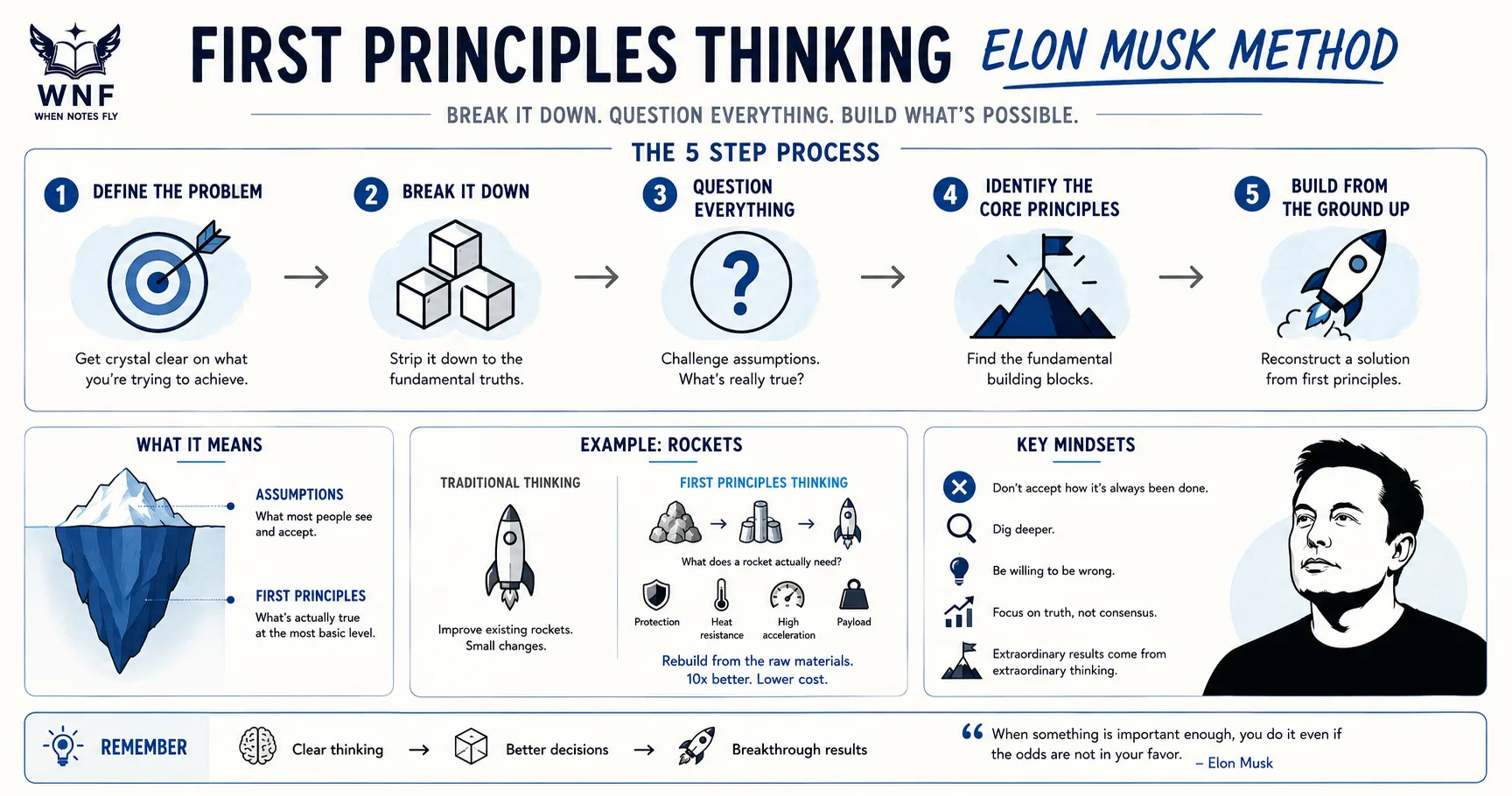
Learn first principles thinking—breaking problems down to fundamental truths and reasoning up—with practical examples and when to use it.
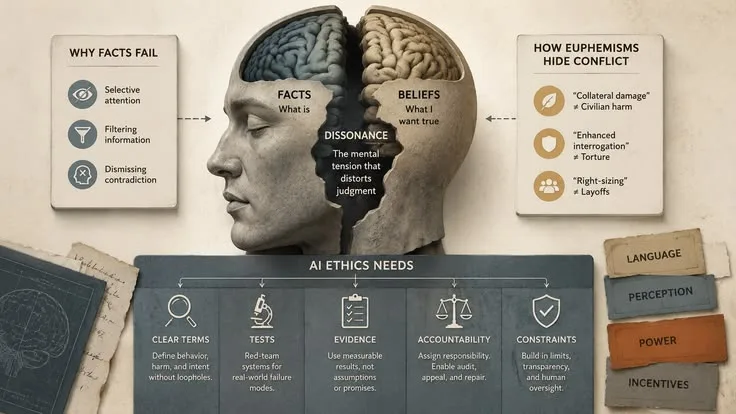
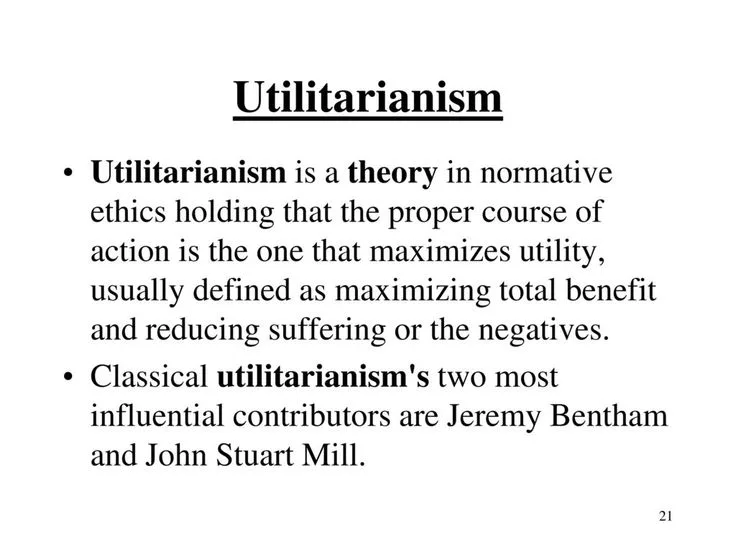
Explore what makes a decision ethical, the frameworks for moral reasoning, and how to navigate ethical dilemmas systematically.
A clear, jargon-free explanation of what mental models are, how they work, and why they matter for thinking and decision making.
Learn second-order thinking—how to anticipate consequences of consequences and make better decisions by thinking beyond immediate effects.
Identify the most common decision traps that derail judgment, and learn practical strategies to recognize and avoid them.
Discover why miscommunication occurs despite clear wording and what factors beyond language affect understanding.
Understand what communication really is by exploring a clear framework for how ideas move between people and why meaning often breaks down.
Understand why stories are more persuasive than facts through the psychological phenomenon of narrative transportation.
Learn how the ladder of abstraction helps you move between concrete details and abstract concepts for clearer communication.
Explore how framing effects influence interpretation and why the same information presented differently leads to different conclusions.
Learn how feedback loops work in communication systems and why they're essential for effective understanding.
Understand the curse of knowledge bias and why experts often struggle to explain concepts to beginners effectively.
Learn practical techniques for explaining complex concepts clearly to audiences with different levels of expertise.
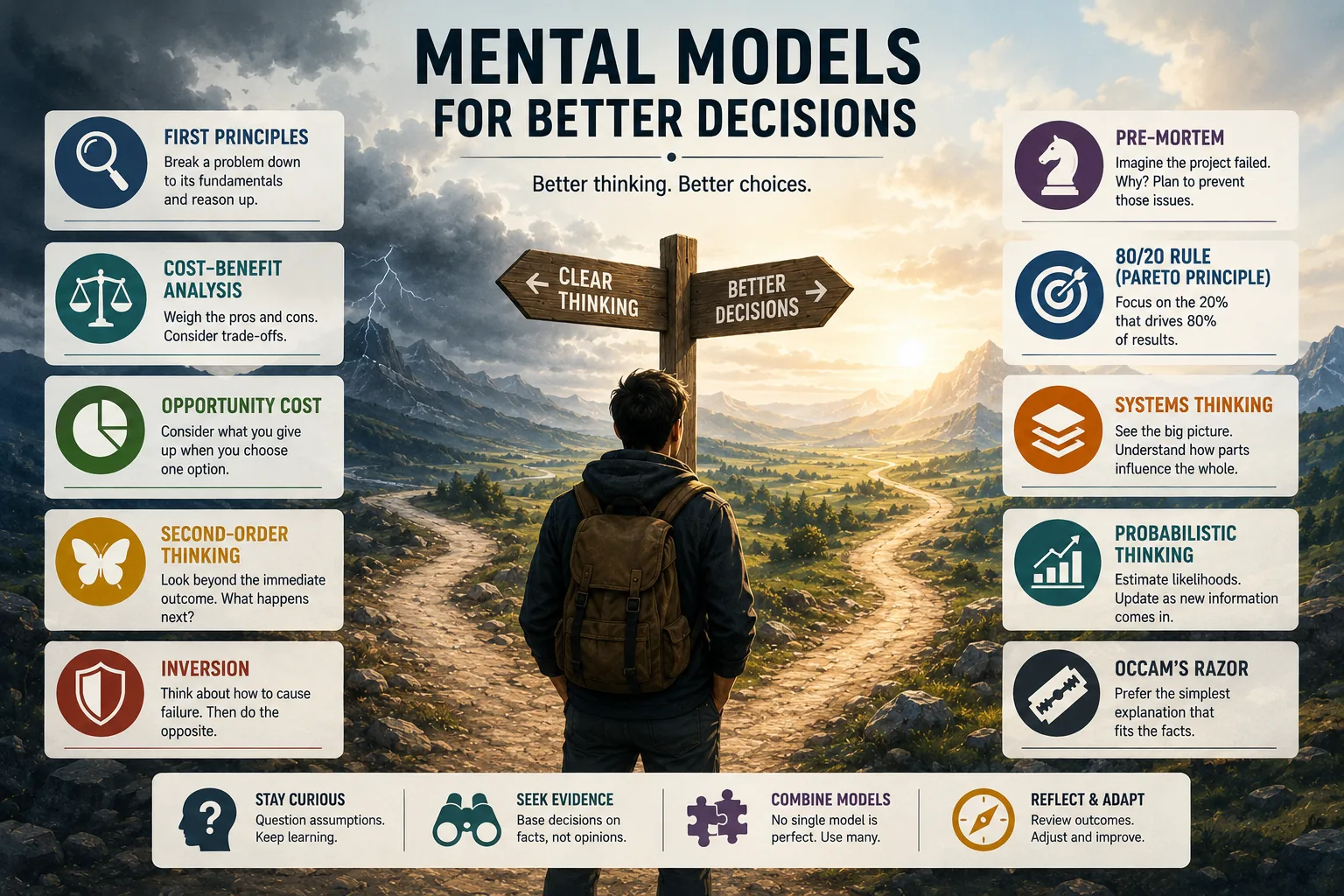
Mental models are frameworks for understanding how things work in the world. They're simplified representations of reality that help you predict outcomes, make decisions, and solve problems. Charlie Munger's 'latticework of mental models' approach suggests that learning fundamental concepts from multiple disciplines—physics, biology, psychology, economics—gives you a toolkit for better thinking across all domains.
First principles thinking is the practice of breaking down complex problems into their most basic, foundational truths, then reasoning up from there. Instead of reasoning by analogy (doing things because that's how they've always been done), you question every assumption and rebuild from fundamental facts. Elon Musk popularized this approach in business, but it originates with Aristotle's philosophical method.
Systems thinking is the ability to see interconnections, feedback loops, delays, and leverage points in complex systems rather than isolated events and linear causeeffect relationships. It's important because most realworld problems exist within systems where changing one part affects the whole. Systems thinking helps you avoid unintended consequences and identify highleverage interventions.
Secondorder thinking means considering the consequences of consequences—thinking beyond the immediate effects of a decision to what happens next, and after that. Firstorder thinking asks 'What happens if I do this?' Secondorder thinking asks 'And then what? And what happens after that?' This deeper analysis reveals unintended consequences that firstorder thinkers miss.
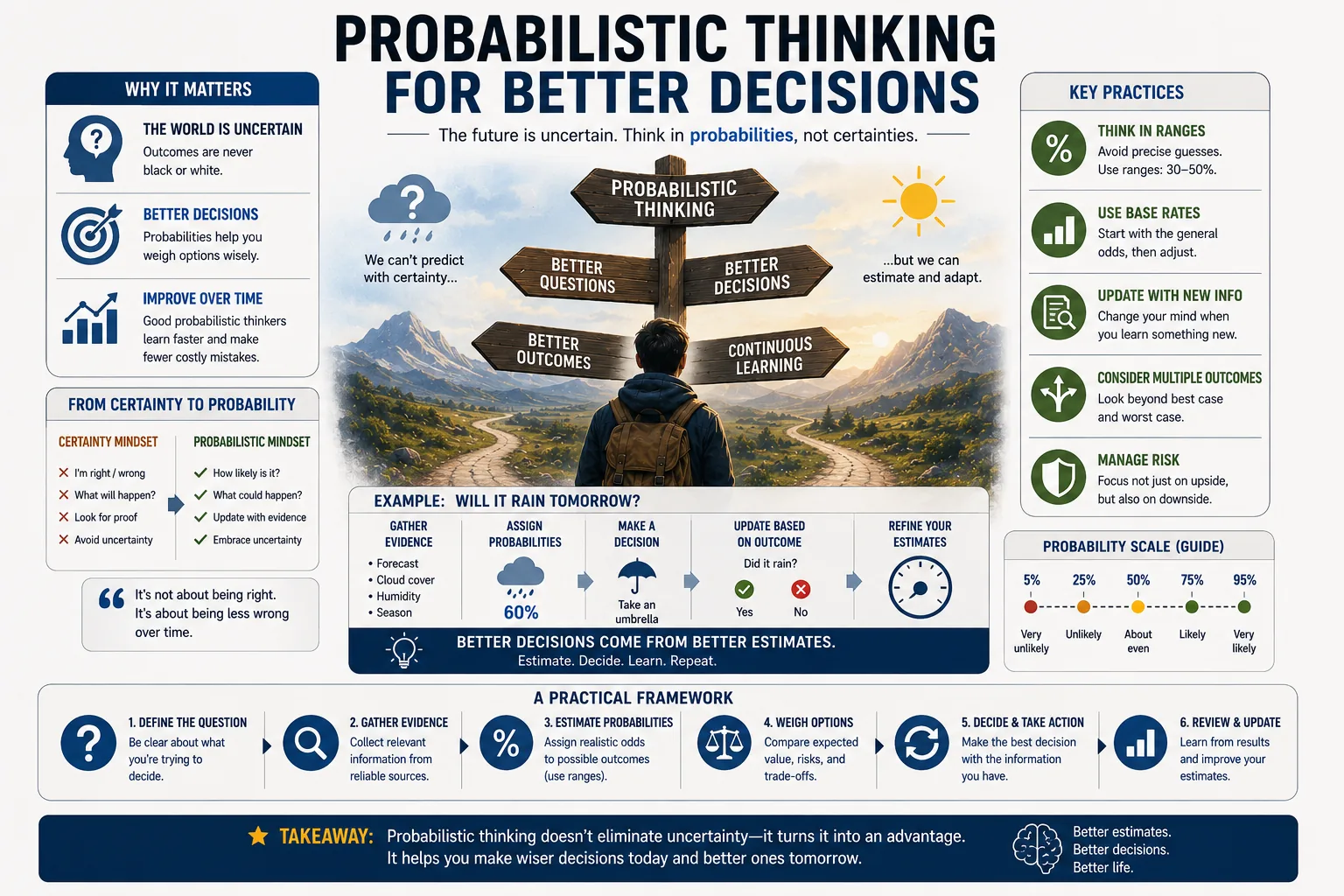
Probabilistic thinking is reasoning with likelihoods and distributions rather than absolutes and certainties. Instead of asking 'Will this happen?' you ask 'How likely is this? What are the odds?' This approach acknowledges uncertainty and helps you make better decisions under conditions where perfect information doesn't exist. It's essential for risk assessment, forecasting, and strategic planning.
Apply mental models by: 1) Deeply understanding the core principle behind each model, 2) Recognizing patterns in real situations where the model applies, 3) Practicing deliberate application across different contexts, 4) Seeking feedback to refine your understanding, and 5) Building connections between related models. The goal is internalization—making the models second nature rather than memorized frameworks.
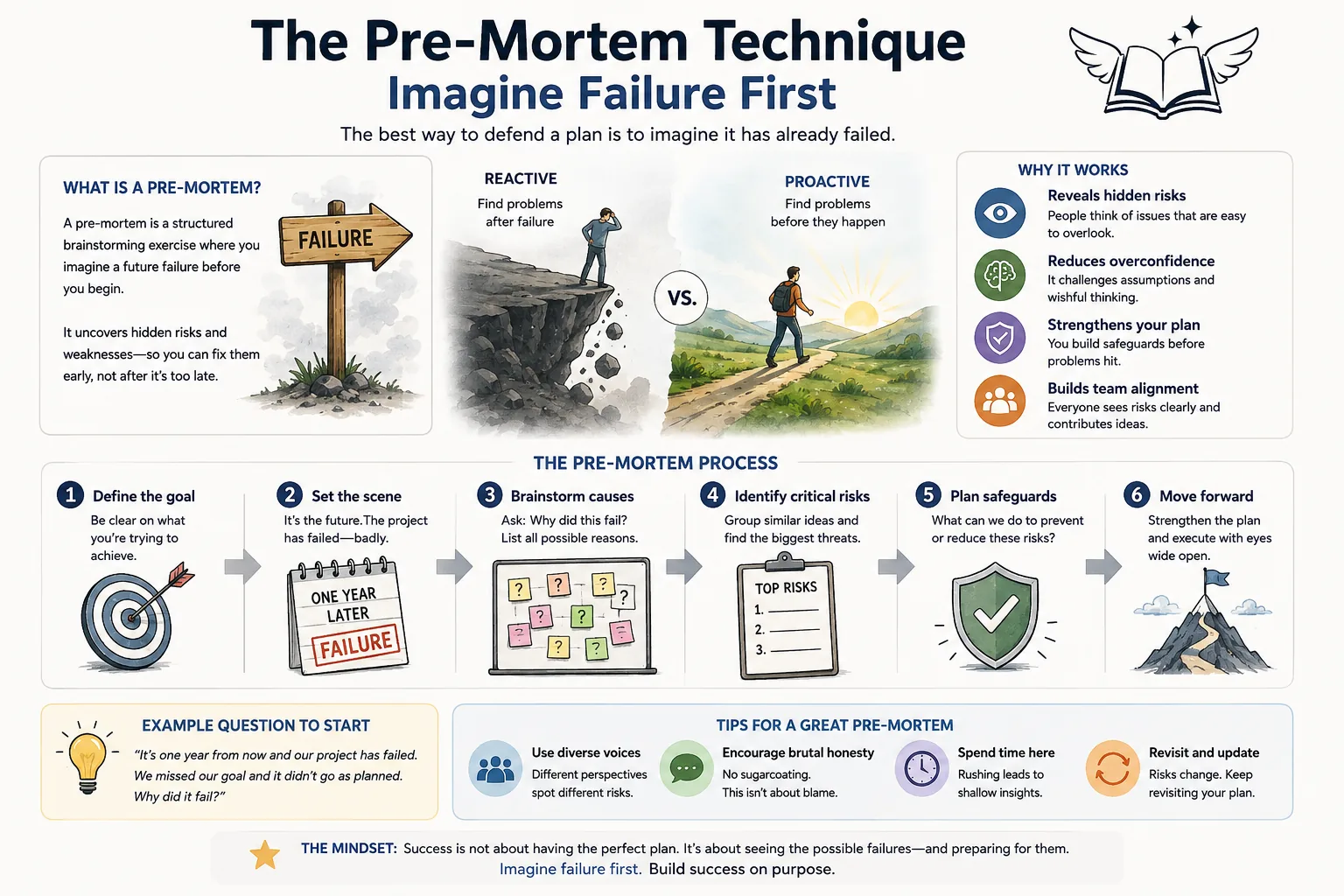
Inversion thinking (or inversion) means approaching problems backward—instead of asking 'How do I succeed?' ask 'How would I guarantee failure?' Then avoid those failure modes. This mental model, favored by Charlie Munger, helps you spot risks and obstacles you'd otherwise miss. It's especially useful for risk management, strategy, and avoiding common mistakes.