SECTION 03 · 116 GUIDES
Ideas
Ideas don't explain, they argue. Business, product and project ideas worth building, methods for working and deciding, and essays that question how we think and work.
EVERY IDEA SHEET STATES
- 01The problemWho has it, how often, what it costs them
- 02Who paysThe buyer, and why they would switch
- 03First ten customersWhere they are and how you reach them
- 04Effort · capital · timeWhat it takes to reach first revenue
Browse by topic
14 TOPICS · SORTED BY SIZE
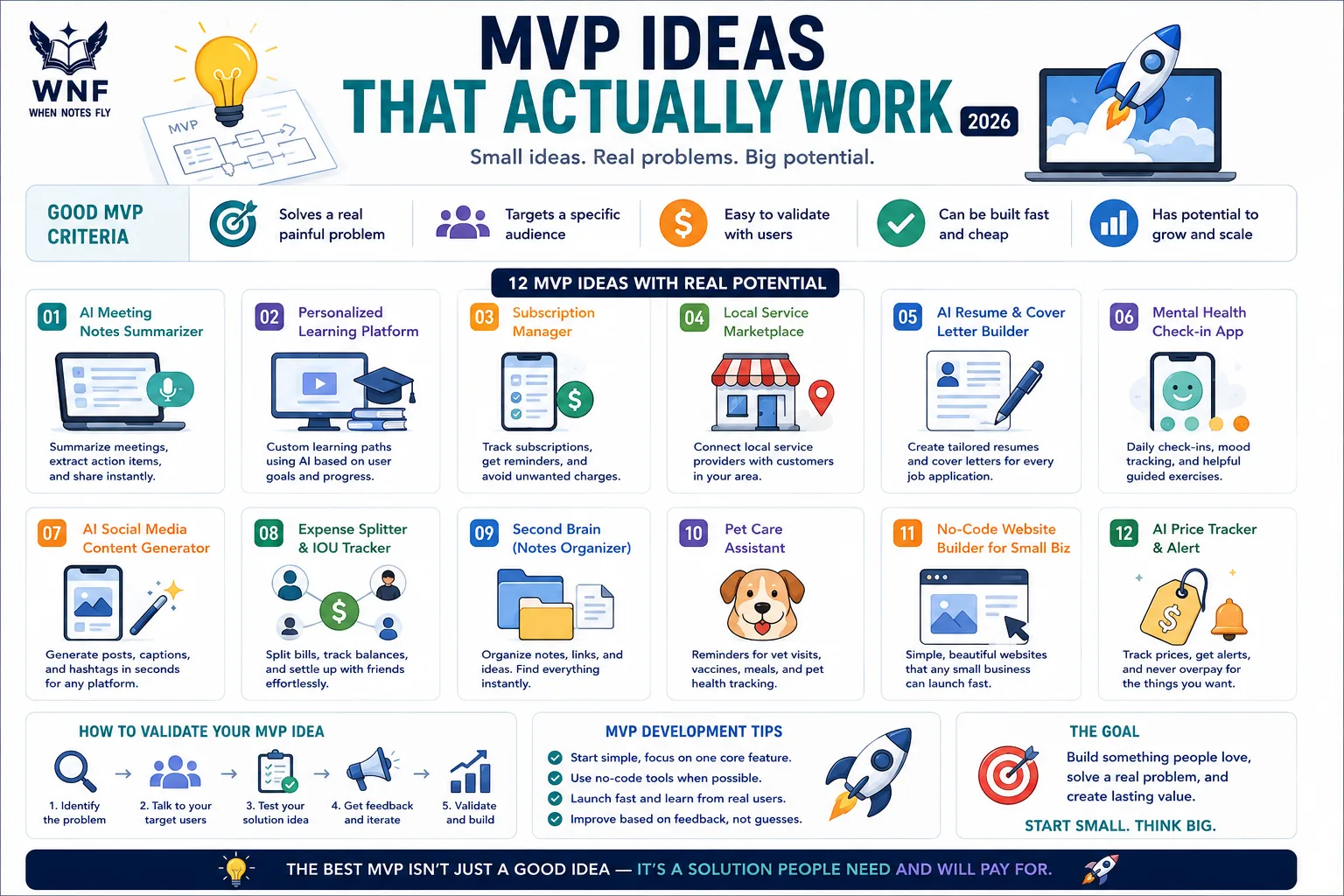
- Startup & MVP IdeasStartup concepts, MVP approaches, and lean ways to test new product ideas with real users11 GUIDES
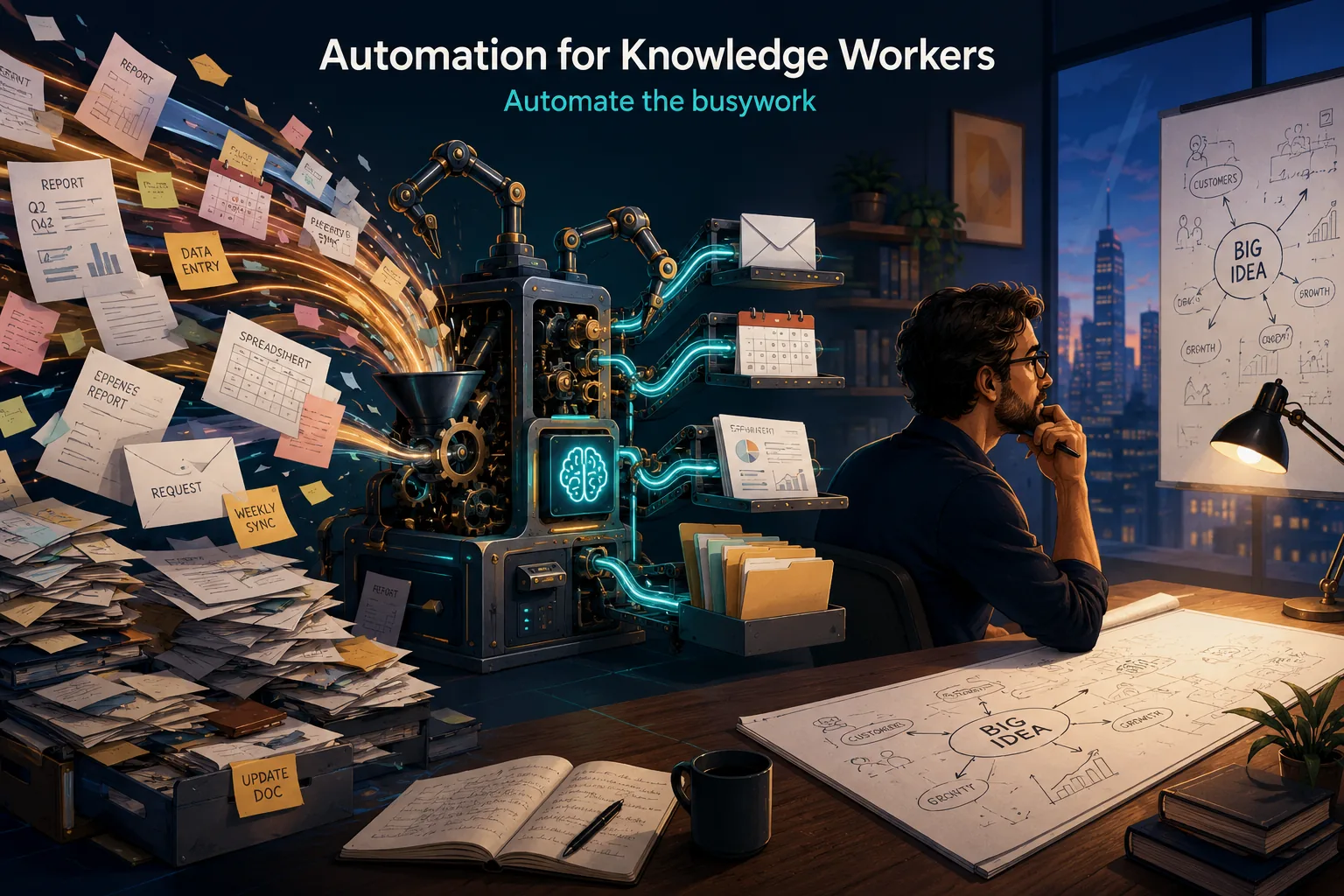
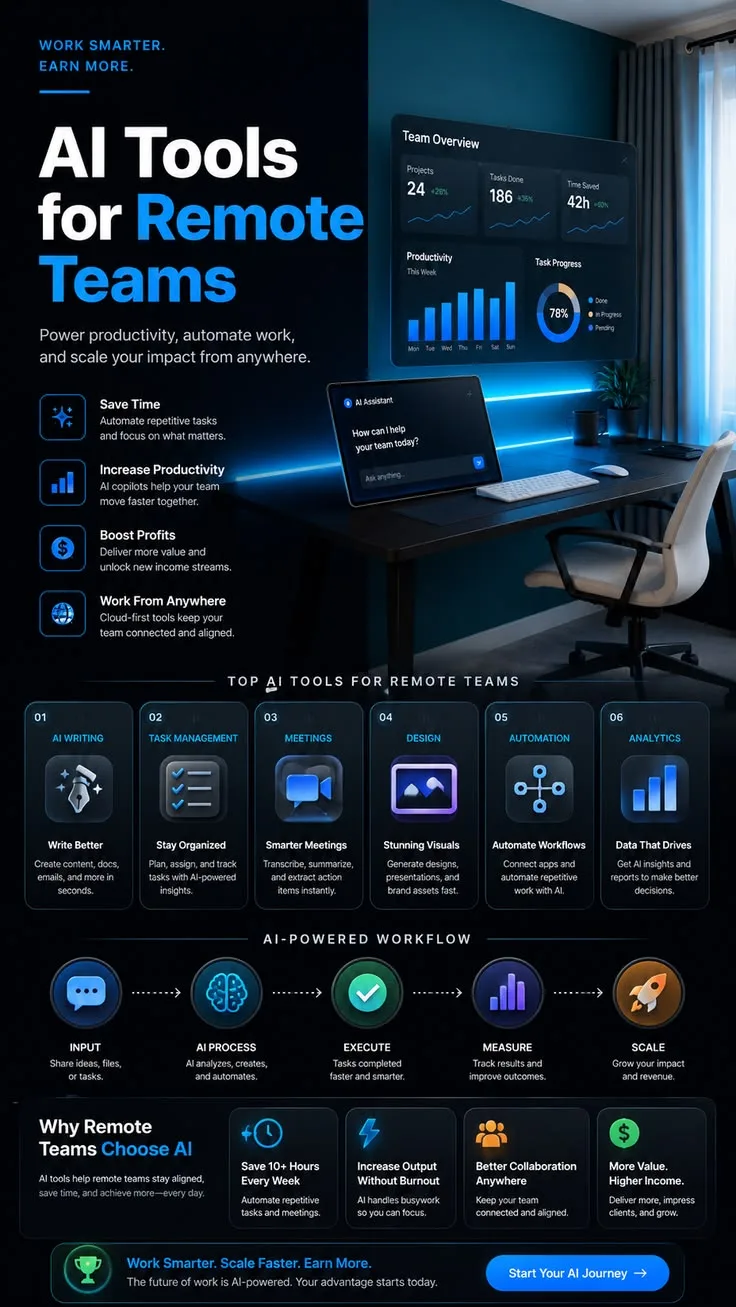
- AI & Automation IdeasPractical AI and automation ideas you can deploy to save time, scale work, and unlock new capabilities10 GUIDES
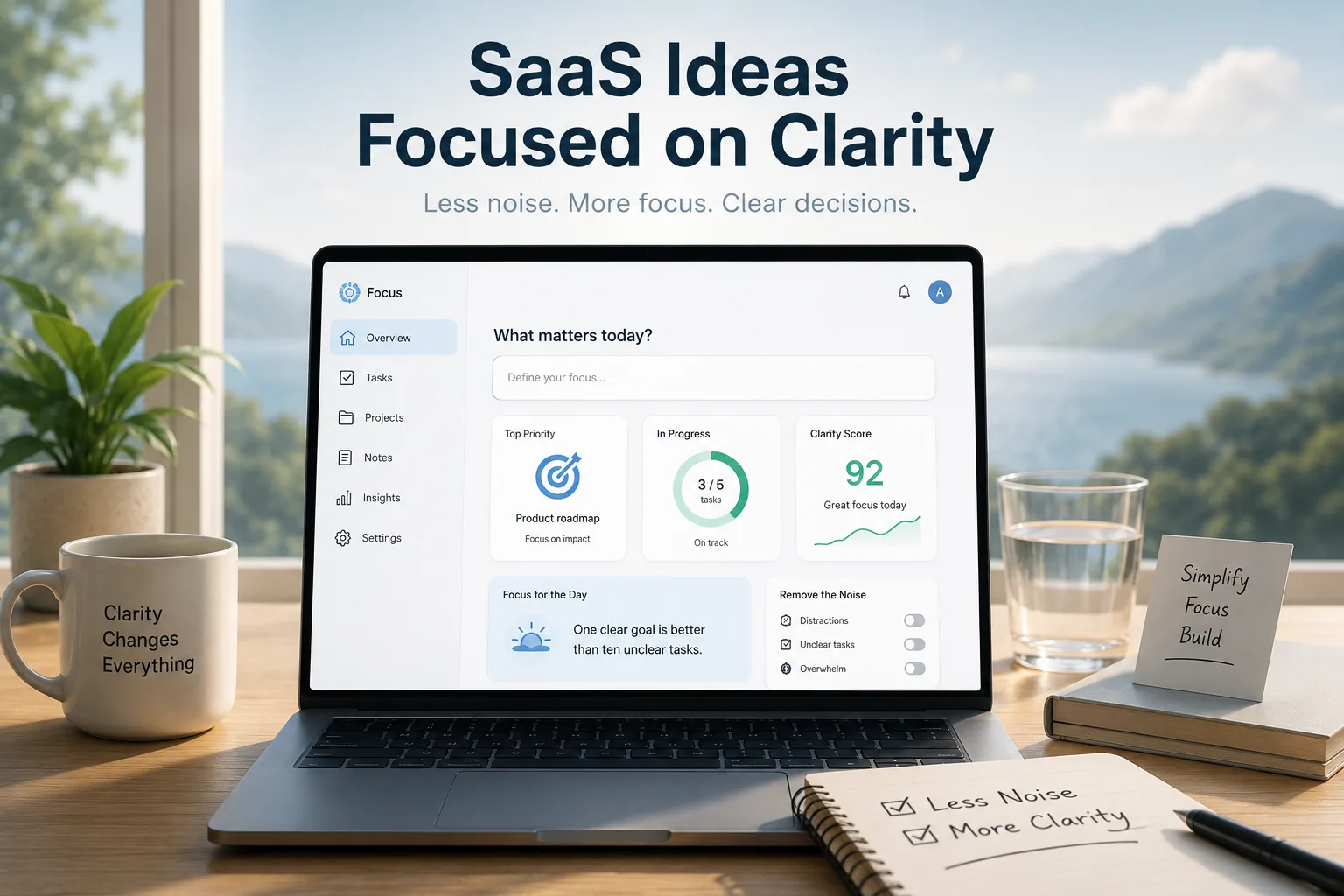
- App & SaaS IdeasSoftware product and SaaS business opportunities, from validated niches to underserved markets10 GUIDES
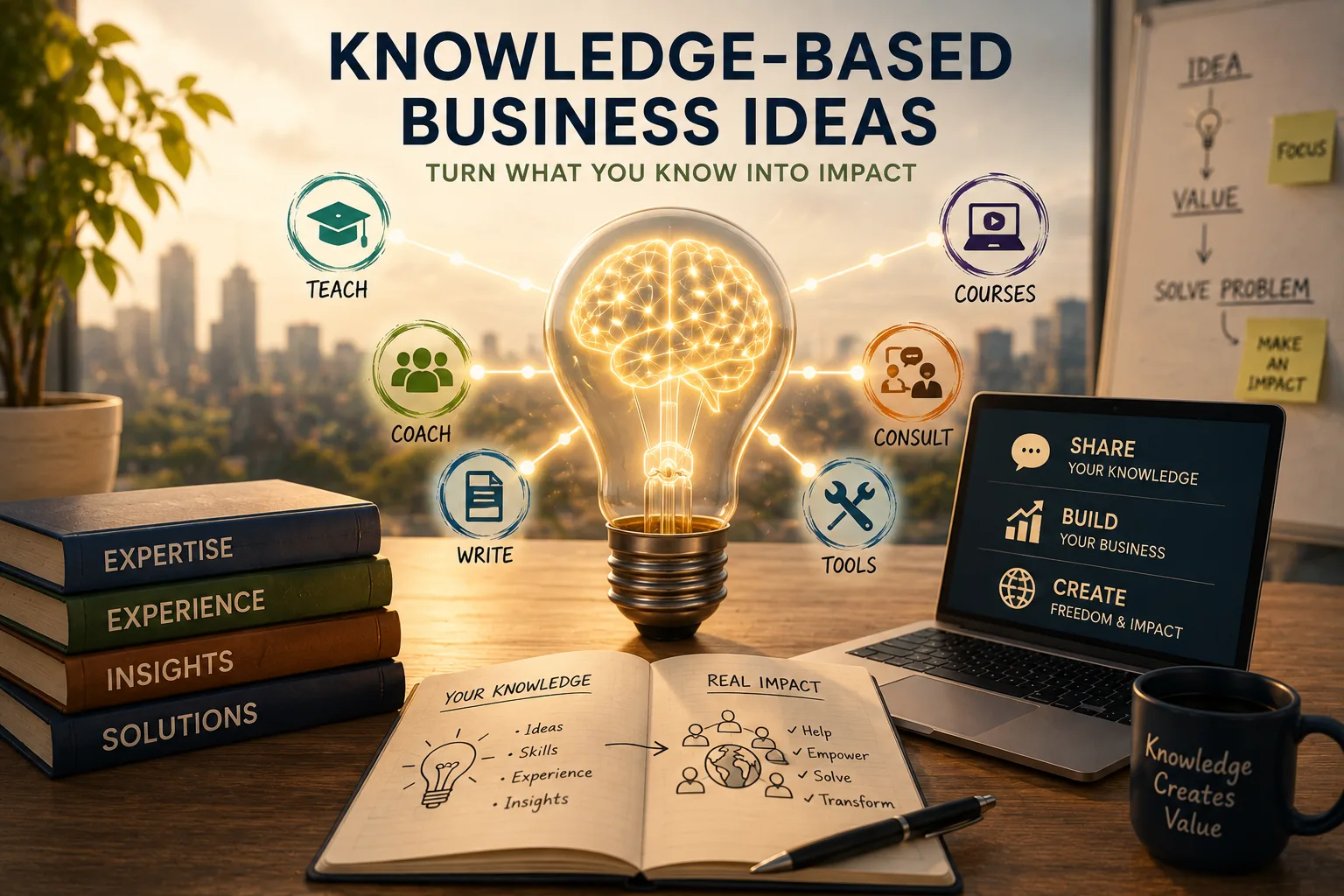
- Business IdeasPractical business ideas, market opportunities, and entrepreneurial concepts worth exploring and building on10 GUIDES
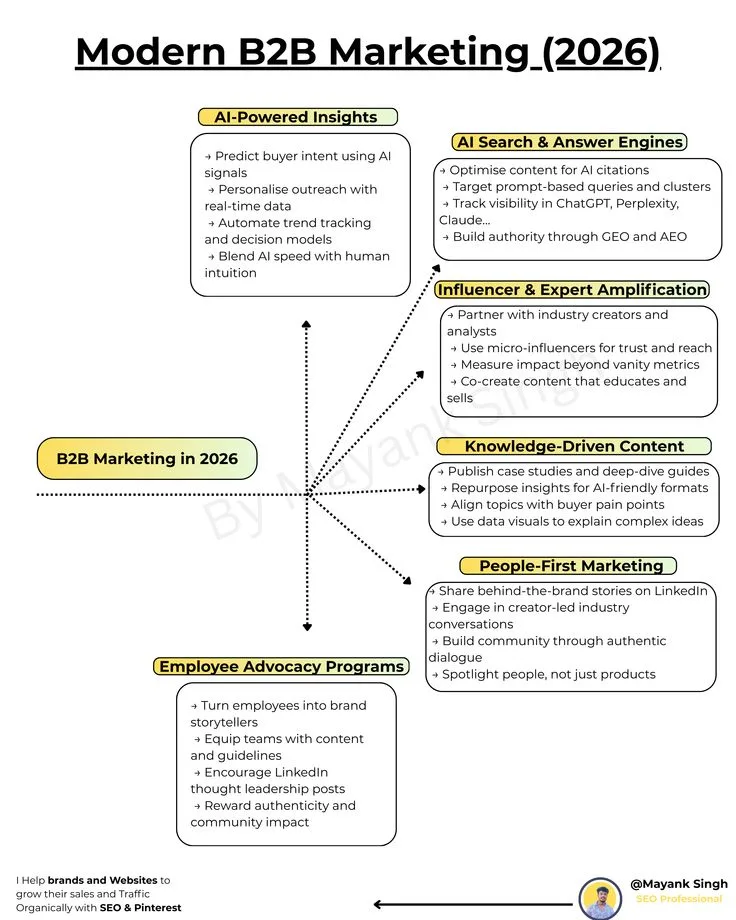
- Content & MarketingContent strategies, marketing ideas, growth tactics, and ways to build and distribute compelling content10 GUIDES
- Creative & BrandingCreative concepts, brand positioning strategies, and design ideas for building memorable identities10 GUIDES
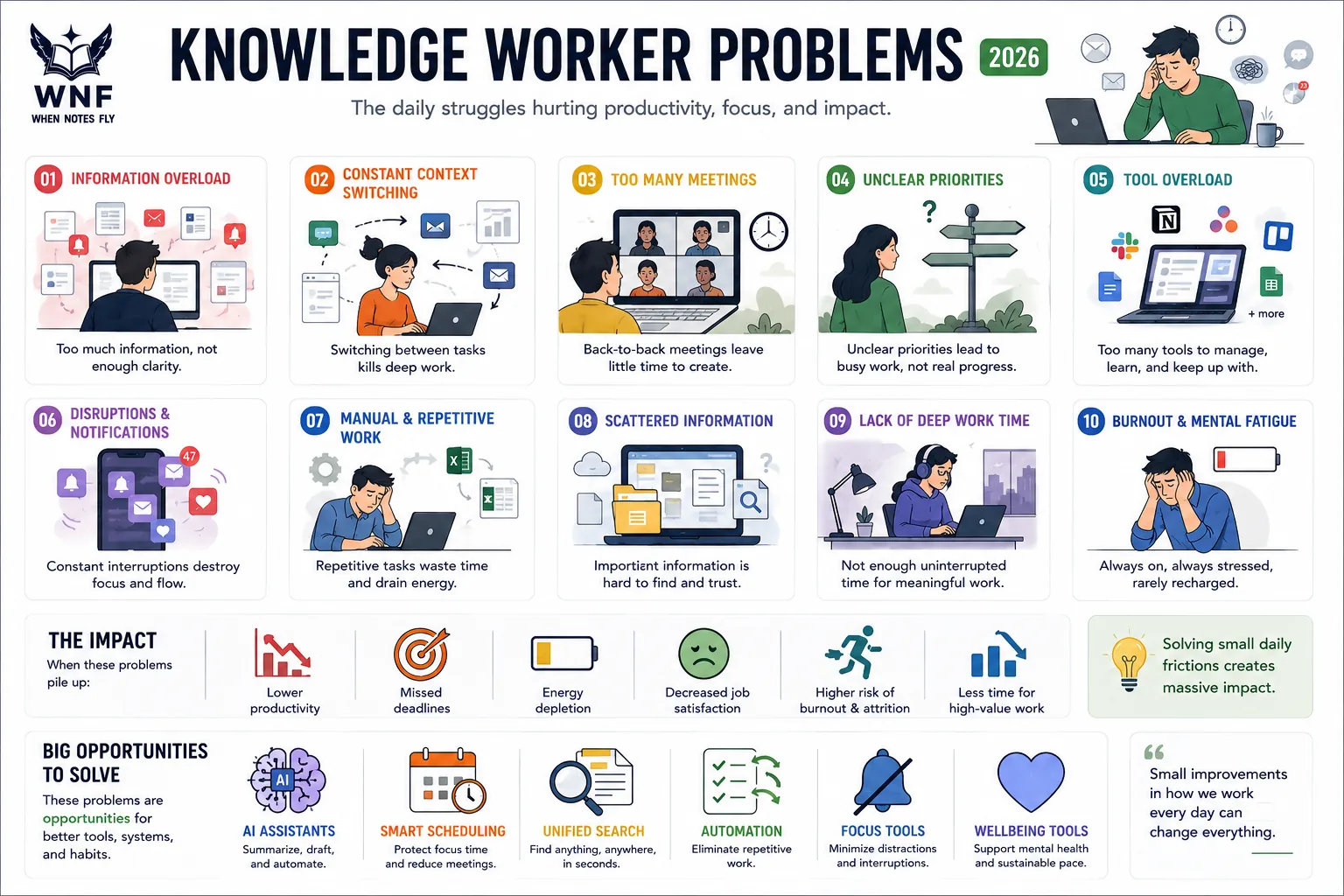
- Problems & Pain PointsIdentified problems worth solving and unmet user needs that founders and product builders can address10 GUIDES
- Project IdeasSide projects, portfolio-building ideas, and hands-on learning opportunities for builders and creators10 GUIDES
- Revenue & MonetizationPractical ways to generate revenue, monetize products or services, and build sustainable income streams10 GUIDES
- Workflow & SystemsProcess improvements, workflow optimizations, and system designs for running operations more effectively10 GUIDES
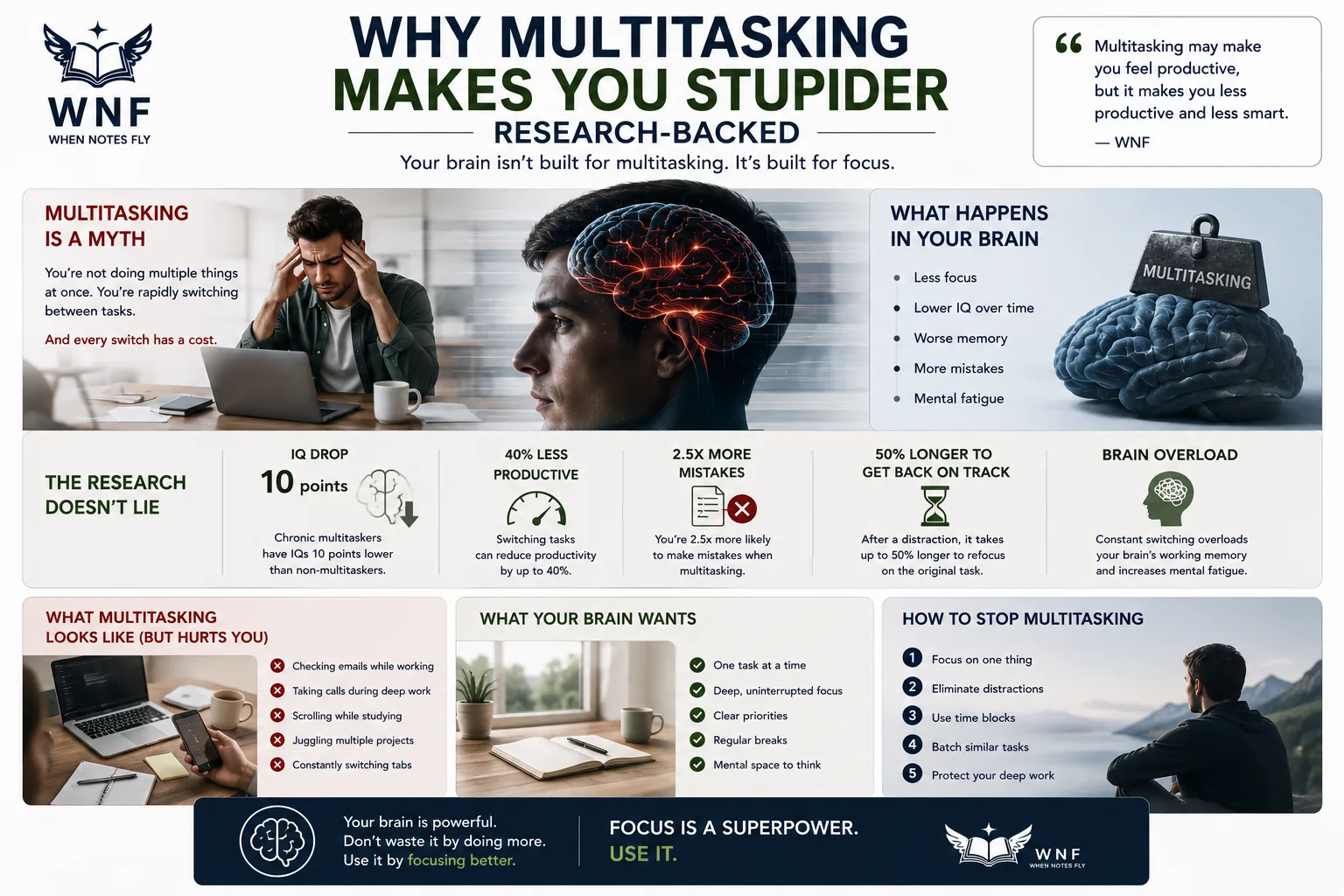
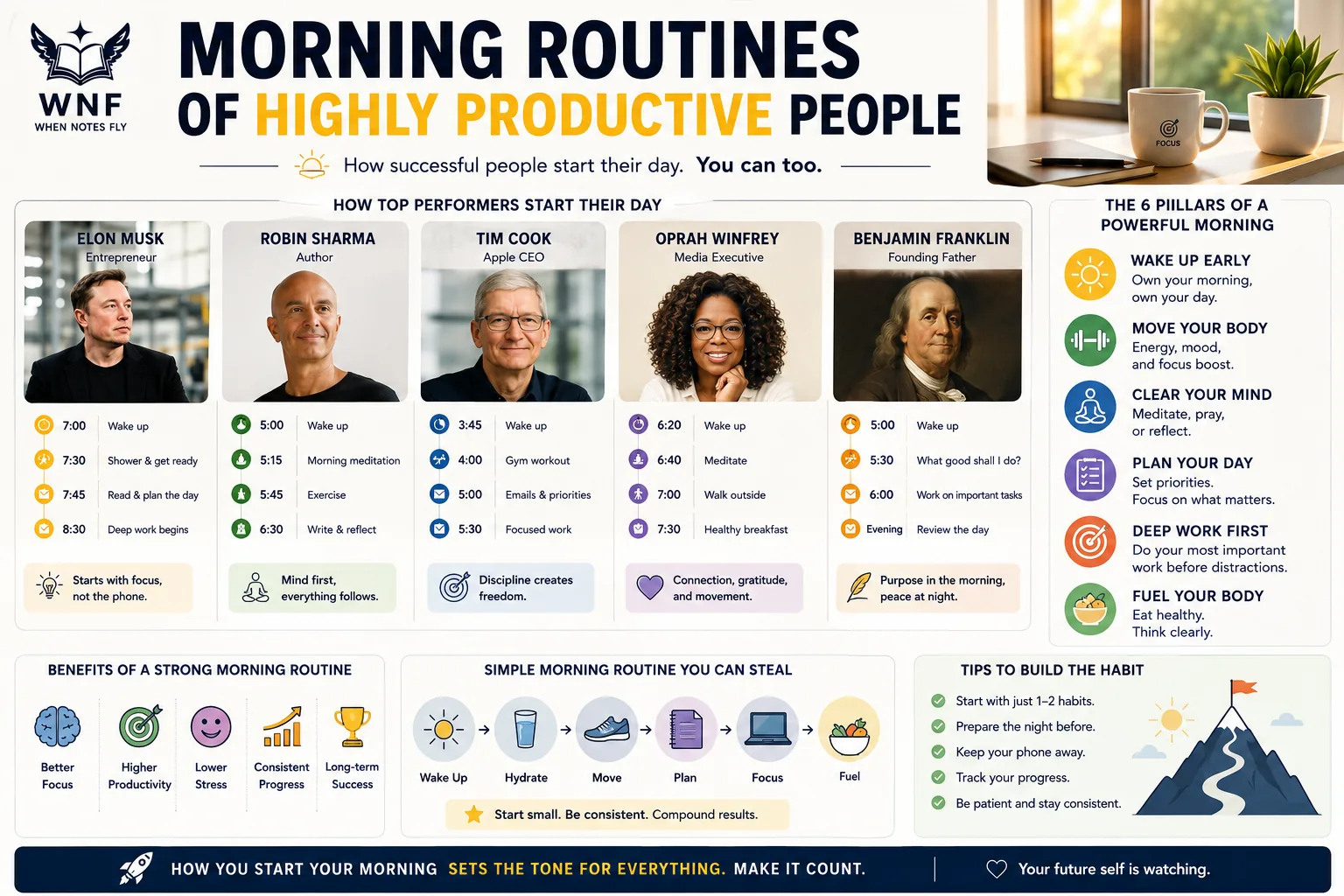
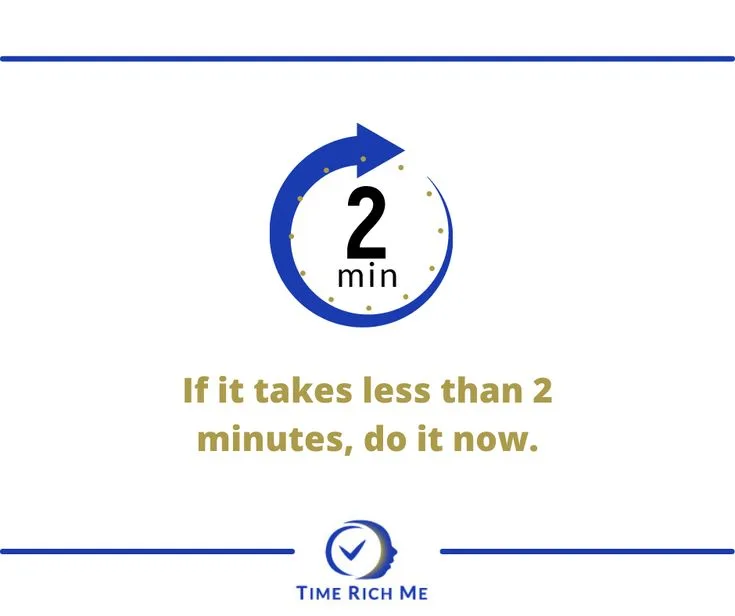
- ProductivityProductivity systems, efficiency, and getting things done8 GUIDES
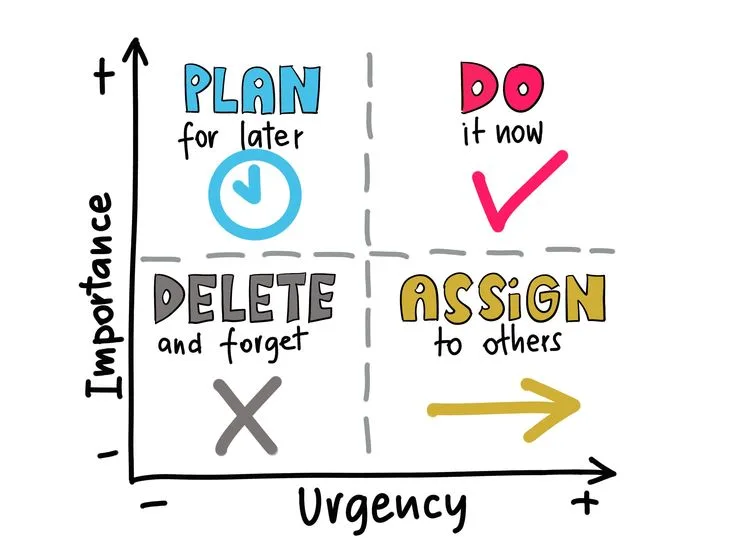
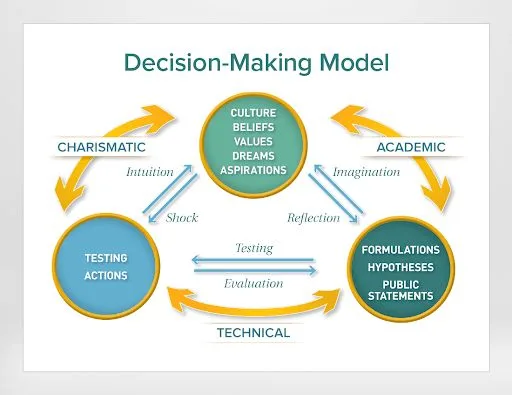
- Decision MakingDecision frameworks and structured choice-making3 GUIDES
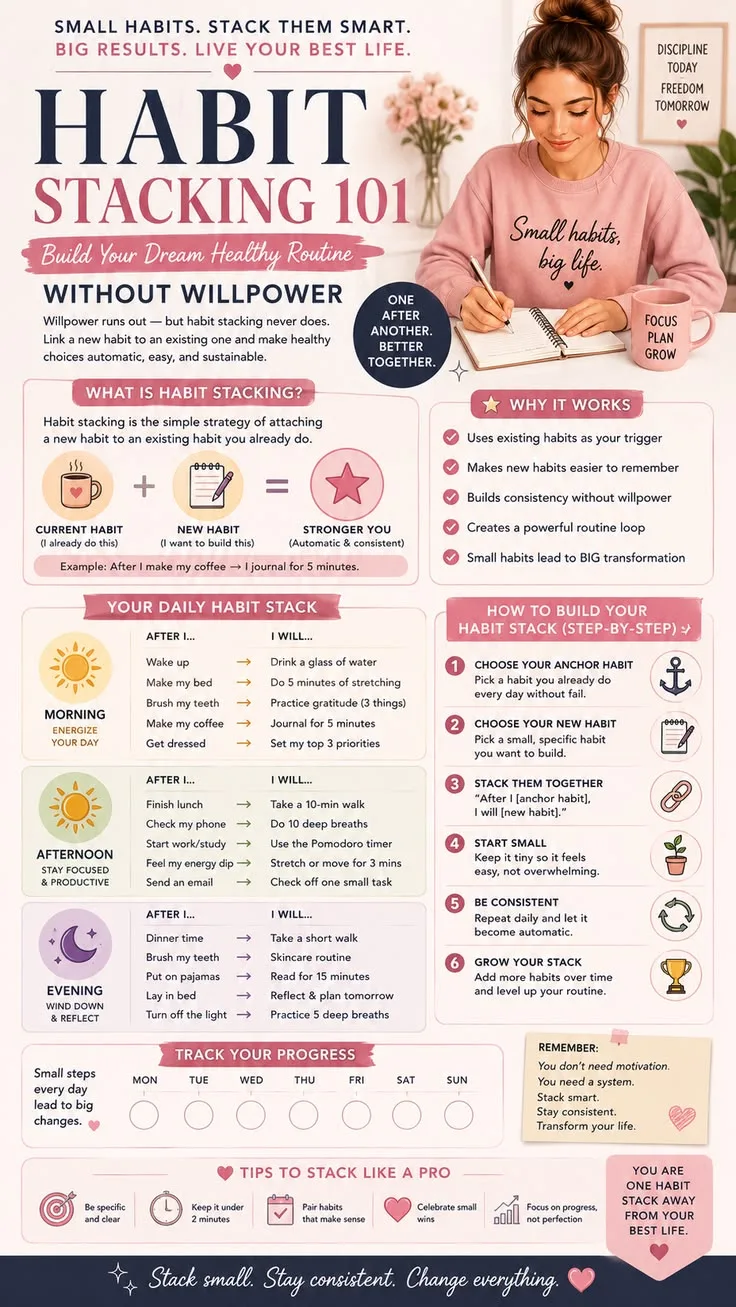
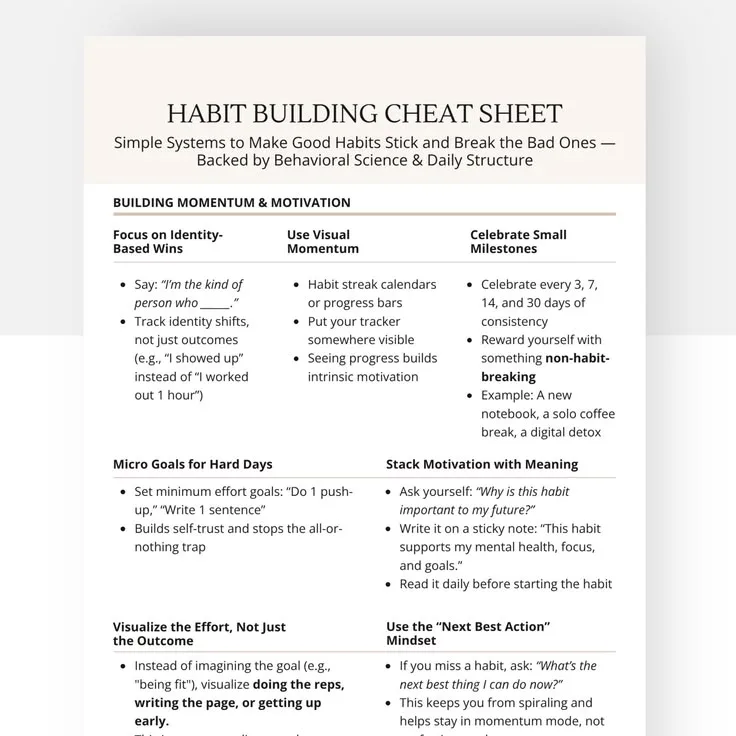
- Habit FormationBuilding, breaking, and sustaining habits3 GUIDES
- CreativityCreative processes, inspiration, and idea generation1 GUIDES
Problems worth solving
PAIN POINT → IDEA · 6 OF 10
- PROBLEMMeeting notes vanish into documents nobody reopens IDEAA decision log that files only the decision, the owner, and the date, searchable, one line each.WORKFLOW & SYSTEMS
- PROBLEMFreelancers price by the hour and undercharge for outcomes IDEAA quoting tool that converts scope into value-based tiers, with the maths shown to the client.REVENUE & MONETIZATION
- PROBLEMSmall teams can't afford a research function IDEAAn AI-assisted desk-research pipeline that produces sourced briefs, not summaries, for under $50 a question.AI & AUTOMATION
- PROBLEMNewsletters grow subscribers but not readers IDEAAn engagement-first analytics layer: who finished, who forwarded, who replied, not who opened.CONTENT & MARKETING
- PROBLEMSide projects die at the deployment step IDEAA one-command deploy template per stack with the cost, the limits, and the rollback baked in.PROJECT IDEAS
- PROBLEMHabit apps optimise streaks, not behaviour IDEAA habit tracker that scores context (time, place, preceding action) and tells you where the habit actually sticks.APP & SAAS
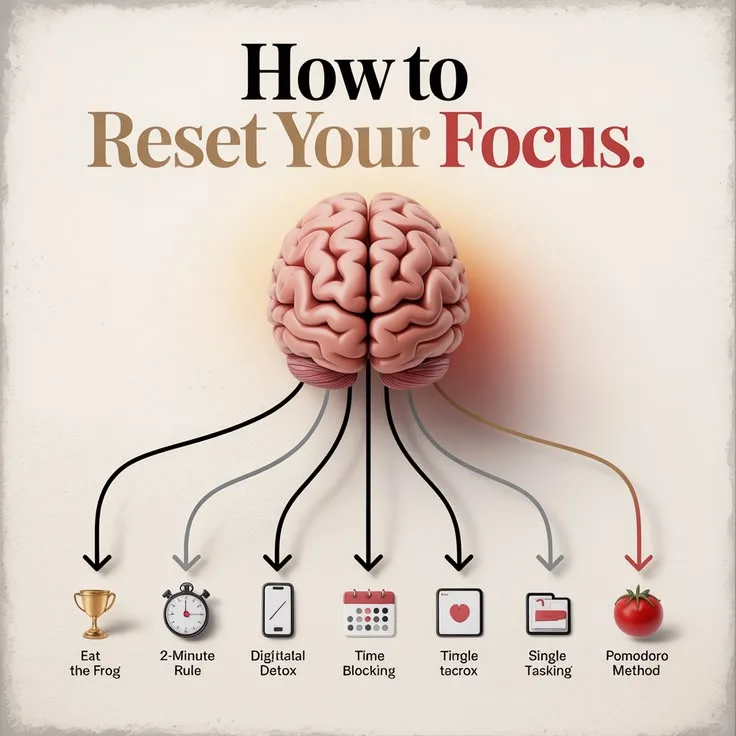
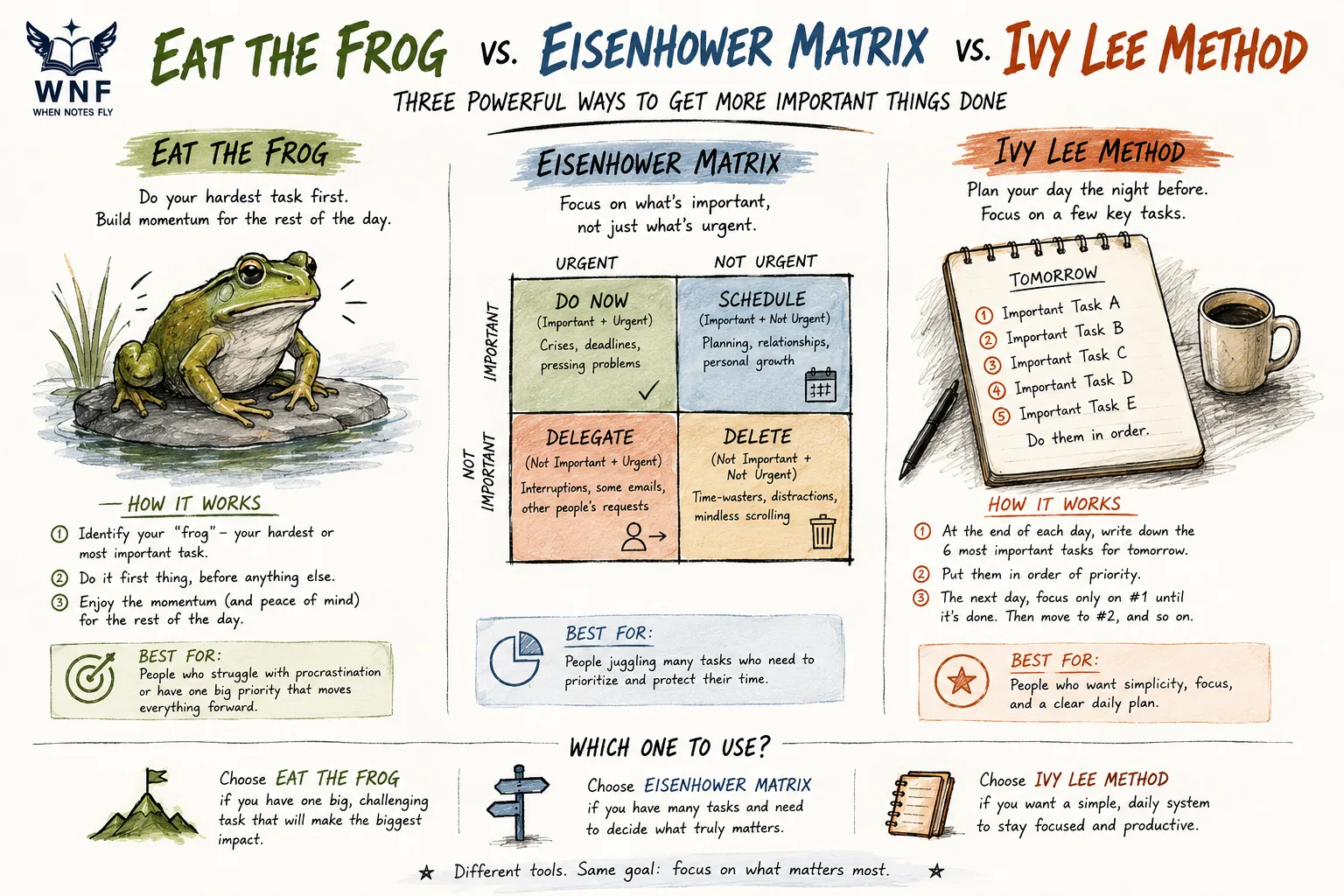
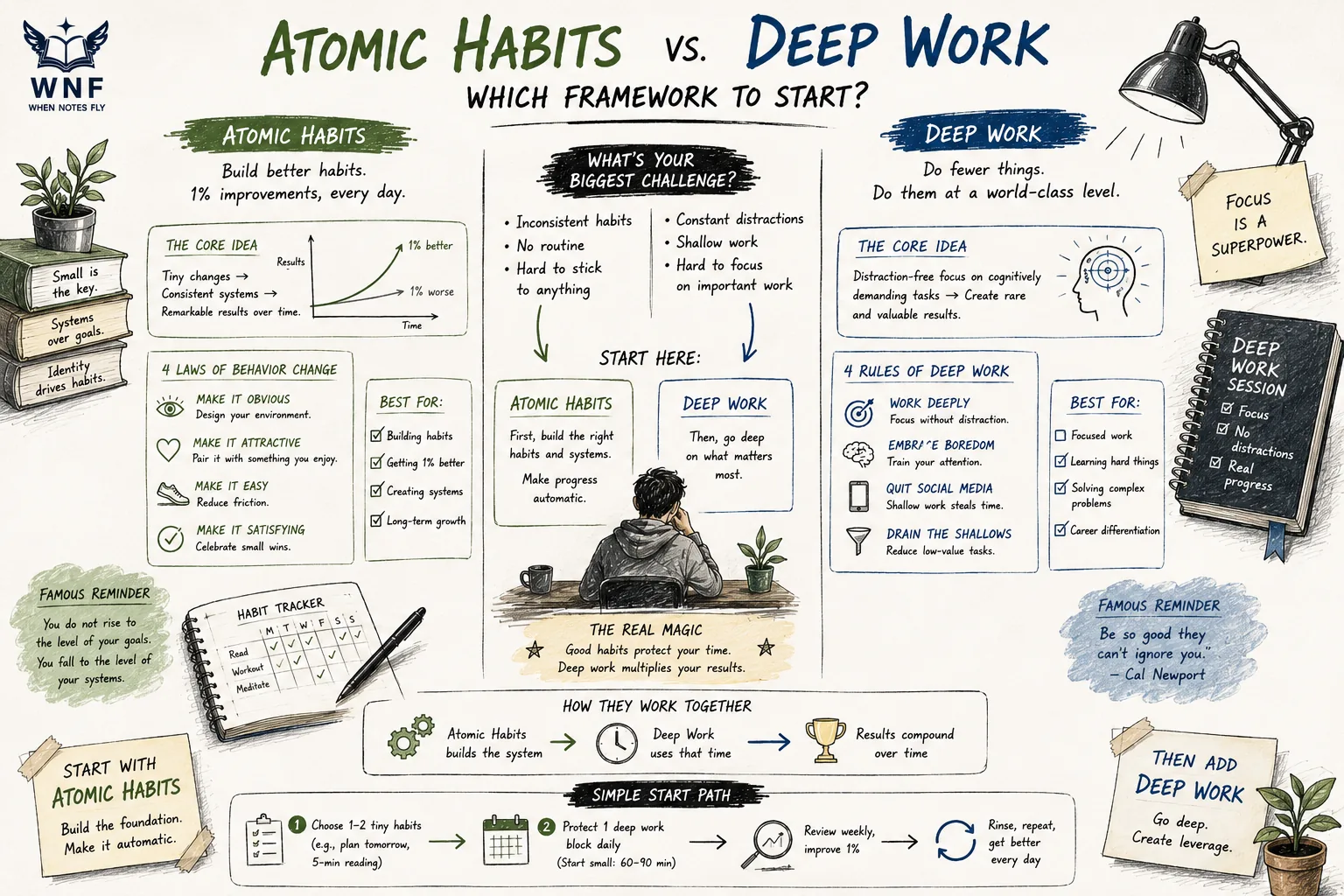
PRODUCTIVITY · DECISIONS · HABITS
Method finder
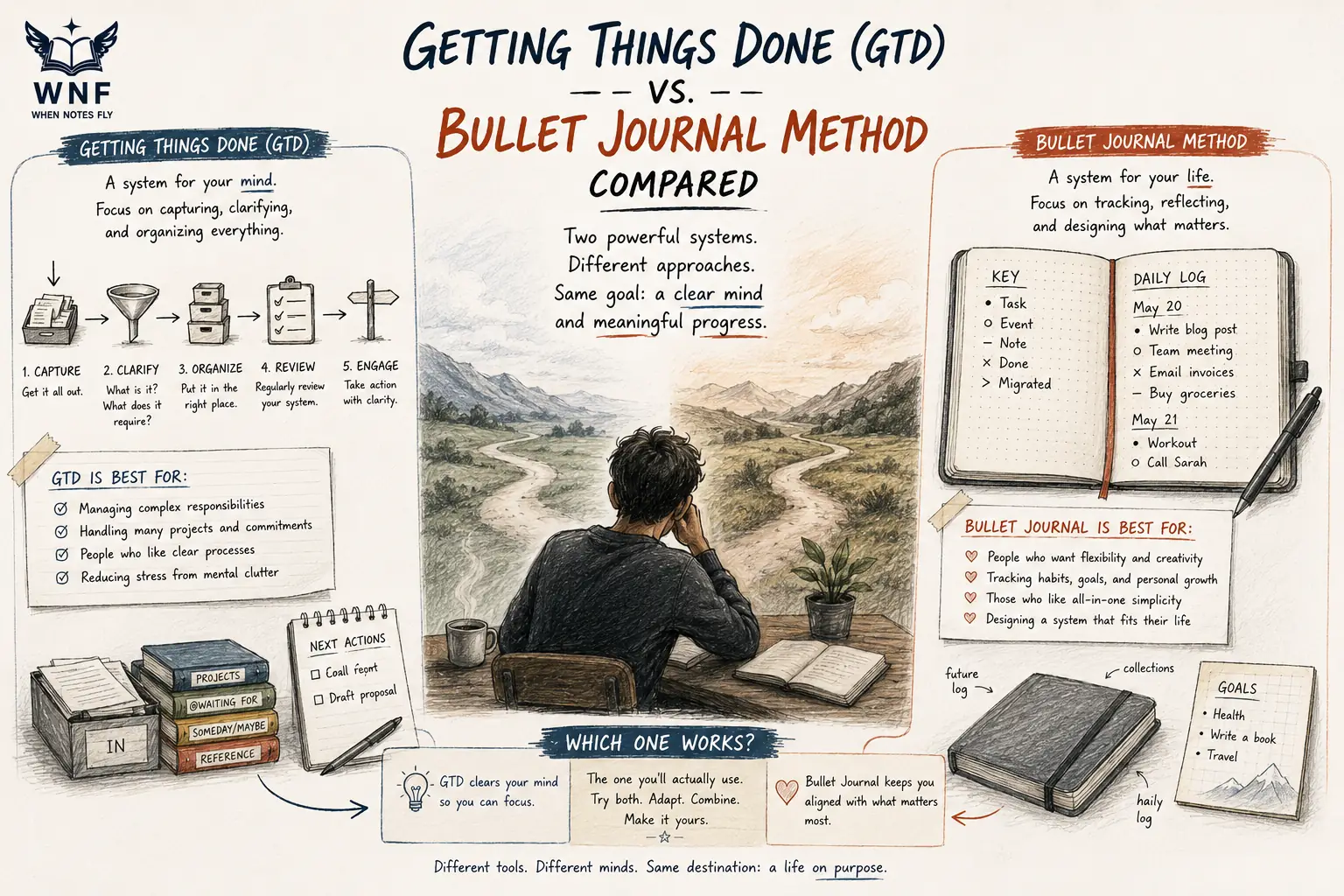
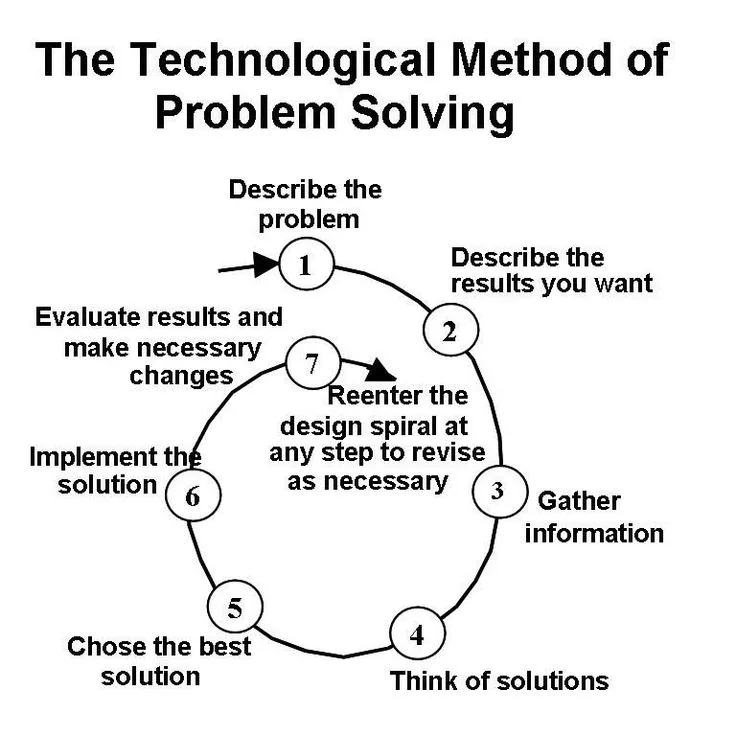
Every method we've compared, grouped by the job it does. Each one opens the guide that tests it against the alternatives, with the evidence.
Latest in Ideas
GUIDES · NEWEST FIRST