Search

Work & Skills

Master productivity, time management, and career development. Build skills for knowledge work, remote collaboration, and professional growth.

Essential Skills for Knowledge Work

Knowledge work requires skills that most people are never explicitly taught: deep focus, effective notetaking, clear writing, strategic reading, and continuous learning. These aren't innate talents—they're learnable skills that compound over time, separating exceptional practitioners from the merely competent.

This collection explores the core competencies of cognitive labor. From deliberate practice to spaced repetition, from active recall to writing as thinking—each article offers evidencebased strategies for working and learning more effectively. The goal is mastery through systematic skill development.

What you'll find: Researchbacked learning strategies, productivity techniques that actually work, guides to deep work and focus, writing and communication skills, reading and comprehension methods, and systems for professional growth.


Browse by Topic

All Articles

Why High Performers Leave Companies First
career-growth

Why High Performers Leave Companies First

The research-backed reasons your best people are quitting before the average ones. What actually drives high-performer attrition, what managers miss, and what the patterns look like six months before the exits.

April 15, 2026 14 min read
Things Recruiters Look For in the First 10 Seconds
career-growth

Things Recruiters Look For in the First 10 Seconds

Ladders eye-tracking research showed recruiters spend 7.4 seconds on an initial scan. What they actually fixate on, how ATS keyword matching works, red flags that trigger instant rejection, the LinkedIn first impression, and a practical checklist for passing both the algorithm and the human.

April 13, 2026 15 min read
Career Decision Making
career-growth

Career Decision Making

Career decisions have higher stakes, are often irreversible, have long horizons and uncertain outcomes. Use regret minimization and capital frameworks.

November 21, 2025 30 min read
Career Capital Explained
career-growth

Career Capital Explained

Career capital: rare, valuable skills creating options. Includes technical expertise, reputation, network, credentials. Build through deliberate practice.

November 21, 2025 27 min read
Career Tradeoffs Explained
career-growth

Career Tradeoffs Explained

Career tradeoffs: money vs learning in early career, specialization vs breadth for T-shaped skills, and stability vs growth opportunities in role selection.

November 20, 2025 19 min read
Career Strategy Explained
career-growth

Career Strategy Explained

Career strategy: choose goals deliberately, build valuable rare skills, navigate tradeoffs consciously, create options, and adapt as conditions change.

November 20, 2025 22 min read
Career Risk Management
career-growth

Career Risk Management

Career risks: skill obsolescence, company failure, industry decline, economic downturns. Manage through diversification, learning, financial buffers.

November 20, 2025 19 min read

Frequently Asked Questions

What is deep work?

Deep work is the ability to focus without distraction on cognitively demanding tasks. It produces highquality output, builds expertise faster, and is increasingly rare and valuable in a world full of shallow work and constant interruptions.

How can I improve my notetaking?

Effective notetaking involves capturing insights in your own words, organizing information hierarchically or associatively, linking related concepts, and regularly reviewing notes to strengthen retention. Use methods like the Zettelkasten system, Cornell notes, or progressive summarization to build a knowledge base that compounds over time.

What is the best way to learn a new skill?

Learn new skills through deliberate practice: break the skill into components, focus on weak points, seek immediate feedback, practice consistently, and gradually increase difficulty. Spaced repetition, active recall, and realworld application accelerate learning far more than passive reading or watching.

How can I write more effectively?

Write effectively by: 1) Thinking clearly before writing, 2) Structuring ideas logically, 3) Using simple, concrete language, 4) Editing ruthlessly to remove unnecessary words, and 5) Reading your work aloud to catch awkward phrasing. Good writing is clear thinking made visible.

What is the best reading strategy?

Read strategically by: previewing structure before diving in, varying reading speed based on density, actively questioning and connecting to prior knowledge, taking selective notes on key insights, and reviewing highlights later to strengthen retention. Most reading should be active, not passive.

How can I improve my focus?

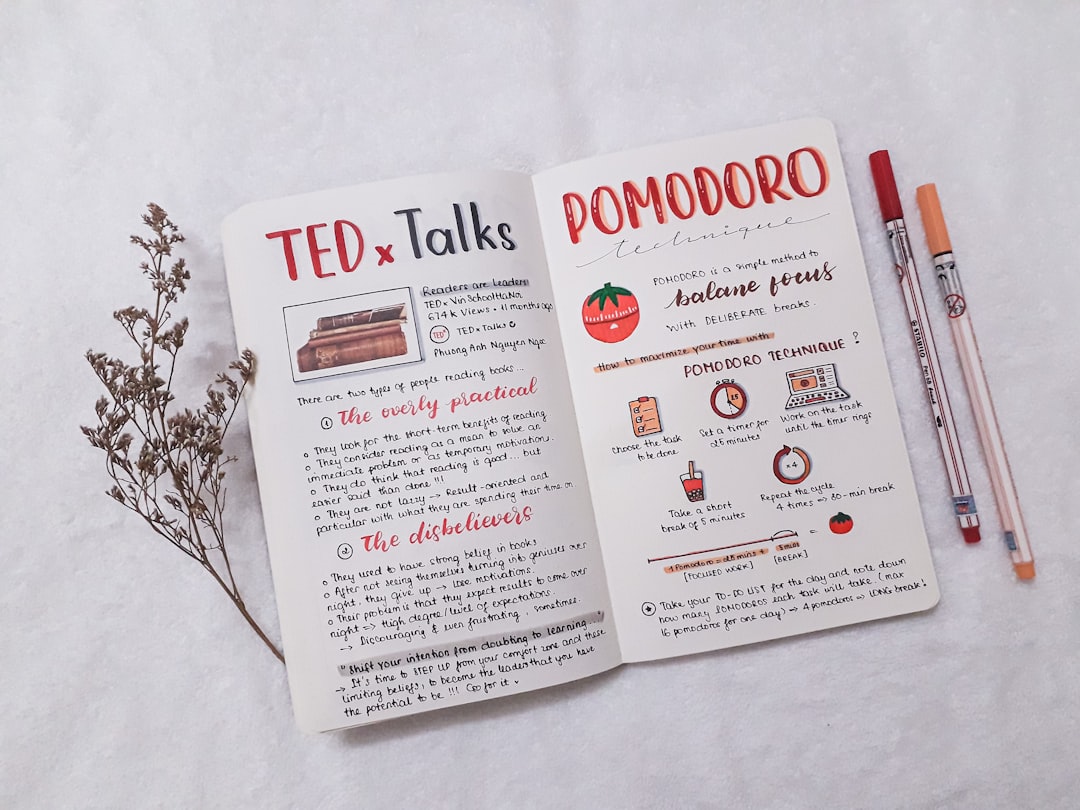
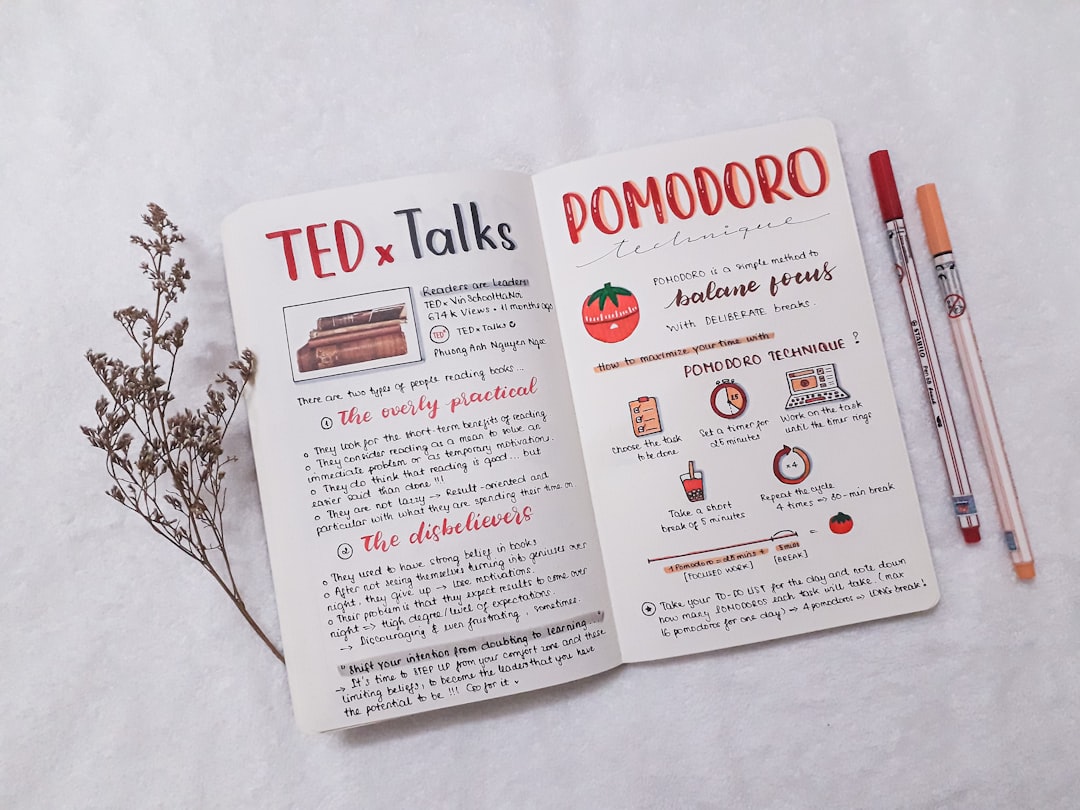
Improve focus by: eliminating digital distractions, using timeblocking or Pomodoro technique, building rituals that signal work mode, taking strategic breaks, managing energy through sleep and nutrition, and gradually extending concentration duration through practice. Attention is a skill you can train.

What are the best learning strategies?

The most effective learning strategies include spaced repetition (reviewing material at increasing intervals), active recall (testing yourself rather than rereading), interleaving (mixing practice of related skills), elaboration (explaining concepts in your own words), and concrete examples (applying abstract ideas to real situations).

Test Your Knowledge

Ready to apply what you've learned? Challenge yourself with interactive questions covering all work skills sub-topics. Choose between practice mode (10 questions with instant feedback) or test mode (20 questions with comprehensive results).