automation-nocode
Must-Have Free Tools for Every Content Creator in 2026
A comprehensive guide to free online tools for content creators: image editing, PDF management, video conversion, SEO analysis, and document...
Challenge yourself with interactive questions covering tech trends, software development, AI, cloud computing, and digital innovation. Choose between practice mode for instant feedback or test mode to simulate exam conditions.
Choose your preferred learning mode and start testing your knowledge. Each mode is designed to help you learn effectively.
Learn as you go with instant feedback after each question. See detailed explanations, understand your mistakes, and discover related articles to deepen your knowledge.
Simulate real exam conditions by answering all questions first. Review your complete performance at the end with comprehensive feedback and scoring breakdown.
Questions cover multiple difficulty levels and all key concepts. Your results help identify strengths and areas for improvement across different topics.
Get detailed performance analytics by subtopic, see your score breakdown, and receive personalized recommendations for further study based on your results.
Select how you want to test your knowledge
Get instant feedback after each question with detailed explanations and related resources. Perfect for learning and building understanding.
Answer all questions first, then see comprehensive results. Simulates real exam conditions for true assessment of your knowledge.
Continue learning with our latest articles
A comprehensive guide to free online tools for content creators: image editing, PDF management, video conversion, SEO analysis, and document...
Zoom vs Google Meet vs Microsoft Teams compared: pricing tables, participant limits, recording storage, AI meeting features (Zoom AI Companion,...

iPhone vs Android compared in 2026: ecosystem lock-in, privacy controls, camera performance, price ranges, software longevity, and the real cost of...

Proven useful AI applications 2026: Code assistants like GitHub Copilot for autocomplete and debugging, writing aids like Grammarly and ChatGPT.
The best Calendly alternatives in 2026: Cal.com, TidyCal, SavvyCal, Acuity Scheduling, YouCanBook.me, HubSpot Meetings, and more.
The best Airtable alternatives in 2026: Notion, Google Sheets, Coda, NocoDB, Baserow, Grist, Smartsheet, and more.
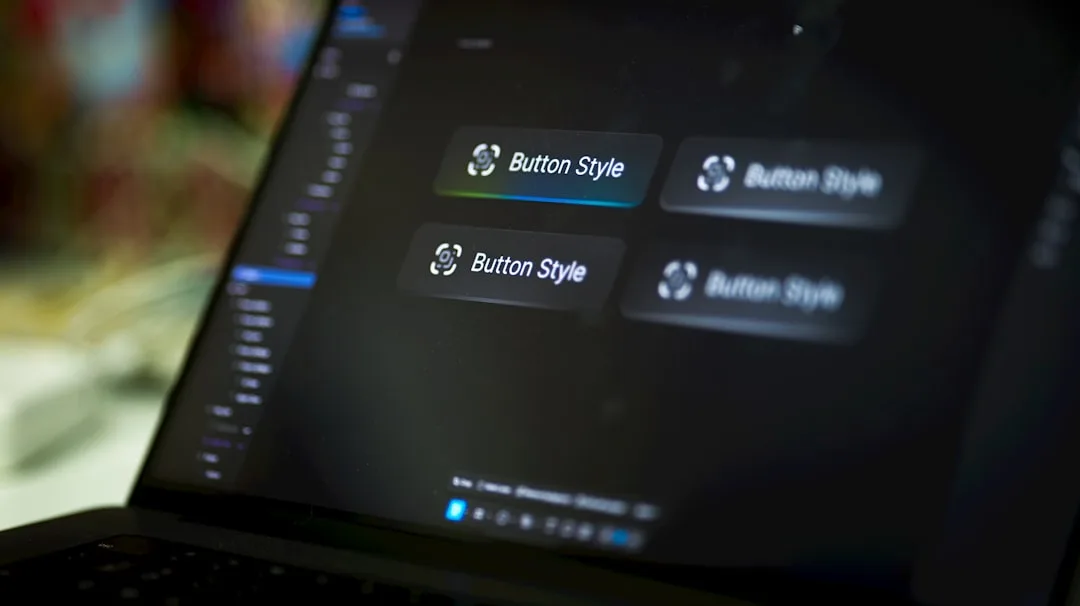
The best Zapier alternatives in 2026: Make, n8n, Pabbly Connect, Activepieces, Pipedream, Power Automate, and more.
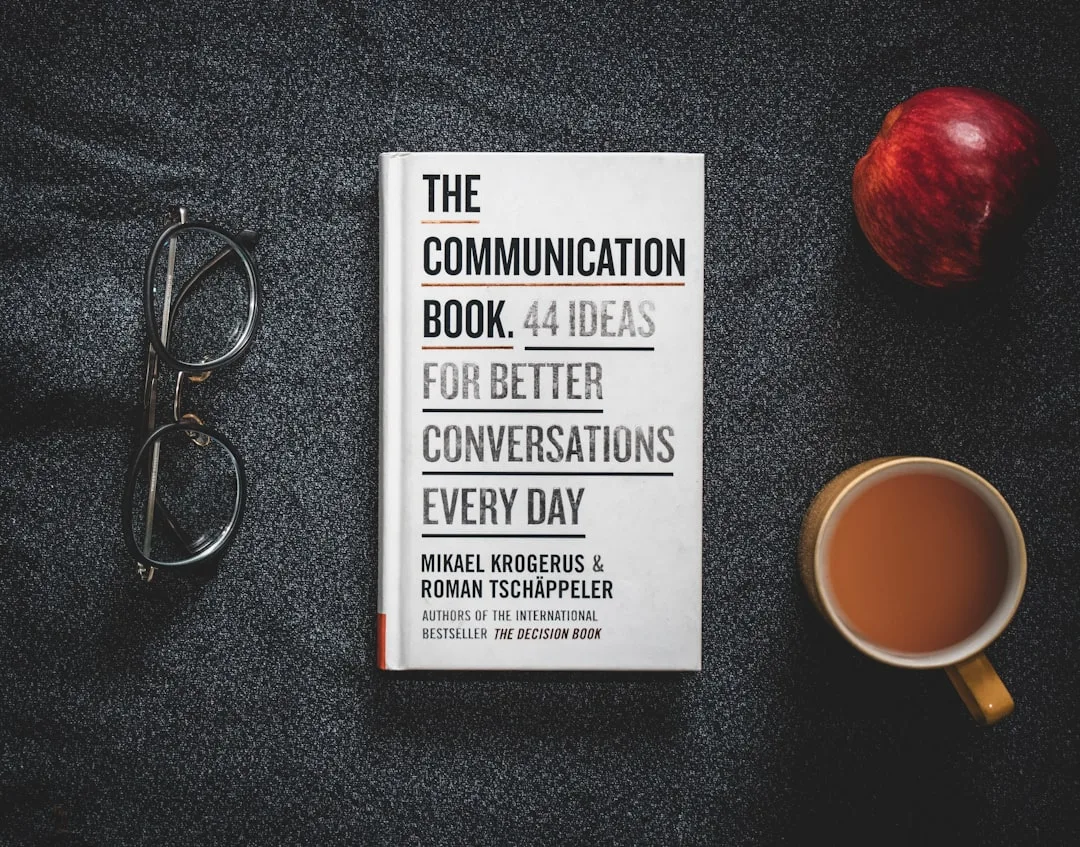
The best writing tools in 2026 compared: Notion, Obsidian, Grammarly, Hemingway Editor, Scrivener, iA Writer, Ulysses, Ghost, and more.
The best website builders in 2026: Squarespace, Wix, Webflow, WordPress, Framer, Ghost, Shopify, Carrd, and more.
The best video editing tools in 2026 compared: CapCut for social media, DaVinci Resolve for professionals, Premiere Pro for teams, and AI tools...
The best social media tools in 2026 compared: Buffer and Later for scheduling, Hootsuite and Sprout Social for enterprise teams, Canva and CapCut...
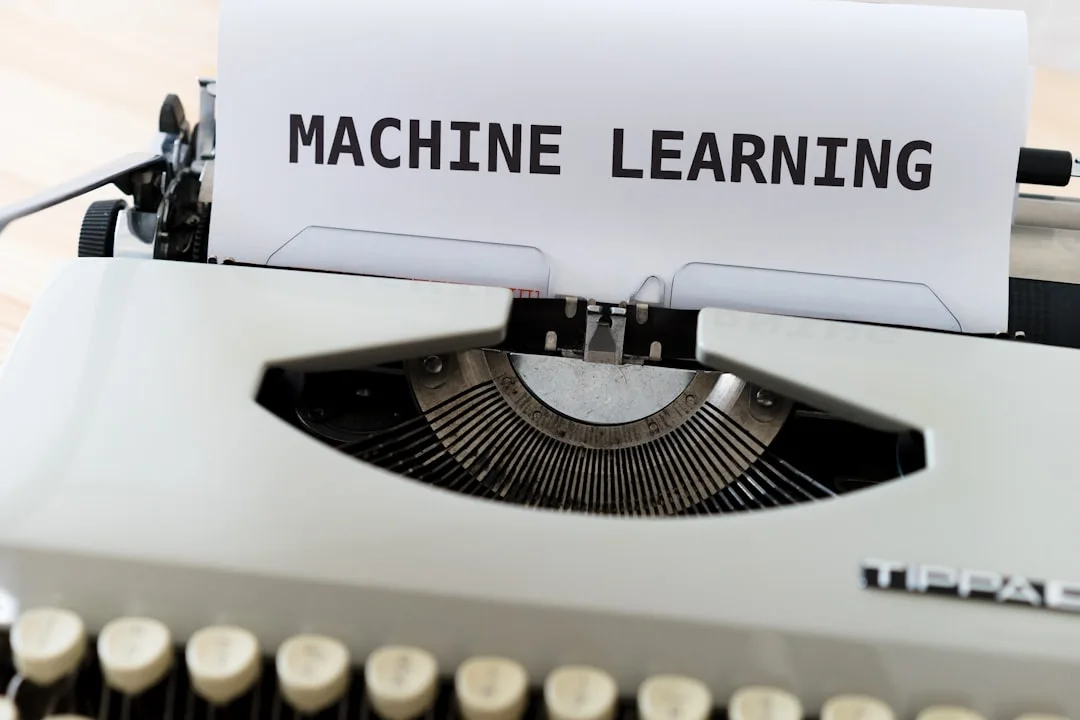
AI ethical concerns include bias in hiring and lending, privacy invasion, transparency issues, job displacement, power concentration, and...