
Programming & Development
Code Quality: What Makes Good Code?
High-quality code: works correctly passing tests and handling edge cases, readable with clear naming and structure, maintainable allowing easy...
Challenge yourself with 60 interactive questions on programming languages, software development, coding best practices, algorithms, data structures, and development methodologies. Choose between practice mode for instant feedback or test mode for comprehensive assessment.
Choose your preferred learning mode and start testing your programming & development knowledge. Each mode is designed to help you learn effectively.
Learn as you go with instant feedback after each question. See detailed explanations, understand your mistakes, and discover related articles to deepen your knowledge.
Simulate real exam conditions by answering all questions first. Review your complete performance at the end with comprehensive feedback and scoring breakdown.
Questions cover multiple difficulty levels and all key Programming & Development concepts. Your results help identify strengths and areas for improvement.
Get detailed performance analytics, see your score breakdown, and receive personalized recommendations for further study based on your results.
Select how you want to test your knowledge
Get instant feedback after each question with detailed explanations and related resources. Perfect for learning and building understanding.
Answer all questions first, then see comprehensive results. Simulates real exam conditions for true assessment of your knowledge.
Continue learning with our latest articles
High-quality code: works correctly passing tests and handling edge cases, readable with clear naming and structure, maintainable allowing easy...

Technical debt: shortcuts or suboptimal solutions making future development harder. Like financial debt, borrow time now, pay interest later.

Debugging techniques: reproduce consistently to isolate conditions, read error messages and stack traces, use systematic elimination.

Good API design: use resource-oriented URLs with nouns not verbs, apply HTTP methods properly like GET for read and POST for create, maintain...
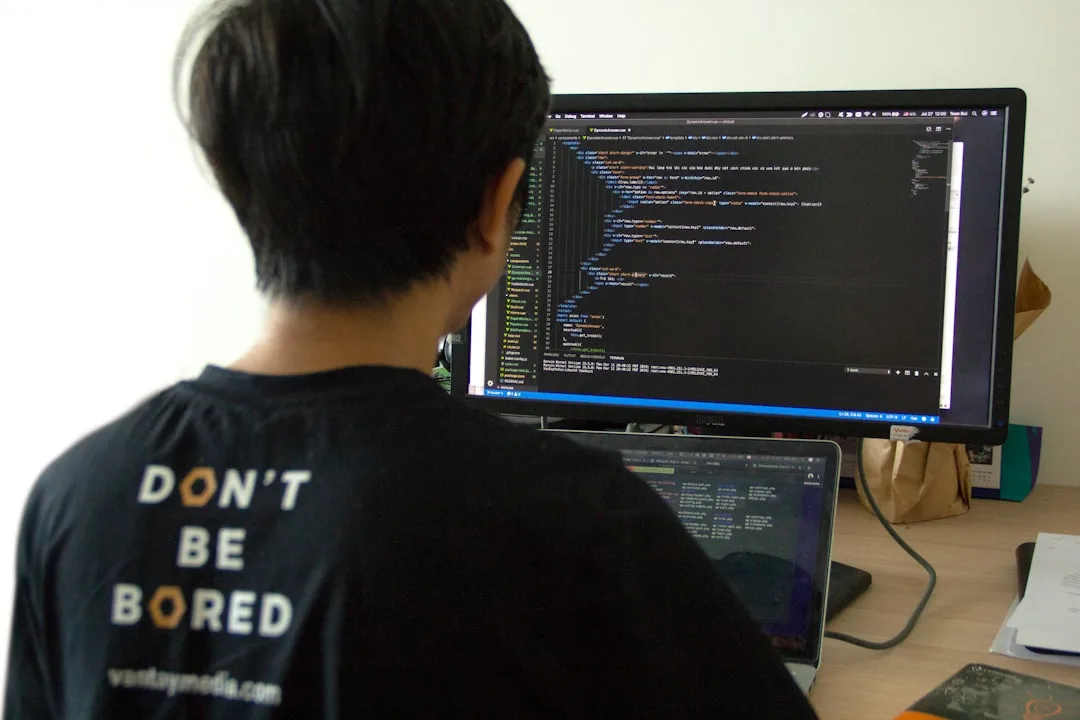
Software development stages: understand requirements and define problems, plan architecture and tech stack, develop and test, then deploy.
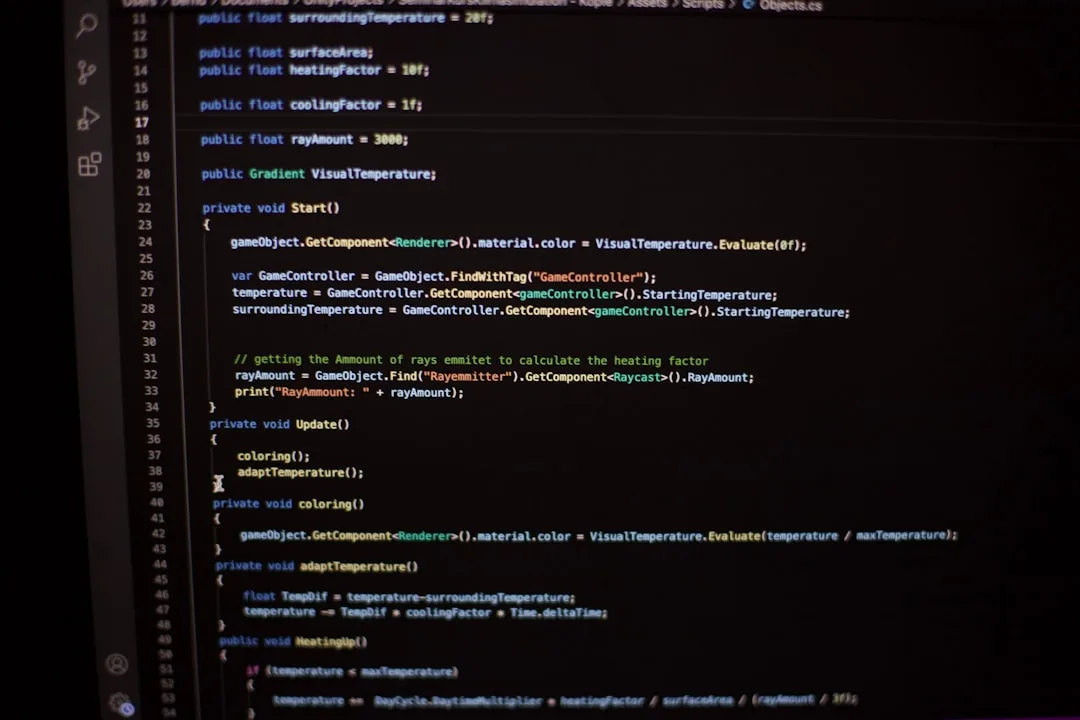
Agile workflow: Sprint planning decides 1-2 week work, daily standup syncs progress and blockers, development happens, code review ensures...

Developer productivity isn't lines of code, hours worked, or features shipped. Real metrics: value delivered, code quality, problem-solving speed,...
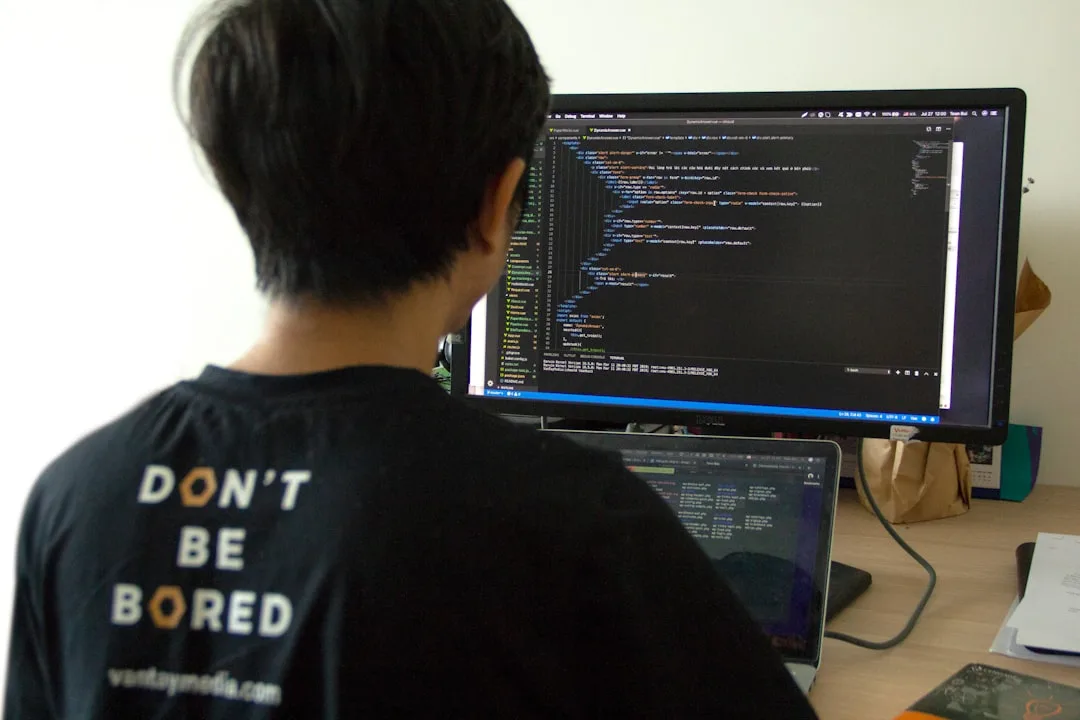
Software testing: unit tests check individual functions, integration tests verify components work together, end-to-end tests validate workflows.

Software architecture: high-level system structure showing how components organized, communicate, and divide responsibilities.
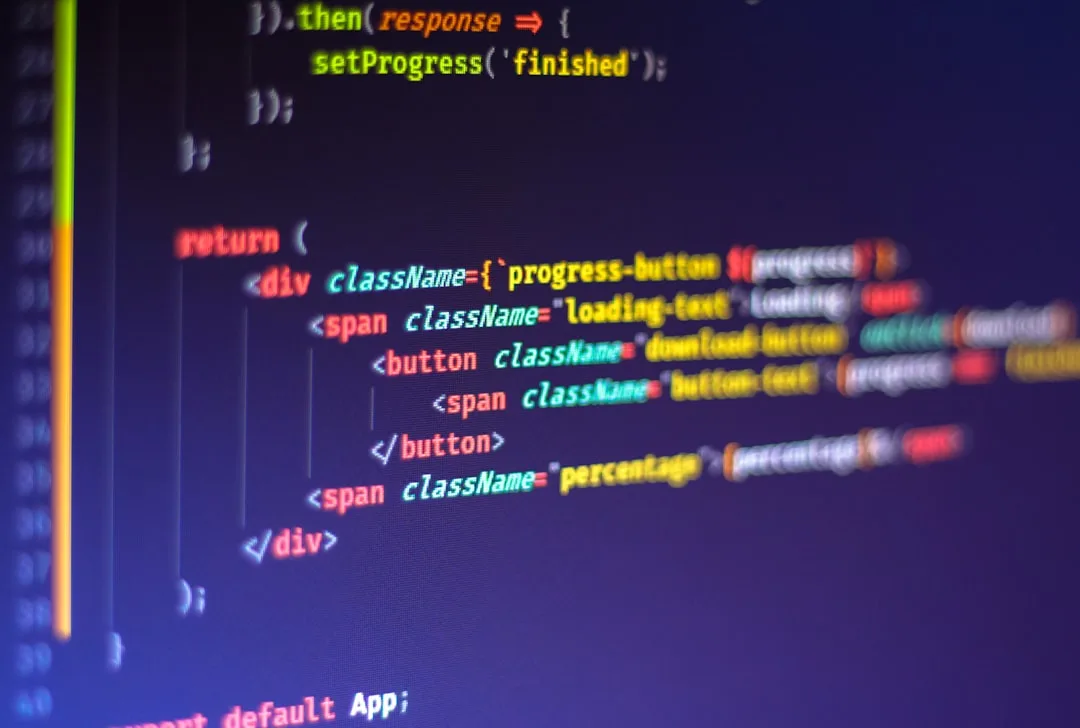
Programming fundamentals universal across languages: Variables for named storage, data types like integers and strings, control flow, functions,...

Technical debt is the cost of choosing fast solutions over correct ones in software development.
What is object-oriented programming? A clear explanation of classes, objects, and the four pillars: encapsulation, inheritance, polymorphism, and...