
Data Analytics & Insights
Causation vs Correlation: Key Distinctions
Correlation means variables change together with predictable patterns. Causation means one variable directly causes changes in another variable.
Challenge yourself with 60 interactive questions on data analysis, data visualization, business intelligence, statistical analysis, predictive analytics, and data-driven decision making. Choose between practice mode for instant feedback or test mode for comprehensive assessment.
Choose your preferred learning mode and start testing your data analytics & insights knowledge. Each mode is designed to help you learn effectively.
Learn as you go with instant feedback after each question. See detailed explanations, understand your mistakes, and discover related articles to deepen your knowledge.
Simulate real exam conditions by answering all questions first. Review your complete performance at the end with comprehensive feedback and scoring breakdown.
Questions cover multiple difficulty levels and all key Data Analytics & Insights concepts. Your results help identify strengths and areas for improvement.
Get detailed performance analytics, see your score breakdown, and receive personalized recommendations for further study based on your results.
Select how you want to test your knowledge
Get instant feedback after each question with detailed explanations and related resources. Perfect for learning and building understanding.
Answer all questions first, then see comprehensive results. Simulates real exam conditions for true assessment of your knowledge.
Continue learning with our latest articles
Correlation means variables change together with predictable patterns. Causation means one variable directly causes changes in another variable.
Common analytics mistakes: confusing correlation with causation, using small or biased samples, ignoring confounding variables, and cherry-picking...

Dirty data silently breaks dashboards, ML models, and million-dollar decisions. See the 10 quality problems that cause it and how to catch them early.
Data beats intuition, except when it quietly leads you off a cliff. See the 8 pitfalls that make data-driven decisions backfire and how the best...
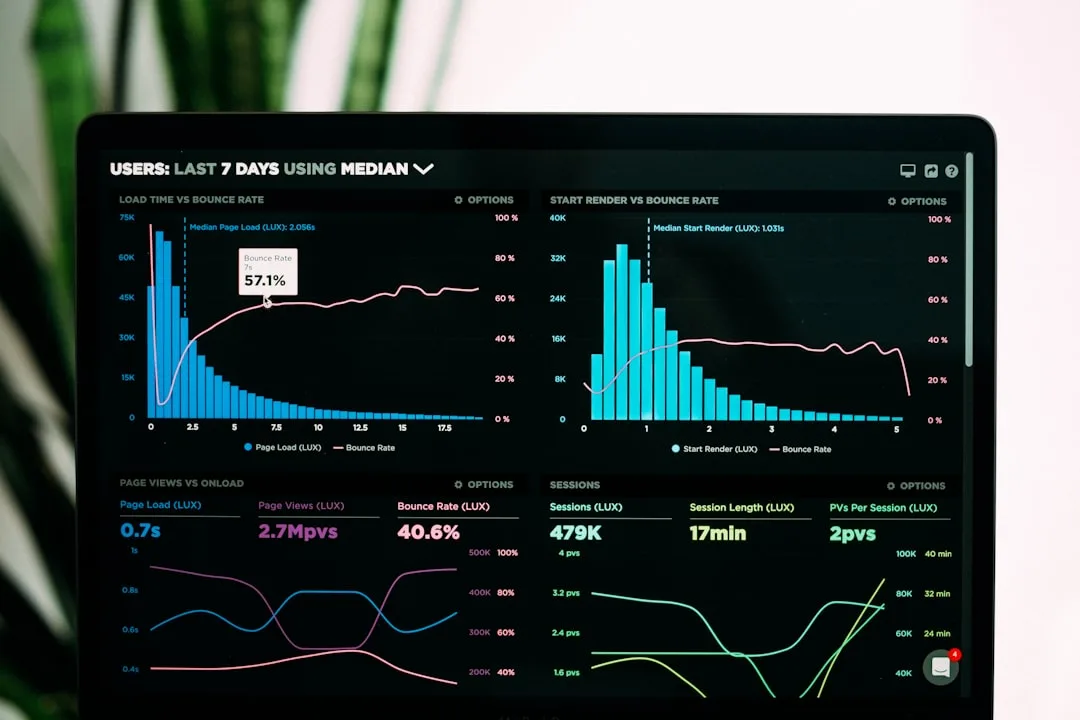
Effective dashboards answer specific questions with purpose-driven data. They enable clear decisions, show relevant metrics, and update in real time.
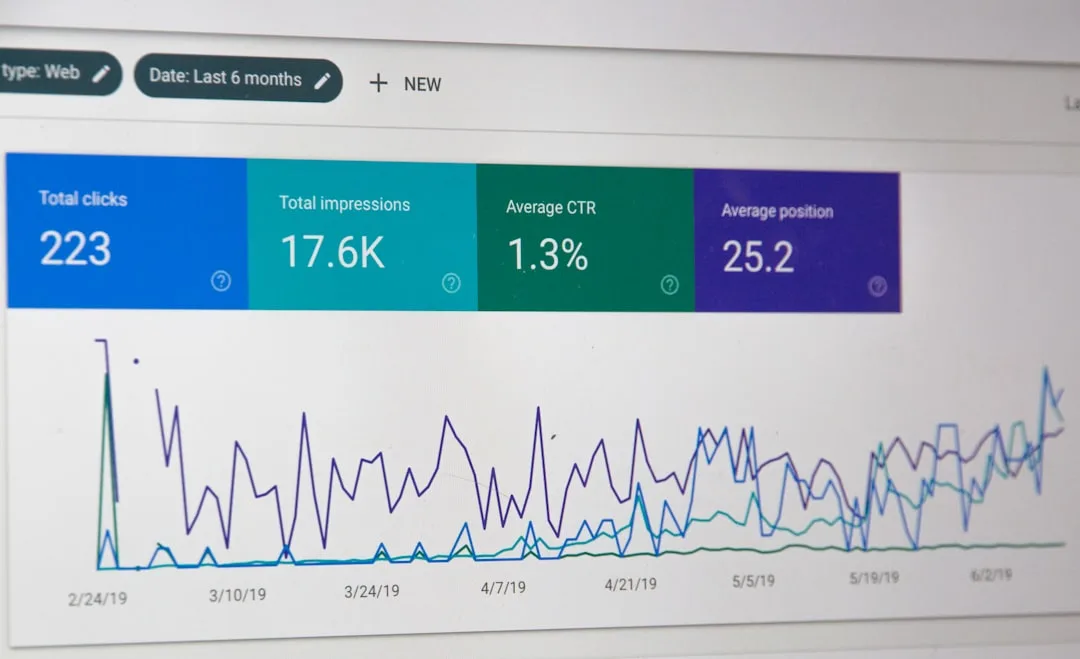
Analytics analyzes existing data to answer business questions about what happened and why. Data science builds predictive models and discovers new...

Data pipelines automate moving data from sources through transformation to destination. Components include sources, processing, storage, and...
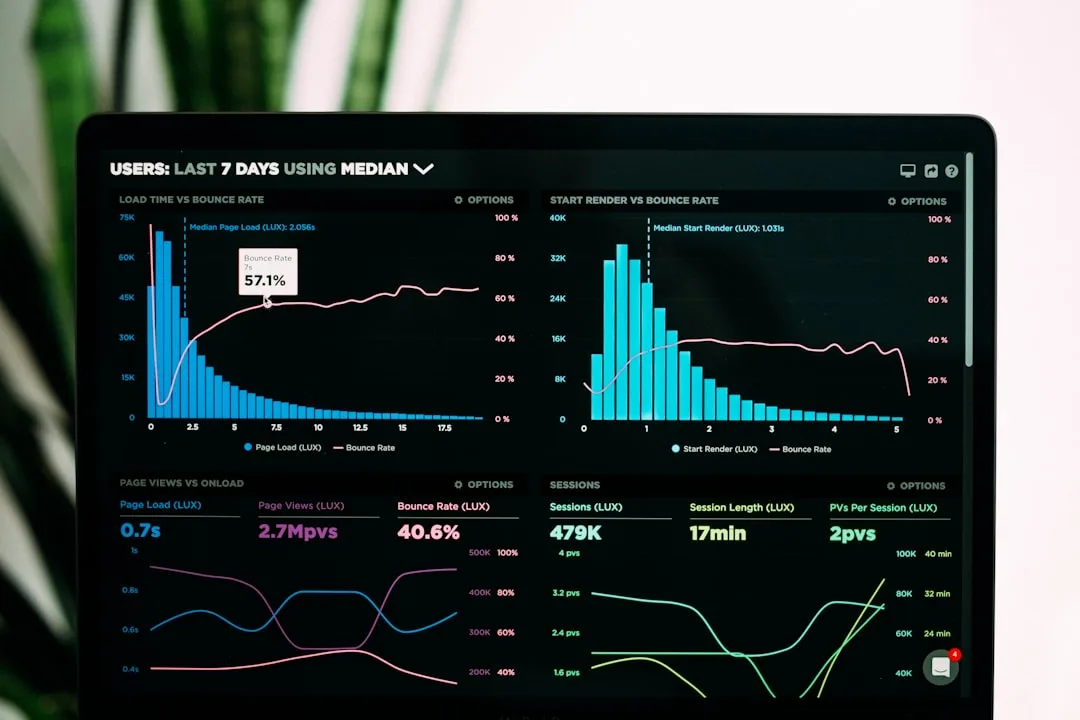
Data visualization: choose appropriate charts like bars for comparisons and lines for trends, match chart type to data, simplify to highlight...
Correct data interpretation: understand context, check sample size sufficiency, look for confounding variables, and verify assumptions before...
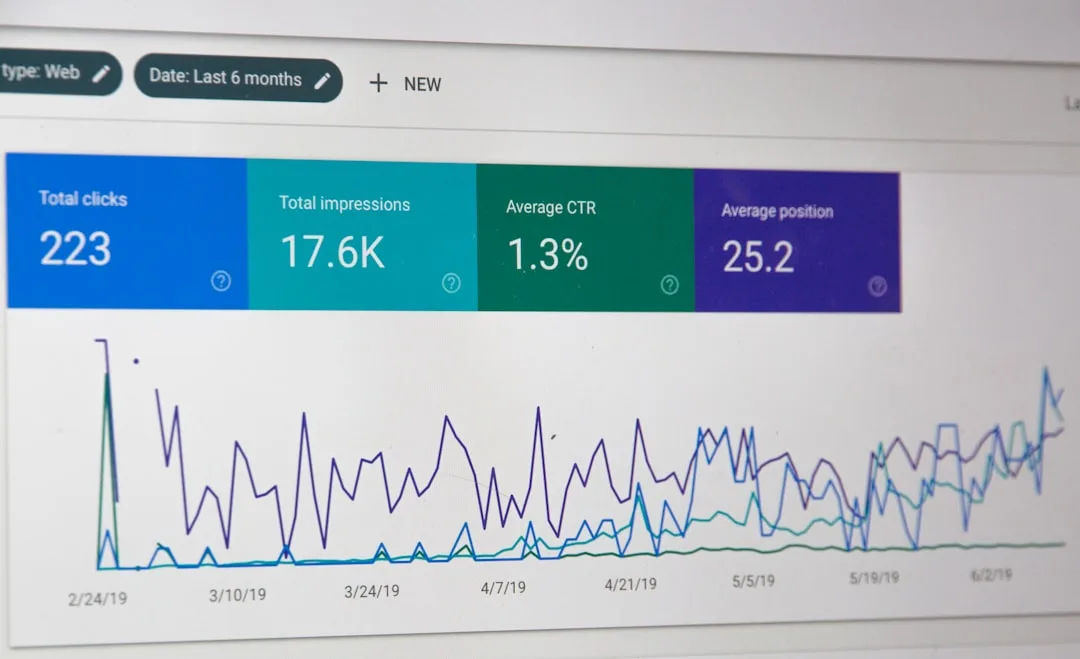
Data analytics is the process of examining datasets to draw conclusions, identify patterns, and support better decision-making across organizations.
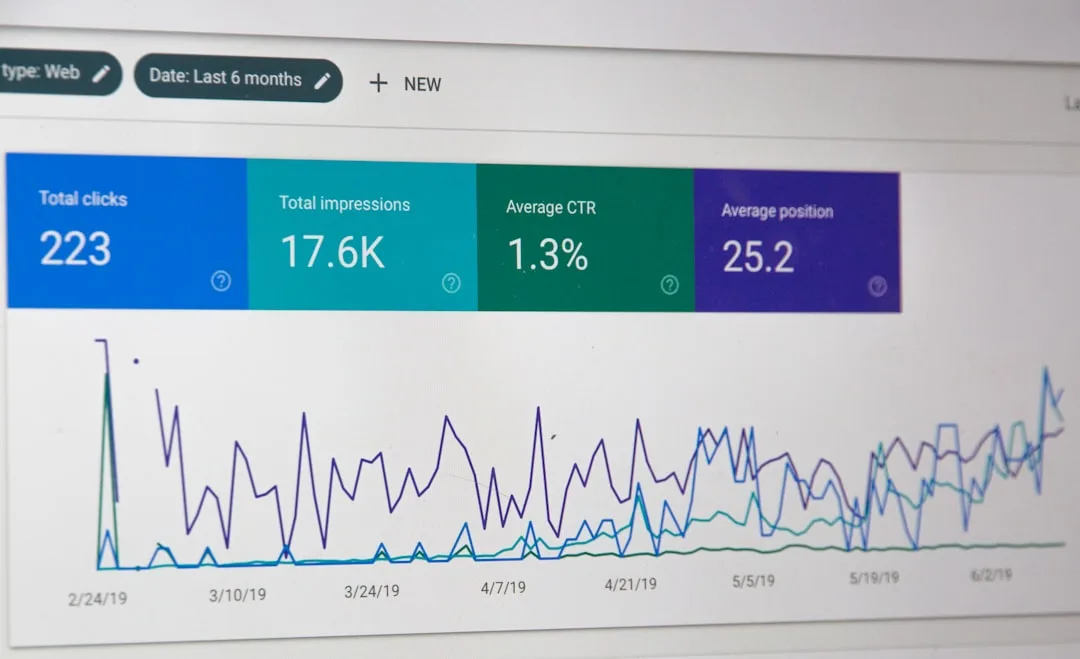
A KPI (Key Performance Indicator) is a measurable value that shows how effectively an organization is achieving its most important goals.
Data privacy is not just a preference — it is a power issue. Learn what companies collect, how GDPR and CCPA differ, what data brokers do, how...