Mobile App Technology
App Store Optimization: Strategies for Success
App Store Optimization improves app store rankings and download conversion. Optimize title, keywords, description, icon, screenshots for discovery.
Challenge yourself with 60 interactive questions on mobile app development, iOS and Android platforms, cross-platform frameworks, mobile UI/UX, and app deployment. Choose between practice mode for instant feedback or test mode for comprehensive assessment.
Choose your preferred learning mode and start testing your mobile app technology knowledge. Each mode is designed to help you learn effectively.
Learn as you go with instant feedback after each question. See detailed explanations, understand your mistakes, and discover related articles to deepen your knowledge.
Simulate real exam conditions by answering all questions first. Review your complete performance at the end with comprehensive feedback and scoring breakdown.
Questions cover multiple difficulty levels and all key Mobile App Technology concepts. Your results help identify strengths and areas for improvement.
Get detailed performance analytics, see your score breakdown, and receive personalized recommendations for further study based on your results.
Select how you want to test your knowledge
Get instant feedback after each question with detailed explanations and related resources. Perfect for learning and building understanding.
Answer all questions first, then see comprehensive results. Simulates real exam conditions for true assessment of your knowledge.
Continue learning with our latest articles
App Store Optimization improves app store rankings and download conversion. Optimize title, keywords, description, icon, screenshots for discovery.

App monetization models: Freemium with premium features, subscription for recurring revenue, in-app purchases, ads, or one-time paid downloads.

Native apps offer maximum performance with separate code per platform. Cross-platform uses one codebase but may sacrifice some performance.

Mobile app development: Native apps separate for iOS and Android offer maximum performance, cross-platform uses one codebase, hybrid wraps web apps.

Mobile analytics track user behavior, screen flows, session length, retention rates, and conversion funnels. Firebase, Amplitude, Mixpanel are tools.
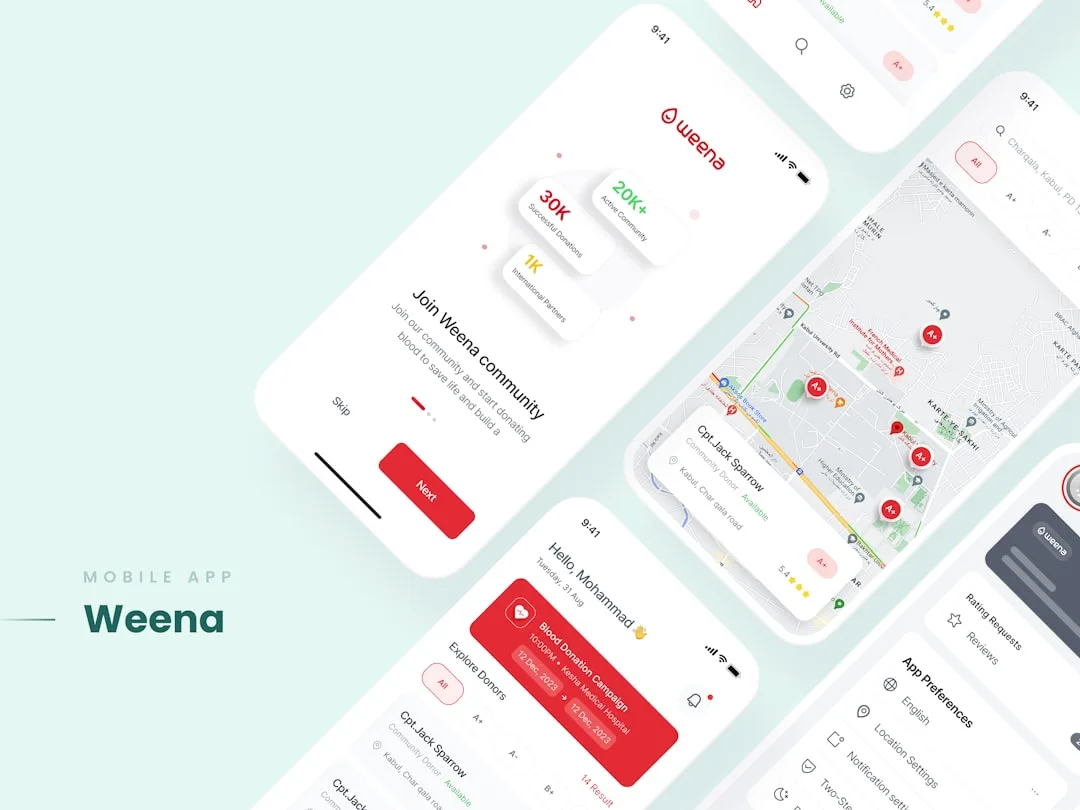
Mobile UX principles: thumb-friendly zones with key actions in bottom 60 percent, large touch targets minimum 44x44 pixels, and minimal input...

Mobile technology trends 2026: 5G widespread enabling cloud gaming and real-time AR, AI integration in apps, foldable screens maturing.

Mobile security threats: data leakage from insecure storage, weak authentication enabling hijacking, malicious apps, and network interception attacks.

Mobile performance optimization: fast launch under 2 seconds, smooth 60 FPS scrolling, efficient memory use, and optimized battery consumption.

Offline-first design: apps function fully without internet by treating connectivity as enhancement. Store data locally and sync when connected.

Responsive design makes websites work on any screen size. Learn about Ethan Marcotte's 2010 concept, fluid grids, media queries, CSS breakpoints,...

Mobile-first design means building for small screens before large ones. Learn the principles, history, and why it drives better products and SEO...