Language & Communication Culture
How Language Shapes Thought
Language influences how you categorize, remember, and perceive reality. Gendered languages affect gender perceptions. Linguistic relativity is real.
Challenge yourself with 60 interactive questions on linguistic patterns, communication norms, language evolution, cultural expressions, rhetoric, and the intersection of language with culture. Choose between practice mode for instant feedback or test mode for comprehensive assessment.
Choose your preferred learning mode and start testing your language and communication culture knowledge. Each mode is designed to help you learn effectively.
Learn as you go with instant feedback after each question. See detailed explanations, understand your mistakes, and discover related articles to deepen your knowledge.
Simulate real exam conditions by answering all questions first. Review your complete performance at the end with comprehensive feedback and scoring breakdown.
Questions cover multiple difficulty levels and all key language and communication culture concepts. Your results help identify strengths and areas for improvement.
Get detailed performance analytics, see your score breakdown, and receive personalized recommendations for further study based on your results.
Select how you want to test your knowledge
Get instant feedback after each question with detailed explanations and related resources. Perfect for learning and building understanding.
Answer all questions first, then see comprehensive results. Simulates real exam conditions for true assessment of your knowledge.
Continue learning with our latest articles
Language influences how you categorize, remember, and perceive reality. Gendered languages affect gender perceptions. Linguistic relativity is real.
Volume norms, turn-taking rules, directness levels, and interruption patterns vary by culture, creating communication friction and misunderstanding.
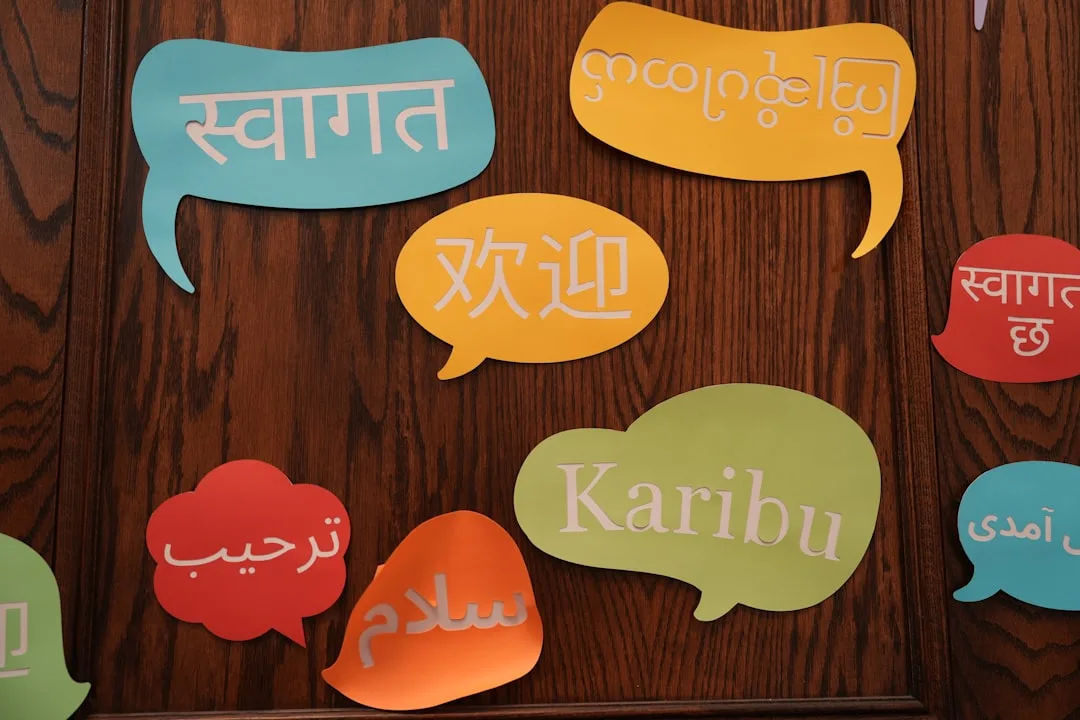
Language legitimizes authority through official terminology, expert jargon, and institutional vocabulary. Who controls discourse controls perception.
Vocabulary expands with technology and culture. Grammar simplifies over time. New words emerge; old words shift meaning. Language adapts constantly.
Climate change sounds neutral; climate crisis implies urgency. Death tax versus estate tax. Framing shapes perception without changing facts.
Metaphors frame issues. Repetition increases belief. Emotional language bypasses logic. Simple words feel true.
Same words, different frames. Cultural context varies. Assumptions differ. Emotional state affects interpretation. Ambiguity enables misunderstanding.
Strong version: language determines thoughtdebunked. Weak version: language influences thoughtsupported.
Amelioration improves meaning. Pejoration worsens itsilly once meant blessed. Semantic broadening expands usage.
Ethos is credibility. Pathos is emotion. Logos is logic and rational argument. All three persuade differently and work together in effective rhetoric.

Philosophy of language investigates what words mean, how sentences refer to the world, and what we do when we speak. From Frege's sense-reference distinction and Russell's theory of descriptions to Kripke's rigid designators and Grice's conversational implicature, this guide covers the field's central questions and debates.

Why do languages die? The science of language extinction, colonialism, economic pressure, Papua New Guinea's diversity, Hebrew revitalization, and...