Ethics, Values & Society Culture
Understanding the Social Contract: Foundations of Authority
The social contract explained: from Hobbes, Locke, and Rousseau to Rawls, Nozick, and feminist critiques — why political authority needs...
Challenge yourself with 60 interactive questions on ethics, moral frameworks, societal values, cultural norms, social responsibility, and the philosophical foundations of ethical decision-making. Choose between practice mode for instant feedback or test mode for comprehensive assessment.
Choose your preferred learning mode and start testing your ethics, values, and society culture knowledge. Each mode is designed to help you learn effectively.
Learn as you go with instant feedback after each question. See detailed explanations, understand your mistakes, and discover related articles to deepen your knowledge.
Simulate real exam conditions by answering all questions first. Review your complete performance at the end with comprehensive feedback and scoring breakdown.
Questions cover multiple difficulty levels and all key ethics and values concepts. Your results help identify strengths and areas for improvement.
Get detailed performance analytics, see your score breakdown, and receive personalized recommendations for further study based on your results.
Select how you want to test your knowledge
Get instant feedback after each question with detailed explanations and related resources. Perfect for learning and building understanding.
Answer all questions first, then see comprehensive results. Simulates real exam conditions for true assessment of your knowledge.
Continue learning with our latest articles
The social contract explained: from Hobbes, Locke, and Rousseau to Rawls, Nozick, and feminist critiques — why political authority needs...

Actions are judged by outcomes, not intentions or rules. Utilitarianism maximizes overall good. Ends can justify means if results are better.
Justice ethics emphasizes rules, fairness, and universal principles. Care ethics prioritizes relationships, context, and responsibilities to...
Focus on character, not rules or outcomes. Cultivate virtues like courage, honesty, and compassion. Ask what would a virtuous person do?
Trolley problem: kill one to save five. No good options exist. Moral dilemmas force choosing between conflicting values with unavoidable harm.
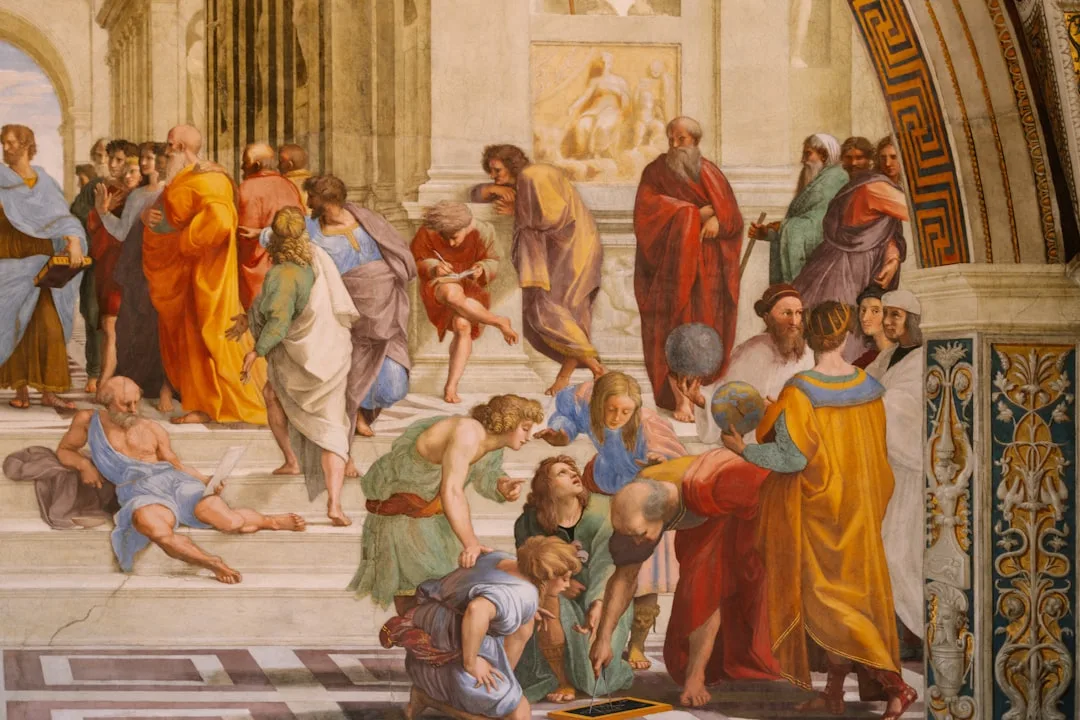
Some actions are inherently right or wrong regardless of consequences. Act only on principles you'd want universal. Duties and rules matter most.

Intuitions come firstgut reactions precede logical justification. Reasoning often rationalizes feelings rather than generating moral conclusions.

Outcomes affect moral judgment even when control was equal. Drunk driver hitting someone judged harsher than arriving safe despite identical...
Values are core principles guiding choices like honesty, family, or achievement. Not preferences like pizza, but priorities about what matters...
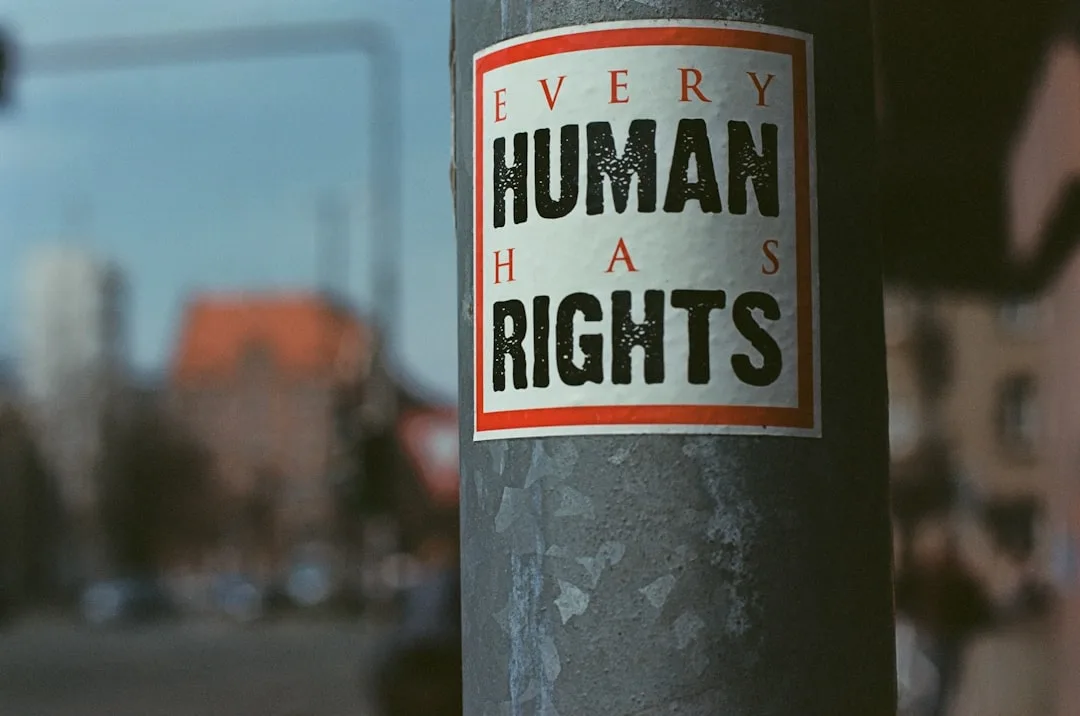
Relativism says ethics vary by culture and context. Universalism claims some moral truths apply everywhere. Both have strengths and serious problems.
Moral progress means expanding ethical consideration and reducing suffering over time. Challenges include defining progress and handling cultural...
Why do we work, and can work be meaningful? From Frederick Taylor's stopwatch to David Graeber's bullshit jobs, explore the history, psychology,...