
Internet & Digital Culture
How Internet Culture Forms
Internet culture forms through shared viral experiences, platform features like Twitter brevity, inside jokes, and memes as cultural currency.
Challenge yourself with 60 interactive questions on internet culture, online communities, memes, digital trends, social media dynamics, and the evolving landscape of digital communication. Choose between practice mode for instant feedback or test mode for comprehensive assessment.
Choose your preferred learning mode and start testing your internet and digital culture knowledge. Each mode is designed to help you learn effectively.
Learn as you go with instant feedback after each question. See detailed explanations, understand your mistakes, and discover related articles to deepen your knowledge.
Simulate real exam conditions by answering all questions first. Review your complete performance at the end with comprehensive feedback and scoring breakdown.
Questions cover multiple difficulty levels and all key internet and digital culture concepts. Your results help identify strengths and areas for improvement.
Get detailed performance analytics, see your score breakdown, and receive personalized recommendations for further study based on your results.
Select how you want to test your knowledge
Get instant feedback after each question with detailed explanations and related resources. Perfect for learning and building understanding.
Answer all questions first, then see comprehensive results. Simulates real exam conditions for true assessment of your knowledge.
Continue learning with our latest articles
Internet culture forms through shared viral experiences, platform features like Twitter brevity, inside jokes, and memes as cultural currency.

Public callouts demand accountability and amplify outrage. It can correct harmful behavior but also creates mob justice and chilling effects on...

Outrage drives engagement. Simplicity beats nuance. Novelty captures attention. Algorithms reward emotional content over thoughtful analysis.

Virality ingredients: emotional triggers like awe, anger, or humor; simple shareable message; timely relevance; and social proof from early...

Internet subcultures: niche groups with shared interests, distinct norms, and specialized language. Examples include crypto, gaming, fandoms, fitness.

Online groups form tribes with shared identity, distinct language, clear boundaries, and strong loyalty.

Online identities balance authenticity with curation. Anonymity versus visibility creates tension between self-expression and social consequences.

Online behavior is more extreme, disinhibited, and performative. Audience awareness shapes behavior differently than face-to-face interaction does.
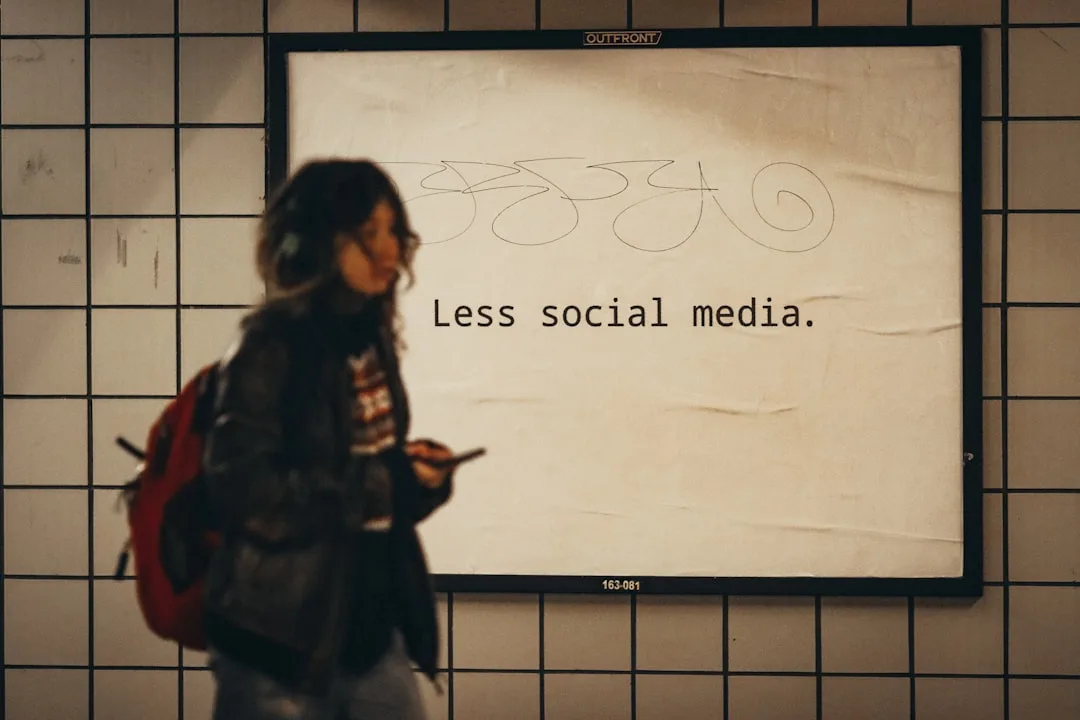
Memes spread ideas through imitation and variation. They serve as social commentary, political messages, and shared cultural references binding...

Platform norms emerge from design: Twitter favors brevity and snark, Reddit encourages anonymity and longform, LinkedIn promotes professional polish.
The science of misinformation explains why false information spreads faster than true news, how the illusory truth effect works, and what...
Why does political polarization keep growing? The science of affective polarization, filter bubbles, social identity, and what evidence shows can...