Global & Cross-Cultural
What Was the Silk Road? Trade Routes and Cultural Exchange
The Silk Road was not a single road but a network of routes connecting East Asia to Europe for over a millennium.
Challenge yourself with 60 interactive questions on global perspectives, cross-cultural communication, cultural intelligence, international norms, and navigating diverse cultural contexts. Choose between practice mode for instant feedback or test mode for comprehensive assessment.
Choose your preferred learning mode and start testing your global and cross-cultural knowledge. Each mode is designed to help you learn effectively.
Learn as you go with instant feedback after each question. See detailed explanations, understand your mistakes, and discover related articles to deepen your knowledge.
Simulate real exam conditions by answering all questions first. Review your complete performance at the end with comprehensive feedback and scoring breakdown.
Questions cover multiple difficulty levels and all key global and cross-cultural concepts. Your results help identify strengths and areas for improvement.
Get detailed performance analytics, see your score breakdown, and receive personalized recommendations for further study based on your results.
Select how you want to test your knowledge
Get instant feedback after each question with detailed explanations and related resources. Perfect for learning and building understanding.
Answer all questions first, then see comprehensive results. Simulates real exam conditions for true assessment of your knowledge.
Continue learning with our latest articles
The Silk Road was not a single road but a network of routes connecting East Asia to Europe for over a millennium.
The Renaissance was a European cultural and intellectual movement, roughly 1300-1600, that rediscovered classical antiquity and reimagined the...
The Protestant Reformation began in 1517 when Martin Luther challenged the Church's sale of indulgences.
The Ottoman Empire ruled from 1299 to 1922, encompassing three continents at its height. Explore its origins, the devshirme system, the millet...
The Byzantine Empire was the Eastern Roman Empire, surviving Rome's fall by a thousand years until 1453.
Feudalism shaped medieval Europe for centuries, organizing land, labor, and loyalty in ways that still echo today.
The Bretton Woods system created the IMF, World Bank, and dollar-anchored global economy in 1944.
A broken orphan built history's largest land empire in 21 years. See the tactics, terror, and trade networks that made the Mongols unstoppable,...
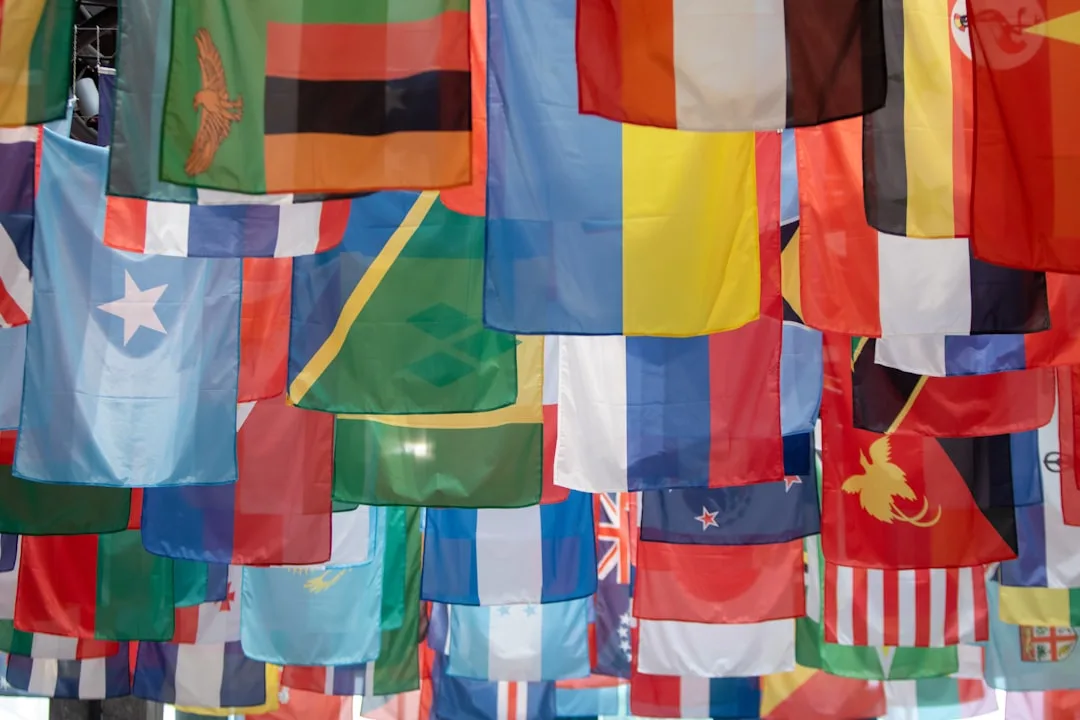
East Asian cultures favor consensus-driven decisions prioritizing group harmony. Western cultures emphasize individual agency and faster decisive...
Power distance, individualism vs collectivism, masculinity vs femininity, uncertainty avoidance, and time orientation shape cultural differences.
Globalization spreads ideas and increases connection but erodes local traditions, homogenizes cultures, and creates cultural tension and identity...
Different communication styles, conflict approaches, time perceptions, and unspoken context assumptions create cross-cultural misunderstanding and...