The psychology of virality combines high-arousal emotion, novelty, social currency, participation, network effects, timing, algorithms, and luck. Viral content differs from merely popular content because sharing creates rapid, self-reinforcing growth, but small changes in its reproduction rate can determine whether it spreads or disappears. Patterns can help explain circulation, yet the emergent dynamics make reliably manufacturing a viral moment exceptionally difficult.
On February 26, 2015, a single photograph divided the internet: The Dress. Was it blue and black, or white and gold?
Within 48 hours, the image had been viewed over 25 million times. News organizations covered it. Celebrities weighed in. Scientists explained the perceptual ambiguity. The phenomenon transcended social media to become a global cultural moment.
Why did this particular image go viral when millions of photos uploaded daily don't?
The Dress combined several powerful ingredients: perceptual novelty (people literally saw different things), social currency (declaring your perception became identity statement), participation requirement (had to engage by choosing), immediate sharability (simple question with no right answer), and emotional investment (people were genuinely curious and confused).
But here's the crucial insight: Thousands of similar images had been shared before and since-none achieved comparable spread. The Dress went viral partly through identifiable mechanisms, but also through timing, luck, network effects, and emergent dynamics no one fully controls.
This reveals virality's paradox: We can identify patterns in what goes viral, but can't reliably engineer it.[3] Most viral content surprises even its creators. Attempts to manufacture virality usually fail. The most viral moments often feel organic, accidental, authentic.
"Content is fire, social media is gasoline."
Jay Baer
Yet virality matters enormously-commercially (viral marketing campaigns), culturally (memes shape discourse), professionally (viral thought leadership builds careers), and politically (viral content moves public opinion).
Understanding virality's mechanisms-even if imperfect-provides insight into how information spreads in networked societies.
This article explains virality comprehensively: what viral means quantitatively, the psychology of sharing, the key characteristics of viral content, why most attempts fail, how algorithms amplify or suppress spread, the dark sides of viral success, the difference between viral and valuable, and frameworks for thinking about content strategy in viral-dominated media environments.
Defining Virality: More Than Just Popular
Virality: Content spreading through social sharing at exponential rate, where each viewer shares with multiple others, creating geometric growth.
Viral vs. Popular
Popular content: Many people see it (high absolute numbers)
Viral content: Exponential growth through sharing (high growth rate)
Key difference: Distribution mechanism
| Aspect | Popular | Viral |
|---|---|---|
| Growth pattern | Linear (constant rate) | Exponential (accelerating) |
| Distribution | Broadcast or algorithmic push | Social sharing / network effects |
| Predictability | More predictable (ad spend, placement) | Less predictable (emergent) |
| Duration | Can be sustained | Usually brief spike |
| Example | Super Bowl ad (100M viewers) | The Dress (25M in 48 hours through sharing) |
Example: TV show finale with 20 million viewers is popular but not viral. Meme shared 1 million times in 24 hours is viral even with fewer total views.
The Viral Coefficient (R)
Epidemiologists measure disease spread with R (basic reproduction number): average infections caused by one infected person.
R < 1: Outbreak dies outR > 1: Epidemic spreads
Viral content works similarly:
R = (Contacts per viewer) (Probability of sharing)
If each viewer shares with 1.5 people on average, content spreads exponentially.[6] If only 0.5 people, it dies out.
Example calculation:
- 1,000 initial viewers
- R = 1.5 (each shares with 1.5 people)
- Generation 1: 1,000 viewers
- Generation 2: 1,500 new viewers (1,000 → 1.5)
- Generation 3: 2,250 new viewers
- Generation 4: 3,375 new viewers
- Exponential growth
Threshold insight: Small difference in R creates massive outcome difference. R of 0.9 vs. 1.1 is the difference between obscurity and virality.
Time Dynamics
True virality happens fast-hours to days, not weeks.
Why: Social media feeds are real-time. If content doesn't catch fire quickly, it gets buried by newer content. Delayed spread rarely achieves viral status.
Typical viral timeline:
- Hours 0-6: Initial seeding, early adopters share
- Hours 6-24: Exponential growth phase (if happens)
- Hours 24-48: Peak visibility
- Days 3-7: Rapid decline
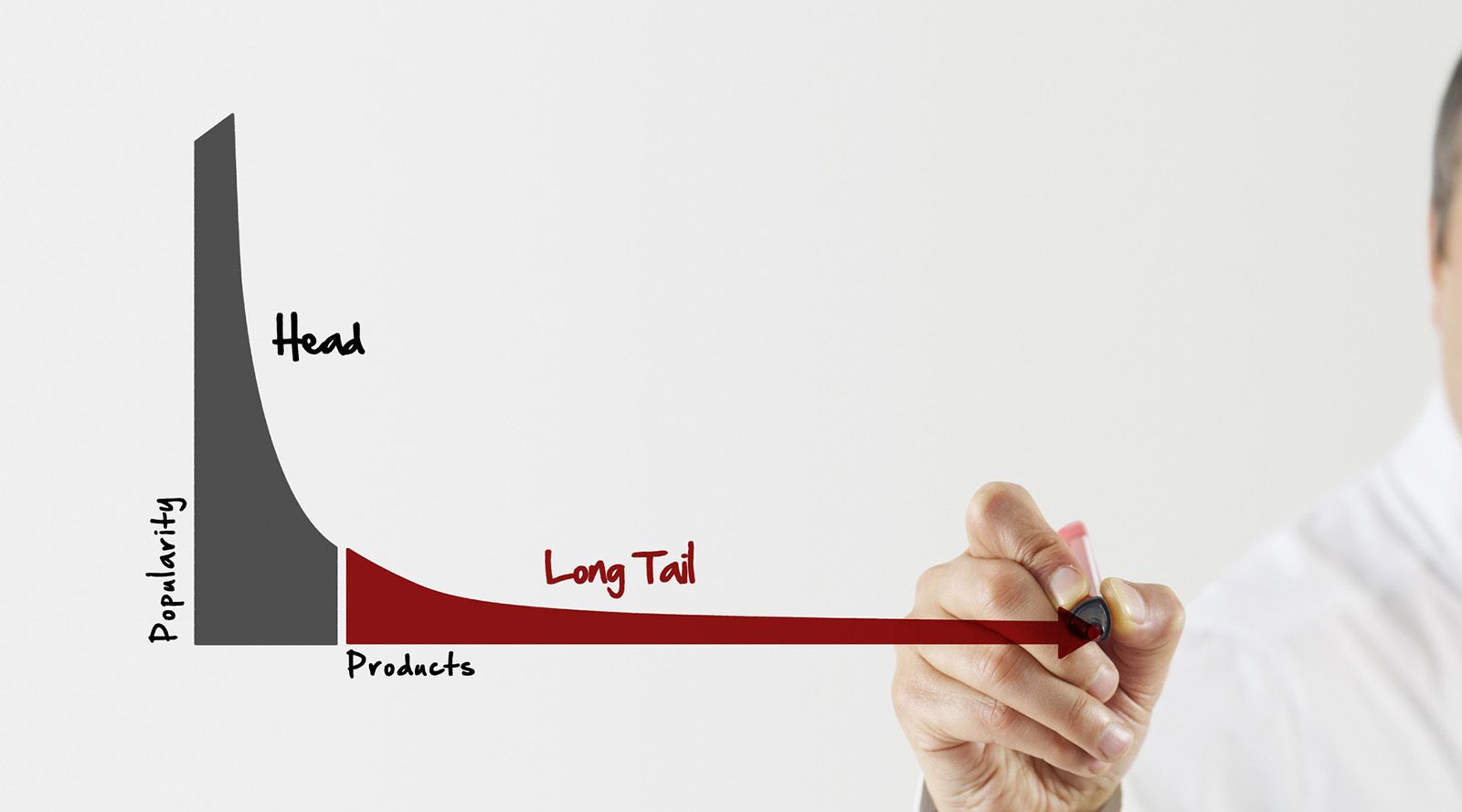
- Week 2+: Long tail, occasional resurfaces
Exception: Some content has multiple viral waves (resurfaces months later in new context), but this is rare.
The Psychology of Sharing: Why People Spread Content
Understanding sharing motivations reveals what makes content viral.
Motivation 1: Emotional Arousal
Jonah Berger's research (Contagious, 2013): High-arousal emotions drive sharing-both positive (awe, excitement, humor) and negative (anger, anxiety).[2] The underlying mechanisms of social influence shape not just what people share, but how urgently they feel compelled to share it.
Low-arousal emotions (sadness, contentment) reduce sharing.
Why: Arousal activates, motivates action. Sharing is action. High-arousal emotions break inertia.
Viral emotion hierarchy:
High-arousal positive (most shareable):
- Awe: "This is amazing!"
- Excitement: "This is incredible!"
- Humor: "This is hilarious!"
High-arousal negative (very shareable):
- Anger: "This is outrageous!"
- Anxiety: "This is concerning!"
Low-arousal (least shareable):
- Sadness: "This is depressing"
- Contentment: "This is nice"
Implication: Viral content makes people FEEL intensely, activating immediate sharing impulse.
"Ideas spread when people feel something, not when they think something."
Jonah Berger
Motivation 2: Social Currency
Sharing enhances self-image. People share content that makes them look:
- Knowledgeable: "I saw this first"
- Cool: "I have good taste"
- Caring: "I'm informed about important issues"
- Funny: "I have sense of humor"
- Smart: "I recognize quality"
Content as currency: In social economy, sharing valuable/interesting/funny content accrues social capital.
Example: Sharing New York Times longform article signals intelligence and seriousness. Sharing meme signals cultural awareness and humor. Different currencies, both valuable in respective contexts.
Game mechanics: Social media quantifies social currency (likes, retweets, shares), creating feedback loop encouraging sharing content that performs well. The dynamics of attention online reward those who understand what makes people stop scrolling.
Motivation 3: Practical Value
People share useful information-life hacks, deals, tips, warnings.
Why: Helping others strengthens social bonds. Providing value establishes expertise and reciprocity.
Examples:
- "This trick saved me hours!"
- "This sale is amazing!"
- "Warning: scam going around"
- "Here's how to fix that problem"
Viral practical value has specific characteristics:
- Immediately actionable: Can use right now
- Broadly applicable: Relevant to many people
- Non-obvious: Not common knowledge
- Easy to understand: Simple explanation
- Impressive results: "I can't believe this works!"
Motivation 4: Identity and Affiliation
Sharing signals group membership.
Political content, fandom content, subculture content-sharing says "I belong to this group, hold these values."
Tribal dynamics: Sharing reinforces in-group bonds and distinguishes from out-group.
Example: Sharing climate activism content signals environmental values. Sharing specific meme format signals belonging to community that understands that format.
Polarization effect: Divisive content often highly shareable because it strongly signals identity.
Motivation 5: Storytelling and Narrative
Humans are narrative creatures. Stories are more shareable than facts. The power of narrative transportation explains why a compelling story can carry a message further than any amount of data.
Narrative elements that enhance sharing:
- Protagonist: Character to identify with
- Conflict: Tension, stakes
- Emotion: Feelings to experience
- Resolution: Satisfying conclusion
- Relatability: "This could be me"
- Shareability hook: "You won't believe what happened..."
Example: "Man quits job to travel the world" is more shareable than "Remote work enables location independence" even if conveying similar information. Story over abstraction.
Motivation 6: Participation and Co-Creation
Interactive content more shareable than passive content.
Forms:
- Challenges: Ice bucket challenge, dance challenges
- Questions: "Which are you?" personality tests
- Debates: The Dress (blue/black or white/gold?)
- Creation prompts: "Caption this," meme templates
- Tagging: "Tag someone who..."
Why: Participation creates investment. Having engaged, people want to share their participation.
Motivation 7: Outrage and Controversy
Controversial content drives sharing-even (especially) when people disagree.
Mechanisms:
- Anger amplification: Outrage is high-arousal
- Corrective impulse: "I need to set the record straight"
- Virtue signaling: "Look how wrong this is"
- Tribalism: "My side needs to see this"
Dark side: Outrage marketing deliberately provokes to gain attention. Misinformation often more shareable than accurate but boring information.
Characteristics of Viral Content: The STEPPS Framework
Jonah Berger's STEPPS framework identifies six principles:[1]
1. Social Currency
Makes sharers look good. Provides insider knowledge, makes them seem in-the-know, cool, helpful.
Example: Discovering unknown band before they're famous. Sharing early gives social currency ("I found them first").
2. Triggers
Top-of-mind = tip-of-tongue. Content connected to frequent triggers gets shared more often.
Example: "Rebecca Black - Friday" went viral partly because every week has a Friday-frequent environmental trigger reminds people of song.
Anti-example: Super Bowl ads may be clever but lack regular triggers. Discussed once, then forgotten.
Principle: Build connections to frequent, everyday cues.
3. Emotion
High-arousal emotions (awe, excitement, humor, anger, anxiety) drive sharing. Content must evoke strong feeling.
Not just any emotion: Sadness (low arousal) doesn't drive sharing despite being emotional.
4. Public
Observable behavior spreads. If people can see others doing something, they're more likely to do it too.
Example: Apple logo on laptops (always visible) vs. brand labels hidden inside clothing. Visible branding creates observability, driving adoption.
Online equivalent: Public sharing, visible engagement metrics, trending indicators all enhance observability.
5. Practical Value
Useful information that helps people. Life hacks, money-saving tips, warnings, how-tos.
Virality formula for practical value:
- Remarkable results
- Broad applicability
- Easy to implement
- Non-obvious insight
6. Stories
Information travels under guise of narrative. People share stories, not statistics.
Trojan horse effect: Message embedded in story spreads because people share story, carrying message along.[5]
Example: Charity campaigns with individual stories (specific child needing help) spread better than statistics about poverty even though statistics represent more people.
Why Most Viral Attempts Fail
Despite understanding mechanisms, most content doesn't go viral. Why?
"Anyone who tells you they know why something went viral is lying to you."
Neetzan Zimmerman
Reason 1: Threshold Effects and Network Position
Virality requires critical mass. If initial seeding doesn't reach enough people with high enough R, content dies before spreading.
Network position matters: Same content seeded by influencer vs.[9] unknown account has vastly different trajectories. Influencers provide initial momentum to cross threshold.
Power law distribution: Tiny fraction of content gets massive spread; vast majority gets almost none.[4] Not normal distribution-winner-take-most dynamics.
Reason 2: Saturation and Novelty Decay
Viral mechanics become less effective with repetition.
Example: First ice bucket challenge video was novel. By #100,000, format was saturated. Diminishing marginal virality.
Red Queen race: Content creators constantly seek new formats, hooks, angles because previous viral mechanics become exhausted.
Reason 3: Authenticity vs. Calculation
Authentic content often outperforms obviously engineered viral attempts.
Why: Audiences rely on mental shortcuts to evaluate content authenticity. Manufactured virality triggers skepticism and reduces sharing. Genuine moments feel shareable; calculated content feels like advertising.
"The best marketing doesn't feel like marketing."
Tom Fishburne
Example: Brand attempting to recreate organic meme format often falls flat. Community can tell it's corporate, reducing shareability.
Reason 4: Timing and Context
Right content, wrong moment = no virality.
Cultural context, current events, platform mood, competing content, day of week, time of day-all affect whether content catches fire.
Luck factor: Much viral success is being in right place, right time with right content. Impossible to fully predict or control.
Reason 5: Platform Algorithms
Algorithmic gatekeeping can suppress or amplify content based on opaque criteria.
Factors platforms consider:
- Engagement velocity (how fast are early reactions?)
- Creator history (have they made viral content before?)
- Content type (video vs. text, format preferences)
- Advertiser-friendliness (controversial content may be suppressed)
- Authenticity signals (manipulation detection)
Shadow banning, deprioritization, feed algorithm changes-all can kill viral potential.
Reason 6: Quality Threshold, But Quality Isn't Sufficient
Minimum quality required (decent production, clear message, functional execution), but beyond threshold, more quality doesn't guarantee more virality.
Plenty of brilliant content doesn't go viral. Plenty of mediocre content does.
Quality necessary but not sufficient.
The Role of Algorithms in Virality
Modern virality isn't purely organic-platforms actively shape what spreads.
Algorithmic Amplification
Platforms boost engaging content to keep users on platform longer (more ad impressions). These platform incentives shape what kinds of content the algorithm favors and, by extension, what goes viral.
"We are not combating misinformation; we are combating the architecture of virality itself."
Renee DiResta
Signals algorithms prioritize:
- Engagement rate: Likes, comments, shares relative to views
- Time spent: Do people watch/read completely?
- Velocity: How quickly is engagement accumulating?
- Completion rate: For video, do people watch to end?
- Saves/bookmarks: Stronger signal than like
- Shares to DMs: Private sharing indicates high value
Positive feedback loop: Early engagement → algorithmic boost → more exposure → more engagement → more boost.
Cold start problem: Without initial engagement, no boost. Influencers with built-in audiences have advantage-guaranteed early engagement triggers algorithm.
Algorithmic Suppression
Platforms also suppress content for various reasons:
Content policy violations: Misinformation, hate speech, spam, manipulation
Advertiser-unfriendly: Controversial topics may be deprioritized (less ad revenue)
Manipulation detection: Inorganic engagement (bots, engagement pods) triggers penalties
Format preferences: Platforms favor content types they're promoting (currently prioritizing video, Reels, TikTok format)
External links: Content keeping users on-platform prioritized over content linking elsewhere
Platform-Specific Dynamics
Different platforms have different virality mechanics:
Twitter: Fast-moving, text-heavy, news/commentary, retweet mechanics favor witty, hot takes, timely reactions
TikTok: Algorithm-first (not follower-first), favors video completion, "For You Page" equalizes chances across accounts, trend-participation rewarded
Instagram: Visual-first, aesthetics matter, Reels format prioritized, influencer-dependent, hashtag discovery
YouTube: Long-form video, watch time priority, recommendation algorithm drives 70% of views, thumbnail/title crucial, subscriber base matters
Reddit: Community-moderated, subreddit-specific, upvote democracy, text/discussion-heavy, authenticity valued, advertising hated
LinkedIn: Professional context, thought leadership, career-relevant, B2B, less virality generally but professional spread possible
Implication: Viral strategies must be platform-specific. What works on TikTok won't work on LinkedIn.
The Dark Sides of Virality
Going viral isn't always positive. Unintended consequences and downsides:
Downside 1: Loss of Control
Once viral, content takes on life of its own.
- Misinterpretation: Viewed out of context, meaning shifts
- Unwanted attention: Harassment, doxxing, threats
- Amplification of mistakes: Every flaw scrutinized
- Remix and parody: Content repurposed in ways creator didn't intend
Example: Tweet goes viral, gets screenshot, spreads beyond platform, taken out of context, creator becomes target of outrage mob-all within hours.
Downside 2: Context Collapse
Context collapse: Content created for specific audience reaches everyone.[7]
Different audiences interpret differently, often negatively.
Example: Inside joke among friends goes viral, outsiders without context misunderstand, interpret as offensive.
Downside 3: Virality Pressure
One-hit wonders face pressure to recreate success.
Audiences expect repeat performance. Creators struggle to match lightning-in-bottle moment. Chasing virality often counterproductive.
Example: YouTube creator has viral video (10M views), next videos get 50K views (still good!), but feels like failure compared to viral hit.
Downside 4: Misinformation Advantage
False information often more viral than truth.
Why:
- Novel/surprising (truth often mundane)
- Emotionally arousing (truth complex and nuanced)
- Confirms biases (people share what supports beliefs)
- Simpler narratives (truth is complicated)
Research (MIT, 2018): False news stories 70% more likely to be retweeted than true ones.[8] True news took about six times as long as false news to reach 1,500 people. Media literacy - the practice of evaluating sources and recognizing how content is designed to trigger sharing - is the primary individual skill for resisting this dynamic.
Implication: Virality metrics don't correlate with truth or value.
Downside 5: Ephemerality
Most viral content forgotten quickly.
Viral does not equal lasting influence. Massive short-term reach doesn't translate to long-term impact, brand building, or sustainable success. In the broader attention economy, fleeting virality rarely converts into durable audience relationships.
Exception: Some viral moments become cultural touchstones (The Dress, Ice Bucket Challenge), but most are quickly replaced by next viral moment.
Downside 6: Platform Dependency
Viral success on one platform doesn't transfer.
No ownership of audience. If platform changes algorithm, bans you, or declines, viral reach disappears.
Contrast with owned media (email list, website): Smaller reach but more durable, controlled, valuable long-term.
Viral vs. Valuable: Different Metrics for Different Goals
Virality is reach metric. Value is impact metric.
When Virality Aligns with Goals
Virality useful for:
Awareness campaigns: Broad reach quickly (ALS Ice Bucket Challenge raised awareness and donations)
Cultural movements: Shifting public discourse (#MeToo, #BlackLivesMatter)
Entertainment: Comedy, memes, pop culture
Breaking news: Fast information spread during crises
Product launches: Creating buzz for new products
Political messaging: Mobilizing supporters, shifting narratives
When Virality Misaligns with Goals
Virality problematic for:
Complex ideas: Nuance doesn't survive viral spread
Deep expertise: Viral content is surface-level; expertise requires depth
Trust building: Viral is transactional; trust is relational over time
High-value sales: Viral attracts broad, unqualified audience; better to reach narrow, qualified audience
Long-term brand: Viral is ephemeral; brands built through consistent presence
Quality engagement: Viral brings attention; quality engagement requires interaction
Strategic Implications
Most creators/brands shouldn't optimize for virality.
Better strategy: Consistent, valuable content for defined audience. Some pieces may go viral-great bonus. But virality isn't goal.
Viral-first strategies often backfire: Chase trends, lose authentic voice, attract wrong audience, build on unstable foundation.
Sustainable strategy: Own platform (email, website), loyal audience, valuable content, occasional viral success amplifies but doesn't define.
Frameworks for Content Strategy in Viral-Dominated Media
How to think about content when virality is possible but unpredictable?
Framework 1: Portfolio Approach
Don't put all creative energy into viral attempts.
Portfolio:
- 70% evergreen content: Valuable regardless of virality, long shelf life
- 20% experimental content: Testing new formats, could go viral
- 10% viral shots: Direct attempts at viral mechanics
Analogy: Venture capital portfolio. Most investments small returns (evergreen), few moderate hits (experimental), rare massive success (viral). Diversification manages risk.
Framework 2: Value First, Virality Second
Create valuable content. If it goes viral, great. If not, still achieved goal.
Test: Would this content be valuable to audience even if only 100 people saw it? If yes, good content. If no, optimizing for virality over value.
Framework 3: Platform-Native Creation
Each platform has native content culture and mechanics.
Don't repurpose across platforms identically. Create platform-specific content respecting platform norms.
Example: Twitter thread doesn't work as Instagram post. TikTok video doesn't work as LinkedIn article. Adapt to platform.
Framework 4: Audience-Platform Fit
Your audience may not be on viral platforms.
B2B SaaS targeting enterprise CTOs? LinkedIn and niche communities, not TikTok.
Consumer fashion brand targeting Gen Z? TikTok and Instagram, not LinkedIn.
Match platform to audience rather than chasing platform with most viral potential.
Framework 5: Owned vs. Rented Audiences
Viral success on social media is rented reach-platform controls access.
Invest in owned audiences: Email lists, websites, communities you control.
Use social virality as funnel to owned platforms, not end goal.
Sustainable growth: Viral moments drive traffic to owned platforms where relationships deepen.
Conclusion: Virality Is Phenomenon, Not Strategy
The Dress revealed something profound: Virality is emergent property of networked human behavior, not deterministic outcome of content quality or engineering.
We can identify patterns-emotional arousal, social currency, practical value, storytelling, triggers, public observability. We can increase probability of viral spread. But we cannot guarantee it. Most content, even great content, doesn't go viral.
The key insights:
1. Virality is exponential sharing driven by specific psychological mechanisms-emotional arousal (high-activation emotions), social currency (sharing enhances self-image), practical value (useful information), identity signaling (tribal affiliation), storytelling (narrative over facts), participation (co-creation), and outrage (controversy).
Understanding sharing motivations increases viral probability.
2. Small differences in viral coefficient create massive outcome differences-R of 0.9 (dies out) vs. 1.1 (exponential spread) determines success or obscurity. Threshold effects mean most content falls short; tiny fraction crosses threshold for explosive growth. Winner-take-most dynamics, not normal distribution.
3. Algorithms amplify but don't fully determine virality-platforms boost engaging content but organic sharing still matters. Algorithmic favor helps but isn't sufficient. Platform-specific mechanics require platform-specific strategies. What works on TikTok differs from Twitter, Instagram, LinkedIn, Reddit.
4. Virality has significant downsides-loss of control, context collapse, misinterpretation, harassment, pressure to recreate success, ephemerality of impact. Going viral isn't always positive. Misinformation advantage means viral doesn't equal valuable or true.
5. Most viral attempts fail despite understanding mechanics-threshold effects, network position, saturation, authenticity detection, timing luck, algorithmic suppression all contribute. Manufactured virality often less effective than authentic content. Can't engineer what's fundamentally emergent.
6. Virality is reach metric, not value metric-viral content achieves massive short-term awareness but often lacks lasting impact. For most goals (trust-building, deep engagement, complex ideas, sustainable growth), virality isn't optimal strategy. Consistent valuable content for defined audience beats viral chasing.
7. Smart content strategy doesn't optimize for virality-portfolio approach (70% evergreen, 20% experimental, 10% viral shots), value-first mindset, platform-native creation, audience-platform fit, owned vs. rented audiences. Virality as bonus, not goal.
As Jonah Berger observed: "Virality isn't about luck. It's about understanding what makes people share." But as countless creators have learned: Understanding sharing psychology increases odds; it doesn't guarantee outcomes.
And as The Dress demonstrated: Sometimes the most viral moments are the least expected, most organic, and most impossible to replicate. That's not a bug-it's the nature of emergent phenomena in complex social networks.
Virality is fascinating phenomenon. But it's poor strategy. Excellence isn't chasing viral moments. It's creating consistently valuable content, building genuine audience relationships, and recognizing that if virality happens, it's amplification of existing value-not substitute for it.
The question isn't "How do I make this go viral?" The question is "How do I make this valuable?" The first is largely outside your control. The second is entirely within it.
Virality Research: What Field Studies and Natural Experiments Reveal
Laboratory studies of sharing behavior and theoretical frameworks like STEPPS provide useful starting frameworks, but the most consequential findings about virality come from large-scale field studies and natural experiments that measure actual spreading behavior in real-world conditions.
Sinan Aral at MIT's Sloan School of Management has produced some of the most rigorous empirical research on viral spread, including a landmark 2011 study in Science that used a randomized controlled experiment embedded within a real social network to separate influence from homophily (the tendency for similar people to be friends).
Aral and Walker found that roughly half of perceived contagion in product adoption was attributable to homophily rather than influence - people share content with friends who are already likely to be interested in it, creating the appearance of spreading influence.
True viral influence - where exposure to a friend's sharing genuinely changes a recipient's behavior beyond what their pre-existing characteristics would predict - was rare and concentrated in a small fraction of highly influential dyads.
The finding substantially downgrades estimates of individual influencer power: the "viral coefficient" most people can generate is much lower than marketing claims suggest.
Jonah Berger at the University of Pennsylvania's Wharton School, in a 2012 paper in the Journal of Marketing Research co-authored with Katherine Milkman, analyzed New York Times articles published over a three-month period - approximately 7,000 articles - to identify what distinguished the most-shared from the least-shared content.
Their analysis confirmed several predictions from their theoretical framework: high-arousal positive content (awe) was the strongest predictor of sharing, followed by high-arousal negative content (anger and anxiety), while low-arousal emotions (sadness) reduced sharing probability.
Crucially, the study found that awe-inducing content was substantially more shareable than content primarily inducing positive emotions broadly - the specific combination of scale (the content felt vast or significant) and accommodation demand (the content required the reader to update their mental model) appeared to be the active ingredient.
Their finding has been widely replicated in subsequent studies of social sharing across different platforms and content types.
A 2018 study by Soroush Vosoughi, Deb Roy, and Sinan Aral at MIT, published in Science, analyzed the spread of all verified true and false news stories on Twitter from 2006 to 2017 - a corpus of approximately 126,000 cascades involving 3 million people.
Their finding became the most-cited result in all of misinformation research: false news spread farther, faster, deeper, and more broadly than true news in every category of information. False political news was the most extreme case, spreading roughly six times faster than true political news, taking about a twentieth of the time to reach comparable audience sizes.
The mechanism, as identified through content analysis, was novelty: false news was consistently more novel than true news (because reality has constraints that fabrication does not), and novelty drives sharing.
The researchers controlled for bot activity and found that the human sharing behavior, not automated amplification, drove the differential spread - a finding that implicates the virality psychology of ordinary social media users, not just organized misinformation campaigns.
Platform-Specific Virality: How Architecture Shapes Spread
The theoretical mechanisms of virality interact with specific platform architectures in ways that produce distinct spreading dynamics - and natural experiments created by platform design changes have illuminated these mechanisms.
Twitter's introduction of the "like" heart in November 2015 (replacing the "favorite" star) provides a case study in how small feature changes affect viral spread patterns.
The reframing from "favorite" (implying personal preference and bookmarking) to "like" (implying positive social endorsement) plausibly increased the rate at which liked content was then shared by others who observed the like count, consistent with social proof theory - though isolating the effect of a single-word interface change from other concurrent platform shifts is methodologically difficult, and the specific magnitude of any such effect has not been rigorously established.
YouTube's shift from a five-star rating system to a simple like/dislike binary in 2010 created a natural experiment on how audience feedback mechanisms affect viral spread.
The binary system plausibly increased total engagement (more people rate with a simple binary than with a nuanced five-star scale) while reducing the information value of ratings as quality signals - a high-quality but controversial video can receive a similar like-to-dislike ratio to a poor-quality but popular one. This dynamic is consistent with the broader viral threshold effect: a video that gains significant early likes acquires a clearly positive like-to-dislike ratio that serves as social proof for subsequent viewers, while a five-star system's more granular signal would convey quality information that partially counteracts pure social proof.
The ALS Ice Bucket Challenge of 2014 remains the most studied instance of charity virality, partly because its mechanics were unusually transparent and partly because its fundraising outcomes were measurable and long-lasting.
The challenge raised $115 million for the ALS Association over roughly eight weeks in summer 2014, a massive increase over the same period the previous year.
Four features distinguished it from previous charity viral attempts: nomination mechanics (challenge recipients had to nominate three others by name, creating personal social obligation rather than general awareness), public performance (completion required posting video evidence, creating social proof and social reward), minimal commitment friction (ice water is universally available at zero cost), and counterfactual option (the $100 donation alternative addressed the commitment obstacle for those who could not complete the physical challenge).
The combination produced viral spread well above the threshold needed for sustained growth, before saturation reduced it below 1.
The ALS Association has reported that the 2014 challenge contributed to funding a research breakthrough: the identification of the NEK1 gene as a contributor to ALS, announced in 2016.
Sources & Further Reading
- Berger, J. (2013). Contagious: Why things catch on. Simon & Schuster.
- Berger, J., & Milkman, K. L. (2012). What makes online content viral? Journal of Marketing Research, 49(2), 192-205. DOI: 10.1509/jmr.10.0353
- Cheng, J., Adamic, L., Dow, P. A., Kleinberg, J., & Leskovec, J. (2014). Can cascades be predicted? Proceedings of the 23rd International Conference on World Wide Web, 925-936. DOI: 10.1145/2566486.2567997
- Goel, S., Anderson, A., Hofman, J., & Watts, D. J. (2016). The structural virality of online diffusion. Management Science, 62(1), 180-196. DOI: 10.1287/mnsc.2015.2158
- Heath, C., & Heath, D. (2007). Made to stick: Why some ideas survive and others die. Random House.
- Hodas, N. O., & Lerman, K. (2014). The simple rules of social contagion. Scientific Reports, 4, Article 4343. DOI: 10.1038/srep04343
- Marwick, A. E., & boyd, d. (2011). I tweet honestly, I tweet passionately: Twitter users, context collapse, and the imagined audience. New Media & Society, 13(1), 114-133. DOI: 10.1177/1461444810365313
- Vosoughi, S., Roy, D., & Aral, S. (2018). The spread of true and false news online. Science, 359(6380), 1146-1151. DOI: 10.1126/science.aap9559
- Watts, D. J., & Dodds, P. S. (2007). Influentials, networks, and public opinion formation. Journal of Consumer Research, 34(4), 441-458. DOI: 10.1086/518527