
Why diets fail is largely biological: calorie restriction can trigger metabolic adaptation, greater hunger, lower non-exercise activity, hormonal changes, and a defended body-weight range that resists loss. The body responds to reduced energy stores as a threat rather than a simple accounting problem. That helps explain common long-term regain and why framing unsuccessful dieting as a personal failure ignores the systems regulating appetite and expenditure.
In 2009, a television show called The Biggest Loser reached the peak of its popularity. Contestants competed to lose the most weight through extreme caloric restriction and exercise - sometimes 6-8 hours of physical activity per day combined with diets of 800-1000 calories.
By the show's finale, participants had lost dramatic amounts of weight, and the television narrative presented this as triumph: look what willpower and determination can achieve.
Fourteen researchers, however, were watching with a different interest. Erin Fothergill, Kevin Hall, and colleagues at the National Institutes of Health began tracking the contestants' metabolic outcomes.[1] What they found when they published their results in Obesity in 2016 was not a triumph narrative.
Six years after the competition, most contestants had regained the majority of their weight. But the more striking finding was what had happened to their metabolism. The contestants were burning, on average, 499 fewer calories per day than would be predicted for a person of their current body size and composition.
Their metabolism had not bounced back. Six years later, it was still suppressed - as if the body was still fighting to return to the weight it had been defending before the diet began.
The Biggest Loser study is one of the most vivid illustrations of a biological reality that the diet industry has spent decades obscuring: the human body does not experience a caloric deficit as an opportunity for improvement. It experiences it as a famine. And it responds accordingly.
"Diets don't lead to sustained weight loss or health benefits for the majority of people." - Traci Mann, Secrets from the Eating Lab (2015)
Key Definitions
Metabolic adaptation (adaptive thermogenesis) - The reduction in resting metabolic rate beyond what can be explained by reduced body mass following caloric restriction. The body conserves energy through multiple mechanisms, resulting in lower total caloric expenditure than expected. Can persist for years after weight loss.
Set point theory - The hypothesis that the body defends a particular weight range through metabolic and hormonal adjustments. Evidence suggests the defended range is easier to ratchet upward (with weight gain) than downward (with weight loss), producing the characteristic asymmetry of weight management.
Ghrelin - A peptide hormone produced primarily in the stomach that stimulates appetite and promotes fat storage. Levels rise before meals and fall after eating. Elevated chronically after weight loss, contributing to increased hunger that persists long after the diet ends.
Leptin - A hormone produced by adipocytes (fat cells) that signals the hypothalamus about long-term energy stores. High leptin signals satiety and suppresses appetite; low leptin (from fat cell reduction) signals famine and increases appetite and metabolic conservation. The primary driver of the "anti-starvation" response.
Leptin resistance - A condition in which elevated leptin levels fail to produce appropriate satiety signaling - analogous to insulin resistance. Associated with obesity; may develop through chronic leptin elevation and is thought to contribute to difficulty maintaining satiety in overweight individuals.
Non-exercise activity thermogenesis (NEAT) - The calories burned through all physical activity other than deliberate exercise: fidgeting, posture maintenance, spontaneous movement, walking.
Highly variable between individuals and highly responsive to caloric intake - NEAT decreases substantially with dietary restriction, representing a major component of metabolic adaptation.
Ultra-processed food (UPF) - Foods manufactured using industrial formulations and processes not found in domestic kitchens (emulsifiers, artificial flavors, hydrogenated fats, modified starches). NOVA Group 4 classification. Distinguished from processed foods by the degree of industrial alteration and the inclusion of novel additives.[7]
Food reward system - The mesolimbic dopaminergic circuitry that assigns motivational salience to food cues. Ultra-processed foods are specifically engineered to maximize activation of this system, producing repeat consumption independent of caloric need.
Caloric density - Calories per unit volume or weight of food. Highly variable: leafy vegetables 15-30 kcal/100g, most ultra-processed snacks 450-600 kcal/100g. Satiety signals respond to food volume and stomach distension (among other signals) - low caloric density foods provide satiety at lower caloric cost.
The Problem with How We Frame Weight Loss
The conventional framing is intuitive and wrong: eating less and moving more creates a caloric deficit; a deficit burns stored fat; the fat disappears; the new lower weight is maintained by maintaining the caloric deficit.
This model treats the body as a passive container - a box from which calories can be extracted by reducing input or increasing output. The body is not a passive container. It is an active regulator of energy balance, evolved over millions of years to resist precisely the intervention the diet is attempting.
The mismatch between how we think about diets and how the body responds to them is the root cause of the approximately 80-95% long-term failure rate for dietary weight loss.[4] This is not a failure of willpower. It is a predictable outcome of applying a mechanically flawed model to a biologicaly sophisticated system.
The Hormonal Response to Weight Loss
When you lose weight by restricting calories, the body interprets the change in adiposity as a threat. The brain's hypothalamus, reading the declining leptin signal from shrinking fat cells, concludes: we are losing our energy reserves. This is dangerous. Counter-measures are required.
Priya Sumithran and colleagues at the University of Melbourne published a landmark study in the New England Journal of Medicine in 2011.[2] They studied hormones regulating hunger and satiety before, during, and after a 10-week very-low-calorie diet in 50 overweight or obese participants.
At the end of the diet, participants had lost an average of 13.5kg. Then they measured hormones again one year later.
At the one-year follow-up, participants had regained an average of 5.5kg. But the hormonal picture was striking: of the nine hormones measured, eight had changed in directions that promoted weight regain and increased appetite. Ghrelin - the hunger hormone - remained elevated above pre-diet levels.
Peptide YY, cholecystokinin, and amylin - all satiety hormones - remained reduced. Leptin remained reduced. These changes were not temporary; they had persisted for a full year.
The sustained dieters were not simply lacking willpower. They were physiologically hungrier than they were before dieting. Their hormonal landscape was pushing them toward eating more.
| Hormone | Direction After Weight Loss | Effect |
|---|---|---|
| Ghrelin | Increased | More hunger |
| Leptin | Decreased | Less satiety, increased appetite |
| Peptide YY | Decreased | Less post-meal satiety |
| Cholecystokinin | Decreased | Less satiety signaling |
| GIP | Increased | Increased fat storage tendency |
| Insulin | Changes | Metabolic dysregulation |
The timing of hormone restoration varies by study, but in multiple long-term follow-ups, at least some hormonal differences persist for years - representing a sustained biological push toward the original defended weight.
Metabolic Adaptation: The Body Fights Back
Beyond hormonal changes, the body reduces its caloric expenditure in response to dietary restriction - a phenomenon called metabolic adaptation or adaptive thermogenesis.
This happens through multiple mechanisms:
Reduced resting metabolic rate: Beyond the expected drop from having less body mass to maintain, the metabolic rate per unit of body weight decreases. Thyroid hormone levels fall; sympathetic nervous system tone drops; cellular metabolic efficiency increases. The body extracts more work per calorie consumed.
Reduced NEAT: Non-exercise activity thermogenesis - the unconscious movement that comprises most people's daily physical activity - drops substantially with caloric restriction. People move less, fidget less, and shift their posture less.
This is not a conscious choice; it is a centrally regulated reduction in spontaneous motor activity. Studies show NEAT can vary by 2000 calories per day between high-NEAT and low-NEAT individuals at the same body weight, and drops measurably with dietary restriction.
Reduced exercise efficiency: At the same exercise intensity, a smaller or lighter body burns fewer calories - this is the expected component of metabolic reduction.
But research consistently finds dieters burn fewer calories per unit of exercise than their weight alone predicts, suggesting additional metabolic adaptation in exercise contexts.
The Biggest Loser contestants experienced all of these simultaneously. The 499 calorie per day metabolic suppression measured six years later represents not just weight loss but a biological resetting of the metabolic thermostat.
They were required to eat 499 calories less per day indefinitely - not temporarily - to maintain their weight loss. For most people, this represents an unsustainable constraint.
Set Point: Why Weight Regain Is Not Random
Set point theory proposes that each person's body defends a weight range through active homeostatic regulation, similar to how the body regulates temperature. If weight moves below the defended range, compensatory mechanisms push it back up (increased hunger, reduced metabolism).
If weight moves above the range, mechanisms push it back down (increased satiety, elevated metabolism).
The critical asymmetry in human set point regulation: the defended range appears to ratchet upward more easily than it resets downward.
Weight gain can establish a new, higher defended range - obesity is defended as actively as a normal weight. This is why weight loss is harder to sustain the longer someone has been at a higher weight. The set point has shifted, and the body defends the new range.
Weight loss, conversely, does not typically establish a new lower defended range - or does so only with extreme difficulty. The body defends its pre-loss weight, not the new lower weight.
This explains why the pattern of weight loss and regain is not random or scattered; it is highly directional - most people regain to approximately their pre-diet weight, as if drawn back to an invisible set point.
The molecular basis of set point defense involves the hypothalamus's integration of leptin, insulin, and other adiposity signals with short-term appetite hormones. The hypothalamus then coordinates energy intake and expenditure to maintain fat mass within a range.
This is not volitional; it operates below the level of conscious awareness, influencing hunger, fullness, and spontaneous movement without you knowing it is happening.
Ultra-Processed Food: Engineered to Overconsume
A significant driver of weight gain in developed countries is not purely biological - it is the food environment.
Ultra-processed foods, which now constitute 50-60% of calories consumed in the United States and similar proportions in much of the developed world, are designed by teams of food scientists to maximize palatability and repeat consumption.
The mechanism involves several overlapping systems:
Hyperpalatability: Industrial food formulations combine fat, sugar, salt, and texture in combinations rarely found in natural foods.
The "bliss point" - the precise combination of salt, sugar, and fat that produces maximal reward - was systematically researched and exploited by food companies, as documented in Michael Moss's reporting and the internal industry research it drew upon.
Rapid digestion: Ultra-processed foods are designed for ease of manufacture and consumption, which typically means reduced fiber and increased surface area - resulting in faster gastric emptying, faster glucose absorption, and shorter-duration satiety. More calories enter the bloodstream before satiety hormones can terminate eating.
Food reward system activation: Ultra-processed foods activate the mesolimbic dopamine system more intensely than whole foods, making them disproportionately motivating - they become wanted beyond the point of caloric need.
Kevin Hall and colleagues at the NIH tested this directly in a rigorous randomized controlled trial published in Cell Metabolism in 2019.[3]
Participants were randomized to either ultra-processed or minimally processed diets matched for presented calories, macronutrients, sugar, fat, fiber, and sodium. They were told to eat as much or as little as they wanted.
The ultra-processed group consumed an average of 508 more calories per day and gained an average of 0.9 kg. The minimally processed group ate less and lost an average of 0.9 kg. Both groups reported similar levels of hunger - but the ultra-processed group kept eating more.
This was the first randomized controlled trial to demonstrate that ultra-processing itself, controlling for all measured dietary variables, causes overconsumption.
The mechanism is not yet fully characterized, but the result is unambiguous: the food environment matters independently of calorie content, macronutrient composition, or conscious choice.
Why "Just Eat Less and Move More" Is Incomplete
The advice to eat less and move more is not wrong in its arithmetic. A caloric deficit is necessary for weight loss. But as behavioral guidance, it is inadequate in ways that the biology explains.
The problem of homeostatic resistance: eating less triggers hormonal and metabolic changes that increase hunger and reduce energy expenditure, making the deficit harder to sustain. The longer the deficit is maintained, the stronger the homeostatic pressure against it.
Exercise's limited arithmetic contribution: exercise burns fewer calories than commonly believed. A 30-minute moderate jog might burn 300-400 calories - approximately one large snack, easily compensated by the increased appetite exercise also produces.
The health benefits of exercise are profound and well-documented, but its contribution to caloric deficit is frequently overestimated. The food environment is more powerful as a caloric driver than exercise is as a compensator.
Ignoring the food environment: "eat less" requires continuous decision-making against an environment designed to undermine those decisions.
The asymmetry between biological drives (hunger, food reward activation) and cognitive control (the PFC trying to moderate intake) is structural - willpower can win in individual moments but cannot be sustained indefinitely against continuous biological pressure.
Neglecting food quality effects: not all calories produce the same hormonal environment. 500 calories of white bread and 500 calories of beans + vegetables produce dramatically different satiety, glycemic response, insulin secretion, and hormonal signals that affect subsequent hunger.
Reducing "calories in, calories out" to an arithmetic equation ignores these downstream effects.
What Actually Works for Long-Term Weight Management
The National Weight Control Registry (NWCR), established by Rena Wing and James Hill, tracks over 10,000 individuals who have successfully maintained a weight loss of at least 30 pounds for at least one year.[5]
Their data reveal consistent patterns among successful long-term weight maintainers - and they are largely different from what conventional diet culture prescribes.
Consistent physical activity is the strongest predictor of maintenance: NWCR members report an average of 60-90 minutes of moderate physical activity per day.
Exercise's value for weight maintenance is much stronger than its value for weight loss - it appears to reduce metabolic adaptation, preserve lean mass, and directly maintain the behaviors and energy balance required for maintenance.
Breakfast consumption: Most NWCR members eat breakfast daily. The mechanism is not clear - possibly breakfast reduces later in the day hunger and impulsive snacking, or supports consistent meal timing that stabilizes metabolic rhythms.
Self-monitoring: Regular weighing, food tracking, or other forms of self-monitoring. Awareness of gradual weight regain allows early intervention before substantial weight is regained.
Consistent eating patterns: the same foods and patterns on weekdays and weekends, without the "I'll start again Monday" cycle that allows weekend overconsumption.
Sustainable changes, not temporary diets: the framing of "diet" implies a temporary intervention to be completed and then ended. NWCR data make clear that what successful maintainers have done is changed their relationship with food and activity permanently, not completed a program.
The diet cannot end because the biology never stops.
The Sleep and Stress Connection
Two underappreciated drivers of weight management are sleep and chronic stress.
Sleep deprivation directly increases caloric intake: studies restricting participants to 4-5 hours of sleep consistently show increased consumption of 300-500 additional calories per day, driven by elevated ghrelin and reduced PYY.[6]
The foods preferentially consumed in sleep-deprived states are high-calorie, palatable foods - not the nutritious choices that conscious dietary planning would produce. Improving sleep quality measurably reduces caloric intake without dietary intervention.
Chronic stress promotes fat storage through cortisol: cortisol, the primary stress hormone, elevates blood glucose, promotes insulin secretion, and increases fat storage - particularly in the visceral (abdominal) region. Chronic stress maintains chronically elevated cortisol, creating a persistent pro-fat-storage hormonal environment.
Stress also triggers emotional eating - using palatable food to regulate negative affect - bypassing hunger signals entirely.
The interaction between sleep, stress, and food intake is bidirectional and reinforcing. Poor sleep increases stress response sensitivity; chronic stress impairs sleep quality; both increase intake of highly palatable foods, which provide short-term mood elevation but long-term metabolic consequences.
Rethinking Success
The health benefits of weight loss are real, but the threshold for benefit may be lower than popular culture assumes. A sustained 5-10% reduction in body weight produces clinically meaningful improvements in blood pressure, insulin sensitivity, inflammatory markers, and joint load.
For a person who weighs 250 pounds, this means 12-25 pounds - a target achievable and maintainable for many people who would fail to achieve a culturally prescribed target weight.
Shifting the target from a number on the scale to metabolic health markers (blood pressure, fasting glucose, blood lipids, inflammatory markers), physical fitness, and quality of daily life allows meaningful success that the biology of weight regulation can actually support.
The failure of diets, properly understood, is not a failure of the people who attempt them. It is a mismatch between a goal (permanent lower weight), a strategy (temporary reduced intake), and a biology (that fights to restore the defended weight).
Understanding this mismatch is the beginning of a more honest, more effective, and considerably less punishing approach to health.
For related concepts, see how the gut microbiome works, what happens when you don't sleep, and why exercise is good for the brain.
Sources & Further Reading
- Fothergill, E., et al. (2016). Persistent Metabolic Adaptation 6 Years After "The Biggest Loser" Competition. Obesity, 24(8), 1612-1619. DOI: 10.1002/oby.21538
- Sumithran, P., et al. (2011). Long-Term Persistence of Hormonal Adaptations to Weight Loss. New England Journal of Medicine, 365(17), 1597-1604. DOI: 10.1056/NEJMoa1105816
- Hall, K. D., et al. (2019). Ultra-Processed Diets Cause Excess Calorie Intake and Weight Gain: An Inpatient Randomized Controlled Trial of Ad Libitum Food Intake. Cell Metabolism, 30(1), 67-77. DOI: 10.1016/j.cmet.2019.05.008
- Mann, T., et al. (2007). Medicare's Search for Effective Obesity Treatments: Diets Are Not the Answer. American Psychologist, 62(3), 220-233. DOI: 10.1037/0003-066X.62.3.220
- Wing, R. R., & Phelan, S. (2005). Long-Term Weight Loss Maintenance. American Journal of Clinical Nutrition, 82(1), 222S-225S. DOI: 10.1093/ajcn/82.1.222S
- Spiegel, K., Tasali, E., Penev, P., & Van Cauter, E. (2004). Brief Communication: Sleep Curtailment in Healthy Young Men Is Associated with Decreased Leptin Levels, Elevated Ghrelin Levels, and Increased Hunger and Appetite. Annals of Internal Medicine, 141(11), 846-850. DOI: 10.7326/0003-4819-141-11-200412070-00008
- Monteiro, C. A., et al. (2019). Ultra-Processed Foods: What They Are and How to Identify Them. Public Health Nutrition, 22(5), 936-941. DOI: 10.1017/S1368980018003762
Part of This Series

The Obesity Epidemic: Biology and Environment Explained

Why Diets Fail and What Works: The Science of Weight Loss
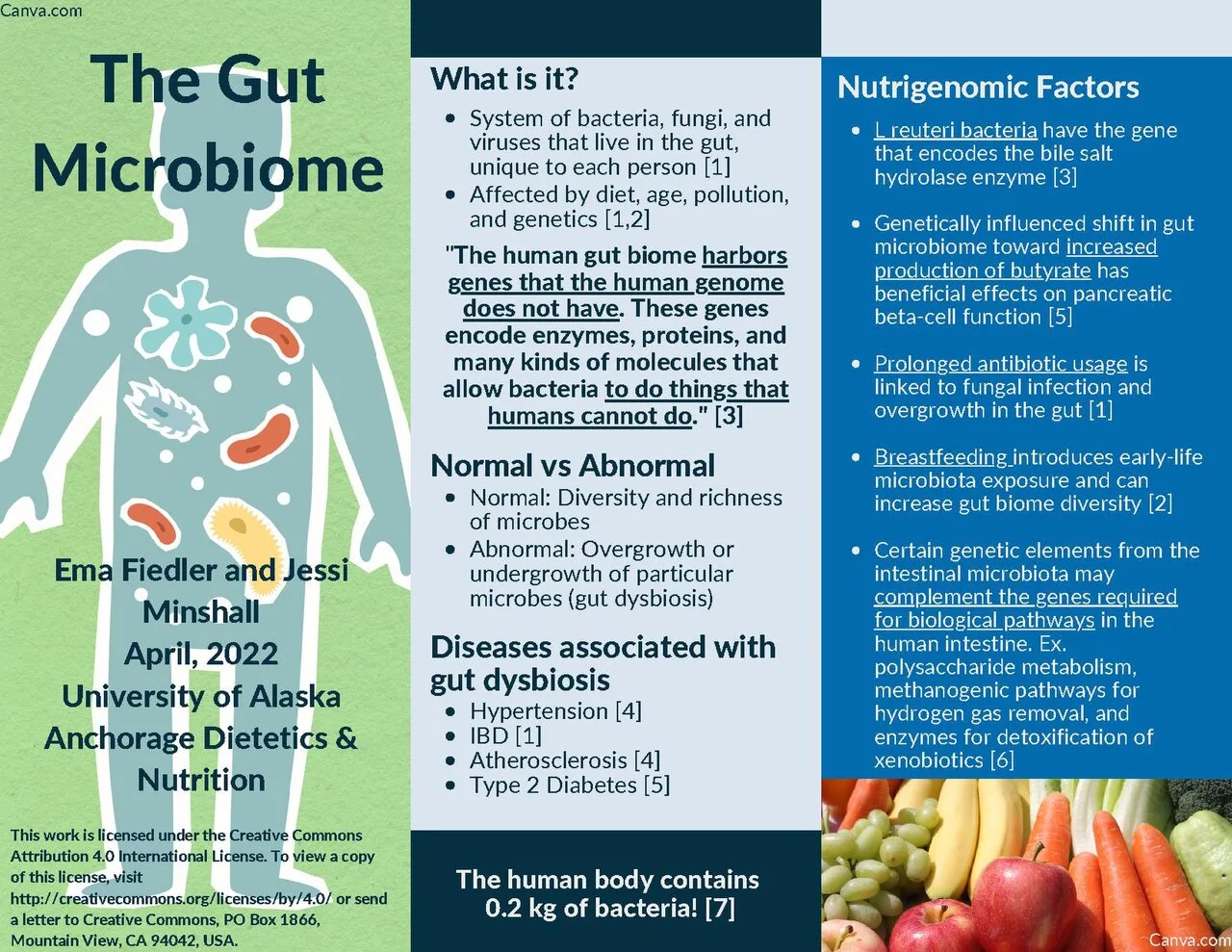
Gut Microbiome Functions: Health and Digestion
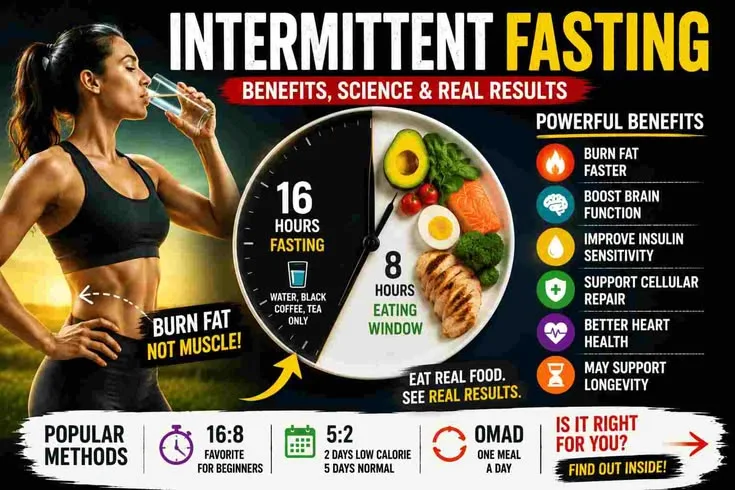
The Science Behind Intermittent Fasting Effects

How Cancer Develops: The Biology of Uncontrolled Growth

The Science of Pain: Nociception, the Brain, and Chronic Pain

How the Human Immune System Works: Innate vs. Adaptive Immunity

Faster Recovery from Illness: Insights into Healing Biology
Frequently Asked Questions
What is metabolic adaptation and why does it make dieting hard?
Metabolic adaptation (or adaptive thermogenesis) is the body’s response to caloric restriction: resting metabolic rate drops by more than can be explained by reduced body mass alone. The brain detects reduced energy intake and systematically lowers calorie expenditure, reducing non-exercise activity thermogenesis (fidgeting, unconscious movement), decreasing thyroid hormone production, lowering body temperature, and reducing the efficiency of mitochondrial metabolism.
The result: by the end of a significant diet, the body may be burning 300-600 fewer calories per day than its pre-diet mass would predict. The Biggest Loser study found that 6 years after the competition, contestants were burning an average of 499 fewer calories per day than expected, a metabolic suppression that persisted long after weight regain.
What happens to hunger hormones when you lose weight?
Weight loss triggers persistent hormonal changes that increase hunger and reduce satiety. Ghrelin (the ‘hunger hormone,’ produced in the stomach) increases substantially with weight loss and remains elevated for years, making sustained dieters genuinely more hungry than they were before dieting, not simply lacking willpower. Leptin (produced by fat cells, signals satiety) falls dramatically with fat loss, reducing the satiety signal. Peptide YY (post-meal satiety hormone) decreases.
These hormonal changes were documented by Sumithran et al. in the New England Journal of Medicine (2011): one year after an intensive weight loss program, 8 of 9 hormones measured were altered in directions that promoted weight regain, and the changes persisted for the full year of follow-up.
Is set point theory real?
Set point theory holds that each person has a biologically defended body weight range that the body actively maintains through metabolic and hormonal adjustments. The evidence is substantial but more nuanced than a fixed ‘set point’: body weight is actively defended, but the defended range appears to ratchet upward more easily than it resets downward.
Gaining weight sets a new defended range; losing weight returns to the original defended range rather than establishing a new lower one. This asymmetry is well-documented and explains why weight regain is systematically easier than weight loss maintenance. The biological mechanism involves leptin signaling to the hypothalamus, which coordinates energy intake and expenditure to defend the stored fat mass.
What do long-term studies of diets actually show?
Long-term diet studies consistently show substantial weight regain after initial loss. A meta-analysis by Mann et al. (2007) in American Psychologist found that the majority of dieters regain more weight than they lost within 3-5 years. A 2020 Cochrane review of commercial weight loss programs found that most programs produced modest short-term weight loss but evidence for sustained long-term weight loss was poor.
The most robust finding: weight loss maintenance requires sustained behavioral change indefinitely, the diet cannot be ‘finished.’ Studies of individuals who successfully maintain weight loss long-term (the National Weight Control Registry) consistently show they maintain high physical activity and monitoring even years after their initial loss.
Does calorie counting work?
Calorie counting can produce weight loss but has significant limitations. First, calorie estimates for food are inaccurate: food labels in the US are allowed 20% error, cooking methods change calorie availability, and individual variation in gut microbiome and digestion affects absorption. Second, calorie counting ignores food quality effects on satiety hormones: 500 calories of ultra-processed food and 500 calories of whole food produce dramatically different hormonal responses, hunger levels, and metabolic effects.
Third, it is cognitively burdensome and doesn’t address the environmental and psychological factors that drive overeating. Where calorie awareness is useful: it builds understanding of food energy density that informs food choices, even without precise tracking.
What is ultra-processed food and why does it make weight management harder?
Ultra-processed foods (NOVA classification group 4) are industrial formulations using ingredients not found in ordinary cooking: emulsifiers, preservatives, artificial flavors, hydrogenated fats, modified starches. They are engineered for palatability, shelf stability, and profit margin, not satiety.
The Hall et al. (2019) NIH randomized trial found that participants eating ultra-processed diets consumed 508 more calories per day and gained weight compared to those eating minimally processed diets with matched macronutrients and calories, suggesting ultra-processing itself, not just calorie content, drives overconsumption. Ultra-processed foods are digested faster, produce shorter-duration satiety, and are calibrated to maximize palatability past the point of satiation.
What does the evidence say about sustainable weight management?
Sustainable weight management is characterized by several evidence-based features: consistent physical activity (the strongest predictor of weight loss maintenance in longitudinal studies); dietary pattern change rather than temporary dieting; management of the food environment (keeping ultra-processed foods out of the home, having vegetables at eye level in the refrigerator).
Also important: adequate sleep (sleep deprivation increases ghrelin and food intake); stress management (chronic stress elevates cortisol, which promotes fat storage); and realistic expectations (5-10% weight loss maintained long-term produces significant health benefits even without reaching ‘goal weight’). The framing of a ‘diet’ to be completed and ended is itself a structural barrier to success.