
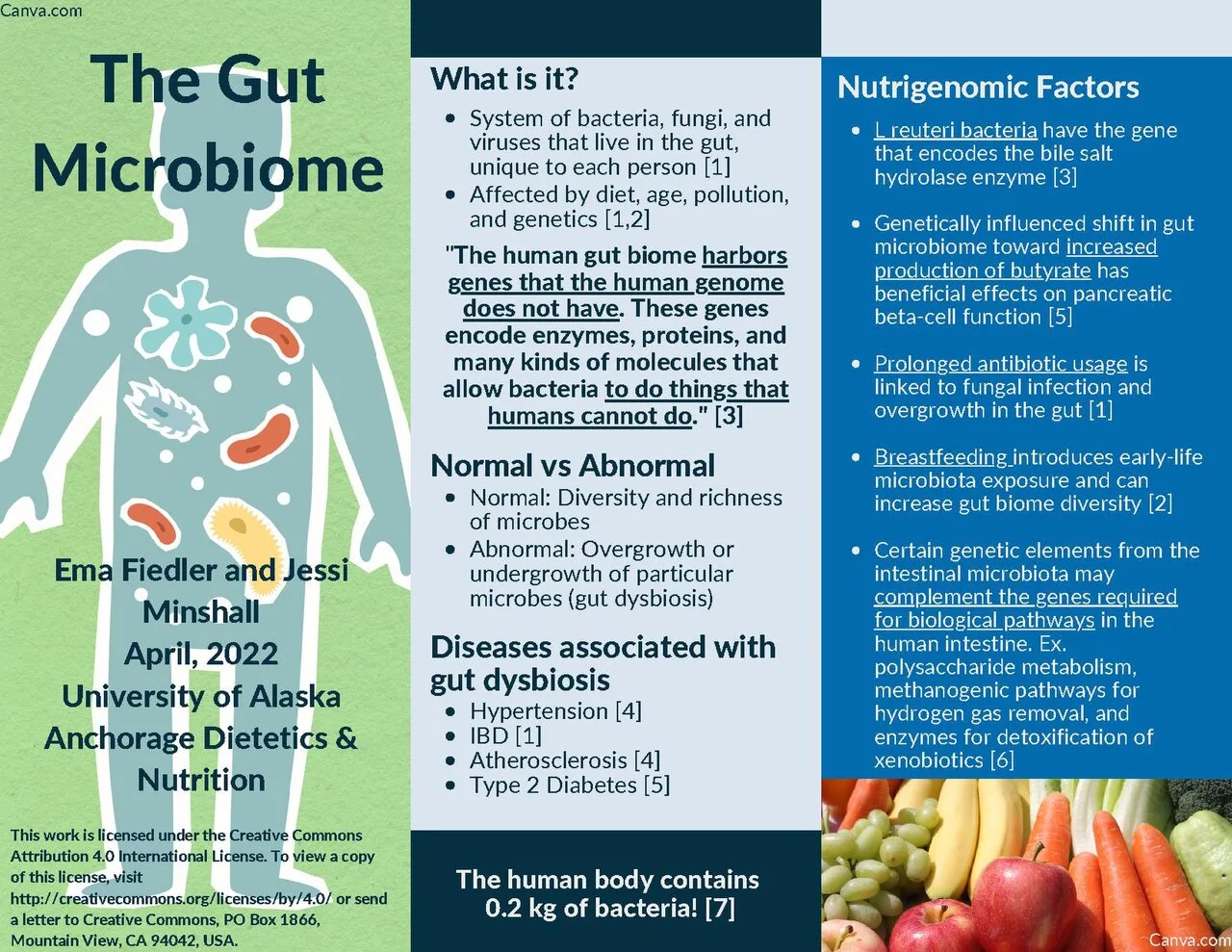
The gut microbiome is a diverse microbial community that helps process dietary fiber, produce metabolites, interact with immunity, and communicate with the nervous system. Gut microbiome functions include generating short-chain fatty acids that support intestinal cells, but many marketing claims run ahead of evidence. Strong findings coexist with uncertain claims about dysbiosis, mood, and treatments outside specific clinical uses.
In 1683, Antonie van Leeuwenhoek - the Dutch lens grinder who had already discovered protozoa and bacteria - scraped material from his own teeth, examined it under his handmade microscope, and was astonished to find that the number of organisms in his mouth exceeded the number of people living in the entire Dutch Republic.
He had glimpsed, for the first time, a dimension of biological reality that humans would spend the next three centuries slowly coming to terms with: that we are not alone in our own bodies.
The history of microbiology is partly a history of discovering just how profoundly outnumbered we are. By 1980, a rough estimate had circulated in scientific literature - that the human body contained ten times more microbial cells than human cells, making the ratio 10:1.
This figure propagated through textbooks, popular science, and journalism for decades.
In 2016, Ron Sender, Shai Fuchs, and Ron Milo at the Weizmann Institute recalculated these numbers with more careful methodology.[1] Their finding: the actual ratio is approximately 1:1, with about 38 trillion microbial cells and 30 trillion human cells in a reference adult male.
The revision changed the numbers but not the fundamental reality: you are approximately as much microbe as you are human.
What those microbes are doing, how they influence your health, and what you can do about them is one of the most actively researched and commercially exploited areas in contemporary biomedicine - with substantial genuine discoveries obscured by a marketing ecosystem that has largely outrun the science.
"The microbiome is not just along for the ride. It is a genuine partner in human physiology." - Rob Knight, Follow Your Gut (2015)
Key Definitions
Microbiome - The complete genetic material of all microorganisms in a particular environment. For the human gut microbiome, this refers to the collective genome of all microbial residents - roughly 100 or more times larger (in gene count) than the human genome.
Microbiota - The community of microorganisms themselves (as distinct from their genes). The terms microbiome and microbiota are often used interchangeably in popular use.
Gut dysbiosis - An imbalance in the gut microbial community - reduced diversity, shifts in relative abundance of beneficial vs. harmful species - associated with disease states. A concept with genuine scientific basis that is significantly overused in supplement marketing.
Short-chain fatty acids (SCFAs) - Metabolites produced when gut bacteria ferment dietary fiber: primarily butyrate, propionate, and acetate. Major energy sources for colonocytes (intestinal epithelial cells); also serve as signaling molecules affecting immunity, metabolism, and brain function.
Butyrate - The most studied SCFA. Primary energy source for colonocytes; maintains intestinal barrier integrity; has anti-inflammatory effects; shown to reduce risk of colorectal cancer in animal models; produced by Bifidobacterium, Faecalibacterium prausnitzii, and other beneficial bacteria.
Intestinal permeability ("leaky gut") - The degree to which the intestinal epithelium permits molecules to pass between cells into the bloodstream. Some degree of permeability is normal; increased permeability is associated with inflammatory bowel disease, celiac disease, and other conditions.
The popularized "leaky gut syndrome" as a cause of systemic disease beyond GI conditions is not well-established.
Enteric nervous system - The "second brain" - a network of approximately 500 million neurons embedded in the walls of the gastrointestinal tract.
Capable of autonomous function (regulating motility, secretion, and blood flow) independently of the brain; communicates bidirectionally with the central nervous system via the vagus nerve.
Vagus nerve - The tenth cranial nerve, running from the brainstem to the gut. The primary anatomical pathway of the gut-brain axis: carries signals from gut bacteria, enteric neurons, and intestinal endocrine cells to the brain.
Approximately 80-90% of vagal fibers are afferent (gut to brain), making the gut a major source of sensory information for the brain.
Serotonin - A neurotransmitter and signaling molecule. Approximately 95% of the body's serotonin is produced in the gut by enterochromaffin cells, where it regulates intestinal motility and is involved in gut-brain communication via vagal afferents.
Gut serotonin does not cross the blood-brain barrier - the brain maintains its own serotonin system - but gut-derived serotonin modulates the vagus nerve's brain-bound signals.
FMT (Fecal Microbiome Transplantation) - Transfer of stool from a healthy donor to a recipient's gut, typically via colonoscopy, enema, or oral capsules. Recolonizes the gut with the donor's diverse microbiome. FDA-approved for recurrent Clostridioides difficile infection; under investigation for many other conditions.
Alpha diversity - Diversity within an individual sample - how many different species are present and how evenly they are distributed. Higher alpha diversity is generally associated with better health outcomes.
Beta diversity - Differences in microbial community composition between samples or individuals. Used to compare microbiome composition across populations, health conditions, or treatments.
Gut Microbiome Evidence Quality by Health Claim
| Health Claim | Evidence Level | What the Evidence Shows | Confidence |
|---|---|---|---|
| Gut bacteria produce essential vitamins (K2, B12) | Strong | Confirmed; clinical relevance varies | High |
| Fiber fermentation produces butyrate (colonocyte fuel) | Strong | Well-established mechanism; colon cancer prevention in animal models | High |
| FMT cures recurrent C. difficile infection | Strong (FDA-approved) | ~80-90% cure rates; gold-standard RCT evidence | High |
| Gut microbiome affects immune development | Strong | Germ-free animal studies; early antibiotic exposure increases allergy risk | High |
| Gut-brain axis: microbiome affects mood | Moderate | Animal evidence strong; human evidence promising but limited RCTs | Moderate |
| Probiotics treat IBS | Moderate | Some benefit in RCTs; strain-specific; effects modest | Moderate |
| Probiotics treat depression or anxiety | Weak | Small trials; inconsistent; no approved treatment | Low-moderate |
| Probiotics for weight loss | Weak | Inconsistent; small effect sizes; not clinically meaningful | Low |
| "Leaky gut syndrome" as cause of systemic disease | Unsubstantiated (beyond GI) | Increased intestinal permeability is real in GI disease; broader claims lack evidence | Very low |
What the Gut Microbiome Actually Does
The microbiome's functions fall into several overlapping categories, each with clinical importance.
Metabolic Functions the Human Genome Cannot Perform
The human intestine lacks the enzymes to digest many plant compounds - dietary fiber, resistant starch, polyphenols. Gut bacteria provide the missing enzymatic capacity: fermenting these compounds into SCFAs and other metabolites that the body can use.
This fermentation is not marginal. Butyrate, produced by Bifidobacterium, Faecalibacterium prausnitzii, Roseburia, and other species, is the primary energy source for colonocytes - the cells lining the colon. A colon deprived of butyrate (through fiber-poor diet, antibiotics, or dysbiosis) is a metabolically compromised colon.
The link between fiber, butyrate, and colorectal cancer prevention is one of the most well-established in nutritional epidemiology.
Gut bacteria also synthesize vitamin K2 (menaquinone) and several B vitamins, including B12, folate, and riboflavin, contributing meaningfully to the host's micronutrient status.
Immune System Development and Calibration
Approximately 70% of the body's immune tissue is associated with the gastrointestinal tract - the gut-associated lymphoid tissue (GALT), including Peyer's patches, mesenteric lymph nodes, and the lamina propria.
This concentration makes biological sense: the gut is the largest surface area exposed to the external environment, requiring constant discrimination between pathogens and beneficial or harmless microbes.
Early-life colonization of the gut by commensal bacteria is required for normal immune development.
Germ-free animals (raised in sterile conditions without gut bacteria) have profoundly underdeveloped immune systems: immature lymphoid organs, impaired T cell and B cell responses, exaggerated inflammatory reactions. Introduction of normal commensal bacteria reverses most of these defects.
The hygiene hypothesis - now better termed the "old friends hypothesis" (Graham Rook) - proposes that reduced microbial exposure in modern industrialized environments contributes to rising rates of allergy, autoimmune disease, and inflammatory conditions by depriving the immune system of the microbial contacts needed to calibrate appropriate immune response.
The gut microbiome is central to this calibration.
Intestinal Barrier Function
The intestinal epithelium is a single cell layer separating the interior of the gut (with its trillions of bacteria and antigens) from the systemic circulation.
Maintaining this barrier's integrity is critical - breach of the barrier allows bacterial components (lipopolysaccharide, flagellin) and undigested food antigens to enter the bloodstream, provoking systemic inflammation.
Gut bacteria maintain the barrier through multiple mechanisms:
- Butyrate stimulates production of tight junction proteins that seal the gaps between epithelial cells
- Bacteria stimulate mucus production (the mucus layer is the first line of barrier defense)
- Bacteria compete for colonization sites, preventing pathogen attachment to the epithelial surface ("colonization resistance")
Colonization resistance is one of the most important functions of the normal microbiome - and its disruption by antibiotics explains why antibiotic-associated Clostridioides difficile infections occur. When the normal microbiota is depleted, C. difficile (which is resistant to many antibiotics) can colonize the now-empty niche and produce lethal toxins.
The Gut-Brain Axis: More Than a Metaphor
The concept of a gut-brain axis - bidirectional communication between the gastrointestinal system and the central nervous system - is now well-established, though the precise mechanisms and clinical implications are still being characterized.
The communication pathways are multiple:
The vagus nerve: the primary anatomical connection. The gut contains around 500 million neurons (more than the spinal cord); these neurons communicate with the brain via vagal afferents that terminate in the nucleus tractus solitarius in the brainstem.[4]
Approximately 80-90% of vagal fibers carry information from gut to brain, not the reverse - the gut is sending far more information to the brain than it is receiving. Vagal signaling communicates hunger, satiety, gut motility, pain, and apparently much more.
Endocrine signaling: gut bacteria influence the production of gut hormones including GLP-1 (glucagon-like peptide-1), PYY (peptide YY), ghrelin, and serotonin. These hormones travel in the bloodstream and signal the brain about energy status, satiety, and gut health.
Gut-produced serotonin does not cross the blood-brain barrier but modulates vagal signaling.
Immune signaling: gut bacteria regulate cytokine production. Cytokines cross the blood-brain barrier and influence brain function, including mood and cognition. Elevated inflammatory cytokines - produced in part through gut dysbiosis or increased intestinal permeability - are associated with depressive symptoms.
Microbial metabolites: SCFAs cross the blood-brain barrier. Butyrate has demonstrated anti-inflammatory effects in the brain; propionate influences appetite-regulating circuits. Gut bacteria also produce or modify tryptophan metabolism - tryptophan is the precursor for serotonin (and melatonin) and several neuroactive indole compounds.
The most compelling causal evidence comes from germ-free animal studies. Germ-free mice show exaggerated hypothalamic-pituitary-adrenal (HPA) axis responses to stress - producing more cortisol for the same stressor.
This is partially reversed by early-life colonization with normal microbiota, but not by colonization in adulthood - suggesting a developmental window during which the gut microbiome calibrates the stress response.
These mice also show impaired social behavior and anxiety-like behavior, which can be transferred to germ-free recipients through fecal transplantation - proving the microbiome's causal role.
How Diet Shapes the Microbiome
Diet is the dominant modifiable influence on gut microbiome composition. The effect is rapid - studies show detectable microbiome composition changes within 24-48 hours of dietary shifts - but also reversible without sustained change.
Dietary fiber is the primary substrate for beneficial gut bacteria. Fiber diversity matters as much as fiber quantity: different bacteria specialize in different fiber types (pectin, inulin, arabinoxylan, resistant starch).
A diet diverse in plant foods provides substrate for a diverse bacterial community. Research consistently shows that dietary fiber diversity predicts microbiome diversity.
The modern Western diet is radically fiber-impoverished compared to ancestral diets.[2]
Hunter-gatherer populations and traditional agricultural societies consume 50-150g of fiber per day; Americans average approximately 15g per day - a reduction that has occurred rapidly enough to constitute a significant change in the microbial food supply.
Fermented foods - yogurt, kefir, kimchi, sauerkraut, kombucha, miso, tempeh - provide live microorganisms that can transiently colonize the gut. A 2021 Stanford randomized trial (Wastyk et al., Cell) directly compared high-fermented-food and high-fiber diets.[3]
The fermented food group showed increased microbiome diversity and decreased markers of systemic inflammation (C-reactive protein, 19 inflammatory proteins including IL-6 decreased).
The high-fiber group showed more variable effects, possibly because some participants lacked the bacterial species needed to ferment the fiber - an interesting finding about the importance of baseline microbiome composition.
Ultra-processed foods reduce microbiome diversity through multiple mechanisms: they contain little to no fiber (removing the substrate for beneficial bacteria); they include preservatives and emulsifiers that some research suggests directly harm the gut microbiome; and they promote rapid glucose absorption that favors dysbiotic bacterial species.
Emulsifiers like carboxymethylcellulose and polysorbate-80, used ubiquitously in ultra-processed foods, have been shown in animal studies to disrupt the mucus layer, increase gut permeability, and produce metabolic syndrome and colitis in mice - though human evidence at normal consumption levels is less established.
Antibiotics produce the most dramatic acute disruption of the gut microbiome - essentially detonating the ecosystem. Most gut bacteria are eliminated or severely depleted; recovery takes weeks to months and may be incomplete.
The importance of the microbiome's colonization resistance function means that antibiotic disruption significantly increases susceptibility to opportunistic pathogens during the recovery period.
What FMT Can and Cannot Do
Fecal microbiome transplantation (FMT) - transferring stool from a healthy donor to a recipient - is the most powerful microbiome intervention available and has taught researchers a great deal about what microbiome disruption actually causes.
Recurrent Clostridioides difficile infection: FMT achieves 80-90% cure rates in patients who have failed multiple antibiotic courses.[7] This is one of medicine's most dramatic treatment successes - bacteria from a healthy donor rapidly recolonize the disrupted gut, outcompeting C. difficile and restoring colonization resistance. The first FDA-approved fecal microbiota product (Rebyota) was approved in 2022, and it represents the clearest demonstration that restoring the microbiome can treat disease.
Inflammatory bowel disease (IBD): FMT has shown some efficacy in clinical trials for ulcerative colitis (approximately 25-35% remission rates in well-designed trials), though results have been inconsistent.
The field is working to identify donor characteristics that predict success - microbiome composition matters, and "super donors" whose stool produces consistently better outcomes have been identified.
Obesity and metabolic disease: animal studies are striking - FMT from obese mice to germ-free recipients produces obesity in the recipients, establishing causality between microbiome and metabolic phenotype.
Human trials have shown microbiome transfer can influence insulin resistance and metabolic markers, though durable weight effects have not been established.
Mental health: animal studies support plausibility; human FMT studies for depression and anxiety are early stage, with interesting preliminary results but insufficient evidence to recommend.
Probiotics and Prebiotics: Evidence vs. Marketing
The global probiotic market exceeds $60 billion annually - and is largely ahead of the science.
Probiotics - live microorganisms that, when consumed in adequate amounts, confer a health benefit. The evidence is highly strain-specific and condition-specific:
Strong evidence:
- Prevention and treatment of antibiotic-associated diarrhea (Lactobacillus rhamnosus GG, Saccharomyces boulardii)
- Prevention and treatment of infectious diarrhea in children (several strains)
- Improvement of IBS symptoms (several strains, modest effect sizes)
- Prevention of necrotizing enterocolitis in premature infants
Limited or absent evidence for general "gut health" claims, systemic health improvement in healthy people, or most specific disease claims seen in probiotic marketing.
An important nuance from a 2018 Cell paper (Zmora et al.): commercially available probiotic strains do not durably colonize the gut in most healthy individuals.[5] The bacteria transit through and are eliminated, limiting their window of effect.
The gut has strong colonization resistance - ironically, a sign of microbiome health - that prevents easy microbiome modification.
Prebiotics - dietary compounds that selectively stimulate beneficial bacteria.[6] Inulin, fructooligosaccharides (FOS), galactooligosaccharides (GOS), and resistant starch are the best-studied. Unlike probiotics, they don't introduce new bacteria; they feed existing beneficial bacteria.
The most robust prebiotic intervention is not a supplement - it is a diverse, high-fiber diet from whole plant foods. The complexity and diversity of plant fiber provides substrate for a much broader range of bacterial species than any commercial prebiotic supplement can match.
For related concepts, see why diets fail, how the human immune system works, and what boosts the immune system.
Sources & Further Reading
- Sender, R., Fuchs, S., & Milo, R. (2016). Revised Estimates for the Number of Human and Bacteria Cells in the Body. Cell, 164(3), 337-340. DOI: 10.1016/j.cell.2016.01.013
- Sonnenburg, J. L., & Sonnenburg, E. D. (2019). The Ancestral and Industrialized Gut Microbiota and Implications for Human Health. Nature Reviews Microbiology, 17(6), 383-390. DOI: 10.1038/s41579-019-0199-9
- Wastyk, H. C., et al. (2021). Gut-Microbiota-Targeted Diets Modulate Human Immune Status. Cell, 184(16), 4137-4153. DOI: 10.1016/j.cell.2021.06.019
- Cryan, J. F., et al. (2019). The Microbiota-Gut-Brain Axis. Physiological Reviews, 99(4), 1877-2013. DOI: 10.1152/physrev.00018.2018
- Zmora, N., et al. (2018). Personalized Gut Mucosal Colonization Resistance to Empiric Probiotics Is Associated with Unique Host and Microbiome Features. Cell, 174(6), 1388-1405. DOI: 10.1016/j.cell.2018.08.041
- Gibson, G. R., et al. (2017). Expert Consensus Document: The International Scientific Association for Probiotics and Prebiotics (ISAPP) Consensus Statement on the Definition and Scope of Prebiotics. Nature Reviews Gastroenterology & Hepatology, 14(8), 491-502. DOI: 10.1038/nrgastro.2017.75
- van Nood, E., et al. (2013). Duodenal Infusion of Donor Feces for Recurrent Clostridium difficile. New England Journal of Medicine, 368(5), 407-415. DOI: 10.1056/NEJMoa1205037