
Arts Culture History
Arts Culture History articles on When Notes Fly, part of our Culture coverage. Browse the 10 pieces below, newest first. Start near the top for foundational explainers, or scroll for deeper case studies and applied frameworks.
This section collects When Notes Fly's writing on Arts Culture History within our broader Culture coverage. Each piece aims to give you a working understanding you can apply, the core idea, the evidence or examples behind it, and where it fits with related topics, rather than a quick definition you forget. Where a question is genuinely open or the evidence is mixed, the articles say so instead of overstating certainty. Articles link out to related reads across the site, so you can follow a thread from a single explainer into the wider topic.
How to use this page: if you are new to Arts Culture History, start with the most foundational explainers near the top and read them in order, since later pieces often build on the vocabulary and frameworks the earlier ones set up. If you arrived with a specific question, scan the titles and short summaries below to jump straight to the closest match, then follow its in-article links to go deeper. Each article is written to stand on its own, so you do not have to read the whole section to get value from any one piece. Taken together, the articles here trace how the ideas in Arts Culture History connect, what the established research agrees on, where practitioners still disagree, and how the concepts show up in everyday work and decisions. We update and expand this section as the topic develops and as new questions come up from readers, so it is worth returning to rather than treating as a fixed list.
See the full Arts Culture History archive, the site-wide archive, or our RSS feed. How we research and review articles: editorial standards.
Articles in Arts Culture History
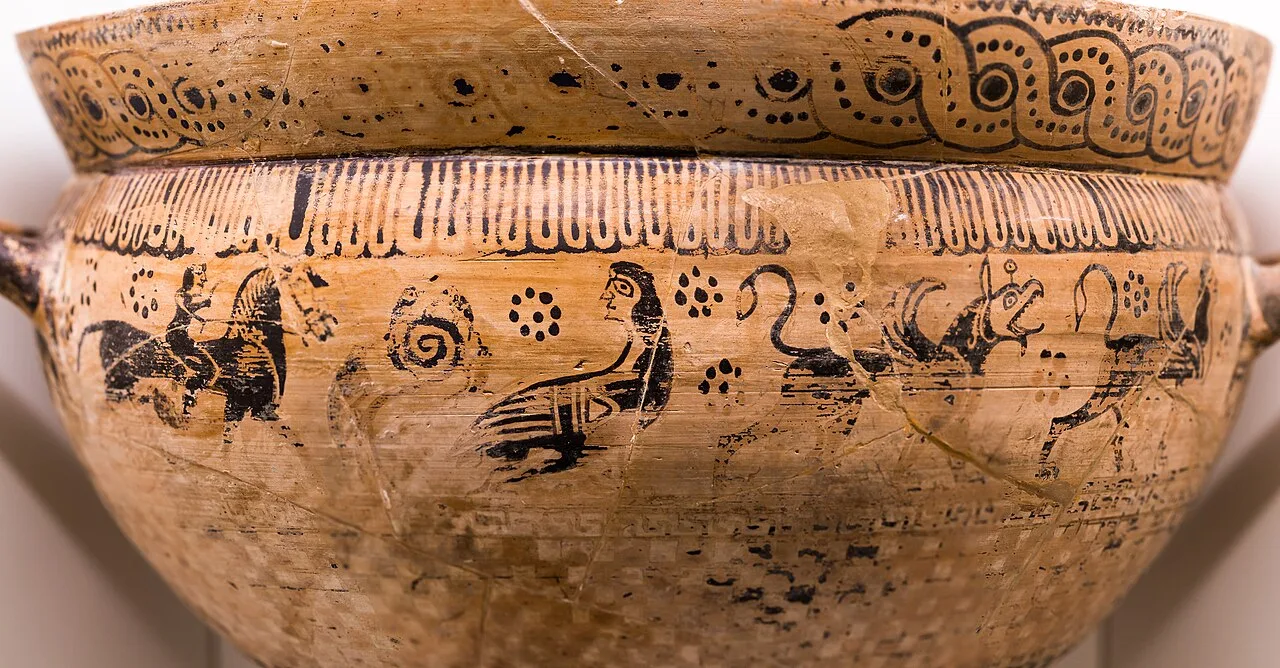 5 Mar 2024Art History: From Paleolithic to Modern ArtThirty-six thousand years ago someone entered a cave in southern France and drew a pride of lions by firelight, bodies overlapping to suggest depth, muscles implied by contour. They were cognitively identical to us and we know nothing else about them. Art history tries to understand not just what objects look like but what they meant, and keeps reassessing whose art counts as part of the canon.
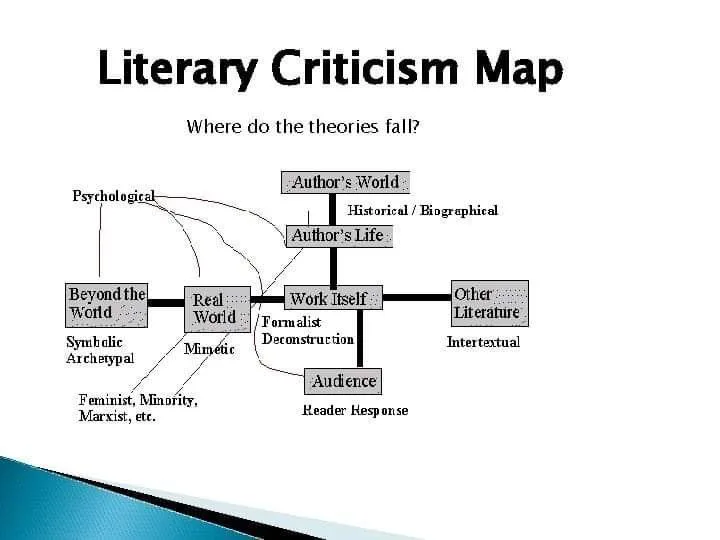 4 Mar 2024The Complexity of Literature: Defining its EssenceThe oldest substantial literary text we hold turns on a king shattered by a friend's death who fails to find immortality and goes home. The page then shows definitions giving way under pressure, since Eagleton spends a chapter dismantling them, while Parry's discovery that Homeric phrases were metrical building blocks for composing in performance means the epics had no single author in the modern sense.
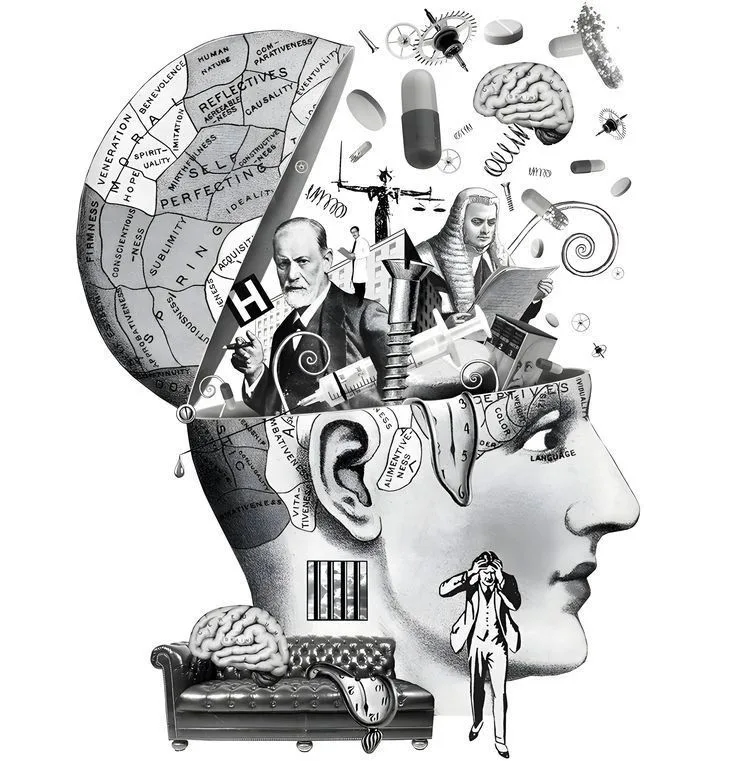 8 Jul 2023The Psychology Behind Art: Understanding Its ImpactImaging separates the responses, since works judged beautiful activate reward circuits while works people call moving additionally recruit the default mode network, the system used for self-reference and reading other minds. That is why a canvas of pure color relationships can hit as hard as a face in grief. Making art helps too, with 45 minutes measurably lowering cortisol regardless of skill.
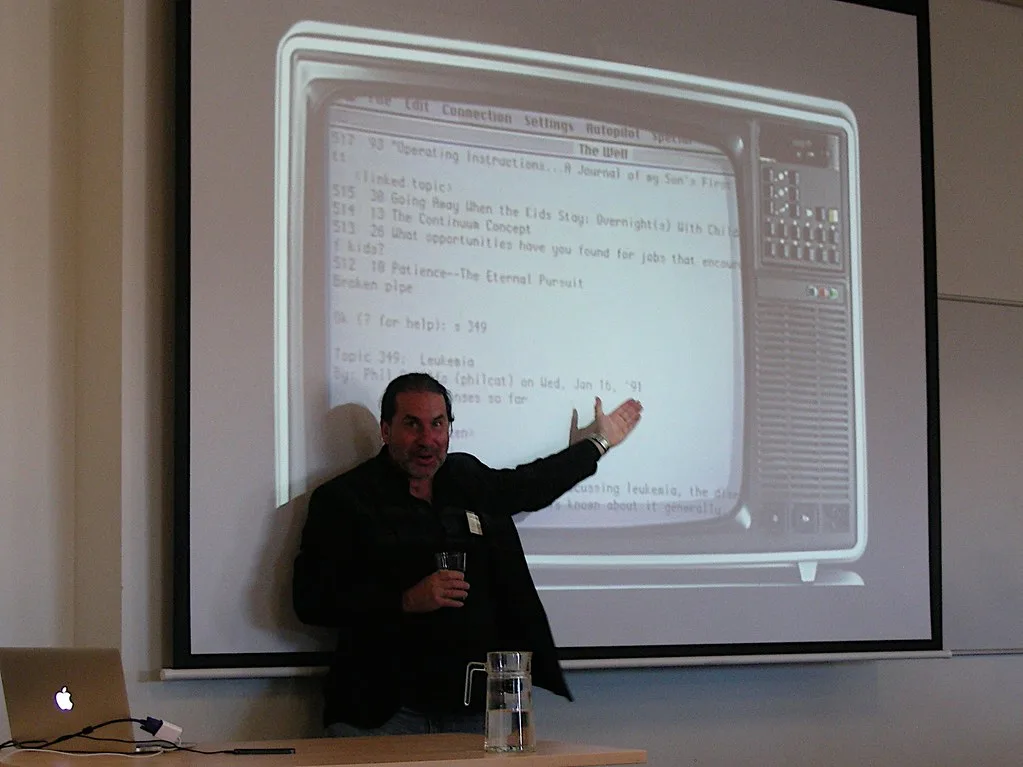 7 Jul 2023The History of the InternetThe first ARPANET message, sent on October 29, 1969, was meant to read "login" but the receiving machine at Stanford Research Institute crashed after two letters, leaving "lo." The decisions that followed mattered more: Cerf and Kahn's 1974 TCP/IP paper, and CERN's release of the web into the public domain in April 1993, with Berners-Lee taking no patent. The dot-com crash then destroyed roughly $5 trillion in market value but left the fiber behind.
 6 Jul 2023Photography Through the Ages: A Complete HistoryThe history of photography from the camera obscura to AI image generation. The oldest surviving photograph, made around 1826, required roughly an eight-hour exposure, so the sun moved across the sky and lit the rooftops from both sides. Talbot's negative gave photography reproducibility. Lange's Migrant Mother was the sixth of six frames and had a thumb retouched out of the negative. Kodak's Steven Sasson built a digital camera prototype in 1975 that the company shelved.
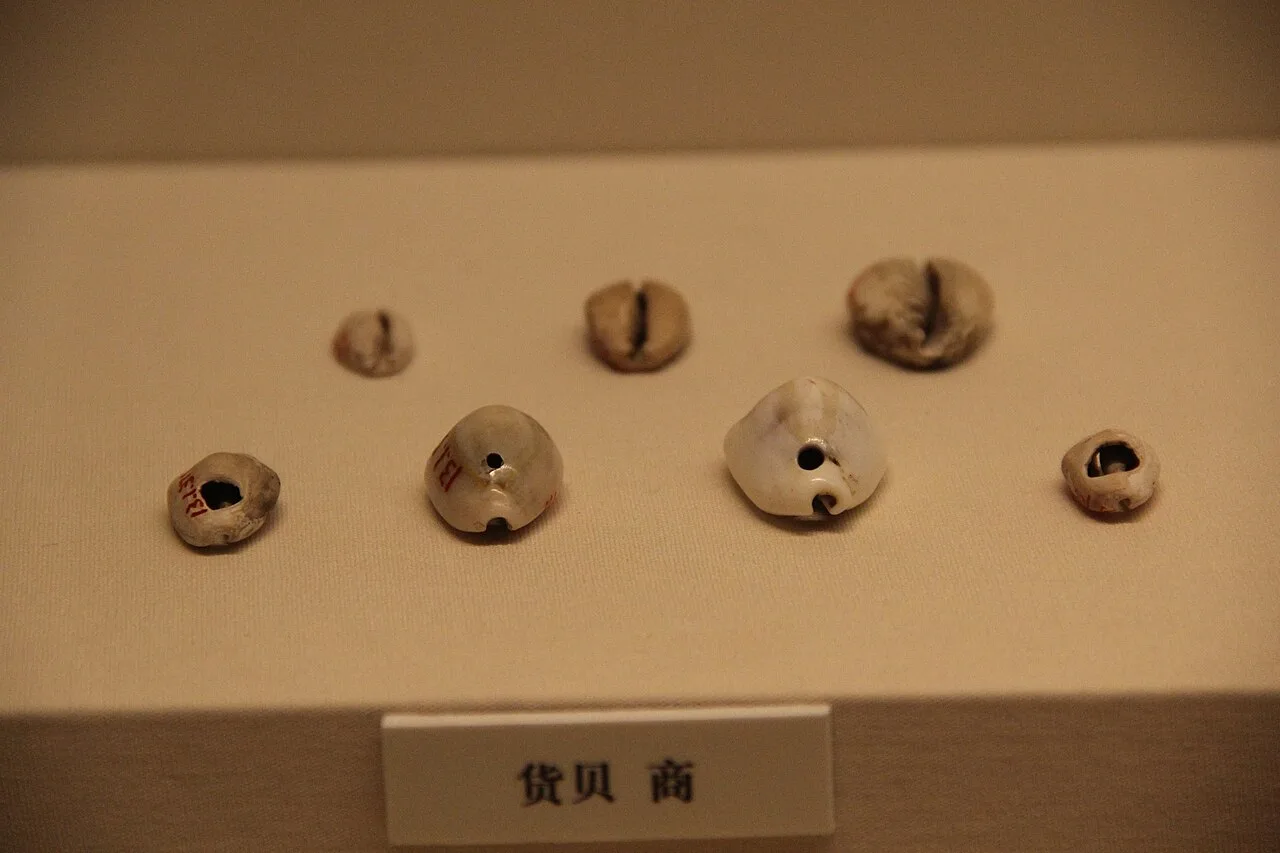 5 Jul 2023A Complete History of Money: From Barter to CryptoThe earliest written records, Sumerian clay tablets from around 3000 BCE, are accounts of debts and credits, so money grew out of tracking obligations rather than swapping goods. What made Lydian coins work was the king's stamp guaranteeing weight and purity, not the metal itself. The recurring failure is debasement, with the Roman denarius falling from about 85 percent silver under Augustus to under 5 percent by 270 CE.
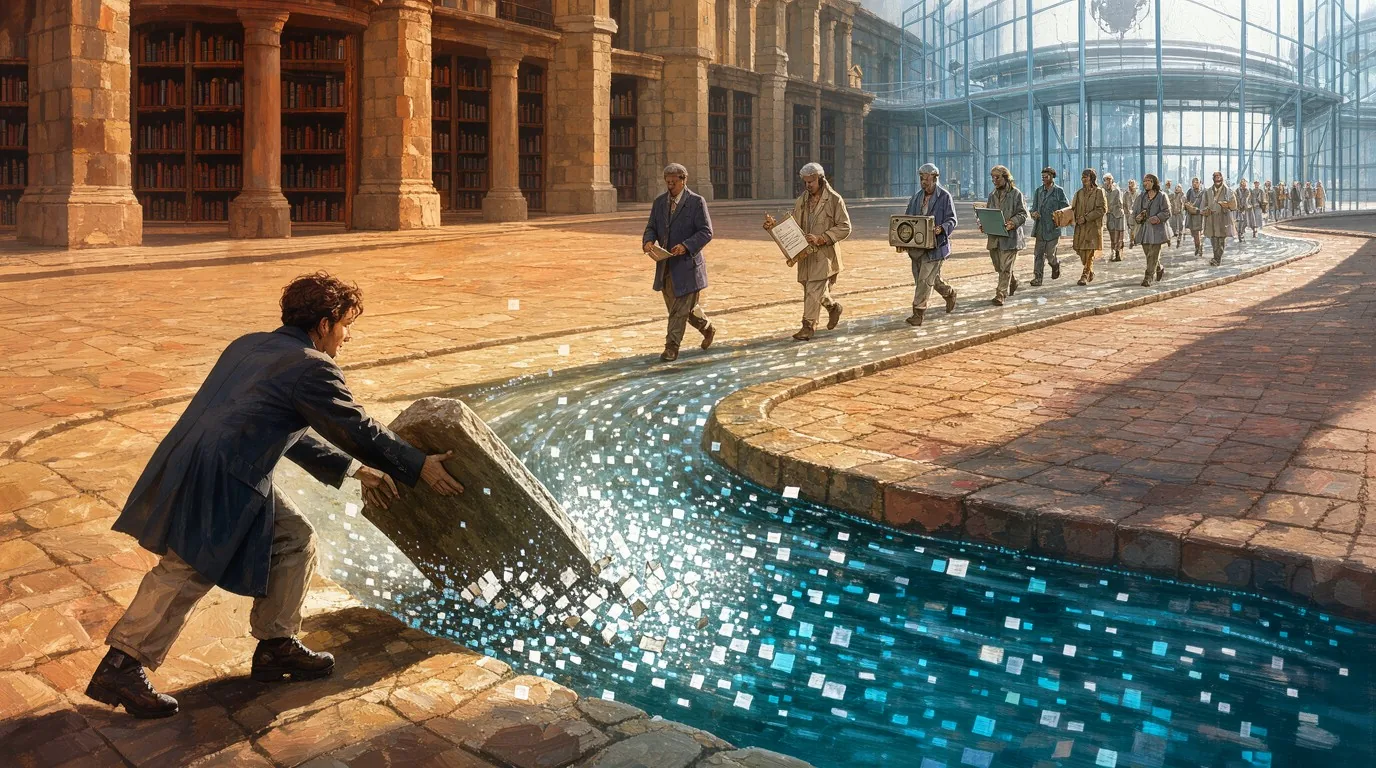 7 Jun 2023The Evolution of Social Media: Key MilestonesBroadband was scarce, digital cameras were rare, and the habit of documenting life online had not formed yet. Friendster then turned down a reported $30 million from Google and collapsed under page load times its engineers could not scale. The decisive later change was quieter: YouTube switched its recommender from view count to watch time in 2012, and provocative content held attention best.
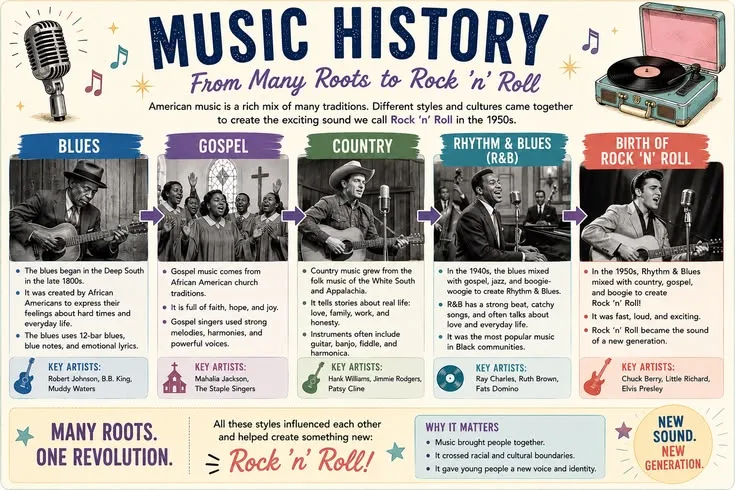 14 Jun 2022What Is the History of Music?The earliest confirmed instrument is the Hohle Fels vulture-bone flute from the Swabian Jura, radiocarbon dated to roughly 43,000 to 40,000 years ago, with five finger holes and a V-shaped mouthpiece. From there this history runs through the Hurrian Hymn to Nikkal of about 1400 BCE, Guido d'Arezzo's staff notation around 1000 CE, Renaissance counterpoint, Schoenberg's break with tonality, jazz, hip-hop's 1973 Bronx origins, and streaming economics.
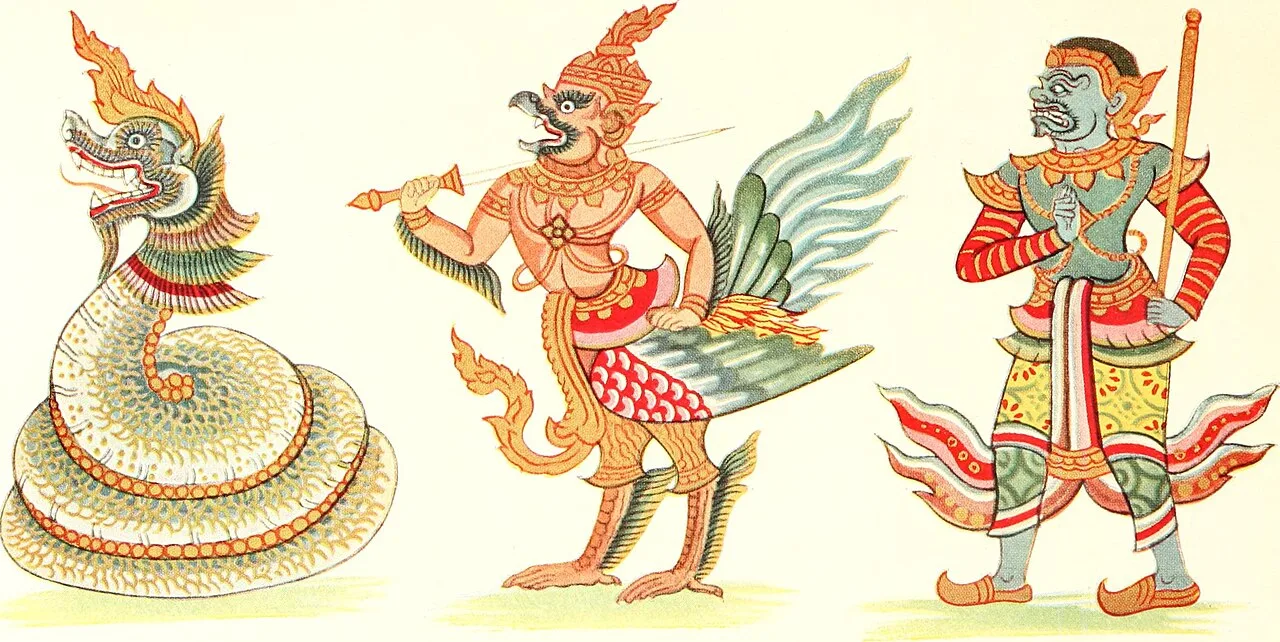 13 Jun 2022What Is Mythology?In scholarship, myth is not a synonym for falsehood. William Bascom's 1965 classification separates myths, set in primordial sacred time with divine actors and held to be true, from legends and from folktales told as fiction. Georges Dumezil found one three-way split of sovereign, martial and productive functions across Indo-European pantheons: Odin, Thor and Freyr; Varuna, Indra and the Ashvins; Jupiter, Mars and Quirinus.
 12 Jun 2022What Is Media Studies?Vosoughi, Roy and Aral analyzed twelve years of Twitter data in Science in 2018 and found false stories spread faster, further and more broadly than true ones, with human users rather than bots doing the sharing, because false stories were more novel and novelty drives sharing. That result sits in a field running from McLuhan, through McCombs and Shaw on agenda setting, to Gerbner's mean world syndrome.