
Checklists, Templates & Cheatsheets
Decision-Making Checklist for Uncertain Situations
Identify biases like confirmation bias. List assumptions explicitly. Consider alternatives. Define criteria. Test decisions at small scale first.
Challenge yourself with 60 interactive questions on checklists, templates, cheatsheets, quick references, practical tools, and ready-to-use resources. Choose between practice mode for instant feedback or test mode for comprehensive assessment.
Choose your preferred learning mode and start testing your checklists, templates, and cheatsheet knowledge. Each mode is designed to help you learn effectively.
Learn as you go with instant feedback after each question. See detailed explanations, understand your mistakes, and discover related articles to deepen your knowledge.
Simulate real exam conditions by answering all questions first. Review your complete performance at the end with comprehensive feedback and scoring breakdown.
Questions cover multiple difficulty levels and all key checklist and template concepts. Your results help identify strengths and areas for improvement.
Get detailed performance analytics, see your score breakdown, and receive personalized recommendations for further study based on your results.
Select how you want to test your knowledge
Get instant feedback after each question with detailed explanations and related resources. Perfect for learning and building understanding.
Answer all questions first, then see comprehensive results. Simulates real exam conditions for true assessment of your knowledge.
Continue learning with our latest articles
Identify biases like confirmation bias. List assumptions explicitly. Consider alternatives. Define criteria. Test decisions at small scale first.
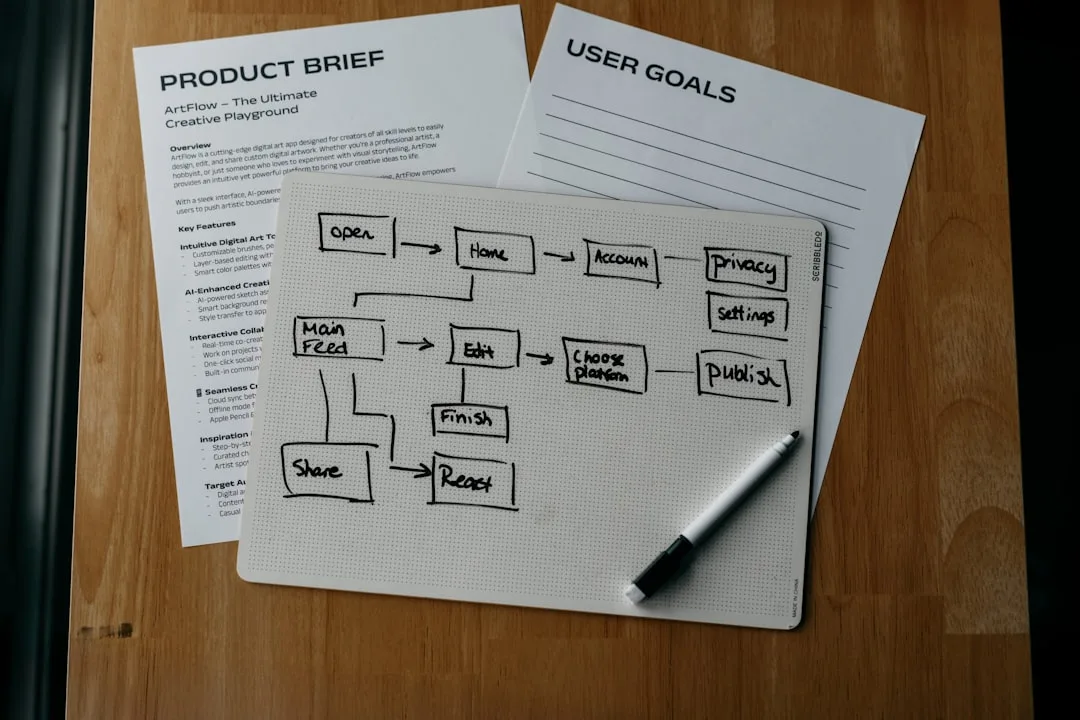
State value proposition—why should they care? Know your audience. Set clear goals. Measure what matters. Iterate based on results.

Put main point upfront—don't bury the lead. Use concrete examples. Define jargon. Check audience understanding through questions.

Metrics design checklist: Is it aligned with goals? Actionable and influenceable? Gameable by cheating? Leading or lagging indicator?
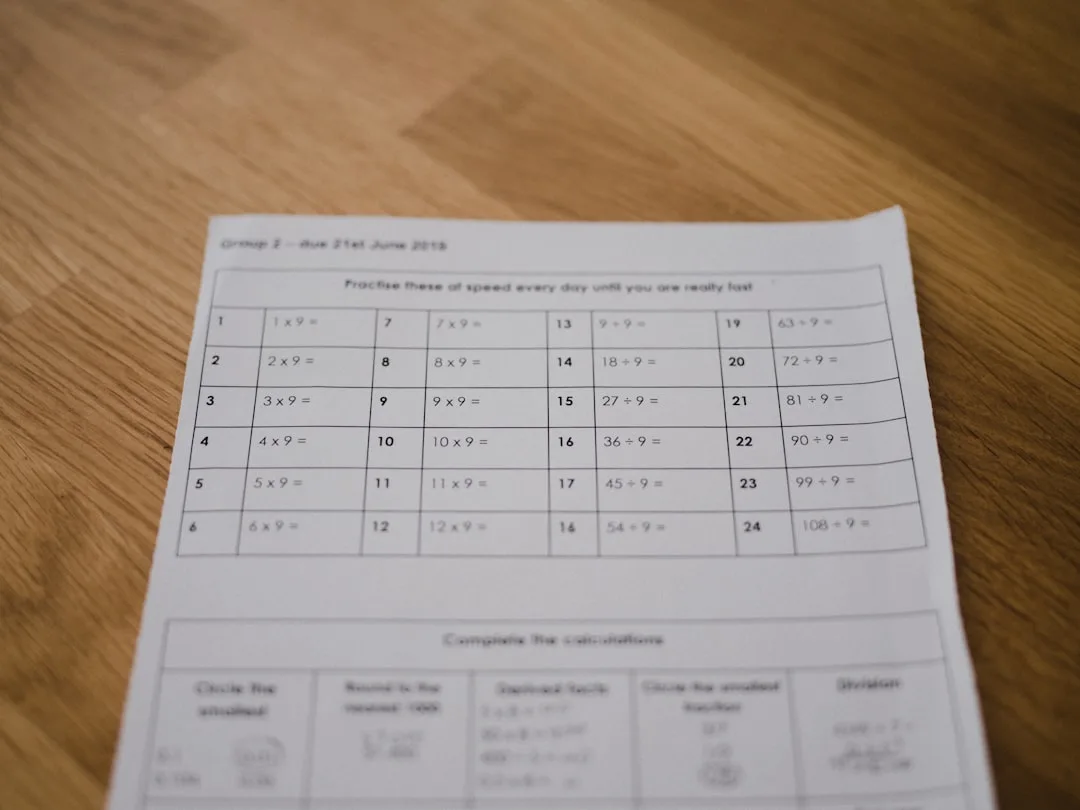
Test yourself frequently. Space reviews over time. Interleave topics rather than blocking. Elaborate by connecting new to existing knowledge.

Who benefits and who's harmed? Is it fair to everyone? Would it be acceptable if made public? Does it align with stated values?
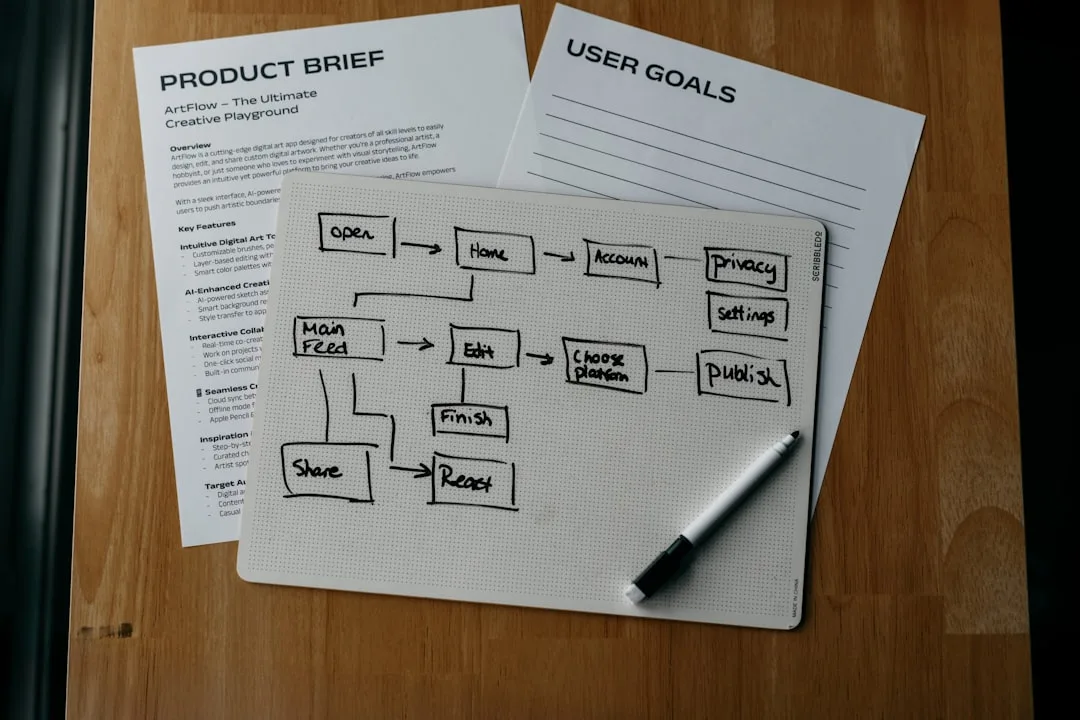
Use prioritization methodsnot everything matters equally. Time-block focused work. Minimize context switching. Review and adjust regularly.
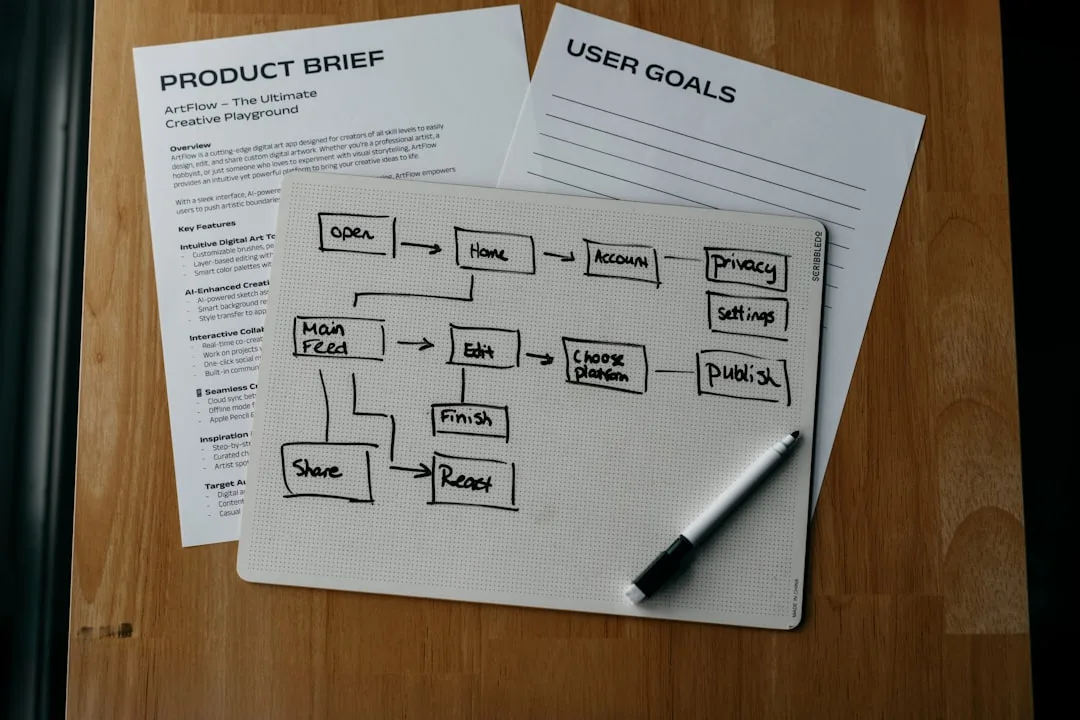
Define problem clearly. Identify root causes. List constraints like time and resources. Generate solutions. Test and iterate.

Identify risks. Assess probability and impact. Prioritize based on severity. Plan mitigation strategies. Monitor continuously.
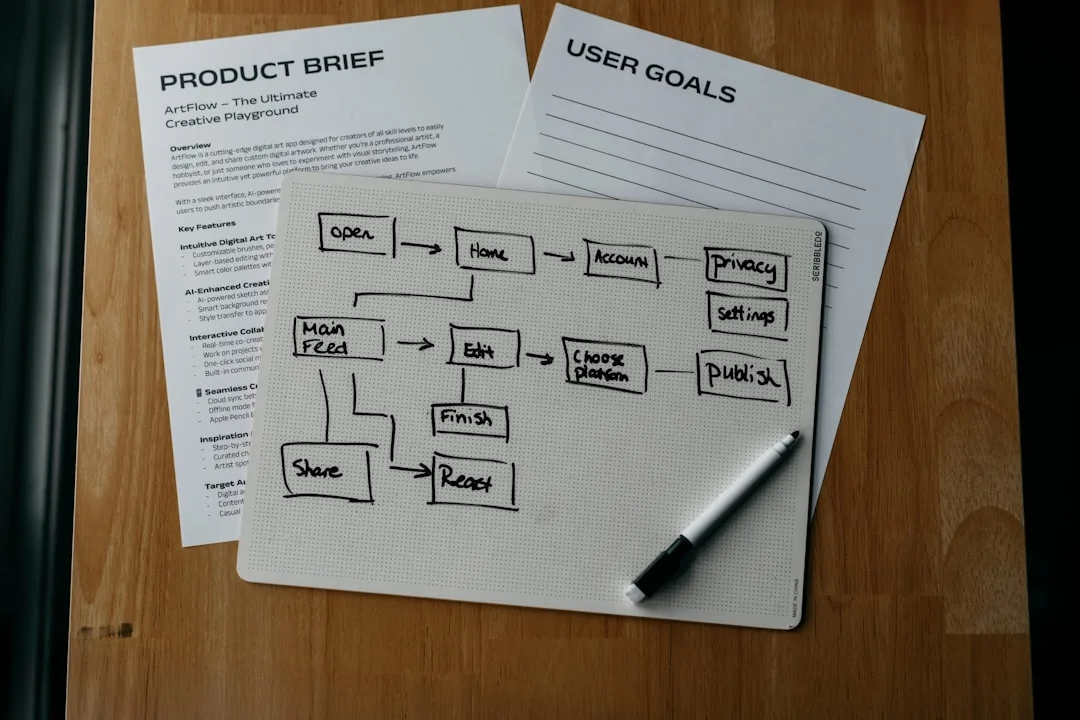
Project planning checklist: Clear objective? Success criteria defined? Scope boundaries set? Stakeholders identified?