
Systems & Complexity
Delays in Systems Explained
Delays separate action from consequence in systems. Turn shower knob, water stays cold, turn more, then scalding. Delays cause overshooting.
Challenge yourself with interactive questions on systems thinking, complexity theory, emergence, feedback loops, and network effects. Master essential systems and complexity concepts through interactive learning.
Choose your preferred learning mode and start testing your systems thinking and complexity knowledge. Each mode is designed to help you learn effectively.
Learn as you go with instant feedback after each question. See detailed explanations, understand your mistakes, and discover related articles to deepen your knowledge.
Simulate real exam conditions by answering all questions first. Review your complete performance at the end with comprehensive feedback and scoring breakdown.
Questions cover multiple difficulty levels and all key systems thinking and complexity concepts. Your results help identify strengths and areas for improvement.
Get detailed performance analytics, see your score breakdown, and receive personalized recommendations for further study based on your results.
Select how you want to test your knowledge
Get instant feedback after each question with detailed explanations and related resources. Perfect for learning and building understanding.
Answer all questions first, then see comprehensive results. Simulates real exam conditions for true assessment of your knowledge.
Continue learning with our latest articles
Delays separate action from consequence in systems. Turn shower knob, water stays cold, turn more, then scalding. Delays cause overshooting.
Feedback loops: Output affects input. Reinforcing loops amplify change like compound interest. Balancing loops stabilize like thermostats.
Linear: A causes B causes C. Systems: A affects B, B affects C, C loops back to A. Feedback loops, interconnections, and delays create complexity.
Changing paradigms is most powerful. System goals matter more than rules. Feedback loops amplify or dampen effects. Parameters have least leverage.
Traffic jams emerge from individual drivers' behavior without central coordination. Complex patterns arise from simple rules applied by many agents.
Complex systems behave unexpectedly through emergence, non-linearity where small causes create big effects, and cascading feedback loops.
A system has components, relationships between them, a function or purpose, and boundaries defining what's inside versus outside.
Value increases as more people use it. Phones connect more people. Social networks attract friends. Marketplaces bring buyers and sellers together.
Optimization removes slack needed for adaptation. Maximizing one variable often degrades others. Perfect efficiency creates fragility.

Fixes backfire when they address symptoms instead of root causes, create new problems through unintended consequences, or shift problems elsewhere.
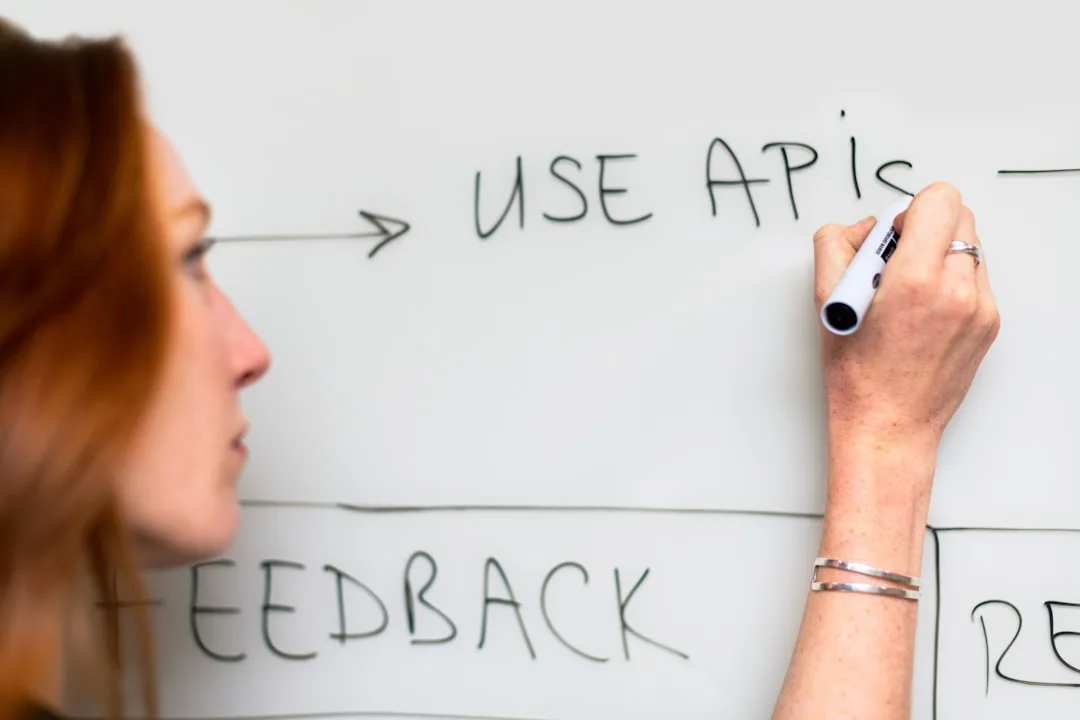
Feedback loops are how systems regulate themselves. James Watt's centrifugal governor. The 1987 Black Monday crash caused by portfolio insurance.
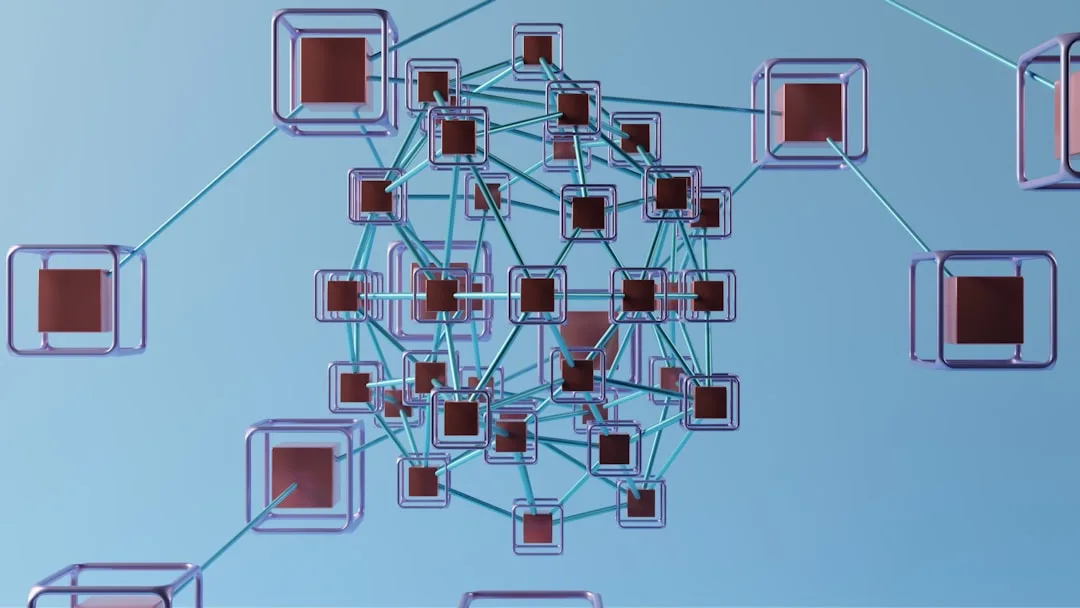
AI is transforming medicine, labor markets, and governance in real time. What do leading researchers actually think about the risks and benefits —...