
Learning, Science & Knowledge
The Testing Effect: Quizzing Yourself for Better Retention
The testing effect is one of the most robust findings in learning science: retrieval practice produces better long-term retention than repeated...
Challenge yourself with interactive questions on learning methodologies, knowledge management, scientific method, epistemology, and pedagogy. Master essential learning science concepts and deepen your understanding of how we acquire and manage knowledge.
Choose your preferred learning mode and start testing your learning, science, and knowledge management expertise. Each mode is designed to help you learn effectively.
Learn as you go with instant feedback after each question. See detailed explanations, understand your mistakes, and discover related articles to deepen your knowledge.
Simulate real exam conditions by answering all questions first. Review your complete performance at the end with comprehensive feedback and scoring breakdown.
Questions cover multiple difficulty levels and all key learning methodologies and knowledge management concepts. Your results help identify strengths and areas for improvement.
Get detailed performance analytics, see your score breakdown, and receive personalized recommendations for further study based on your results.
Select how you want to test your knowledge
Get instant feedback after each question with detailed explanations and related resources. Perfect for learning and building understanding.
Answer all questions first, then see comprehensive results. Simulates real exam conditions for true assessment of your knowledge.
Continue learning with our latest articles
The testing effect is one of the most robust findings in learning science: retrieval practice produces better long-term retention than repeated...

The Feynman Technique explained with the cognitive research that supports it. Four steps, worked examples from physics to coding, and why teaching...

Nine evidence-based learning methods including active recall, spaced repetition, Feynman technique, and deliberate practice, with study schedules...

How spaced repetition works from Ebbinghaus to FSRS: the forgetting curve, SM-2 algorithm, Anki implementation, optimal intervals, and the...
Deliberate practice is focused training with immediate feedback that pushes beyond current ability to build expertise through systematic improvement.
Chess masters see board positions as patterns, not individual pieces. Experts chunk information into meaningful units, enabling fast pattern...
Re-reading and highlighting feel productive but are weak learning methods. Retrieval practice, spacing, and interleaving create durable understanding.

Information is raw facts; knowledge is information integrated with understanding, context, and application. Reading alone is not learning.

Deliberate practice pushes beyond comfort zones with feedback. Time alone doesn't create expertisefocused effort at the edge of ability does.
Encoding creates memories; storage preserves them; retrieval strengthens them. Testing yourself embeds knowledge better than re-reading ever could.
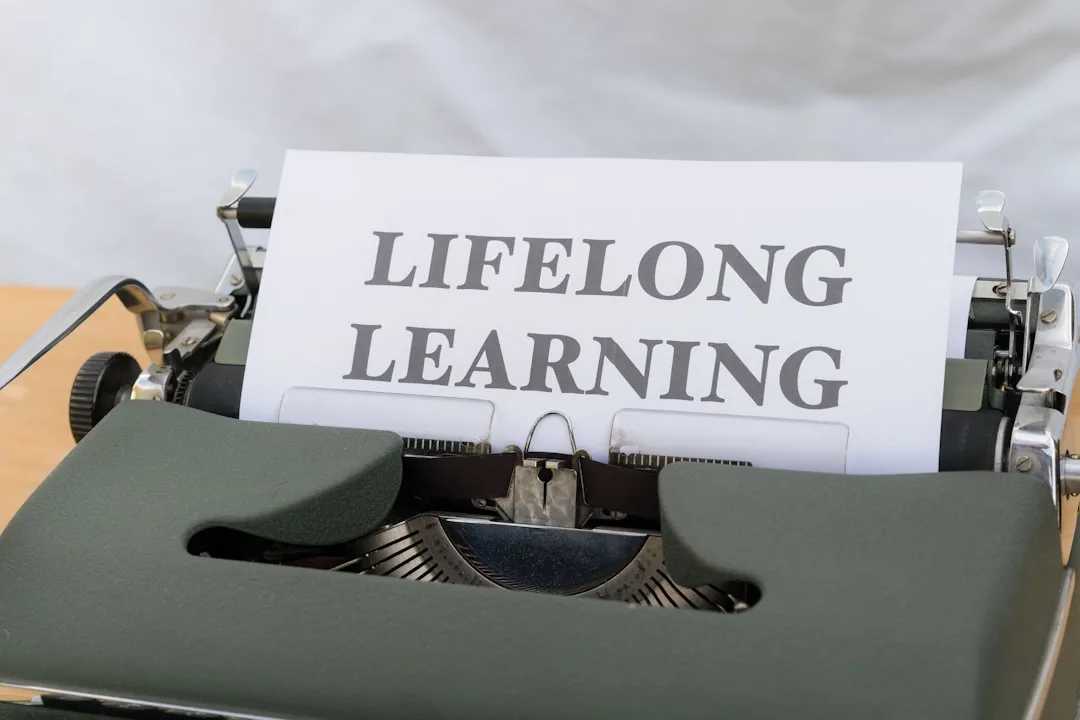
Repetition alone doesn't create knowledge because it's passive. Re-reading builds familiarity, not understanding. Knowledge requires active retrieval.
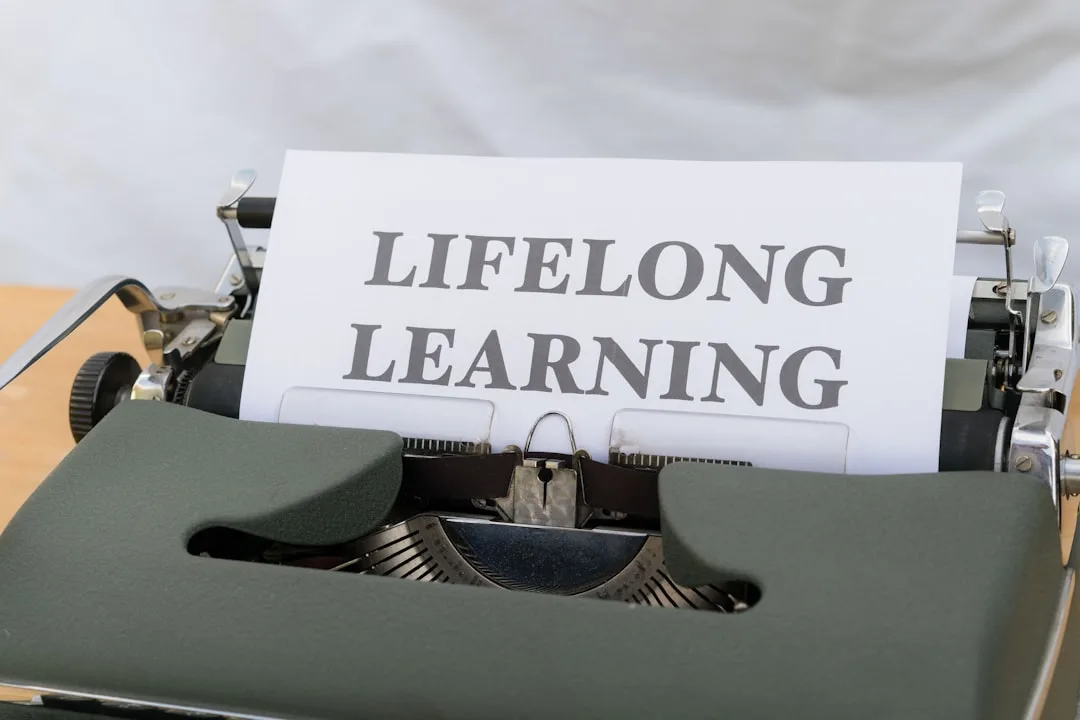
Learning myths debunked: Learning styles have no evidence, 10% brain myth is false—you use all of it, left-brain/right-brain is oversimplified.