Psychology & Behavior
Understanding Cognitive Biases with Examples
Cognitive biases: confirmation bias seeking supporting evidence, anchoring to first numbers, availability bias valuing recent events, and sunk cost...
Challenge yourself with interactive questions on cognitive biases, behavioral science, heuristics, nudges, and psychological frameworks. Master essential psychology and behavioral concepts through interactive learning.
Choose your preferred learning mode and start testing your psychology and behavioral science knowledge. Each mode is designed to help you learn effectively.
Learn as you go with instant feedback after each question. See detailed explanations, understand your mistakes, and discover related articles to deepen your knowledge.
Simulate real exam conditions by answering all questions first. Review your complete performance at the end with comprehensive feedback and scoring breakdown.
Questions cover multiple difficulty levels and all key psychology and behavioral science concepts. Your results help identify strengths and areas for improvement.
Get detailed performance analytics, see your score breakdown, and receive personalized recommendations for further study based on your results.
Select how you want to test your knowledge
Get instant feedback after each question with detailed explanations and related resources. Perfect for learning and building understanding.
Answer all questions first, then see comprehensive results. Simulates real exam conditions for true assessment of your knowledge.
Continue learning with our latest articles
Cognitive biases: confirmation bias seeking supporting evidence, anchoring to first numbers, availability bias valuing recent events, and sunk cost...
Loss aversion: losses hurt more than equal gains feel good. Mental accounting treats money differently. Anchoring locks onto first numbers seen.
Heuristics are mental shortcuts for fast decisions: availability judges by what comes to mind, representativeness by similarity to stereotypes.
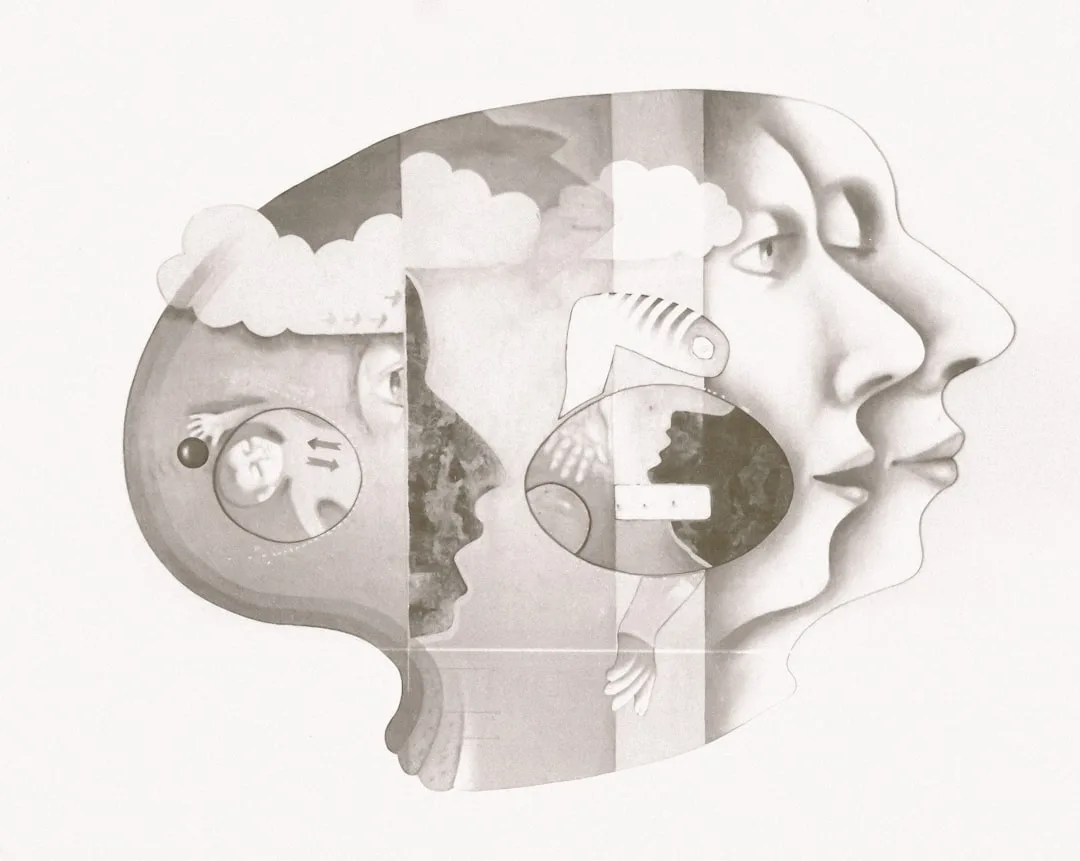
The mind works through dual systems: System 1 is fast, automatic, emotional, and unconscious. System 2 is slow, deliberate, logical, and conscious.
Intention-action gap: you plan to exercise but don't. Social desirability bias: you say one thing, do another. Habits override intentions.
Emotional reasoning is when feelings determine conclusions: 'I feel anxious, therefore danger is real.' Emotions as evidence hijack good judgment.
Knowing about confirmation bias doesn't stop you from seeking confirming evidence. Awareness helps but doesn't eliminate automatic cognitive patterns.
Conformity matches group behavior. Social proof follows crowds. Authority bias obeys experts.
You intend to exercise, but the couch is comfortable. Past behavior predicts future actions better than stated intentions do.
Intelligence doesn't prevent bias. Overconfidence makes smart people overestimate ability. Blind spots persist regardless of IQ.

Global mental health rates have shifted dramatically, especially among adolescents since 2012.
Psychology became a science in 1879 when Wilhelm Wundt opened the first experimental laboratory.