
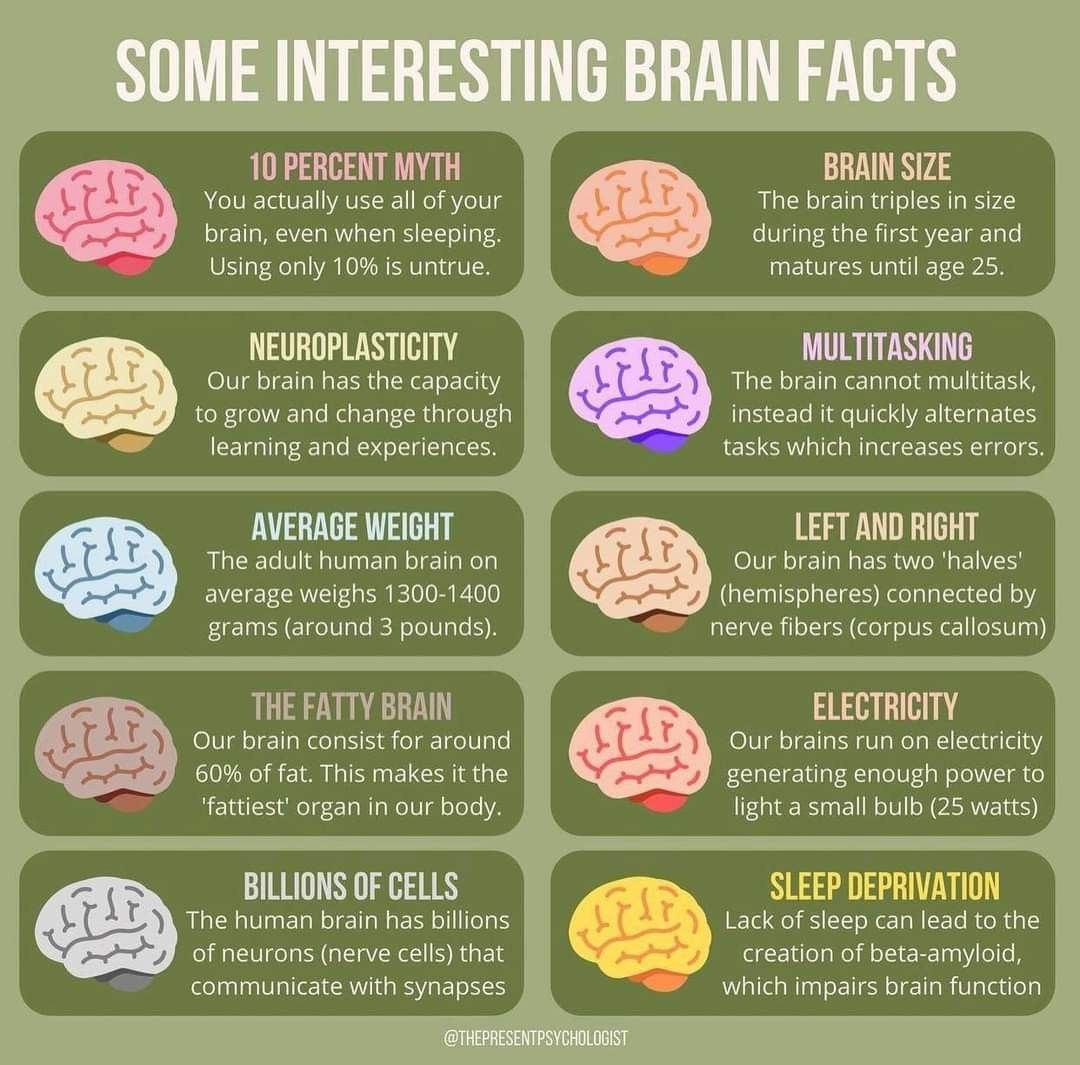
Neuroscience investigates how brains produce behavior, thought, memory, emotion, and conscious experience through neurons, synapses, circuits, and signaling systems. Neuroscience basics span molecular, systems, cognitive, computational, and clinical research. Advances in staining, electrophysiology, brain imaging, and optogenetics have revealed more of the brain's workings while also exposing the limits of each method's evidence.
The human brain contains approximately 86 billion neurons, each connected to thousands of others through trillions of synapses.
It consumes roughly 20 percent of the body's energy while comprising only 2 percent of its mass, processes sensory information in milliseconds, stores memories that can persist for decades, generates language and mathematics and art, and produces the continuous experience of being a conscious self.
Understanding how it accomplishes all of this is the project of neuroscience - a project so vast and so difficult that the discipline has existed in recognizable form for barely a century and has made its most dramatic advances in the past thirty years.
Neuroscience is not a single discipline but a confederation of related ones. Molecular and cellular neuroscientists study the ion channels, receptors, and signaling cascades within and between neurons. Systems neuroscientists trace the circuits mediating specific sensory, motor, and cognitive functions.
Cognitive neuroscientists use brain imaging and behavioral experiments to understand the neural bases of perception, attention, memory, language, emotion, and decision-making.
Computational neuroscientists build mathematical models of neural networks. Clinical neuroscientists investigate the neurological and psychiatric disorders that arise when these systems malfunction.
All of these subfields are linked by the common conviction that the mind is what the brain does - that understanding behavior and experience ultimately requires understanding the physical substrate that produces them.
The history of neuroscience is also the history of the tools that made it possible: the silver staining technique that revealed individual neurons, the patch-clamp electrode that measured the flow of ions through a single channel, the fMRI scanner that showed which brain regions became active during mental tasks, and, most recently, optogenetics - the technology that lets researchers control the activity of specific neurons with pulses of light.
Each new tool opened vistas that previous generations could not have imagined, and each has also generated new debates about the limits of what can be known from the evidence the tool provides.
"The brain is the last and grandest biological frontier, the most complex thing we have yet discovered in our universe." - James Watson
Key Definitions
Neuron: The fundamental cellular unit of the nervous system; a specialized cell that generates and transmits electrical signals (action potentials) and communicates with other neurons through chemical and electrical synapses.[12]
Action potential: The brief, self-propagating electrical impulse that travels along a neuron's axon; the basic unit of neural signaling, arising from the sequential opening of voltage-gated ion channels.
Synapse: The junction between two neurons at which a presynaptic neuron releases neurotransmitter molecules that bind to receptors on the postsynaptic neuron, altering its activity.
Long-term potentiation (LTP): The sustained strengthening of synaptic transmission following high-frequency stimulation; the leading cellular model of how memories are stored in the brain.
Connectome: The complete map of all neural connections in a nervous system; currently achievable for small organisms, with large-scale mapping of mammalian nervous systems an active frontier.[10]
Major Neurotransmitter Systems and Their Functions
| Neurotransmitter | Primary type | Key brain regions | Main function | Disorder when disrupted | Notable pharmacology |
|---|---|---|---|---|---|
| Glutamate | Excitatory | Widespread; cortex, hippocampus, cerebellum | Primary excitatory drive; memory (LTP); sensory processing | Excess: excitotoxicity in stroke/TBI; excess NMDA block: psychosis-like states | Ketamine (NMDA antagonist, anesthetic/antidepressant); memantine (Alzheimer's) |
| GABA | Inhibitory | Widespread; interneurons throughout brain | Primary inhibitory brake; anxiety modulation; sleep | Deficit: seizures, anxiety; excess sedation: anesthesia | Benzodiazepines (GABA-A potentiators); alcohol (GABA enhancement); barbiturates |
| Dopamine | Modulatory | Substantia nigra striatum; VTA prefrontal cortex | Reward learning; motivation; motor control; working memory | Parkinson's (nigral depletion); schizophrenia (excess mesolimbic); addiction | L-DOPA (Parkinson's); antipsychotics (D2 blockers); stimulants (release/block reuptake) |
| Serotonin (5-HT) | Modulatory | Raphe nuclei widespread | Mood; sleep; appetite; social behavior | Depression; anxiety; OCD | SSRIs; SNRIs; psychedelics (5-HT2A agonists) |
| Norepinephrine | Modulatory | Locus coeruleus widespread | Arousal; attention; fight-or-flight; consolidation of emotional memories | ADHD; PTSD; depression | SNRIs; atomoxetine; beta-blockers (peripheral NE); propranolol for PTSD |
| Acetylcholine | Both (context-dependent) | Basal forebrain cortex/hippocampus; neuromuscular junction | Attention; memory; REM sleep; muscle contraction | Alzheimer's (cortical loss); myasthenia gravis; organophosphate poisoning | Donepezil (ACh esterase inhibitor); nicotine; atropine (muscarinic block) |
| Endorphins / opioids | Modulatory (inhibitory) | Periaqueductal gray; nucleus accumbens; spinal cord | Pain modulation; reward; stress response | Addiction; dependence; chronic pain | Opioid analgesics (mu-receptor agonists); naloxone (reversal) |
The Origins of Modern Neuroscience
Ramon y Cajal and the Neuron Doctrine
Before the neuron doctrine was established, neuroanatomists debated the fundamental organization of the nervous system. The dominant view through much of the nineteenth century held that the nervous system was a continuous reticulum - a fused network of tissue without distinct cellular boundaries.
This reticulum theory was supported, paradoxically, by Camillo Golgi, who had invented the silver chromate staining technique that would eventually refute it.
The Golgi stain allowed individual nerve cells to be visualized with remarkable clarity in a tissue sample, but Golgi interpreted what he saw as evidence for the reticulum.
Santiago Ramon y Cajal, a Spanish histologist who obtained the Golgi stain's formula in 1888, applied it with extraordinary technical skill and systematic patience, producing detailed drawings of neural circuits throughout the central nervous system - from the hippocampus to the cerebellum to the retina.[1]
His preparations showed individual cells with processes extending into but not fusing with the processes of neighboring cells. He concluded that the nervous system was composed of discrete cells - neurons - connected by contact rather than continuity.
This neuron doctrine became the anatomical foundation of all subsequent neuroscience. Cajal and Golgi shared the 1906 Nobel Prize in Physiology or Medicine, an occasion at which Golgi used his acceptance lecture to argue against Cajal's interpretation of his own data.
Charles Sherrington complemented Cajal's anatomical insights with physiological ones.[11]
His "The Integrative Action of the Nervous System" (1906) described how sensory information from multiple sources was integrated at spinal motor neurons to produce coordinated behavior, and introduced the concept of the synapse - from the Greek for "clasp" - for the functional junction between neurons.
Sherrington's concept was physiological, not yet anatomical; the physical gap between neurons was not confirmed by electron microscopy until the 1950s. He received the Nobel Prize in 1932.
Neurons and Synapses: The Electrical and Chemical Language of the Brain
Action Potentials
The action potential is the neuron's output signal: a brief, stereotyped electrical impulse that propagates down the axon and triggers neurotransmitter release at the synaptic terminal.
Its biophysical mechanism was established by Alan Hodgkin and Andrew Huxley through a series of elegant voltage-clamp experiments on the giant axon of the squid Loligo in the early 1950s.[2]
Using electrodes inserted directly into the axon, they measured ionic currents across the membrane at controlled voltages, identifying and mathematically characterizing the sodium and potassium conductances responsible for the action potential's shape.
Their model - a set of differential equations predicting the time course of the action potential - agreed quantitatively with their experimental measurements and is still used today. Hodgkin and Huxley received the Nobel Prize in 1963.
The action potential is all-or-nothing: once membrane depolarization reaches threshold, the full spike fires regardless of the size of the triggering stimulus. Information is encoded not in the amplitude of individual spikes but in their rate and timing.
A single auditory neuron, for example, might fire at 10 spikes per second in silence and 100 spikes per second in response to a loud tone. The downstream neurons that receive these spikes integrate their timing and rate to compute the features of the sound.
Synaptic Transmission
When an action potential arrives at the presynaptic terminal, it opens voltage-gated calcium channels; calcium influx triggers the fusion of neurotransmitter-containing vesicles with the membrane, releasing the neurotransmitter into the synaptic cleft.
The neurotransmitter molecules diffuse across the cleft - typically 20 to 40 nanometers wide - and bind to receptor proteins on the postsynaptic membrane. Ionotropic receptors are themselves ion channels that open upon ligand binding; metabotropic receptors activate intracellular signaling cascades through G proteins.
The result is a change in the postsynaptic cell's membrane potential: excitatory synapses move the potential toward threshold (typically through sodium or calcium influx), while inhibitory synapses move it away from threshold (through chloride influx or potassium efflux).
The major neurotransmitters define the brain's chemical architecture. Glutamate is the primary excitatory transmitter, present at the majority of synapses.
GABA (gamma-aminobutyric acid) is the primary inhibitory transmitter; its action is enhanced by alcohol and benzodiazepines (the mechanism of their calming effects) and blocked by convulsant toxins like picrotoxin.
Dopamine, produced in small subcortical nuclei, is critical for reward learning, motivation, and motor control; its depletion causes Parkinson's disease and its dysregulation is implicated in addiction and schizophrenia.
Serotonin modulates mood, sleep, and appetite; the monoamine hypothesis of depression centered on its role. Norepinephrine mediates arousal and attention. Acetylcholine is the transmitter at the neuromuscular junction (where neurons contact muscles) and is critical for memory and attention within the brain.
Synaptic Plasticity
Synaptic strength is not fixed. Long-term potentiation (LTP), first described by Timothy Bliss and Terje Lømo in the hippocampus in 1973, is the sustained increase in synaptic efficacy following high-frequency stimulation.[3]
It embodies the Hebbian rule - neurons that fire together wire together - in a molecular mechanism: at glutamate synapses, NMDA receptors function as coincidence detectors, requiring both presynaptic glutamate release and postsynaptic depolarization to open.
Their calcium influx initiates a cascade that inserts additional AMPA receptors into the postsynaptic membrane and, over longer timescales, drives structural changes including dendritic spine growth. LTP is considered the cellular basis of memory formation; drugs that block NMDA receptors impair both LTP and spatial learning in rodents.
Brain Structure and Function
Lobes, Systems, and Hemispheres
The cerebral cortex - the deeply folded outer layer of the brain, about three millimeters thick and containing approximately 16 billion neurons - is divided into four lobes. The frontal lobe, comprising roughly a third of the cortex, handles executive function, working memory, planning, voluntary movement, and social cognition.
Its most posterior strip, the primary motor cortex, controls voluntary movement, with different body parts represented in the motor homunculus.
The parietal lobe processes somatosensory information and spatial cognition. The temporal lobe processes auditory information and is critical for object recognition, language comprehension, and memory. The occipital lobe is devoted to visual processing.
Beneath the cortex lie subcortical structures of equal importance. The hippocampus, a seahorse-shaped structure in the medial temporal lobe, is critical for forming new declarative memories and for spatial navigation.
The amygdala, adjacent to the hippocampus, is central to emotional learning, fear conditioning, and the processing of emotionally significant stimuli.
The basal ganglia, a collection of nuclei receiving input from the entire cortex, are involved in action selection, habit learning, and reward-based decision-making; their dysfunction underlies Parkinson's and Huntington's diseases.
The cerebellum, at the brain's posterior, coordinates movement timing and motor learning and is increasingly implicated in cognitive and emotional functions. The brainstem regulates basic vital functions including breathing, heart rate, and sleep-wake cycles.
Language and the Split Brain
Two cortical areas are particularly associated with language. Broca's area, in the left inferior frontal gyrus, was identified by the French surgeon Paul Broca in 1861 through autopsy of a patient named Louis Victor Leborgne, who had been able to say only the syllable "tan" for many years.
Damage to this region produces Broca's aphasia: effortful, telegraphic speech with preserved comprehension. Wernicke's area, in the left posterior superior temporal gyrus, was identified by Carl Wernicke in 1874; damage produces fluent but meaningless speech (word salad) with impaired comprehension - Wernicke's aphasia.
The two areas are connected by a white matter tract called the arcuate fasciculus, damage to which produces conduction aphasia.
The two cerebral hemispheres are connected by the corpus callosum, a massive bundle of approximately 200 million axons.
Roger Sperry at Caltech, working with Michael Gazzaniga on patients whose corpus callosum had been surgically cut to treat epilepsy, revealed that the two hemispheres can function as independent cognitive systems with different specializations.
Information presented to one visual field (processed by the contralateral hemisphere) could be reported verbally only by the left hemisphere (which houses language in most people), while the right hemisphere could demonstrate knowledge through non-verbal responses.
Sperry received the Nobel Prize in 1981; Gazzaniga's subsequent decades of research with split-brain patients have produced a rich map of hemispheric differences.
The Neuroimaging Revolution
From EEG to fMRI
The history of brain imaging is a history of escalating spatial and temporal resolution. Hans Berger, a German psychiatrist, recorded the first human electroencephalogram (EEG) in 1929 - electrical signals from the scalp reflecting the synchronized activity of populations of cortical neurons.
EEG has excellent temporal resolution (milliseconds) but poor spatial resolution; the skull and intervening tissue blur the signals substantially. Computerized tomography (CT), developed by Godfrey Hounsfield and awarded the Nobel Prize in 1979, provided structural images of the brain using X-rays but offered no functional information.
Positron emission tomography (PET) introduced functional brain imaging in the 1970s and 1980s, detecting the gamma rays emitted by injected radioactive tracers whose distribution reflects regional blood flow or metabolic activity.
It provided the first maps of which brain regions became more active during cognitive tasks, at a spatial resolution of about one centimeter.
Functional MRI, developed in its BOLD (blood oxygen level-dependent) form by Seiji Ogawa and colleagues around 1990, offered comparable spatial resolution without ionizing radiation and with much shorter preparation time, rapidly displacing PET for cognitive research.[7]
The Limits of Neuroimaging
The fMRI revolution generated enormous enthusiasm and tens of thousands of studies mapping cognitive functions onto brain regions. It also generated serious methodological concerns.
Edward Vul and colleagues' 2009 paper identified widespread "voodoo correlations" in social neuroscience: the practice of reporting correlation values between brain activation and behavioral measures that had been selected from the same dataset that was used to conduct the selection, producing artifactually inflated estimates.[5]
A 2016 analysis by Anders Eklund and colleagues found that standard software packages for fMRI analysis contained bugs producing false positive rates far exceeding their nominal levels, raising questions about the reliability of a large portion of the published literature.
More fundamentally, fMRI is vulnerable to the problem of reverse inference: the assumption that activation of a given brain region indicates the occurrence of a specific mental process.
Most brain regions participate in multiple functions; knowing that a region activates during a task does not establish which specific process the task engages.
Neuroimaging has been enormously informative at a coarse level but has been less successful at providing the kind of mechanistic understanding that comes from direct manipulation of neural circuits.
Optogenetics
Optogenetics, developed by Karl Deisseroth and Edward Boyden and colleagues in 2005, addresses the limitation of neuroimaging by providing a tool for directly manipulating specific neural circuits.[6] The technique uses genetic methods to express light-sensitive proteins called channelrhodopsins, derived from algae, in specific neuron types.
When illuminated with blue light through an implanted fiber optic, channelrhodopsin-expressing neurons can be activated with millisecond precision; inhibitory opsins can silence neurons on similar timescales.
This allows researchers to test causal claims about neural circuits - does activating neurons in the basolateral amygdala during learning enhance fear memory? - rather than merely correlating activity with behavior.
Optogenetics is not yet applicable to humans but has transformed basic neuroscience research and is advancing toward clinical applications.
Memory: The Patient HM
The most influential single case in the history of memory research is that of Henry Molaison, known during his lifetime only as H.M. In 1953, Molaison underwent bilateral removal of the medial temporal lobes, including most of the hippocampus and amygdala, to treat severe, intractable epilepsy.
His seizures improved, but he lost the ability to form new declarative memories - memories of facts and events - and remained unable to remember anything that happened after his surgery for the rest of his life.[4]
He could hold a conversation normally, use language, and recognize familiar people, but he could not remember new people he met or events that occurred moments earlier. He could not remember that his mother had died.
Brenda Milner, the neuropsychologist who studied him for decades, documented these deficits in meticulous detail and established the fundamental principle that declarative memory (of facts and events) is critically dependent on the hippocampus, while other forms of memory - procedural memory (motor skills and habits), priming, and classical conditioning - are preserved.
H.M. could learn new motor skills over repeated practice sessions even though he could not remember having practiced them.
This dissociation demonstrated that memory is not a unitary faculty but a collection of distinct systems supported by different brain regions.
Neuroscience of Mental Illness
Depression
The monoamine hypothesis of depression, which attributed depressive illness to reduced activity of serotonin, norepinephrine, and dopamine systems, dominated psychiatric research and pharmacology from the 1960s onward.
It provided the theoretical basis for SSRIs, beginning with fluoxetine (Prozac) in 1987, which became the world's most prescribed drugs.
The evidence base for the hypothesis was always more circumstantial than its clinical influence suggested: the fact that drugs increasing monoamine availability have antidepressant effects does not establish that monoamine deficiency causes depression.
A 2022 umbrella review by Joanna Moncrieff and colleagues found no consistent evidence for reduced serotonin in people with depression, provoking a substantial debate about the mechanism through which SSRIs work and whether the monoamine hypothesis should be revised or abandoned.[8]
Ketamine, an NMDA receptor antagonist used as an anesthetic, was found to produce rapid, robust antidepressant effects - within hours in some cases - in treatment-resistant patients, an observation that has led to the development of esketamine (Spravato), approved by the FDA in 2019.
Ketamine's rapid action, in contrast to the weeks required for SSRI effects, suggests that whatever mechanism drives antidepressant action, it does not require the gradual desensitization of monoamine autoreceptors proposed by earlier theories.
Alzheimer's Disease
Alzheimer's disease is the most common form of dementia, affecting approximately 50 million people worldwide. Its pathological hallmarks - amyloid-beta plaques and tau neurofibrillary tangles - were identified by Alois Alzheimer himself in 1906.
The amyloid hypothesis, dominant since the identification of the genetic mutations causing familial early-onset Alzheimer's in the early 1990s, holds that amyloid accumulation initiates the disease cascade.
Despite extensive drug development directed at amyloid, nearly all trials failed until lecanemab received FDA approval in 2023, showing a 27 percent slowing of cognitive decline in early Alzheimer's at the cost of brain inflammation and microbleeds in a substantial fraction of patients.
The clinical magnitude of the benefit and the significance of the adverse effects remain debated, and questions about the relationship between amyloid clearance and clinical outcomes have not been fully resolved.
Frontiers: Connectomics, Brain-Computer Interfaces, and Psychedelics
The ambition of connectomics - mapping every neuron and synapse in a nervous system - is now achievable for small organisms. The C. elegans connectome (302 neurons) was completed by Sydney Brenner, John White, and colleagues by 1986 and has enabled detailed circuit analyses of behavior.
In 2023, a collaboration between Harvard and Google published the connectome of a cubic millimeter of mouse cortex: 57,000 neurons, 150 million synapses, and approximately 1.4 petabytes of data. Scaling this to the full mouse brain, let alone the human brain, will require decades of technological development.
Brain-computer interfaces have advanced rapidly as both scientific tools and clinical devices. The BrainGate consortium, a multi-institution research group, has demonstrated that arrays of electrodes implanted in the motor cortex allow paralyzed patients to control robotic arms, computer cursors, and speech synthesizers.
Neuralink, the company founded by Elon Musk, has implanted high-channel-count flexible electrode arrays in human patients and reported enabling a paralyzed patient to play video games and use a computer.
Synchron's stentrode, inserted through the jugular vein and lodged in the superior sagittal sinus of the brain, allows recording from motor cortex without craniotomy and has enabled paralyzed patients to browse the internet and compose messages.
Psychedelic compounds are generating serious research attention after decades of prohibition.
Psilocybin, the active compound in psilocybin mushrooms, produces its effects through agonism at serotonin 5-HT2A receptors and has shown evidence of rapid and lasting antidepressant effects in clinical trials for treatment-resistant depression, major depressive disorder, and end-of-life anxiety.
Research at Imperial College London led by Robin Carhart-Harris and COMPASS Pathways' commercial trials have produced effect sizes that compare favorably to conventional antidepressants, with a different profile of effects - rapid onset, potentially lasting months after a single session.[9]
The mechanism likely involves increased neural plasticity and disruption of rigidly entrenched patterns of activity in the default mode network. These results have driven FDA breakthrough therapy designation and growing investment in clinical trials.
Sources & Further Reading
- Cajal, S. R. (1909-1911). Histologie du systeme nerveux de l'homme et des vertebres. Maloine.
- Hodgkin, A. L., and Huxley, A. F. (1952). "A quantitative description of membrane current and its application to conduction and excitation in nerve." Journal of Physiology, 117(4), 500-544.
- Bliss, T. V. P., and Lømo, T. (1973). "Long-lasting potentiation of synaptic transmission in the dentate area of the anaesthetized rabbit following stimulation of the perforant path." Journal of Physiology, 232(2), 331-356.
- Scoville, W. B., and Milner, B. (1957). "Loss of recent memory after bilateral hippocampal lesions." Journal of Neurology, Neurosurgery and Psychiatry, 20(1), 11-21.
- Vul, E., et al. (2009). "Puzzlingly High Correlations in fMRI Studies of Emotion, Personality, and Social Cognition." Perspectives on Psychological Science, 4(3), 274-290.
- Boyden, E. S., et al. (2005). "Millisecond-timescale, genetically targeted optical control of neural activity." Nature Neuroscience, 8(9), 1263-1268.
- Ogawa, S., et al. (1990). "Brain magnetic resonance imaging with contrast dependent on blood oxygenation." Proceedings of the National Academy of Sciences, 87(24), 9868-9872.
- Moncrieff, J., et al. (2022). "The serotonin theory of depression: a systematic umbrella review of the evidence." Molecular Psychiatry, 27, 3093-3107.
- Carhart-Harris, R., et al. (2021). "Trial of Psilocybin versus Escitalopram for Depression." New England Journal of Medicine, 384, 1402-1411.
- Van Essen, D. C., et al. (2013). "The WU-Minn Human Connectome Project: An overview." NeuroImage, 80, 62-79.
- Sherrington, C. S. (1906). The Integrative Action of the Nervous System. Constable.
- Kandel, E. R., Schwartz, J. H., and Jessell, T. M. (2013). Principles of Neural Science. 5th ed. McGraw-Hill.