
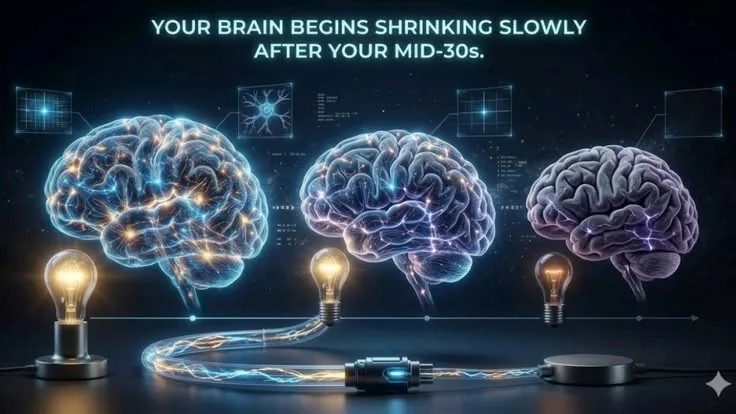
Aging: In 1956, K. Warner Schaie launched one of the most important studies in cognitive psychology. The Seattle Longitudinal Study would follow participants across decades, testing the same people at regular intervals rather than simply comparing people of different ages at a single point in time.
What Schaie found overturned a generation of assumptions about cognitive aging.
Cross-sectional studies - comparing 70-year-olds to 30-year-olds - had suggested that intelligence declined substantially with age. Schaie's longitudinal data showed something more nuanced: most cognitive abilities remained stable or even improved into the 50s and 60s before showing decline.[5]
The apparent age differences in cross-sectional studies were substantially due to cohort effects - the 70-year-olds had less education, poorer nutrition, and less cognitive stimulation throughout their lives, not because aging itself had degraded their abilities.
More importantly, Schaie found that cognitive trajectories varied enormously between individuals. Some participants showed no meaningful decline until their 80s. Others showed early and steep decline in their 50s. The brain's aging trajectory, the study suggested, was not fixed - it was substantially shaped by how people lived.
The decades of research since have confirmed and elaborated this picture with tools Schaie didn't have: MRI, PET scanning, genetic analysis, and longitudinal biomarker tracking. The aging brain is not simply a slower or smaller version of the young brain.
It processes differently, loses some capacities, gains others, and retains a degree of plasticity that researchers of the mid-20th century would have found remarkable.
"The mind is not a vessel to be filled, but a fire to be kindled." - Plutarch
Key Definitions
Fluid intelligence - The capacity for novel problem-solving, pattern recognition, working memory, and processing speed - cognitive abilities that operate without relying on accumulated knowledge. Peaks in the 20s-30s and shows gradual age-related decline. Measured by tests like Raven's Progressive Matrices.
Crystallized intelligence - Accumulated knowledge, vocabulary, verbal reasoning, and expertise developed through experience and education. Continues increasing through the 50s-60s in many individuals and is well-preserved into late life. Measured by tests like vocabulary and general knowledge.
Episodic memory - Memory for personally experienced events, including contextual information about when and where they occurred. The most age-sensitive memory system; critically dependent on the hippocampus.
Semantic memory - General factual knowledge about the world, divorced from the context in which it was learned. Much more age-resistant than episodic memory.
Processing speed - The rate at which the brain processes information - measured by tasks requiring rapid simple judgments. Peaks in the early 20s and shows the most consistent age-related decline of any cognitive domain. Underlies many other cognitive age effects.
Working memory - The active manipulation and temporary maintenance of information - what is "in mind" during a cognitive task. Shows moderate age-related decline, contributing to difficulties with complex reasoning and following multi-step instructions.
Cognitive reserve - The brain's resilience to neuropathological damage - the capacity to maintain function despite structural deterioration. Built through education, cognitive engagement, social activity, and occupational complexity.
Neurogenesis - The production of new neurons. Once thought to cease at birth; now known to continue in the hippocampal dentate gyrus (and possibly other regions) throughout adult life, though it declines with age. Physical exercise is the most potent known stimulant of adult hippocampal neurogenesis.
White matter hyperintensities - Bright areas visible on T2-weighted MRI, representing small vessel disease and myelin disruption. Increase in frequency and extent with age; associated with reduced processing speed and executive function.
BDNF (Brain-derived neurotrophic factor) - A growth factor critical for neuronal survival, synaptic plasticity, and adult neurogenesis. Declines with age; increases substantially with aerobic exercise. One of the primary mechanisms through which exercise protects brain health.
Glymphatic system - The brain's waste clearance system, operating primarily during slow-wave sleep: cerebrospinal fluid flows through channels around blood vessels, clearing metabolic waste products including amyloid-beta and tau. Dysfunction of glymphatic clearance is implicated in Alzheimer's disease pathogenesis.
What Actually Declines - and When
Cognitive aging is not uniform. Different abilities follow different trajectories, and the popular image of a linear, global decline beginning at some arbitrary age substantially misrepresents the evidence.
Processing Speed: The First Casualty
Processing speed - how quickly the brain can perform basic cognitive operations - shows the earliest and most consistent age-related decline of any measured cognitive ability. Peak processing speed occurs in the early 20s. After that, decline is measurable, gradual, and continuous.
The consequences of processing speed decline extend beyond simple reaction time. Much of what appears to be age-related decline in memory, reasoning, and attention is mediated by processing speed: tasks that involve processing information under time pressure show more age-related decline than the same tasks without time pressure.
Timothy Salthouse's processing speed theory of cognitive aging proposes that reduced speed is the primary mechanism underlying most other age-related cognitive changes.[2]
The biological substrate is white matter integrity. The myelin sheaths that insulate axons and allow rapid signal conduction degrade with age, particularly in the prefrontal white matter.
White matter hyperintensities - visible on MRI as bright spots indicating small vessel disease - increase in prevalence and extent across the lifespan and correlate with slowed processing speed.
Working Memory: The Manipulation Bottleneck
Working memory - holding and manipulating information in mind - shows a gradual decline beginning in the late 20s-30s that accelerates in the 60s-70s.
The decline appears primarily in the manipulation component (doing something with held information) rather than the storage component (simply holding information), and is mediated by prefrontal cortex changes.
The practical consequences: older adults have more difficulty following complex multi-step instructions, tracking the thread of complicated conversations, performing mental arithmetic, and doing multiple things simultaneously. These are genuine limitations, not failures of attention or effort.
However, working memory in everyday tasks is partially compensated by strategic use of external aids and prior knowledge.
Experienced surgeons, pilots, and other complex task performers show reduced age-related performance decline in their domains of expertise relative to their performance on novel tasks - because experience provides knowledge structures that offload working memory demands.
Episodic Memory: Time-Stamping Breaks Down
Episodic memory - memory for specific events with their contextual details of time and place - is the most age-sensitive memory system. The hippocampus, critical for encoding new episodic memories, shows age-related volume loss of approximately 1-2% per year in the 60s-70s and has reduced neurogenesis rates.
Crucially, the encoding problem is distinct from the storage problem. Older adults often show adequate immediate recognition of material (the memory is stored) but impaired free recall and impaired source memory (where and when they encountered the information).
This pattern - adequate storage, impaired strategic retrieval - suggests that the hippocampus and prefrontal cortex coordination needed for organized memory retrieval is the primary vulnerability.
The other major episodic memory change is in prospective memory - remembering to do things in the future ("take medication at 6 PM," "call John tomorrow morning").
Prospective memory shows pronounced age-related decline, particularly for time-based prospective memory (remembering at a specified time) compared to event-based prospective memory (remembering when a trigger event occurs).
Attention: Selective Preservation
Sustained attention - maintaining vigilance over time - shows modest age-related decline. Selective attention - focusing on relevant information while ignoring irrelevant - is relatively preserved.
The most striking change is in divided attention: older adults show substantially greater performance decrements when attempting to do two tasks simultaneously compared to either task alone.
The inhibitory deficit hypothesis (proposed by Lynn Hasher and Rose Zacks) suggests that much of what appears as age-related memory and attention decline reflects reduced ability to suppress irrelevant information and distracting thoughts - an inhibitory function mediated by the prefrontal cortex that shows consistent age-related decline.[8]
What Doesn't Decline: Crystallized Intelligence
Against the picture of declining fluid abilities, crystallized intelligence - vocabulary, semantic knowledge, verbal reasoning, practical wisdom, professional expertise - either remains stable or continues to improve well into the 60s and 70s.
Longitudinal data consistently show that vocabulary scores, general knowledge, and domain-specific expertise are remarkably age-resistant. Schaie's Seattle study found that verbal ability (a crystallized measure) showed minimal decline until the 80s in most participants.
People in their 60s and 70s who have spent decades developing expertise in a domain - medicine, law, music, academic fields - show no meaningful decline in their domain-specific cognitive performance despite measurable fluid ability changes.
This is not merely that old knowledge persists. Crystallized intelligence actively processes information using accumulated knowledge structures that reduce the working memory demands of expertise - chunking, pattern recognition, and schema-based reasoning substitute for the raw processing speed of fluid intelligence.
The Structural Changes: What MRI Shows
Neuroimaging has made it possible to track brain structure across the lifespan with precision. The main age-related structural changes are:
Volume loss: Total brain volume decreases by approximately 5% per decade after age 40. Gray matter loss is most pronounced in the prefrontal cortex, hippocampus, and cerebellum - regions critical for executive function, memory, and coordination.
Primary sensory and motor cortices are relatively preserved. Postmortem studies clarify the cellular basis: the primary change is not dramatic neuron death but shrinkage of individual neurons and reduction in dendritic complexity and synaptic density.
White matter changes: White matter volume decreases with age, and white matter hyperintensities - indicating small vessel disease and demyelination - increase sharply in the 60s-70s. The prefrontal white matter is particularly affected, which helps explain the disproportionate prefrontal cognitive changes in aging.
Ventricular expansion: As brain tissue shrinks, the fluid-filled ventricles expand to fill the space. Ventricular volume roughly doubles between age 30 and age 80.
Amyloid and tau accumulation: Positron emission tomography (PET) imaging with amyloid and tau tracers has revealed that both proteins begin accumulating 15-20 years before any cognitive symptoms appear.
A significant proportion of cognitively normal individuals in their 60s carry substantial amyloid burden - suggesting that the Alzheimer's disease process begins in midlife. Tau accumulation follows amyloid and shows stronger correlation with cognitive symptoms.
The Compensatory Aging Brain
One of the most interesting findings from neuroimaging studies of cognitive aging is evidence of neural compensation: older adults appear to recruit additional brain regions - particularly bilateral prefrontal regions - to perform cognitive tasks that younger adults complete with more focal unilateral activation.
Roberto Cabeza's HAROLD model (Hemispheric Asymmetry Reduction in Older Adults) documented that older adults show more bilateral prefrontal activation than younger adults during cognitive tasks.[3]
Initially interpreted as inefficiency, subsequent research suggests this bilateral recruitment is compensatory: older adults who show the most bilateral activation during memory tasks perform better than those who don't, and this bilateral activation correlates with white matter integrity.
The aging brain appears to reorganize its computational strategy - trading off the efficient, specialized processing of youth for a more distributed, redundant architecture that maintains function despite reduced regional capacity.
This has important implications for how we think about cognitive aging: the aging brain is not simply a damaged young brain. It is a brain that has adapted to its changed substrate through reorganization.
Neurogenesis and the Aging Hippocampus
The discovery that the adult brain continues to produce new neurons - adult neurogenesis - was initially controversial and remains incompletely understood.
The dentate gyrus of the hippocampus is the primary site of adult neurogenesis in rodents, and evidence supports its occurrence in humans as well, though human adult neurogenesis rates and decline with age are more modest than in rodents.
What is clear is that new hippocampal neurons are involved in learning and memory - particularly pattern separation (distinguishing similar memories from each other) - and that neurogenesis declines with age in a way that correlates with memory decline.
And crucially: physical exercise is the most potent known stimulator of hippocampal neurogenesis.
Kirk Erickson's 2011 randomized controlled trial assigned 120 older adults (60-80 years) to either aerobic exercise (walking for 1 year) or stretching control.[1]
MRI at baseline, 6 months, and 12 months showed that the aerobic exercise group's hippocampal volume increased by 2% - reversing the approximately 1-2% annual age-related hippocampal atrophy in that age group.
The stretching group showed continued expected decline. Memory performance on a spatial memory task improved in the exercise group and correlated with hippocampal volume change.
This is an extraordinarily strong finding: a behavioral intervention reversing structural brain aging in a controlled experiment.
Physical exercise appears to work through multiple mechanisms: increased BDNF (which promotes neuronal survival and neurogenesis), increased cerebral blood flow, reduced inflammation, reduced cortisol (which is toxic to hippocampal neurons at high levels), and direct stimulation of neurogenic pathways.
Dementia: When Aging Becomes Disease
The distinction between normal cognitive aging and dementia is clinical, not categorical at the biological level - both involve some of the same processes, but dementia involves pathological acceleration and distinct mechanisms.
Alzheimer's Disease
Alzheimer's disease is characterized by two histological hallmarks: extracellular amyloid-beta plaques (aggregated fragments of the amyloid precursor protein) and intracellular neurofibrillary tangles (aggregated hyperphosphorylated tau protein).
These pathological changes disrupt neuronal communication, activate inflammatory responses, and eventually cause widespread neuronal death.
The amyloid cascade hypothesis, proposed by John Hardy and Gerald Higgins in 1992, proposes that amyloid accumulation is the initiating event, leading to tau pathology, neuroinflammation, and ultimately neurodegeneration.
The failure of multiple anti-amyloid therapies to produce clinical benefit (despite successfully reducing amyloid) complicated this picture - until lecanemab and donanemab (approved 2023-2024) showed modest but statistically significant benefits in early Alzheimer's disease, providing partial vindication of the amyloid hypothesis and the first disease-modifying treatments.
The APOE4 Risk Factor
The APOE4 allele - carried by approximately 25% of the general population - increases Alzheimer's risk 3-4 fold for one copy and 8-12 fold for two copies. APOE4 impairs amyloid clearance and promotes tau pathology. It is the largest known genetic risk factor for late-onset Alzheimer's disease.
Notably, it is not deterministic - many APOE4 carriers never develop Alzheimer's - but it meaningfully shifts the probability distribution.
Cognitive Reserve: Why Education Protects
One of the most robust findings in aging epidemiology is that education and lifetime cognitive engagement protect against dementia - not by preventing pathology, but by building cognitive reserve that allows the brain to maintain function despite accumulating pathology.
The nun study, conducted by David Snowdon, examined cognitive function in aging members of the School Sisters of Notre Dame, whose detailed written records from their early 20s were available for analysis.[6]
Nuns who showed dense linguistic complexity in early-life autobiography showed dramatically lower rates of dementia expression decades later - despite, in some cases, having comparable Alzheimer's pathology at autopsy.
The reserve built through cognitive engagement allowed maintained function in the face of pathological changes that produced dementia in those without that reserve.
What Builds a Better Aging Brain
The modifiable factors with the best evidence for brain aging:
Aerobic exercise: The most evidence-supported intervention, with multiple RCTs showing hippocampal volume preservation, cognitive benefits, and reduced dementia incidence in long-term observational studies. Mechanisms include BDNF elevation, neurogenesis, cerebrovascular benefits, and anti-inflammatory effects.
Sleep: Glymphatic clearance of amyloid-beta occurs primarily during slow-wave sleep.
Chronic sleep restriction (even modest, to 6 hours/night) produces accumulation of amyloid-beta in the brain measurable by PET - Ju et al.'s 2017 study documented this effect in humans after a single night of sleep disruption.[7]
Long-term poor sleep is associated with doubled dementia risk in multiple longitudinal studies.
Cardiovascular health: What's good for the heart is good for the brain. Hypertension, in particular, is one of the most important modifiable dementia risk factors - the FINGER trial (2015) found that a multi-domain intervention including blood pressure management, exercise, diet, and cognitive training reduced cognitive decline rates by 25% in high-risk older adults.
Cognitive engagement: Longitudinal studies find that mentally stimulating activities (reading, learning new skills, playing music, professional complexity, bilingualism) are associated with preserved cognitive function and reduced dementia incidence.
The Reserve Hypothesis explains this through accumulated neural redundancy. The protective effect of bilingualism - which requires the constant executive control of managing two language systems - is one of the most studied; some meta-analyses find 4-5 year delay in dementia onset in bilinguals compared to monolinguals.
Social engagement: Social isolation and loneliness are associated with accelerated cognitive decline through multiple mechanisms - inflammatory activation, reduced cognitive stimulation, reduced emotional wellbeing, and HPA axis dysregulation.
The Lancet Commission on dementia prevention (2020) estimates that social isolation contributes to 4% of dementia cases - the same population-attributable fraction as physical inactivity.[4]
| Factor | Effect Direction | Evidence Strength | Mechanism |
|---|---|---|---|
| Aerobic exercise | Protective | Multiple RCTs | BDNF, neurogenesis, blood flow |
| Sleep (7-9 hrs) | Protective | Longitudinal + RCTs | Glymphatic clearance |
| Hypertension control | Protective | RCTs (SPRINT MIND) | Cerebrovascular health |
| Cognitive engagement | Protective | Longitudinal | Reserve building |
| Social engagement | Protective | Longitudinal | Multiple pathways |
| Hearing loss treatment | Protective | Longitudinal | Cognitive load reduction |
| Smoking | Harmful | Longitudinal | Vascular, inflammatory |
| Heavy alcohol | Harmful | Longitudinal + neuro | Neurotoxic, atrophy |
For related concepts, see why exercise is good for the brain, what happens when you don't sleep, what the science of longevity shows, and why loneliness is deadly.
Sources & Further Reading
- Erickson, K. I., et al. (2011). Exercise Training Increases Size of Hippocampus and Improves Memory. Proceedings of the National Academy of Sciences, 108(7), 3017-3022. DOI: 10.1073/pnas.1015950108
- Salthouse, T. A. (1996). The Processing-Speed Theory of Adult Age Differences in Cognition. Psychological Review, 103(3), 403-428. DOI: 10.1037/0033-295X.103.3.403
- Cabeza, R., et al. (2002). Aging Gracefully: Compensatory Brain Activity in High-Performing Older Adults. NeuroImage, 17(3), 1394-1402. DOI: 10.1006/nimg.2002.1280
- Livingston, G., et al. (2020). Dementia Prevention, Intervention, and Care: 2020 Report of the Lancet Commission. Lancet, 396(10248), 413-446. DOI: 10.1016/S0140-6736(20)30367-6
- Schaie, K. W. (1994). The Course of Adult Intellectual Development. American Psychologist, 49(4), 304-313. DOI: 10.1037/0003-066X.49.4.304
- Snowdon, D. A. (1997). Aging and Alzheimer's Disease: Lessons from the Nun Study. Gerontologist, 37(2), 150-156. DOI: 10.1093/geront/37.2.150
- Ju, Y. S., et al. (2017). Slow Wave Sleep Disruption Increases Cerebrospinal Fluid Amyloid-Beta Levels. Brain, 140(8), 2104-2111. DOI: 10.1093/brain/awx148
- Hasher, L., & Zacks, R. T. (1988). Working Memory, Comprehension, and Aging: A Review and a New View. Psychology of Learning and Motivation, 22, 193-225.