
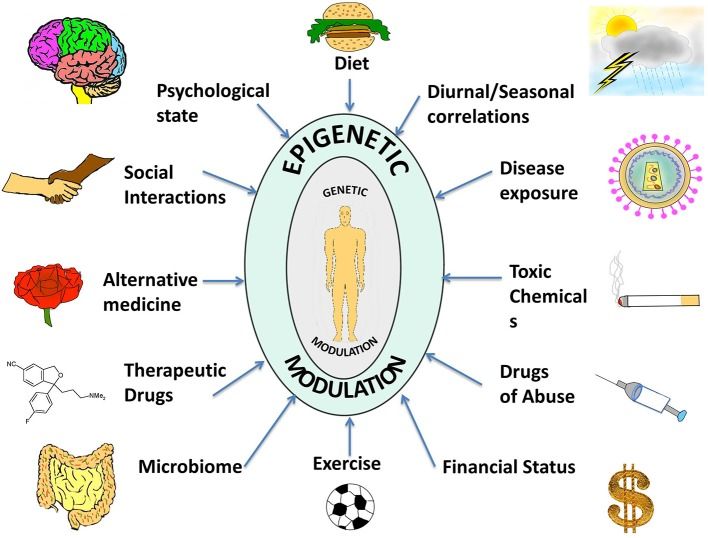
In the winter of 1944–45, approximately 4.5 million Dutch people lived under conditions of German-imposed famine. The occupying forces had cut off food supply to the western Netherlands in retaliation for a Dutch railway strike, and by the winter's worst months, the official daily ration had fallen to below 600 calories. People ate tulip bulbs and sugar beets. Tens of thousands died. When Dutch women who were pregnant during what became known as the Hongerwinter gave birth, their children appeared healthy. The famine had ended; normal nutrition resumed. It seemed the crisis had passed without permanent biological consequence.
Decades later, epidemiologists began to notice something strange. The children born to mothers who were pregnant during the famine — the "Hunger Winter babies" — showed elevated rates of obesity, type 2 diabetes, cardiovascular disease, and certain mental health conditions as adults. The elevated risk was specific to the timing of the famine exposure: children whose mothers were in early pregnancy during the worst of the famine showed different patterns than those exposed in late pregnancy. And in some studies, the effects extended to the grandchildren. The famine had written something into the biology of those fetuses that standard genetic analysis could not detect and that persisted for decades — possibly across generations.
This finding, first published by Lumey and colleagues in 1992 and extended in subsequent research, became one of the foundational case studies for epigenetics research in humans. It suggested that the environment experienced in the womb — the nutritional, hormonal, and chemical milieu of early development — could alter how genes were expressed in ways that persisted throughout life and possibly beyond. The DNA sequence was unchanged. The genes were the same. But something about how those genes were regulated had been altered, and the alteration was stable enough to produce measurable health consequences fifty years later.
Understanding what that "something" is — the molecular machinery that sits above the genome and determines which genes are read, in which cells, at which times — is the project of epigenetics.
"We need to understand epigenetics not as a fringe phenomenon but as a fundamental layer of biological information — one that mediates the dialogue between the genome and the environment across the entire lifespan." — Michael Meaney, Nature Reviews Neuroscience (2010)
Key Definitions
Epigenetics: The study of heritable changes in gene expression that do not involve changes to the DNA sequence; the molecular mechanisms that determine which genes are active in which cells under which conditions.
DNA methylation: The addition of a methyl group (CH3) to cytosine bases at CpG dinucleotides; generally associated with gene silencing when occurring at promoter regions.
CpG site: A location in the genome where cytosine is followed by guanine; the primary sites of DNA methylation in mammals.
Histone: Protein around which DNA is wound to form chromatin; the chemical modification of histone tails (acetylation, methylation, phosphorylation) regulates gene accessibility.
Chromatin: The complex of DNA and proteins (primarily histones) that constitutes chromosomes; exists in more open (euchromatin) or more compact (heterochromatin) configurations depending on epigenetic marks.
Transcription: The process by which the information in a DNA sequence is copied into RNA; the first step in gene expression.
Epigenetic clock (Horvath): A mathematical model using DNA methylation patterns at specific CpG sites to predict biological age and mortality risk.
Genomic imprinting: The epigenetic phenomenon by which certain genes are expressed only from the maternally or paternally inherited chromosome.
Transgenerational epigenetic inheritance: The transmission of epigenetic marks — and therefore altered gene expression patterns — from parent to offspring, beyond the single generation in which they were acquired.
Epigenetic reprogramming: The large-scale erasure and resetting of epigenetic marks that occurs during germ cell formation and early embryonic development.
Waddington's Epigenetic Landscape
Conrad Waddington, a British developmental biologist working in the 1940s, coined the term "epigenetics" to describe a problem that had puzzled biologists for decades: how does a single fertilized egg, containing a single genome, give rise to the hundreds of specialized cell types that make up a complex organism? A liver cell and a neuron, a skin cell and a red blood cell — all contain identical DNA, yet they are radically different in form, function, and lifespan. Something beyond the genetic sequence must determine these differences.
Waddington captured his concept in a famous metaphor: the "epigenetic landscape." Imagine a series of valleys and ridges, like a hilly terrain, with a ball rolling from a high starting point. The ball — representing a cell during development — can roll down into different valleys, each representing a different differentiated cell fate. The topography of the landscape determines which fates are accessible and which are stable. Once a ball has rolled into a particular valley, it takes substantial energy to move it out; the fate is stable and self-reinforcing. The landscape is shaped by genes and gene products, but the process of navigating it — the cell's developmental history — determines the final destination.
Modern molecular biology has made Waddington's metaphor concrete. The valleys and ridges of the epigenetic landscape correspond to specific molecular states: combinations of DNA methylation and histone modifications that lock genes in active or inactive states, creating stable cell-type-specific patterns of gene expression. A liver cell has a specific epigenetic profile — certain genes fully methylated and silenced, others unmethylated and active — that is maintained through every subsequent cell division. A neuron has a different profile. These profiles were established during embryonic development through a complex and still not fully understood choreography of epigenetic writing and reading.
Waddington's original usage was broader than the contemporary molecular definition. Modern epigenetics refers specifically to heritable molecular marks on DNA or histones that alter gene expression. But the developmental logic he identified — how the same genome produces radically different cell types and phenotypes depending on developmental context — remains central to the field.
The Molecular Mechanisms: Writing, Reading, and Erasing
Epigenetic regulation operates through three classes of molecular machinery: "writers" that place marks, "readers" that interpret them, and "erasers" that remove them. Understanding these mechanisms requires understanding the physical structure of the genome.
DNA in the cell nucleus is not free and unstructured. It is wound around histone octamers — protein complexes consisting of eight histone molecules — forming structures called nucleosomes. A nucleosome looks like beads on a string: the DNA (the string) wraps twice around each histone octamer (the bead). This packaging compresses the DNA to fit within the nucleus — the 2 meters of DNA in a human cell must be squeezed into a nucleus roughly 6 micrometers in diameter — but it also creates a system of regulation: genes wrapped tightly in compact chromatin are inaccessible to the transcriptional machinery, while genes in more open chromatin regions can be expressed.
DNA methylation — the addition of a methyl group to cytosine at CpG dinucleotides — is the most studied and best understood epigenetic mark. It is catalyzed by a family of enzymes called DNA methyltransferases (DNMTs). DNMT3A and DNMT3B establish new methylation patterns (de novo methylation), while DNMT1 maintains existing patterns by methylating newly synthesized DNA strands after each cell division. When a cell divides, the parental methylation pattern is copied onto the daughter strand, ensuring that daughter cells inherit the same gene expression profile as the parent. Methylation at CpG islands in gene promoters silences genes through two mechanisms: physical blockage of transcription factor binding, and recruitment of methyl-CpG binding proteins that attract histone-modifying enzymes to further compact the chromatin.
Histone modifications are more diverse and more dynamically regulated. The N-terminal tails of histones protrude from nucleosomes and are subject to a dizzying array of chemical modifications. Histone acetylation, catalyzed by histone acetyltransferases (HATs), adds acetyl groups to lysine residues in histone tails. Acetylation neutralizes the positive charge of lysine, weakening its interaction with the negatively charged DNA phosphate backbone, loosening the chromatin structure and generally increasing gene expression. Histone deacetylases (HDACs) remove acetyl groups, restoring the charge interaction and compacting chromatin. Histone methylation is more complex: different methylation patterns on different sites have different effects, and the same mark can have opposing effects depending on context. Histone H3 lysine 4 trimethylation (H3K4me3) is a marker of active gene promoters; H3K27me3 is associated with gene silencing; H3K9me3 marks constitutive heterochromatin — permanently silenced genomic regions.
Non-coding RNA represents a third layer of epigenetic regulation. Small non-coding RNAs (miRNAs, siRNAs, piRNAs) regulate gene expression post-transcriptionally by binding to complementary messenger RNA sequences and either degrading them or blocking their translation into protein. Long non-coding RNAs (lncRNAs) regulate gene expression through various mechanisms including recruitment of chromatin-modifying complexes to specific genomic loci. It is now recognized that the vast majority of the human genome is transcribed into RNA even though most of it does not encode proteins — and much of this non-coding RNA plays regulatory functions.
Development and Imprinting: When Parent of Origin Matters
One of the most striking applications of epigenetic regulation is genomic imprinting: the phenomenon by which certain genes are expressed from only one parental chromosome — either the maternally inherited copy or the paternally inherited copy — while the other copy is epigenetically silenced. In a diploid organism that inherits one copy of each gene from each parent, most genes are expressed from both copies. Imprinted genes are exceptions: their expression is parent-of-origin dependent, controlled by epigenetic marks established in the germ cells of one sex and maintained throughout development.
Mary Lyon's 1961 discovery of X-chromosome inactivation — the process by which one of the two X chromosomes in female mammals is randomly silenced in each cell early in development, with the inactivated X converted into a compact structure called a Barr body — is the largest-scale example of imprinting-like epigenetic regulation. X-inactivation is required to equalize gene dosage between XX females and XY males, and it is maintained faithfully through all subsequent cell divisions.
The best-studied imprinted genes include IGF2 (insulin-like growth factor 2, expressed from the paternal chromosome) and H19 (a non-coding RNA expressed from the maternal chromosome), which are reciprocally imprinted from the same genomic region. The evolutionary explanation for imprinting — the "genomic conflict" or "kinship" theory — proposes that paternal and maternal genomes have conflicting interests in resource allocation to offspring. Paternal genes benefit from maximizing current offspring growth (extracting resources from the mother), while maternal genes benefit from conserving the mother's resources for future offspring from potentially different fathers. IGF2 promotes fetal growth (paternally expressed); H19 inhibits IGF2 and growth (maternally expressed); the conflict is literally written into the genome's epigenetic regulation.
Failure of normal imprinting produces developmental syndromes. Angelman syndrome and Prader-Willi syndrome, which produce dramatically different clinical pictures (Angelman: severe developmental delay, happy disposition, characteristic gait; Prader-Willi: hyperphagia, obesity, behavioral problems), both result from abnormalities at the same chromosomal region (15q11-13) — but affecting different parent-of-origin copies or different imprinted genes within the region.
Experience Writes the Epigenome: Maternal Care and Stress
The most consequential recent development in epigenetics — and the one that has most captured public attention — is the demonstration that environmental experiences can alter the epigenome in lasting, potentially intergenerational ways. The clearest mechanistic evidence comes from studies in rodents.
Ian Weaver, Michael Meaney, Moshe Szyf, and colleagues at McGill University published a landmark 2004 Nature Neuroscience paper showing that natural variation in maternal licking and grooming behavior in rats produced lasting epigenetic differences in offspring. Rat pups raised by high-licking, high-grooming mothers showed reduced methylation of the glucocorticoid receptor gene promoter in the hippocampus, leading to higher glucocorticoid receptor expression and lower hypothalamic-pituitary-adrenal (HPA) axis reactivity to stress throughout life. Pups raised by low-licking mothers showed the opposite: higher methylation, lower receptor expression, and higher stress reactivity. This epigenetic difference was established in the first week of postnatal life and was maintained stably through adulthood. Cross-fostering experiments — in which pups were exchanged between high- and low-licking mothers at birth — showed that the epigenetic outcome tracked the foster mother's behavior, not the biological mother's genetics. The effect was environmental, not genetic, in origin.
Crucially, the epigenetic difference in adults could be reversed by direct infusion of the histone deacetylase inhibitor trichostatin A into the hippocampus — demonstrating both that the effect was truly epigenetic and that epigenetic marks, even when stable for months, are potentially reversible by appropriate intervention. Meaney's group subsequently showed similar epigenetic programming in human brains, finding that post-mortem analysis of individuals with histories of childhood abuse showed epigenetic changes at the glucocorticoid receptor locus consistent with the rat findings.
In humans, Rachel Yehuda's research group at Mount Sinai has investigated epigenetic effects of trauma across the most extreme exposure studied in a living population: Holocaust survivors and their children. Yehuda and colleagues found that Holocaust survivors showed altered methylation of the FKBP5 gene — which encodes a glucocorticoid receptor co-chaperone that modulates stress responsiveness — compared to Jewish controls without direct Holocaust exposure. Their adult children showed alterations in the same gene region that were in the opposite direction, in a pattern consistent with a different kind of stress regulation. The 2016 Biological Psychiatry paper reporting these findings attracted enormous attention. It also attracted methodological scrutiny: the sample sizes are modest, the controls for confounding are complex, and independent replication is still developing. The findings are consistent with but do not definitively establish intergenerational epigenetic transmission of trauma effects.
The Epigenetic Clock: Reading Biological Age
Steve Horvath's 2013 Genome Biology paper introduced a tool that has transformed aging research: a mathematical model capable of estimating biological age from DNA methylation patterns. Horvath analyzed methylation data from thousands of samples across dozens of tissue and cell types and identified 353 CpG sites whose methylation levels change in a consistent, age-predictive pattern across the lifespan. The resulting model, called the Horvath clock, predicts chronological age with remarkable accuracy — within about 3.5 years on average — from any tissue type.
The second generation of epigenetic clocks went further. The GrimAge clock, trained to predict mortality risk rather than chronological age, uses a set of methylation markers to calculate an "epigenetic age" that predicts time-to-death more accurately than chronological age. Individuals whose epigenetic age exceeds their chronological age — positive "epigenetic age acceleration" — have elevated risks of a wide range of diseases and earlier mortality. The clock accelerates in response to known aging accelerants: smoking, obesity, chronic stress, adverse childhood experiences, low socioeconomic status. It appears to decelerate — or age more slowly — in response to exercise, healthy diet, and certain antiaging interventions in experimental models.
The biological meaning of the epigenetic clock is still being established. Whether the methylation patterns it tracks are causally involved in aging processes, or whether they are markers of underlying cellular aging without being drivers of it, is a central open question. Some evidence supports the causal hypothesis: forced manipulation of some clock-associated methylation patterns in model organisms has produced phenotypic consequences consistent with altered biological age. The potential implications for longevity medicine are substantial, which is driving enormous research investment. See how-cancer-develops for related discussion of how cellular aging contributes to malignancy.
Transgenerational Inheritance: The Controversy
The question of whether environmentally acquired epigenetic changes can be transmitted across generations — to children, grandchildren, or beyond — is the most contested issue in contemporary epigenetics, and the one where the gap between public understanding and scientific consensus is largest. The popular press has been more enthusiastic than the scientific literature warrants.
The biological obstacle to transgenerational epigenetic inheritance in mammals is epigenetic reprogramming. When an organism's germ cells (eggs and sperm) form during development, a wave of epigenetic reprogramming erases most of the epigenetic marks accumulated during the parent's lifetime, resetting the epigenome to a near-blank state. A second wave of reprogramming occurs after fertilization, as the embryo develops. These waves of erasure exist precisely to prevent the transmission of somatic epigenetic changes — accumulated during one individual's lifetime in response to their particular experiences — to the next generation, where they would be inappropriate.
However, there are well-established exceptions. Imprinted gene regions largely resist reprogramming, maintaining parent-of-origin-specific methylation across generations. Certain transposable elements retain methylation through reprogramming. And some environmentally acquired marks at specific loci appear to escape erasure, at least partially.
The Dias and Bhattacharya (2014) mouse study is the most cited animal evidence for transgenerational inheritance of acquired characteristics. Mice trained to fear a specific odor (acetophenone) through fear conditioning showed methylation changes at the promoter of the olfactory receptor gene responding to that odor in their sperm. Their offspring and grandoffspring showed enhanced sensitivity to that odor and larger olfactory sensory neuron representation, apparently transmitted through the sperm epigenome. This is striking and has been influential, but attempts to fully replicate and extend the findings have produced mixed results.
The human evidence is epidemiological and correlational. The Overkalix cohort studies linking paternal grandparents' food supply to grandchildren's mortality risk are intriguing but confounded by multiple social and biological variables. Yehuda's Holocaust studies suggest intergenerational biological effects but do not conclusively establish epigenetic transmission as the mechanism — cultural transmission of stress responses, altered parenting behaviors, and prenatal hormonal environments are all plausible alternative mediators.
The responsible scientific position is that transgenerational epigenetic inheritance in mammals is a genuine phenomenon for specific mechanisms and loci, that it is not a general principle comparable to Mendelian inheritance, and that the extent to which it shapes human phenotypic variation across generations remains to be established. The Lamarckian framing — acquired characteristics are generally inherited — is not supported by the evidence as a general claim, even if specific exceptions exist. For related discussion of how genetic information is transmitted and modified, see how-genetic-engineering-works.
Epigenetics and Cancer: When the System Breaks Down
Cancer is a disease of dysregulated cell behavior — of cells that proliferate when they should not, that resist death signals, that invade neighboring tissues and metastasize to distant organs. It is caused primarily by somatic mutations in genes controlling cell growth, but epigenetic dysregulation is now recognized as a universal and causally important feature of malignancy.
The two characteristic epigenetic abnormalities in cancer — global DNA hypomethylation and focal promoter hypermethylation of tumor suppressor genes — work in concert to promote malignant transformation and progression. Global hypomethylation destabilizes the genome, activates repetitive elements and proto-oncogenes, and promotes the chromosomal rearrangements that are hallmarks of cancer cells. Focal hypermethylation at specific tumor suppressor gene promoters silences the genes that would otherwise restrain proliferation and induce apoptosis — functionally equivalent to a mutation inactivating these genes, but occurring through epigenetic rather than genetic mechanisms.
This epigenetic inactivation of tumor suppressor genes has been documented across virtually all cancer types. BRCA1 (breast and ovarian cancer), MLH1 (colorectal cancer), CDKN2A (multiple cancer types), RASSF1A (lung cancer, among others) — all can be silenced by promoter methylation in cancer cells, and this silencing is found in a substantial fraction of cases without corresponding sequence mutations. Because epigenetic silencing occurs earlier in cancer progression than many genetic mutations, epigenetic marks at these loci have been proposed as early detection biomarkers — detectable in circulating tumor DNA in blood samples — which is an area of active clinical development.
The therapeutic implications are significant. Unlike genetic mutations, epigenetic changes do not alter the DNA sequence, and the enzymes that write, read, and erase epigenetic marks can be targeted pharmacologically. Two classes of epigenetic drugs are clinically approved: DNA methyltransferase inhibitors (azacitidine, decitabine) that reduce methylation and can reactivate silenced tumor suppressor genes, and histone deacetylase inhibitors (vorinostat, romidepsin) that alter chromatin structure in ways that favor cancer cell differentiation and death. Current approvals are primarily for hematological malignancies, reflecting both the stronger evidence base in these cancers and their biological characteristics. Research into epigenetic therapies for solid tumors and into combinations with immunotherapy is extensive.
Implications for How We Think About Nature and Nurture
Epigenetics does not resolve the nature-nurture debate, but it does change the terms of it in important ways. The debate's traditional framing — is a given trait determined by genes or by environment? — assumes a relatively clean separation between the two. Epigenetics shows that the separation is not clean at all: the environment acts on genes, and genes respond to the environment, through a molecular system of epigenetic regulation that is itself partly genetically determined and partly environmentally modifiable.
The practical implication is a more dynamic and interactive view of development. Early life experiences — nutrition, stress, care quality, toxin exposure — do not merely affect behavior and health through psychological or hormonal pathways. They write molecular marks on the genome that alter how it is expressed, potentially for the lifetime of the individual and, in some documented cases, for subsequent generations. These marks are not permanent — the discovery of erasers and of epigenetic reversibility through interventions offers hope for therapeutic modification — but they are stable enough to constitute a biological record of developmental experience.
This has implications for how we understand inequality in health and cognitive development. If chronic poverty, food insecurity, and exposure to violence leave epigenetic marks that alter stress reactivity, cognitive development, and disease susceptibility, then the health consequences of social inequality are not merely social and psychological but biological and molecular. The body keeps the score, as Bessel van der Kolk's phrase has it — and now there is a growing molecular account of how it does so. For related discussion of how early trauma shapes development, see what-is-trauma.
Molecular Mechanisms Comparison
| Mechanism | What is modified | Effect on gene expression | Stability | Reversibility |
|---|---|---|---|---|
| DNA methylation | Cytosine at CpG sites | Usually repression at promoters | High (stable through cell division) | Reversible with DNMT inhibitors |
| Histone acetylation | Lysine on histone tails | Activation (loosens chromatin) | Moderate (dynamic) | Reversible with HDAC inhibitors |
| Histone methylation | Lysine or arginine on tails | Variable (depends on site) | Moderate to high | Reversible with demethylase enzymes |
| miRNA | mRNA (post-transcriptional) | Post-transcriptional repression | Moderate | Complex |
| lncRNA | Chromatin structure, transcription | Variable | Moderate | Context-dependent |
References
- Waddington, C. H. (1942). The epigenotype. Endeavour, 1, 18–20.
- Weaver, I. C. G., Cervoni, N., Champagne, F. A., D'Alessio, A. C., Sharma, S., Seckl, J. R., Dymov, S., Szyf, M., & Meaney, M. J. (2004). Epigenetic programming by maternal behavior. Nature Neuroscience, 7(8), 847–854. https://doi.org/10.1038/nn1276
- Horvath, S. (2013). DNA methylation age of human tissues and cell types. Genome Biology, 14(10), R115. https://doi.org/10.1186/gb-2013-14-10-r115
- Dias, B. G., & Bhattacharya, S. (2014). Parental olfactory experience influences behavior and neural structure in subsequent generations. Nature Neuroscience, 17(1), 89–96. https://doi.org/10.1038/nn.3594
- Yehuda, R., Daskalakis, N. P., Bierer, L. M., Bader, H. N., Klengel, T., Holsboer, F., & Binder, E. B. (2016). Holocaust exposure induced intergenerational effects on FKBP5 methylation. Biological Psychiatry, 80(5), 372–380. https://doi.org/10.1016/j.biopsych.2015.08.005
- Jones, P. A. (2012). Functions of DNA methylation: islands, start sites, gene bodies and beyond. Nature Reviews Genetics, 13(7), 484–492. https://doi.org/10.1038/nrg3230
- Lumey, L. H. (1992). Decreased birthweights in infants after maternal in utero exposure to the Dutch famine of 1944–1945. Paediatric and Perinatal Epidemiology, 6(2), 240–253. https://doi.org/10.1111/j.1365-3016.1992.tb00764.x
- Bird, A. (2002). DNA methylation patterns and epigenetic memory. Genes and Development, 16(1), 6–21. https://doi.org/10.1101/gad.947102
- Feinberg, A. P., & Vogelstein, B. (1983). Hypomethylation distinguishes genes of some human cancers from their normal counterparts. Nature, 301(5895), 89–92. https://doi.org/10.1038/301089a0
- Meaney, M. J. (2010). Epigenetics and the biological definition of gene x environment interactions. Child Development, 81(1), 41–79. https://doi.org/10.1111/j.1467-8624.2009.01381.x
Frequently Asked Questions
What is epigenetics and how is it different from genetics?
Genetics is the study of DNA sequences — the order of the four chemical bases (adenine, thymine, cytosine, guanine) that encode the instructions for building proteins. Every cell in your body contains the same DNA sequence: the same genetic instructions that were present in the fertilized egg you developed from. Epigenetics is the study of the system that determines which parts of those instructions are actually read in any given cell, at any given time, in response to any given conditions — without changing the underlying DNA sequence. The word 'epigenetics' literally means 'above genetics,' reflecting that epigenetic regulation operates at a level above the DNA sequence itself. Conrad Waddington, who coined the term in 1942, used it in a broader developmental biology sense: the study of how genes interact with the environment to produce the phenotype. In contemporary molecular biology, epigenetics refers specifically to heritable changes in gene expression that do not involve changes to the DNA sequence. The key word is 'heritable': epigenetic marks can be passed from a cell to its daughter cells through cell division, maintaining patterns of gene expression across many rounds of replication. The practical significance of this is profound: it explains how a liver cell and a neuron, despite containing identical DNA, are radically different in structure and function. They have different epigenetic marks that determine which genes are expressed in each cell type. These marks were established during development and are stably maintained throughout the organism's life. Epigenetics is also the mechanism by which environmental experiences — stress, nutrition, toxin exposure — can alter gene expression patterns, sometimes in long-lasting ways.
How do DNA methylation and histone modification control gene expression?
DNA methylation is the addition of a methyl group (CH3) to the cytosine base in DNA, almost always at specific sites called CpG dinucleotides (where cytosine is followed by guanine in the DNA sequence). Approximately 80 percent of CpG sites in the human genome are methylated under normal conditions. Promoter regions — the DNA sequences that control whether a gene is transcribed into RNA — are often associated with clusters of CpG sites called 'CpG islands.' When these islands are methylated, the gene is generally silenced: the methylation physically and biochemically blocks the transcriptional machinery from reading the gene, and also recruits proteins that further compact the DNA into a structure that is inaccessible to transcription factors. Conversely, unmethylated promoter CpG islands are associated with transcriptionally active genes. DNA methylation is relatively stable — it persists through cell division — and can be detected using a technique called bisulfite sequencing. Histone modification is a complementary layer of epigenetic regulation. DNA in the cell nucleus is not free; it is wrapped around proteins called histones, forming a compact structure called chromatin. The tail regions of histones — segments that protrude from the nucleosome — are subject to many types of chemical modification: acetylation, methylation, phosphorylation, ubiquitination, and others. Histone acetylation (the addition of acetyl groups) generally loosens the chromatin structure, making DNA more accessible to transcriptional machinery and therefore increasing gene expression. Histone methylation has variable effects depending on which amino acid is methylated and whether one, two, or three methyl groups are added. The combinatorial 'histone code' created by the pattern of modifications across many sites is read by regulatory proteins that either activate or repress transcription. Together, DNA methylation and histone modifications work as coordinated, mutually reinforcing layers of gene regulation.
Can stress and trauma actually change your epigenome?
Yes, and this is one of the most active and consequential areas of current epigenetics research. The clearest evidence comes from studies in model organisms, where experimental conditions can be controlled in ways impossible in humans. Michael Meaney and Moshe Szyf's seminal research at McGill University, published in a landmark 2004 Nature Neuroscience paper with Ian Weaver and colleagues, showed that the quality of maternal care in rats — specifically, how much the mother licked and groomed her pups — produced lasting differences in the epigenetic regulation of the glucocorticoid receptor gene in the hippocampus of offspring. High-licking mothers produced offspring with lower methylation of the glucocorticoid receptor promoter, more receptor expression, and lower stress reactivity throughout life. Low-licking mothers produced the opposite pattern. Crucially, this epigenetic difference was not fixed at birth — it was established in early postnatal life through experience, and it could be pharmacologically reversed in adult animals using a histone deacetylase inhibitor. In humans, the evidence is more complex and the ethical constraints on experimental study are obviously prohibitive. Rachel Yehuda's research on Holocaust survivors and their children found altered cortisol levels and methylation patterns on stress-related genes (particularly FKBP5, which regulates glucocorticoid receptor sensitivity) in both survivors and their offspring — suggesting that the biological signature of extreme trauma may transmit to the next generation. These findings have attracted significant attention but also scrutiny: sample sizes are small, replication in independent cohorts is limited, and the causal mechanisms are not fully established. Other research has shown epigenetic effects of early childhood adversity, socioeconomic deprivation, and chronic psychological stress on methylation patterns at relevant gene loci. The evidence collectively supports the conclusion that stress and trauma can alter gene regulation in lasting ways, though the full extent and mechanisms of these effects remain under investigation.
What is the epigenetic clock and how does it measure biological aging?
Steve Horvath's 2013 Genome Biology paper introduced the concept of the 'epigenetic clock': a mathematical model that uses DNA methylation patterns at specific CpG sites to predict chronological age with remarkable accuracy. Horvath analyzed methylation data from over 8,000 samples representing 51 different tissue types and cell types, and identified a set of 353 CpG sites whose methylation levels changed in a consistent, predictable pattern across the human lifespan. The model using these sites could predict chronological age from a DNA sample with a median absolute error of approximately 3.6 years — better than any other biological marker known at the time. Subsequent research developed additional epigenetic clocks — the Hannum clock, the PhenoAge clock, GrimAge — that not only predict chronological age but also independently predict mortality risk, disease onset, and other health outcomes. These second-generation clocks measure what has been called 'biological age' or 'epigenetic age': a measure of how rapidly the epigenome is aging, which can diverge from chronological age. Individuals whose epigenetic age is older than their chronological age (positive 'epigenetic age acceleration') show higher risks of a range of age-related diseases and earlier mortality, even after controlling for chronological age and other known risk factors. The epigenetic clock accelerates in response to chronic stress, adversity, trauma, smoking, and obesity, and appears to decelerate in response to exercise, healthy diet, and other health-promoting behaviors. The biological significance of the clock — whether it is a driver of aging or merely a marker of underlying processes — is still being determined. But its predictive validity for health outcomes makes it one of the most powerful tools yet developed for measuring biological aging.
Can epigenetic changes be inherited by your children?
This is the most contested question in contemporary epigenetics, and the answer depends critically on the organism, the type of epigenetic mark, and the degree of evidence required. In plants, transgenerational epigenetic inheritance — the transmission of epigenetic marks from parents to offspring — is well established and plays an important role in adaptation. In animals, including mammals, the situation is more complicated because of a process called epigenetic reprogramming: when germ cells (sperm and eggs) form and when the embryo develops after fertilization, most epigenetic marks are systematically erased and reset. This reprogramming is the main reason that most environmentally acquired epigenetic changes do not pass to offspring. However, there are documented exceptions. Some specific genomic regions — particularly imprinted genes and certain retrotransposons — escape reprogramming and can transmit epigenetic marks across generations. Lars Olov Bygren's work on the Overkalix cohort in Sweden showed associations between paternal grandparents' food availability in a specific developmental window and descendants' mortality risk — a provocative finding suggesting that nutritional experiences might transmit across generations through some biological mechanism, though whether epigenetics is the actual channel is debated. Brian Dias and Kerry Bhattacharya's 2014 Nature Neuroscience paper showed that mice conditioned to fear a specific odor transmitted enhanced sensitivity to that odor to their offspring and grandoffspring, apparently through methylation changes at the relevant olfactory receptor gene in sperm. This finding attracted enormous attention but has not been fully replicated in all its claimed details. Rachel Yehuda's Holocaust research suggests inter-generational transmission in humans, but the sample sizes and methodological complexity make firm conclusions difficult. The current scientific consensus is that while some specific transgenerational epigenetic transmission occurs in mammals, it is not the general rule, and the evidence for robust human transgenerational epigenetic inheritance of acquired characteristics remains limited.
Is epigenetics the same as Lamarckian inheritance?
No, though the confusion is understandable and the distinction matters for both scientific accuracy and avoiding overclaiming. Jean-Baptiste Lamarck's early nineteenth-century evolutionary theory proposed that acquired characteristics — traits an organism develops in response to its environment during its lifetime — can be directly inherited by offspring. The giraffe's long neck in Lamarck's theory elongated through use during the animal's lifetime, and this acquired elongation was then passed to offspring. This theory was displaced by Darwinian natural selection, which holds that heritable variation arises from random mutation rather than from environmentally directed modification, and that selection acts on this pre-existing heritable variation. The reason epigenetics is not Lamarckian inheritance, in the full sense, is epigenetic reprogramming. When germ cells form in mammals, most epigenetic marks accumulated during the parent's lifetime are systematically erased. A parent who develops a specific methylation pattern in liver cells in response to a high-fat diet does not generally transmit those liver-cell methylation patterns to offspring. The gametic epigenome is substantially reset with each generation. The exceptions to this rule — cases where some epigenetic marks escape reprogramming and appear in offspring — do have a superficial resemblance to Lamarckian inheritance in that they involve environmentally influenced changes that persist across generations. But they differ in important ways: they affect a small fraction of the epigenome, not all acquired characteristics; the mechanism is not a general inheritance of experience but the escape of specific marks from reprogramming; and the evidence for robust, lasting transmission across multiple generations in mammals is limited. Responsible epigenetics communication distinguishes between the scientifically well-supported finding (environmental experiences can alter gene expression in lasting, sometimes intergenerational ways) and the overclaimed version (acquired characteristics are generally inherited — Lamarckism vindicated).
How is epigenetics involved in cancer?
Epigenetic dysregulation is a universal feature of cancer and is now recognized as a driver of malignancy alongside genetic mutation, not merely a consequence of it. Cancer genomes show two characteristic epigenetic abnormalities that operate simultaneously. The first is global DNA hypomethylation: a widespread, genome-wide reduction in methylation compared to normal tissues. This hypomethylation occurs particularly in repetitive elements and gene bodies, and has several consequences including genomic instability (hypomethylated repetitive elements can move within the genome, causing mutations) and aberrant activation of genes that should be silenced. The second is focal promoter hypermethylation: specific, targeted increases in methylation at the promoter regions of tumor suppressor genes — the genes that normally constrain cell proliferation and induce apoptosis (programmed cell death). Hypermethylation silences these genes, which provides a selective growth advantage to cancer cells analogous to a conventional tumor-suppressing mutation but without changing the DNA sequence. This means that cancer cells can effectively 'turn off' tumor suppressor genes through epigenetic silencing rather than through mutation, and the resulting silencing can be heritable through cell division. The reversibility of epigenetic changes — unlike genetic mutations, they do not permanently alter the DNA sequence — has made the epigenome an attractive therapeutic target. Two classes of epigenetic drugs have been approved for clinical use. DNA methyltransferase inhibitors (azacitidine, decitabine) prevent methylation, reactivating silenced tumor suppressor genes and disrupting cancer cell epigenetic patterns. Histone deacetylase inhibitors (vorinostat, romidepsin) alter chromatin structure in ways that promote cancer cell death. Both drug classes are currently approved primarily for hematological malignancies, and research is ongoing into their application in solid tumors and in combination with other therapies.