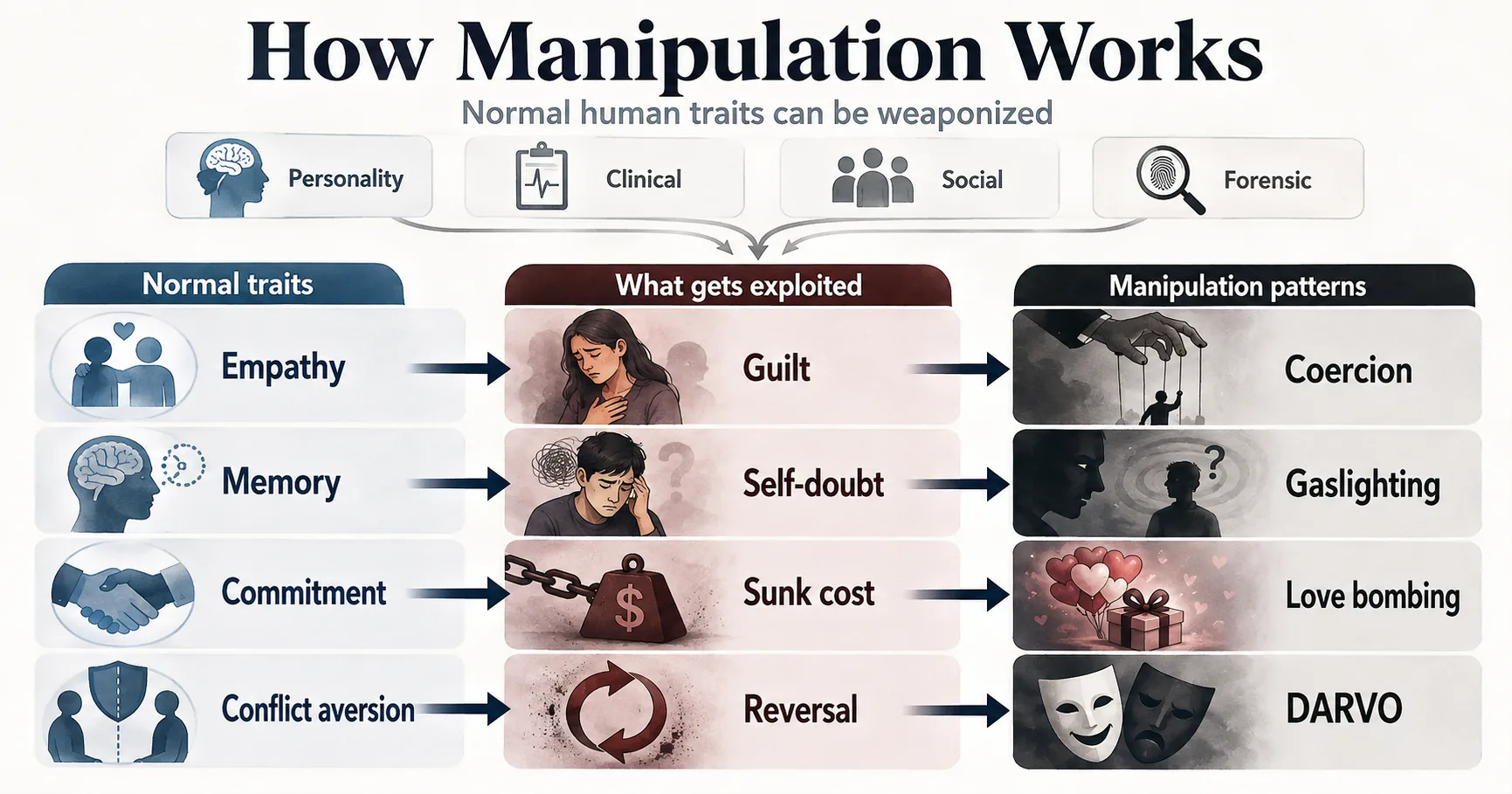
The phrase dark psychology is a category label, not a technique. It covers the body of research, clinical observation, and field reporting on how some people reliably exploit empathy, attachment, memory, and social norms to extract compliance from others against their interest.
The literature is older than the label. Robert Hares 1970s work on psychopathy, Delroy Paulhus and Kevin Williamss 2002 paper naming the Dark Triad, Jennifer Freyds 1997 DARVO research, Evan Starks 2007 book Coercive Control, and Robin Sterns clinical writing on gaslighting all predate the viral packaging.
What the packaging gets right is that a handful of tactics show up repeatedly across abusive relationships, high-conflict workplaces, con artistry, and authoritarian movements. What it gets wrong is the implication that naming the tactic is enough to defend against it.
This article walks through the tactics that show up most in the peer-reviewed literature and the clinical record, explains the cognitive mechanisms they exploit, and gives field-tested scripts for neutralizing them.
"The victim of manipulation does not need to be naive. The tactics work precisely because they exploit features of normal cognition: empathy, reciprocity, authority deference, loss aversion.
People who are kind, responsible, and conscientious are often the most susceptible, not the least."
George Simon, In Sheeps Clothing (2010)
The Research Backbone
The serious literature on manipulation is scattered across four traditions.
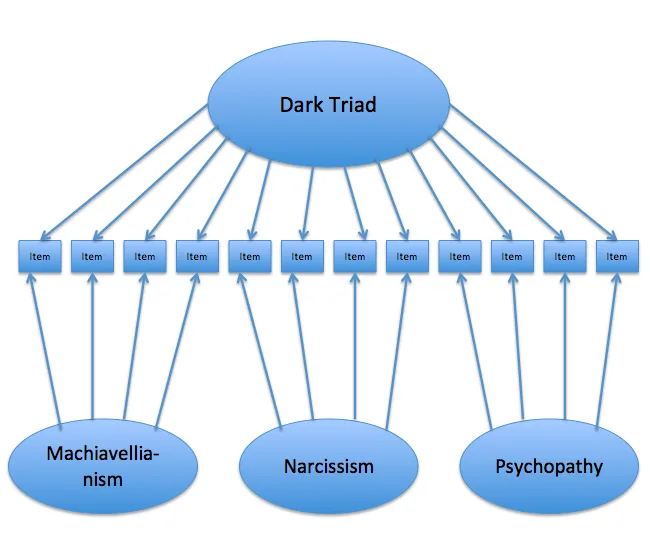
Personality research maps the stable traits that predict manipulative behavior: Paulhus and Williamss Dark Triad of narcissism, Machiavellianism, and psychopathy, later extended by Paulhus to a Dark Tetrad that includes everyday sadism.[1]
Clinical psychology documents the specific tactics used in coercive relationships: Lundy Bancrofts case reports, Robin Sterns gaslight framework, Evan Starks coercive control model.
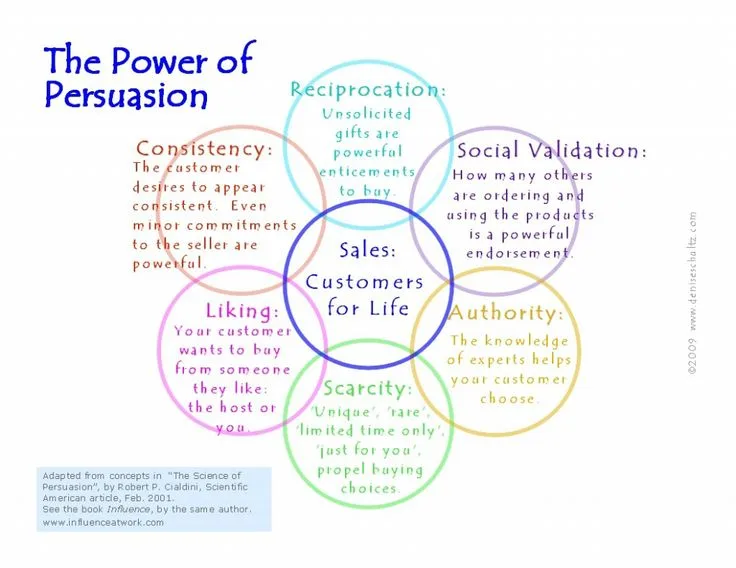
Social psychology identifies the cognitive vulnerabilities tactics exploit: Cialdinis influence principles, Kahnemans dual-process theory, Gollwitzers work on commitment.
Forensic and interrogation research studies how confessions and false beliefs are engineered: Saul Kassins work on false confessions, Elizabeth Loftuss memory research.
Read across traditions, a consistent picture emerges. Manipulation is not mysterious. It is a small number of patterns applied with repetition and timing, aimed at cognitive systems that evolved for cooperation and now run in an environment where cooperation can be weaponized.
| Dark Triad Trait | Core Mechanism | Typical Tactics |
|---|---|---|
| Narcissism | Grandiose self-image requires constant validation | Love bombing, idealization-devaluation cycle, DARVO when challenged |
| Machiavellianism | Strategic, long-horizon social exploitation | Information asymmetry, coalition building, plausible deniability |
| Psychopathy | Low empathy combined with impulsive risk-taking | Deception, intimidation, rapid relationship pacing, predatory charm |
| Everyday Sadism | Pleasure from others distress | Cruel humor, public humiliation, engineered conflict for entertainment |
The traits are dimensions, not categories. Most people score low on all four. A small population scores high on one or more. The tactics below are common to the high-scoring group but also appear in ordinary people under stress, particularly in relationships where the costs of honest negotiation feel too high.
Gaslighting: Engineering Self-Doubt
The term comes from the 1944 film Gaslight in which a husband dims the gas lamps and then tells his wife she is imagining the change. Robin Stern, associate director of the Yale Center for Emotional Intelligence, developed the clinical framework in The Gaslight Effect (2007).[3]
The pattern has three stages. In stage one, the target feels disbelief when the manipulator disputes a shared reality, assumes miscommunication, and provides more information to resolve the disagreement.
In stage two, the target shifts to defense, arguing harder, providing documentation, seeking third-party witnesses. In stage three, the target begins to accept the manipulators framing and experiences depression, self-doubt, and cognitive fatigue.
The mechanism exploits confidence calibration. Human memory is reconstructive, not literal.
Elizabeth Loftuss experimental work, particularly the Loftus and Palmer 1974 study on eyewitness testimony, shows that confident assertions by a perceived authority can alter the memory itself, not just the verbal report.[6]
When a partner, boss, or family member insists with high confidence that the conversation went a different way, the target does not merely doubt their interpretation. Over repeated exposure, the stored memory changes.
The counter is external reference points. Writing down conversations as soon as they happen, keeping text threads, using calendar entries with summaries.
The goal is not to produce evidence for a later confrontation. It is to preserve the targets own access to what actually occurred, outside the manipulators reach.
Once the external record is established, gaslighting weakens because the target no longer depends on internal memory alone.
Stern emphasizes that targets of gaslighting are rarely people with weak boundaries or poor self-esteem going in. They are more often conscientious, empathic, and committed to the relationship. The tactic exploits conscientiousness.

Love Bombing and the Idealization-Devaluation Cycle
Love bombing is the name clinicians give to the intense, compressed affection displayed by narcissistic partners in the opening phase of a relationship. Daily contact. Rapid declarations of exceptional connection. Expensive gifts, elaborate plans, and pressure toward exclusivity within weeks.
The pattern is distinguishable from genuine early-relationship enthusiasm by its rate of escalation relative to shared history and by what happens the first time the target introduces any limit.
Claire Strutzenberg and colleagues at the University of Arkansas published a 2017 study linking love bombing to narcissistic traits in the love bomber and to later reports of emotional abuse in the relationship.[7] The mechanism is investment escalation.
Once the target has been brought quickly into a position of deep perceived connection, gifts received, public declarations made, the sunk cost of exiting feels large, which is exactly the condition Robert Cialdini identifies in the commitment and consistency principle.
The devaluation phase follows. The manipulator withdraws attention, introduces criticism of traits they had previously praised, or creates triangulation with a third party. The target, already emotionally invested, intensifies efforts to restore the earlier connection.
This is operant conditioning on a variable-ratio schedule, the same pattern that makes slot machines and social media feeds compulsive. For the research on variable reinforcement in behavioral contexts, see the Skinner-derived literature on schedule effects.
"The idealization phase is not about you. It is the manipulator securing the investment. The devaluation phase is not about your failings. It is the extraction of labor that the investment now makes possible.
Treat the phases as stages of a known script rather than as reflections of your worth."
Ramani Durvasula, clinical psychologist, Should I Stay or Should I Go? (2015)

DARVO: The Response to Being Confronted
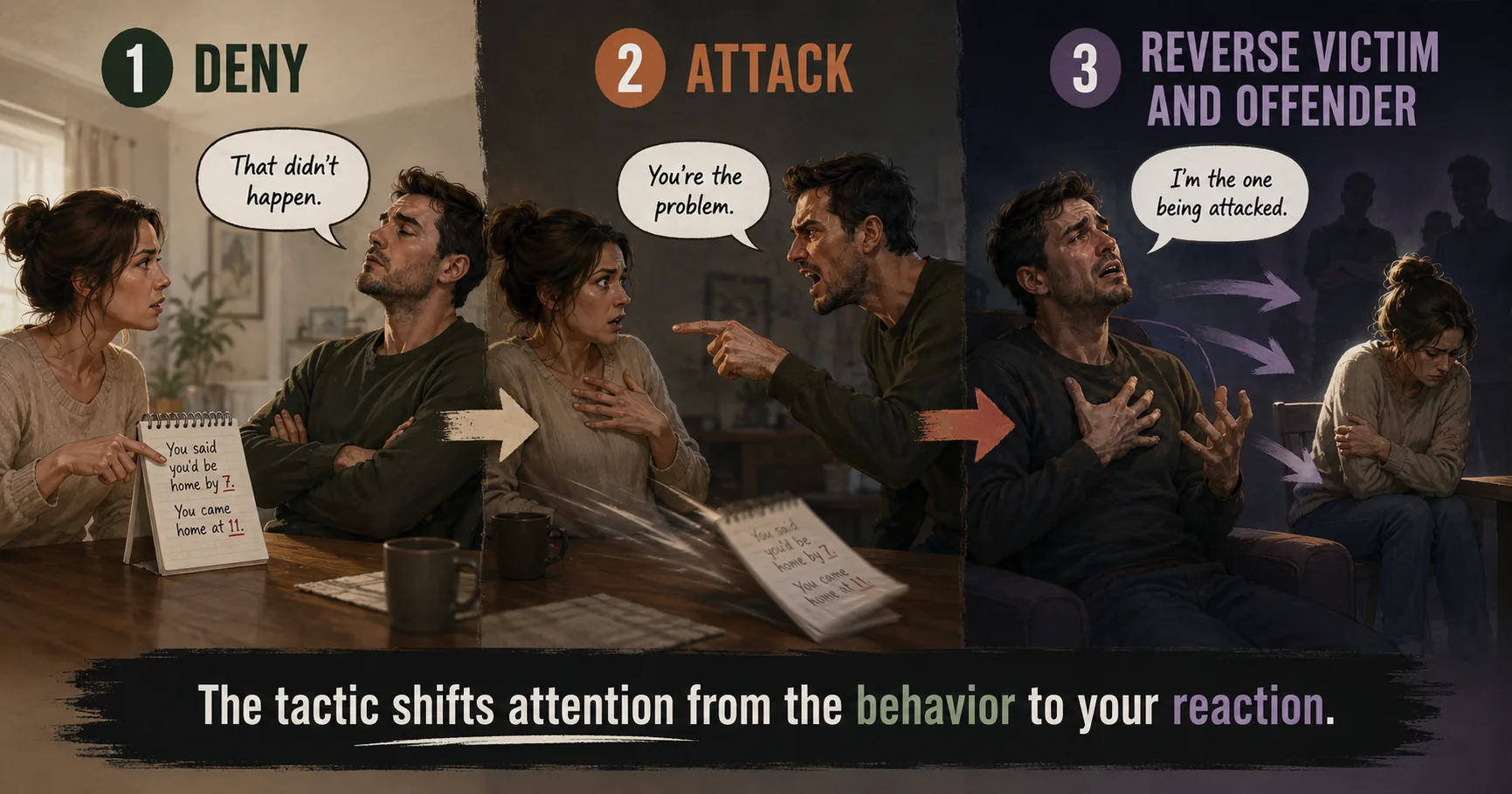
Jennifer Freyd coined DARVO in 1997 to describe what manipulators do when confronted with their own behavior. Deny the act. Attack the credibility, motive, or character of the accuser. Reverse Victim and Offender, repositioning the manipulator as the person actually wronged.
Freyds research at the University of Oregon, with colleagues Sarah Harsey and Pamela Birrell, demonstrated that DARVO targets report higher self-blame, are believed less by third parties, and are more likely to drop the accusation.[2]
The tactic exploits the emotional cost of conflict. Most people find being accused distressing and find accusing others distressing. DARVO raises the distress cost of pursuing the accusation above the distress cost of dropping it.
It also weaponizes the bystander, who often prefers the person showing the more elaborate emotional distress response, which the manipulator supplies.
The counter is naming the pattern in flat language and not debating the reversal. Freyds own research group found that participants informed about DARVO before evaluating a case were significantly less swayed by it.
The script is some version of: "I notice that when I raise this, the conversation becomes about my tone or my past.
That is a pattern. I am going to return to the specific behavior I am asking about." The goal is not to win the rhetorical battle. It is to refuse the script.
Intermittent Reinforcement and the Trauma Bond
Intermittent reinforcement is the name for reward schedules in which reinforcement is delivered unpredictably. B.F. Skinners operant conditioning research established that intermittent schedules produce stronger, more persistent behavior than continuous reinforcement.
In relationships, intermittent reinforcement is the pattern where warmth, affection, and approval are delivered inconsistently, often contingent on the targets compliance with escalating demands.
Patrick Carnes developed the trauma bond framework in 1997 to describe the attachment that forms under this schedule.[8] The bond is paradoxically strongest in relationships with the highest unpredictability. Steady warmth produces secure attachment.
Steady cruelty produces distance. Alternation produces the addictive pull that keeps targets in abusive relationships despite awareness of the cost.
The neuroscience, documented in Helen Fishers brain imaging work on romantic attachment, shows activity patterns in the reward pathway that parallel substance dependence, particularly during withdrawal phases of on-off relationships.
Breaking the bond requires exposure extinction. The withdrawal is real and measurable. Heart rate variability, sleep, appetite, and attention are disrupted for weeks.
Clinicians typically recommend no-contact for a minimum of 60 to 90 days for the acute phase to pass, with the understanding that intermittent re-contact resets the clock because even one warm exchange on an intermittent schedule reinforces the entire history.
| Manipulation Tactic | Underlying Mechanism | Primary Counter |
|---|---|---|
| Gaslighting | Memory reconstruction under confident counter-assertion | External written records; third-party reality checks |
| Love bombing | Commitment-consistency; investment escalation | Slow the pace; notice response to small limits |
| DARVO | Asymmetric distress costs; bystander sympathy | Name the pattern; do not debate the reversal |
| Intermittent reinforcement | Variable-ratio schedule effects on attachment | Extended no-contact; exposure extinction |
| Triangulation | Threat to primary attachment via third party | Direct communication with the supposed third party |
| Future faking | Commitment based on promised behavior that does not arrive | Decisions based on track record, not statements |
| Coercive control | Cumulative restriction of autonomy | External support network; financial and logistical independence |
| Moving goalposts | Approval withheld by redefining the standard | Written agreements on success criteria before effort |
Triangulation
Triangulation is the introduction of a third party into a two-person conflict in a way that destabilizes the primary relationship.
The manipulator might describe how another partner, friend, or colleague views the target negatively, or how the manipulator is receiving attention elsewhere, or how a family member has sided against the target.
Murray Bowens family systems theory formalized triangulation as a core mechanism in dysfunctional family dynamics and it generalizes to romantic, workplace, and political contexts.
The effect is to shift the targets attention from the actual two-person issue to the managed threat of the third party. The target invests effort in the triangular relationship rather than in the original grievance, which quietly gets dropped.
Direct communication with the supposed third party, when possible, often reveals that the reported views are exaggerated, selectively quoted, or fabricated.
When direct communication is not possible, naming the triangulation and refusing to discuss the third party returns the conversation to its actual subject.
Future Faking
Future faking is the tactic of making vivid promises about future behavior as a substitute for current behavior. The renovation will start next month. The drinking will stop after the big project. The commitment will come once the divorce is final.
The vacation will be planned once the season changes. The promises are specific enough to sound credible and positioned far enough ahead to avoid immediate verification.
The research-based counter is to evaluate the person by their last thirty days of observable behavior rather than their next thirty days of stated intentions. This reflects base rate reasoning from the prediction literature, particularly Philip Tetlocks work on expert forecasting.
Past behavior is a strong predictor of future behavior. Stated intentions in the absence of matching past behavior are noise.
Coercive Control
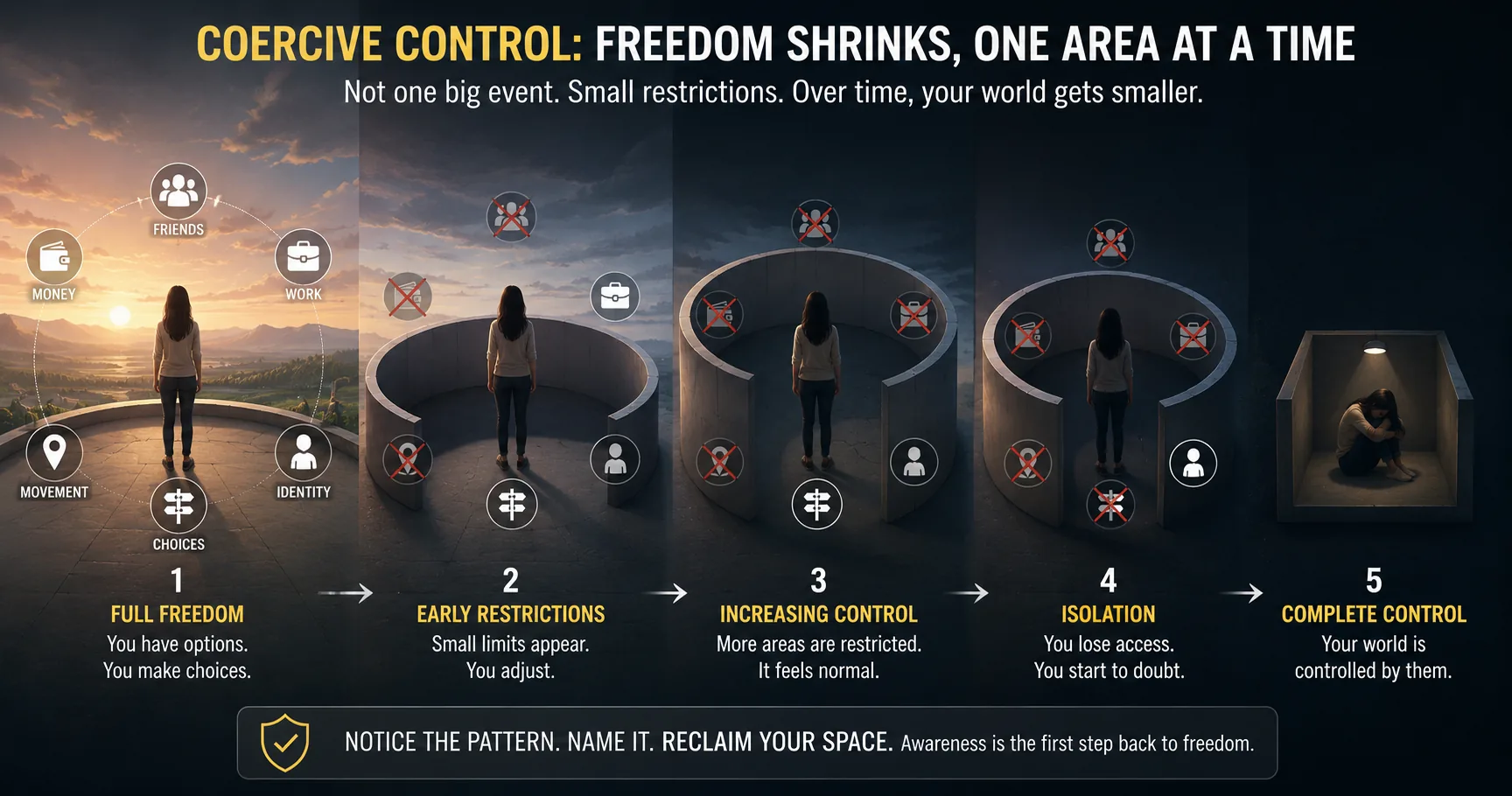
Evan Starks 2007 book Coercive Control reframed domestic abuse away from discrete violent incidents toward the accumulation of small restrictions of autonomy: control of money, control of contacts, control of schedules, control of appearance, control of mood in the home.
Starks argument, now integrated into UK and some US legal frameworks, is that coercive control is the dominant mechanism of abusive relationships and that discrete violence is an intermittent enforcement tool within the larger pattern.[4]
The clinical signature is the erosion of the targets sense of a life separate from the relationship. Friends drop away. Financial independence decays. Work schedules bend around the abusers preferences. Identity contracts into the role the abuser permits.
The erosion is slow enough that any given step seems reasonable and only the aggregate reveals the pattern.
Recovery requires rebuilding the external life structurally, often with professional support. The evidence on leaving coercive relationships is sobering. Leaving is the most dangerous period, with sharply elevated rates of severe violence.
Safety planning with a domestic violence organization before leaving is the standard recommendation and is supported by better outcomes in controlled studies.
"Coercive control is not what he did to her. It is the pattern of what he did for years. Treating each incident as a separate event misses the mechanism. The mechanism is the gradual dismantling of her capacity to act on her own behalf."
Evan Stark, Coercive Control (2007)
Moving the Goalposts
Moving the goalposts is the tactic of withholding approval by redefining the standard once the target meets it. The partner will be happy once the house is clean, then once the kids are well-behaved, then once the job pays more, then once the target loses weight.
The employee will be promoted after the big project, then after the certification, then after the next big project. The standard recedes at the same rate the target approaches it.
The mechanism is learned helplessness, formalized by Martin Seligmans research on uncontrollable aversive events. When effort produces no reliable outcome, motivation collapses.
In manipulative relationships, the collapse is the feature, not a bug. A motivated, engaged partner or employee is harder to control than a demoralized one.
The counter is written agreement on success criteria before effort. Where written agreement is not possible, explicit verbal agreement with witnesses, documented in a follow-up message, serves the same function. The goal is to externalize the standard so it cannot be silently adjusted.
For career contexts, this is where negotiation discipline and evidence-based promotion frameworks protect against the pattern.
Tactical Scripts for Real Situations
Abstract understanding does not transfer to action without practice. The scripts below are adapted from clinical workbooks, communication training, and documented case notes. They are not magic words. They are conversational patterns that deny the manipulator the usual openings.
For gaslighting in the moment: "I remember it differently. I am going to check my notes and come back to this. We do not have to resolve this right now." This refuses the real-time argument and introduces delay, which breaks the manipulators momentum.
For DARVO: "I hear that you feel attacked. I want to return to the specific thing I asked about. What I asked was whether [specific behavior]. I would like an answer to that." The script acknowledges their emotion without debating it and returns to the original question.
For love bombing: "I really appreciate the intensity of what you are saying. I am someone who goes slower than this. Can we spend the next month at a pace where I am comfortable?" This is a small limit that tests response. A secure partner adjusts. A manipulator escalates or punishes.
For future faking: "I believe you want to [promise]. Lets schedule a concrete step this week that moves toward it. What can you do by Friday?" This converts abstract promises into testable behavior.
For triangulation: "If [third party] is upset with me, I will talk to them directly. Can you give me their number?" The response reveals whether the third party exists in the reported form.
For moving goalposts: "I want to make sure we agree on what good looks like. Can we write down the specific criteria for [promotion, milestone, approval] so we are both clear?" The written standard is harder to move silently.
When Leaving Is the Answer
Not every manipulative relationship can be repaired and not every repair attempt is worth the cost. Research on treatment outcomes for the Dark Triad, particularly the psychopathy end of the spectrum, shows poor response to conventional therapy.
Robert Hare, the psychologist who developed the PCL-R psychopathy assessment, has written that traditional psychotherapy for high-scoring psychopaths often produces patients who become more skilled manipulators, not less.[5]
The practical calculation is base rate plus trajectory. Base rate: people with extensive histories of manipulative behavior across multiple relationships rarely change. Trajectory: if the pattern has worsened rather than improved over the current relationship, assume continued worsening.
Leaving early is less costly than leaving late, but leaving any abusive relationship is rarely easy and often requires structural support.
For readers facing this decision, the single most important variable the research identifies is an external support network.
Financial independence, a social network outside the relationship, and logistical capacity (housing, transportation, childcare) predict successful departures better than motivation or clarity about the need to leave. Structural preparation is the work.
See also our related guides on mental models for difficult decisions.
A Note on Self-Diagnosis
The viral framing of dark psychology encourages pattern-matching everyone slightly difficult as a narcissist or psychopath.
The clinical reality is that the base rate of full personality-disorder-level Dark Triad traits is low, perhaps 1 to 3 percent of the general population, with a larger group showing elevated but subclinical traits. Most conflicts are not with manipulators.
They are with ordinary people under stress, including the reader.
The protective value of learning these patterns is narrow but real. It helps when you are genuinely in a relationship with someone running these scripts. It is less helpful, and sometimes harmful, when applied loosely to normal conflict.
A useful filter: does the pattern persist across contexts with different counterparts (this person has been accused of gaslighting by multiple past partners, colleagues, and friends)? Does it escalate rather than resolve under direct communication?
Does the target feel worse over time rather than better? Affirmative answers across the pattern suggest the framework applies. A single bad argument, even a serious one, usually does not.
See also: Imposter Syndrome: Why Smart People Feel Like Frauds | Dopamine Detox: Does It Actually Work?
Sources & Further Reading
- Paulhus, D. L., & Williams, K. M. (2002). "The Dark Triad of Personality: Narcissism, Machiavellianism, and Psychopathy." Journal of Research in Personality, 36(6), 556-563. DOI: 10.1016/S0092-6566(02)00505-6
- Harsey, S., & Freyd, J. J. (2020). "Deny, Attack, and Reverse Victim and Offender (DARVO): What Is the Influence on Perceivers?" Journal of Aggression, Maltreatment and Trauma, 29(8), 897-916. DOI: 10.1080/10926771.2020.1774695
- Stern, R. (2007). The Gaslight Effect: How to Spot and Survive the Hidden Manipulation Others Use to Control Your Life. Morgan Road Books.
- Stark, E. (2007). Coercive Control: How Men Entrap Women in Personal Life. Oxford University Press.
- Hare, R. D. (1999). Without Conscience: The Disturbing World of the Psychopaths Among Us. Guilford Press.
- Loftus, E. F., & Palmer, J. C. (1974). "Reconstruction of Automobile Destruction: An Example of the Interaction Between Language and Memory." Journal of Verbal Learning and Verbal Behavior, 13(5), 585-589. DOI: 10.1016/S0022-5371(74)80011-3
- Strutzenberg, C., Wiersma-Mosley, J. D., Jozkowski, K. N., & Becnel, J. N. (2017). "Love Bombing: A Narcissistic Approach to Relationship Formation." Discovery: The Student Journal of Dale Bumpers College, 18(1), 81-89.
- Carnes, P. J. (1997). The Betrayal Bond: Breaking Free of Exploitive Relationships. Health Communications.