
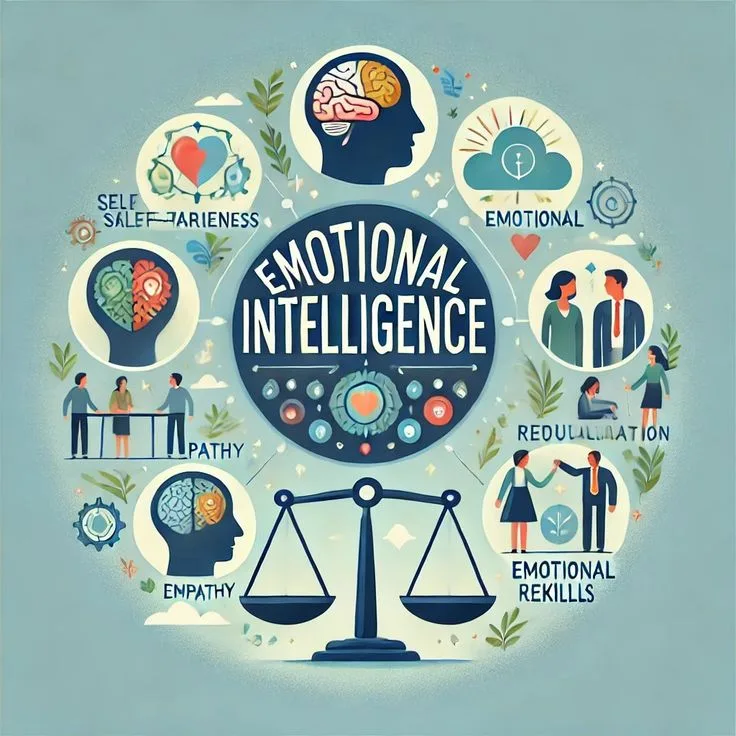
Understanding somatic intelligence means treating bodily sensations as part of an information-processing system, not as a rival to reasoning. The somatic marker hypothesis proposes that past outcomes become associated with physiological signals that bias attention and choice before deliberate analysis finishes. Embodied cognition research challenges a strict mind-body split, while this account emphasizes interpretation rather than treating every physical feeling as a reliable prediction.
You are in a meeting. A colleague proposes a strategy that sounds reasonable on its face. The numbers check out. The logic is coherent. But something tightens in your chest. Your gut sends an unmistakable signal: something is off.
Two weeks later, the strategy fails in exactly the way your body seemed to anticipate.
This experience is not mystical. It is not a lucky guess. It is the result of a legitimate information-processing system that most professional cultures have spent decades telling us to ignore.
That system is somatic intelligence - the body's capacity to process complex information through physical sensation and to communicate that information faster and often more accurately than conscious reasoning.
What Is Somatic Intelligence?
The word somatic comes from the Greek soma, meaning body. Somatic intelligence refers to the capacity to receive, interpret, and act on information communicated through physical sensations - gut feelings, changes in heart rate, muscle tension, postural shifts, temperature changes, breathing patterns.
This is distinct from athletic intelligence (skill in physical performance), although the two overlap.
Somatic intelligence is specifically about the body as an information-processing and communication system - a system that monitors your environment, tracks your internal responses, integrates your history of experience, and produces signals that influence behavior.
The idea challenges a deeply embedded assumption in Western intellectual culture: that the body is the vehicle for the brain and that serious cognition happens in the mind, not the body. Decades of neuroscience research have undermined this assumption comprehensively.
This challenge to mind-body dualism has a long intellectual history. Rene Descartes' famous formulation - that mind and body are fundamentally separate substances - dominated Western philosophy and medicine for centuries and shaped how institutions, educational systems, and professional cultures treated bodily knowledge.
The philosopher and cognitive scientist Mark Johnson, in his 1987 book The Body in the Mind, was among the first to systematically argue that abstract thought itself is grounded in embodied experience - that concepts like "up," "balance," "force," and "containment" are not arbitrary symbols but arise directly from the body's physical interactions with the world.[9]
This tradition, now called embodied cognition, has generated a substantial research literature showing that cognition and physical experience are far more intertwined than the Cartesian model assumed.
"The body is not an appendage dangling from the rational mind. It is the foundation of the mind's ability to function." - Antonio Damasio
The Somatic Marker Hypothesis
The most influential scientific framework for somatic intelligence is the somatic marker hypothesis, developed by neurologist Antonio Damasio at the University of Iowa and described in his 1994 book Descartes' Error.[1]
Damasio's research began with patients who had suffered damage to the ventromedial prefrontal cortex (vmPFC) - a brain region that connects cognitive processing with emotional and physiological responses. These patients were intelligent, articulate, and capable of logical analysis.
But they were catastrophically bad at making real-world decisions.
The Case of Elliot
Damasio's most famous case was a patient he called "Elliot." A successful businessman and father, Elliot had a benign brain tumor removed from his prefrontal lobe. The surgery was medically successful. But afterward, Elliot's personality and decision-making were profoundly altered.
Elliot could analyze a decision thoroughly. He could articulate all the relevant considerations. He could generate multiple options and evaluate them against stated criteria. What he could not do was choose.
Simple decisions - which restaurant to eat at, what filing system to use, which appointment slot to book - consumed hours. He oscillated endlessly between options, unable to commit.
Damasio's insight was that Elliot's damage had disconnected his cognitive reasoning from his emotional system. He felt nothing about the options before him. And without that emotional signal - without the somatic markers that normally bias attention and guide choice - he could not decide.
This was the opposite of what many people expect: it was not too much emotion that impaired Elliot's decision-making. It was too little.
How Somatic Markers Work
Damasio's model proposes the following mechanism:
- During your life, you accumulate experiences of decisions and their outcomes
- Each significant outcome is tagged with an emotional and physiological response - bodily states that arise in response to the outcome
- These pairings are stored in memory: this kind of situation led to this kind of physical state
- When a similar decision situation is encountered, those stored bodily states are reactivated - either as actual bodily changes or as simulations of those changes in the brain
- These reactivated states function as markers that bias attention and judgment before conscious deliberation is complete - directing you away from options associated with negative outcomes and toward options associated with positive ones
The Iowa Gambling Task, developed by Damasio and colleagues, provided elegant experimental support for this model. Participants drew from four card decks, two of which had high rewards but higher penalties (leading to long-term loss) and two with lower rewards but also lower penalties (leading to long-term gain).
Normal participants began avoiding the bad decks before they could consciously articulate why - their skin conductance responses (a measure of emotional arousal) began rising when they reached toward the losing decks before conscious awareness kicked in.
Patients with vmPFC damage showed no such anticipatory somatic responses and continued drawing from losing decks even after consciously identifying them as losing.
The body knew before the brain did.
A landmark replication and extension of this work was published by Bechara, Damasio, Tranel, and Damasio in Science in 1997.[2] The study confirmed that normal participants generated anticipatory skin conductance responses to risky choices approximately 10 "good" decisions before they explicitly knew which decks were risky.
The somatic signal was preceding - and evidently guiding - conscious knowledge by a measurable interval. This temporal gap between somatic awareness and cognitive awareness is the empirical heart of the somatic marker hypothesis.
Neurological Substrates
The vmPFC is not the only brain region involved in somatic intelligence. Research since Damasio's original formulation has implicated a broader network:
- The insular cortex integrates interoceptive information (signals from the body's internal state) with emotional and cognitive processing
- The anterior cingulate cortex (ACC) monitors conflict between competing signals - including conflicts between somatic signals and analytical conclusions - and flags situations requiring increased attention
- The amygdala plays a central role in tagging emotionally significant experiences with physiological responses, contributing to the accumulation of somatic markers over time
- The orbitofrontal cortex (OFC) serves as an integration hub where somatic signals interface with cognitive evaluation
This network architecture explains why somatic intelligence cannot be located in a single brain region - it is the product of communication among multiple systems that span what we traditionally label as "emotional" and "cognitive" processing.
Interoception: The Sense We Don't Talk About
Most people learn about five senses in school: sight, hearing, smell, taste, touch. But neuroscientists recognize a sixth sense that may be more important than most: interoception - the sense that monitors the internal state of the body.
Interoception includes awareness of:
- Heart rate and rhythm
- Breathing depth and rate
- Hunger and satiety
- Temperature
- Muscular tension and relaxation
- Pain and physical discomfort
- Nausea and digestive sensations
- Sexual arousal
- The sense of effort in movement
These signals are processed primarily in the insular cortex, a region buried within the lateral sulcus of the brain. The insula has extensive connections to emotional processing regions (the amygdala, the anterior cingulate cortex) and to the prefrontal cortex.
It is essentially a relay station that integrates bodily states with emotional and cognitive processing.
Research by Sarah Garfinkel and Hugo Critchley at the University of Sussex has shown that interoceptive accuracy - the ability to accurately sense one's own bodily states, measured by tasks like counting one's own heartbeats - varies substantially between individuals and predicts important psychological and behavioral outcomes:[3]
| Outcome | Association with Interoceptive Accuracy |
|---|---|
| Emotional regulation | Higher interoception linked to better regulation |
| Intuitive decision-making | Better interoception predicts more accurate intuitive judgments |
| Social sensitivity | Higher interoception linked to greater empathy accuracy |
| Anxiety disorders | Many anxiety disorders associated with altered interoception |
| Eating disorders | Disrupted interoception common in anorexia and bulimia |
| Resilience under stress | Better interoception associated with faster recovery from stressors |
| Chronic pain | Altered interoceptive processing linked to pain amplification |
| Athletic performance | Elite athletes show enhanced proprioceptive and interoceptive sensitivity |
Importantly, interoceptive accuracy can be measured - typically through heartbeat detection tasks - and evidence suggests it can be improved through practices that direct deliberate attention to bodily sensations.
Garfinkel et al. (2015) made an important conceptual contribution by distinguishing between three distinct components of interoception that prior research had conflated: interoceptive accuracy (objective performance on heartbeat detection tasks), interoceptive sensibility (the subjective sense of being body-aware, measured by self-report), and interoceptive awareness (the correspondence between objective accuracy and subjective confidence).
These components are only modestly correlated, which explains why some people feel very body-aware but are actually poor at detecting their own bodily states, while others are physiologically sensitive but don't identify as particularly body-conscious.
This distinction has practical implications: developing genuine interoceptive intelligence requires working at the level of accuracy, not merely subjective attentiveness.
"Interoception is the foundation of how we experience the world from the inside. It is what makes us feel alive rather than merely functional." - Sarah Garfinkel, University of Sussex
The Gut-Brain Axis: A Second Nervous System
One of the most striking scientific developments in somatic intelligence research is the growing understanding of the enteric nervous system - sometimes called the "second brain" - and its bidirectional communication with the central nervous system via the gut-brain axis.
The enteric nervous system consists of approximately 500 million neurons lining the gastrointestinal tract, comparable in number to the neurons of the spinal cord.
This network operates with significant autonomy, regulating digestive processes independently of the brain, but it is also in continuous communication with the central nervous system through the vagus nerve - a major highway of bidirectional neural signaling.
Approximately 90 percent of the signals traveling along the vagus nerve run upward from gut to brain, not downward. This means the gut is sending more information to the brain than the brain is sending to the gut.
Research by Michael Gershon at Columbia University, summarized in his 1998 book The Second Brain, established the enteric nervous system as a genuinely independent intelligence - capable not just of local regulation but of sending emotional and experiential signals to the central nervous system that influence mood, behavior, and decision-making.[10]
The enteric nervous system produces approximately 95 percent of the body's serotonin - the neurotransmitter most associated with mood regulation. Research has increasingly connected the composition of the gut microbiome (the population of bacteria colonizing the intestinal tract) to mental health outcomes through this pathway.
Studies by John Cryan at University College Cork and Ted Dinan, published in journals including Neurogastroenterology and Motility and Brain, Behavior, and Immunity, have demonstrated that gut microbiome alterations affect anxiety, depression, and cognitive function in both animal models and human subjects.
This psychobiotic research is young but suggests that the gut's contribution to intelligence and emotional regulation extends to the microbial communities it hosts.
Gut Feelings in Professional Decision-Making
Research on expert intuition, particularly the work of Gary Klein on naturalistic decision-making, demonstrates how somatic intelligence operates in professional contexts.
Klein's studies of firefighters, military commanders, and intensive care nurses revealed that expert decision-makers in high-stakes situations rarely use the analytical deliberation process taught in business schools.
They do not generate multiple options, evaluate them against criteria, and select the best one. Instead, they recognize patterns and make decisions rapidly - often before they can consciously articulate why.
What enables this? Klein argues that expertise creates a rich store of pattern-recognition templates built from thousands of past experiences. When an expert encounters a new situation, it is rapidly matched against stored patterns.
And those pattern matches arrive not just as cognitive judgments but as somatic signals - a feeling of "this is right," tension when something doesn't fit, a sense of danger before the danger can be named.
Experienced firefighters report feeling the heat distribution in a building as a whole-body perception before intellectually analyzing the fire's structure.
Intensive care nurses describe a "nagging feeling" about a patient whose vital signs look acceptable but who is actually deteriorating. Chess grandmasters report physical discomfort when presented with a board position that contains a hidden threat.
These are not mere metaphors for cognitive pattern recognition. The research suggests they are genuine somatic signals generated by the same brain-body systems Damasio identified.
Klein developed the Recognition-Primed Decision (RPD) model to describe this process formally.[4] In the RPD model, the expert does not choose between options; they recognize a situation type and mentally simulate the first plausible course of action, checking whether it feels right.
This feeling of rightness or wrongness is not incidental - it is the mechanism by which accumulated experience is accessed and applied. The simulation is both cognitive and somatic: the expert runs the scenario and notices whether it produces the bodily resonance of a workable plan or the visceral signal of trouble ahead.
Klein's 1998 book Sources of Power is one of the most important accounts of how expertise actually functions and how somatic intelligence is central - not peripheral - to expert performance.
The Intersection with Emotional Intelligence
Daniel Goleman's popularization of emotional intelligence in his 1995 book of the same name pointed toward a similar territory from a different angle.
Goleman's model of emotional intelligence includes self-awareness (recognizing one's emotional states), self-regulation (managing those states), empathy (sensing the emotional states of others), and social skill (managing relationships effectively).
Each of these competencies depends substantially on somatic processing.
Self-awareness, in Goleman's framework, is not primarily cognitive self-knowledge - it is the real-time recognition of one's emotional-bodily state.
Empathy is not just inferring others' thoughts; research by Vittorio Gallese at the University of Parma and colleagues on mirror neuron systems suggests that social understanding involves the simulation of others' physical states in one's own body - that understanding someone's pain, joy, or fear involves a literal bodily resonance in the observer.
This suggests that interpersonal sensitivity is, at its foundation, a somatic capacity.
The Body Keeps the Score: Trauma and Somatic Memory
One of the most important clinical applications of somatic intelligence research is in understanding and treating trauma. Bessel van der Kolk's landmark book The Body Keeps the Score (2014) brought decades of clinical and neuroscience research on trauma into accessible form.[5]
Van der Kolk's central argument: traumatic experiences are not merely stored as memories in narrative form. They are stored in the body - in altered nervous system regulation, in characteristic patterns of muscular tension, in modified sensitivity to physical sensation.
This explains a critical feature of post-traumatic stress: the body re-enacts the trauma.
Sounds, smells, physical sensations, or interpersonal dynamics that resemble the original traumatic context trigger the same somatic responses as the original event - heart rate elevation, muscular bracing, breathing changes, dissociation - even when the conscious mind recognizes there is no current threat.
Peter Levine's Somatic Experiencing model, developed over four decades of clinical practice and research, offers a detailed account of how trauma is stored somatically.
In Levine's model, traumatic stress results from incomplete defensive responses - the mobilization of threat-response energy (fight or flight) that was interrupted or overwhelmed during the original event.[6]
This incomplete discharge leaves energy "frozen" in the nervous system, producing the hyperarousal, avoidance, and dissociation characteristic of PTSD.
His 1997 book Waking the Tiger and subsequent clinical work describe a treatment approach that works directly with the body's incomplete responses, helping clients complete them safely in small, titrated doses.
The implication for treatment: approaches that work only with the narrative content of trauma - talking about what happened - often fail to reach the somatic level where the trauma is actually stored. Treatments that work directly with the body have shown substantial promise:[11]
Somatic Experiencing (Peter Levine): Works with the body's natural instinct to complete threat responses that were interrupted during trauma, gradually processing physiological activation through safe bodily awareness.
Sensorimotor Psychotherapy (Pat Ogden): Integrates body awareness, movement, and sensation with cognitive and emotional processing.
Eye Movement Desensitization and Reprocessing (EMDR): Uses bilateral sensory stimulation (typically eye movements) while processing traumatic memories, producing changes in how the memories are stored physiologically.
Yoga for trauma: Research by van der Kolk and colleagues published in the Journal of Clinical Psychiatry (2014) found that trauma-sensitive yoga produced significant reductions in PTSD symptoms, including in patients who had not responded to standard pharmacological treatment.
The study found significantly greater improvement on the Clinician-Administered PTSD Scale in yoga participants compared to a supportive wellness education control group.
A 2018 meta-analysis by Brom et al. published in the Journal of Trauma and Dissociation reviewed body-oriented treatments for PTSD across multiple studies and found consistent evidence of therapeutic benefit, concluding that body-focused approaches should be considered an evidence-based component of comprehensive trauma treatment.
Proprioception and Extended Somatic Awareness
Proprioception - the sense of one's body's position and movement in space - is another dimension of somatic intelligence with important implications beyond physical movement.
Research in embodied cognition has shown that physical states influence cognitive and emotional processing in ways that challenge the traditional mind-body distinction:
Posture and power: Amy Cuddy's research on "power posing" (subsequently contested and partially replicated) sparked broader interest in how postural states affect hormonal and psychological states.
The underlying finding - that posture influences confidence and willingness to take risks - has a more robust evidence base than the specific hormonal mechanism initially proposed.
A 2018 meta-analysis by Cuddy, Schultz, and Fosse reviewing the accumulated literature concluded that postural feedback effects on confidence and affect are real and replicable, even if the specific cortisol/testosterone mechanism remains contested.
The pen in mouth effect: Fritz Strack, Sabine Stepper, and Leonard Martin's 1988 study had participants hold a pen between their teeth (activating smile muscles) or between their lips (preventing smiling). Those in the teeth condition rated cartoons as significantly funnier.
A large multi-site replication by Wagenmakers et al. (2016) failed to replicate the effect, but a subsequent meta-analysis examining the full literature by Noah et al. (2018) found positive evidence when studies were conducted in conditions without demand characteristics.
The debate illustrates how fine-grained the interaction between body position and mental state can be.
Walking and creativity: Multiple studies have found that walking substantially increases divergent thinking (creativity) compared to sitting.
The most rigorous of these, by Marily Oppezzo and Daniel Schwartz at Stanford (2014), published in the Journal of Experimental Psychology: Learning, Memory, and Cognition, found that walking produced an average 81 percent increase in creative output on divergent thinking tasks compared to sitting.[8]
The effect held whether walking was outdoors or on a treadmill facing a blank wall, suggesting it was the movement itself - not the environment - that drove the effect.
Grounding and regulation: Practices that deliberately connect physical sensation with the present moment - feeling feet on the ground, attending to the sensations of breathing - reliably reduce stress arousal. These practices work through the same interoceptive pathways that link bodily states to emotional regulation.
Polyvagal Theory and the Social Nervous System
Stephen Porges' Polyvagal Theory, first presented in 1994 and elaborated in his 2011 book The Polyvagal Theory, offers a neuroanatomical framework for understanding how the body mediates social and emotional experience.
Porges argues that the autonomic nervous system has three hierarchical response systems, not two:[7]
- The ventral vagal system (the most evolutionarily recent) supports social engagement, calmness, and connection - the state from which learning, creativity, and genuine relationship are possible
- The sympathetic mobilization system activates fight-or-flight responses to threat
- The dorsal vagal system (the most evolutionarily ancient) mediates freeze, shutdown, and dissociation responses to overwhelming threat
The theory proposes that the body continuously monitors signals of safety and threat through a process Porges calls neuroception - a subcortical, pre-conscious evaluation of environmental and relational cues.
Neuroception happens before conscious perception: the nervous system has already begun responding to safety or threat before the conscious mind has registered what is happening.
This provides a neurobiological account of why somatic signals arrive before conscious awareness - and why certain interpersonal environments feel safe or threatening in ways that bypass rational analysis.
The body is running its own continuous safety assessment, and that assessment drives physiological state, which in turn shapes what cognition and behavior are possible.
Polyvagal theory has become influential in trauma therapy, somatic practices, and organizational psychology - offering a framework for understanding why psychological safety at work, for example, is not simply a matter of policy but a genuine physiological state that needs to be actively supported.
Measuring and Researching Somatic Intelligence
One challenge in the scientific literature is that somatic intelligence is not yet a standardized construct with agreed-upon measurement protocols. Different research traditions measure different aspects:
| Research Domain | What Is Measured | Key Methods |
|---|---|---|
| Interoception research | Heartbeat detection accuracy | Heartbeat counting tasks, signal detection paradigms |
| Somatic marker research | Anticipatory skin conductance | Galvanic skin response during gambling tasks |
| Embodied cognition | Effect of body state on cognition | Experimental manipulation of posture, movement, temperature |
| Trauma research | Somatic symptoms, body awareness | Self-report scales (Body Awareness Questionnaire, MAIA) |
| Expert decision research | Quality of rapid intuitive judgments | Naturalistic decision scenarios, retrospective interviews |
| Mindfulness research | Interoceptive sensibility | Multidimensional Assessment of Interoceptive Awareness (MAIA) |
The Multidimensional Assessment of Interoceptive Awareness (MAIA), developed by Wolf and Mehling (2012), has become a widely used validated instrument for measuring different dimensions of body awareness, distinguishing between noticing bodily sensations, not distracting from them, emotional awareness, self-regulation, and body listening.[12]
The scale has been validated across multiple languages and clinical populations, providing a more nuanced measurement tool than earlier global assessments.
Developing Somatic Intelligence as a Professional Skill
The applied question is whether somatic intelligence can be cultivated - and the evidence suggests it can, through specific practices that direct deliberate attention to bodily experience.
Body Scan Practice
The most direct way to develop interoceptive awareness is the body scan: a systematic practice of moving attention through different regions of the body and noticing the sensations present. This requires suspending the habitual tendency to evaluate sensations (this is tense, this is uncomfortable) and simply noticing them.
Regular body scan practice - even five to ten minutes daily - has been shown in research to improve interoceptive accuracy, reduce emotional reactivity, and improve the quality of intuitive judgments.
A randomized controlled study by Kerr et al. (2013) published in Frontiers in Human Neuroscience found that focused attention meditation, including body scan practice, produced measurable changes in somatosensory processing and interoceptive sensitivity compared to control conditions.
Mindful Movement
Practices that combine deliberate attention with physical movement - yoga, tai chi, qigong, somatic movement - develop the capacity to track bodily sensations in real time. Unlike purely cognitive mindfulness practices, these approaches cultivate somatic attention in the context of physical challenge and change.
A systematic review by Cramer et al. (2013) covering 94 studies of yoga for mental health found consistent evidence of benefit across anxiety, depression, and stress outcomes, with the body-awareness component identified as a likely mediating mechanism.
Tai chi research by Wayne and Kaptchuk at Harvard Medical School has similarly found benefits for balance, mood, and cognitive function in older adults, partially attributable to the practice's cultivation of fine-grained attention to physical sensation and movement.
Pre-Decision Body Check
A practical application for professionals: before making significant decisions, take sixty seconds to scan for somatic signals. What is the quality of your breathing? Is there tension anywhere specific? Does the decision feel spacious or constricted? Is there something tight or uneasy that doesn't match your conscious analysis?
This is not about letting gut feelings override rational analysis. It is about including somatic information in the decision-making process alongside conscious deliberation - treating the body as an additional source of data rather than noise to be suppressed.
Keeping a Somatic Journal
Track the relationship between physical sensations and subsequent outcomes. After significant decisions, interactions, or events, note what you felt in your body before the event, during it, and after.
Over time, patterns emerge that reveal your body's signal vocabulary - what physical states precede good outcomes, which precede poor ones, and which somatic signals deserve more attention.
Working with Somatic Coaches
The field of somatic coaching has grown substantially as awareness of embodied intelligence has increased.
A skilled somatic coach can help identify habitual physical patterns (characteristic holding tensions, breathing patterns, postural tendencies) and develop greater range of somatic response - expanding the body's capacity to generate and receive information.
Influential frameworks such as Richard Strozzi-Heckler's Strozzi Institute Somatic Leadership Coaching and the Generative Somatic approach developed by Staci Haines draw on both embodied cognition research and clinical somatic therapy to develop somatic intelligence as a leadership competency.
The Limits of Somatic Intelligence
Somatic intelligence is powerful, but it is not infallible. Several important caveats:
Biased patterns: The somatic markers built from past experience reflect that past experience - including its biases.
If your past experience of people who look or sound a certain way is negative, your body may generate warning signals in response to those characteristics regardless of whether the current individual poses any actual threat.
Implicit bias has a somatic dimension. Research by Jennifer Eberhardt at Stanford on racial bias has documented physiological threat responses that operate below conscious awareness - a reminder that the body's pattern recognition is only as unbiased as the experiences that shaped it.
Anxiety vs. intuition: Both genuine intuitive signals and anxiety-based reactivity manifest as somatic sensations. Distinguishing useful somatic information from anxious noise requires experience and reflective practice. Not every tightening of the chest is wisdom; some of it is avoidance.
A key distinguishing feature identified by practitioners is that genuine intuitive signals tend to be relatively calm and clear, while anxiety tends to be accompanied by urgency, catastrophizing, and narrowing of attention - but learning to make this distinction reliably is itself a skill that takes time to develop.
Context dependence: Somatic responses are context-sensitive. High interoceptive accuracy in familiar domains does not automatically transfer to unfamiliar ones. The seasoned firefighter's somatic intelligence about fire behavior does not extend to financial decisions.
Chronic tension and numbness: Many adults have spent years suppressing or ignoring somatic signals - a pattern reinforced by professional cultures that prize emotional distance.
The result can be diminished somatic sensitivity, where signals are weak, unreliable, or inaccessible to conscious awareness. Developing somatic intelligence in this context requires patience and often professional support.
The "somatic bypass" risk: The term, coined in somatic therapy circles, refers to the use of body-based practices to bypass rather than process difficult emotions - using physical sensation as another form of avoidance rather than as a doorway to deeper awareness.
Practices oriented toward relaxation and pleasant sensation without engagement with the discomfort signals the body is generating can reinforce the very disconnection they aim to heal.
Somatic Intelligence Across Cultures
It is worth noting that many non-Western knowledge traditions have maintained sophisticated frameworks for somatic intelligence that predate the Western scientific literature by centuries.
Traditional Chinese Medicine works with qi - often translated as "life energy" - as a system that moves through the body's meridians and whose disruption produces both physical symptoms and emotional-psychological states.
Whatever one's view of the metaphysical framework, the practical tradition has developed highly refined systems for reading and working with the body's states.
Ayurvedic medicine in the Indian tradition similarly treats the body as a primary source of diagnostic information, with detailed frameworks for reading constitutional tendencies through pulse, posture, and appearance.
Indigenous healing traditions across many cultures ground wellness practice in physical ceremony, movement, and attention to the body's relationship with the natural environment.
The scientific study of somatic intelligence does not validate these frameworks wholesale, but the convergence between neuroscience's emerging understanding and ancient traditions of working with the body as an intelligent system is striking and worth noting.
Conclusion: Listening to the Body
The dichotomy between thinking and feeling, between reason and body, has been central to Western intellectual culture for centuries. Neuroscience has been steadily dismantling it.
The body is not a vehicle for the mind. It is a participant in intelligence - one that processes information quickly, draws on a lifetime of accumulated experience, and communicates through sensations that often reach awareness before conscious reasoning has completed its analysis.
The enteric nervous system sends more signals upward to the brain than it receives downward. The autonomic nervous system continuously assesses safety and threat before the conscious mind knows what is happening. The somatic markers accumulated through lived experience guide decisions toward better outcomes - when we listen.
Developing somatic intelligence is not about abandoning analytical thinking. It is about integrating a source of information that analytical thinking alone cannot access. The best decision-makers - the expert firefighters, the experienced clinicians, the gifted negotiators - are not those who have suppressed their bodies' signals.
They are those who have learned to hear them clearly, interpret them accurately, and integrate them with conscious analysis.
Learning to do the same is a learnable skill. And given the evidence, it may be one of the most undervalued professional capacities there is.
Sources & Further Reading
- Damasio, A. (1994). "Descartes' Error: Emotion, Reason, and the Human Brain". Putnam.
- Bechara, A., Damasio, H., Tranel, D., & Damasio, A. R. (1997). Deciding advantageously before knowing the advantageous strategy. Science, 275(5304), 1293-1295.
- Garfinkel, S. N., Seth, A. K., Barrett, A. B., Suzuki, K., & Critchley, H. D. (2015). Knowing your own heart: Distinguishing interoceptive accuracy from interoceptive awareness. Biological Psychology, 104, 65-74.
- Klein, G. (1998). Sources of Power: How People Make Decisions. MIT Press.
- van der Kolk, B. (2014). "The Body Keeps the Score: Brain, Mind, and Body in the Healing of Trauma". Viking.
- Levine, P. A. (1997). Waking the Tiger: Healing Trauma. North Atlantic Books.
- Porges, S. W. (2011). The Polyvagal Theory: Neurophysiological Foundations of Emotions, Attachment, Communication, and Self-Regulation. W. W. Norton.
- Oppezzo, M., & Schwartz, D. L. (2014). Give your ideas some legs: The positive effect of walking on creative thinking. Journal of Experimental Psychology: Learning, Memory, and Cognition, 40(4), 1142-1152.
- Johnson, M. (1987). The Body in the Mind: The Bodily Basis of Meaning, Imagination, and Reason. University of Chicago Press.
- Gershon, M. D. (1998). The Second Brain. HarperCollins.
- Brom, D., Stokar, Y., Lawi, C., Nuriel-Porat, V., Ziv, Y., Lerner, K., & Ross, G. (2017). Somatic experiencing for posttraumatic stress disorder: A randomized controlled outcome study. Journal of Traumatic Stress, 30(3), 304-312.
- Wolf, N., & Mehling, W. (2012). Multidimensional assessment of interoceptive awareness (MAIA). PLoS ONE, 7(11).