
Trauma is often described as something that happens to you and then, given time, fades. In this framing - which persists despite being contradicted by decades of research - the appropriate response to traumatic experience is patience and resilience, and people who continue to struggle are somehow failing to get over it.
The message, implicit or explicit, is that the problem is in the past, and the person's continuing distress reflects an insufficient effort to move forward.
This framing is physiologically wrong. Trauma is not simply an event that leaves a psychological mark.
It is a neurobiological event that alters the structure and function of the brain in measurable ways, changing how threat is perceived, how memories are stored, how the body maintains its baseline state of calm, and how the nervous system responds to stimuli that resemble the original experience.
Understanding this is not a matter of academic interest.
It changes how we understand why trauma survivors respond the way they do, why recovery requires more than time, and what kinds of interventions actually address the underlying biology.
Bessel van der Kolk, a psychiatrist at Boston University and founder of the Trauma Center, spent four decades building a comprehensive account of how trauma is held in the body and brain.
His 2014 book The Body Keeps the Score synthesised this research for a wider audience and remains the most accessible comprehensive treatment of the subject.[1]
The title itself captures the central insight: the effects of trauma are not primarily stored as narrative memory but as physiological states - patterns of tension, reactivity, and dysregulation that the body reproduces in response to present-day cues, regardless of whether the person consciously connects those cues to the original experience.
"Trauma is not what happens to us, but what we hold inside in the absence of an empathetic witness." - Peter Levine
Key Definitions
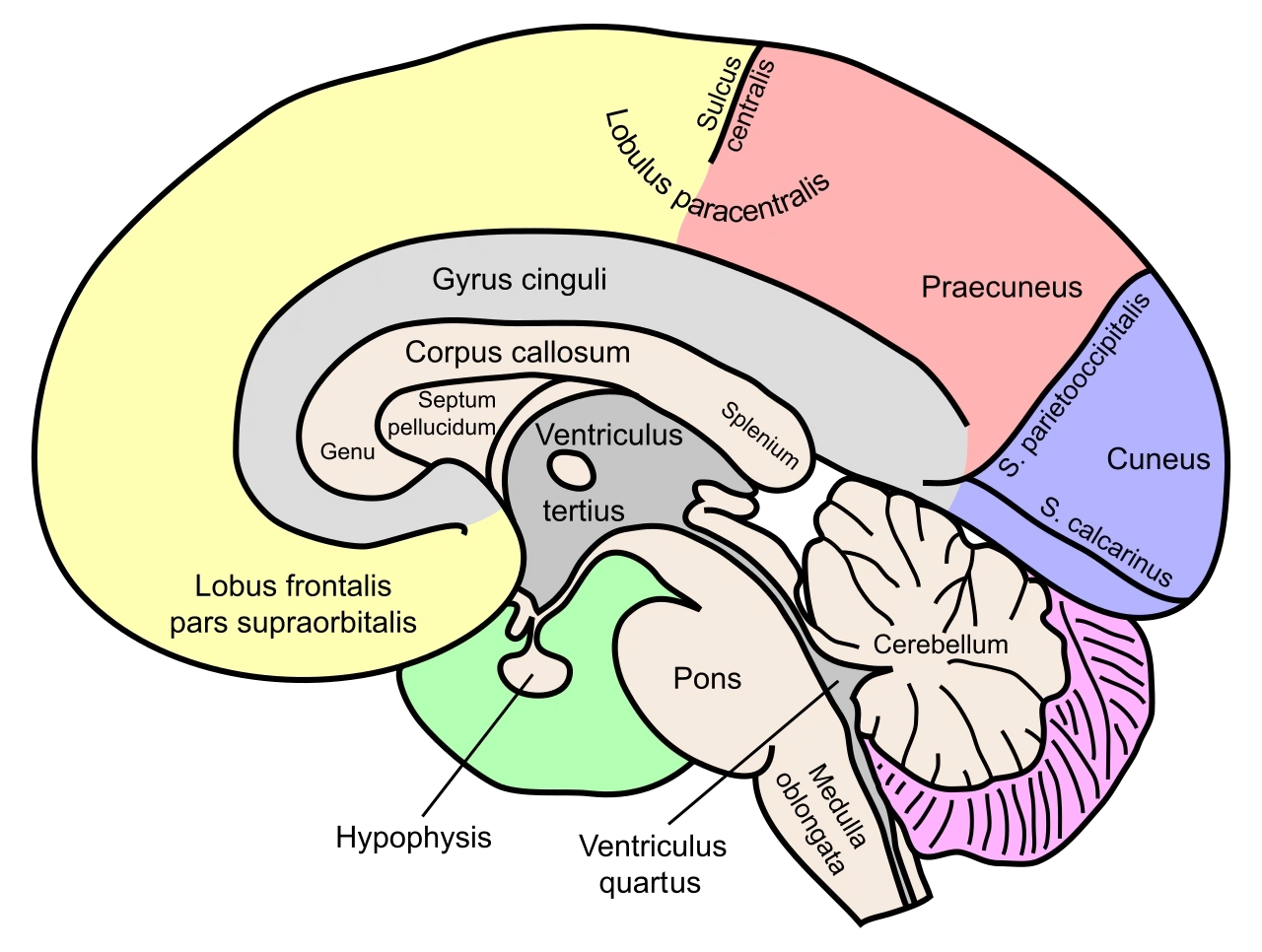
Amygdala: An almond-shaped structure deep in the temporal lobe that processes emotional significance and threat. Hyperreactive in trauma survivors; triggers alarm responses to stimuli associated with the traumatic experience.
HPA Axis: The hypothalamic-pituitary-adrenal axis, the primary hormonal stress response system. Chronically dysregulated in trauma survivors, producing altered cortisol rhythms and a nervous system calibrated for chronic threat.
| Brain Region | Effect of Chronic Trauma | Behavioral Consequence |
|---|---|---|
| Amygdala | Hyperactivation; lower activation threshold | Hair-trigger fear responses, hypervigilance |
| Hippocampus | Volume reduction; impaired memory consolidation | Fragmented memories, difficulty contextualizing past events |
| Prefrontal Cortex | Reduced activity and gray matter | Impaired emotion regulation, poor executive control |
| Anterior Cingulate Cortex | Reduced activity; impaired conflict monitoring | Poor emotional regulation, reduced pain tolerance |
| HPA axis | Dysregulated cortisol response | Chronic stress reactivity, altered threat appraisal |
| Insula | Altered interoceptive processing | Disrupted body awareness; difficulty identifying emotional states |
Hippocampus: A brain structure critical to the formation of episodic and contextual memory. Volume reductions are found in many trauma and PTSD patients; important for placing memories in temporal and spatial context, preventing their re-experiencing as present events.
Adverse Childhood Experiences (ACEs): Potentially traumatic events occurring before the age of 18, including abuse, neglect, and household dysfunction. The ACEs study established a dose-response relationship between ACE scores and adult physical and mental health outcomes.[3]
EMDR: Eye Movement Desensitisation and Reprocessing, a trauma therapy developed by Francine Shapiro in 1989 involving bilateral stimulation during access to traumatic memories.[15] Endorsed by the WHO and the National Institute of Mental Health as an evidence-based treatment for PTSD.
What Constitutes Trauma
Before examining the neuroscience, it is worth defining what trauma actually is - a more contested question than popular usage suggests. The American Psychiatric Association's DSM-5 defines traumatic events as direct or witnessed exposure to actual or threatened death, serious injury, or sexual violence.
This clinical definition is useful for diagnosing PTSD but excludes many experiences - emotional abuse, chronic neglect, bullying, racial discrimination, medical trauma - that produce trauma-equivalent neurobiological effects.
Developmental trauma refers to chronic, repeated interpersonal trauma in childhood, particularly in the context of attachment relationships.
Bessel van der Kolk and colleagues have argued extensively for its inclusion in diagnostic classification, noting that it produces a distinctive clinical picture - pervasive dysregulation of affect, self-perception, and relationship patterns - that differs meaningfully from the discrete-event PTSD that the DSM-5 diagnostic criteria were designed to capture.
Complex PTSD (C-PTSD), now included in the International Classification of Diseases (ICD-11, WHO, 2018), captures this more chronic and pervasive picture. It adds three domains - emotional dysregulation, negative self-concept, and relational disturbances - to the core PTSD symptom clusters.
The ICD-11 inclusion represents a significant recognition that the neurobiological effects of repeated, inescapable trauma differ in important ways from single-incident trauma, even though both involve the same underlying neural systems.
The Three-System Disruption
The neurobiological impact of trauma is most clearly understood through its effects on three interconnected systems: the amygdala-based alarm system, the hippocampal contextualisation system, and the prefrontal regulatory system. Trauma disrupts all three in ways that are mutually reinforcing.
The amygdala functions as the brain's threat-detection centre. It processes incoming sensory information rapidly and pre-consciously, evaluating it for danger.
When a threat is detected, the amygdala activates the hypothalamic stress response, flooding the body with cortisol and adrenaline, and initiates defensive behavioural responses.
This happens faster than conscious thought: the amygdala responds to threatening stimuli in approximately 74 milliseconds, far quicker than the prefrontal cortex can evaluate the situation.
Under normal conditions, this rapid alarm is followed by prefrontal assessment that either confirms the threat (triggering full mobilisation) or dampens the alarm (allowing the nervous system to settle). In trauma survivors, two changes destabilise this system.
The amygdala becomes hyperreactive, its threat threshold lowered by prior traumatic activation. And the medial prefrontal cortex, which normally provides top-down inhibitory regulation of the amygdala, shows reduced metabolic activity and impaired connectivity.
The result is an alarm system that fires more readily and is less effectively regulated.
The hippocampus contributes the third disruption. Normally, the hippocampus encodes experiences with temporal and spatial context, placing memories firmly in the past ("that happened then, not now"). This contextualisation is what allows the brain to distinguish between a memory of danger and a present threat.
In severe or chronic trauma, particularly when cortisol levels are sustained at high levels (which is neurotoxic to hippocampal cells), hippocampal volume and function are compromised.
The result is that traumatic memories may be stored without adequate temporal context, experienced less as narrative memories and more as vivid present-tense sensory fragments. This is a key mechanism of flashbacks and intrusive re-experiencing: the brain cannot adequately locate the memory in the past.
Bessel van der Kolk and the Body That Remembers
Van der Kolk's most significant early empirical work involved neuroimaging of PTSD patients while they relived their traumatic experiences through guided imagery.
Published in 1996 in the Archives of General Psychiatry (later widely cited as a Journal of Traumatic Stress study based on the same dataset) with Scott Rauch and colleagues, the study used PET scanning to observe brain activity during trauma re-experiencing versus neutral imagery.[2]
The pattern was striking: during trauma re-experiencing, activity increased dramatically in the right amygdala and limbic system (threat and emotion) and in the right visual cortex (vivid imagery), but decreased in Broca's area - the region of the left prefrontal cortex responsible for putting experience into words.
This finding gave neural specificity to the clinical observation that trauma survivors often struggle to narrate their experiences coherently. During re-experiencing, the language system goes offline. The body and the emotional brain are fully activated; the part of the brain that constructs verbal narrative is not.
This explains why traditional talk therapy, which relies primarily on verbal narrative processing, often fails to reach the stored trauma: it addresses the brain systems that are least activated during trauma re-experiencing.
"Being traumatized means continuing to organize your life as if the trauma were still going on - unchanged and immutable - as every new encounter or event is contaminated by the past." - Bessel van der Kolk, The Body Keeps the Score, 2014
Van der Kolk's subsequent work on somatic approaches - body-based therapies, EMDR, yoga, movement - emerged directly from this finding.
If trauma is stored in the body's sensorimotor and emotional systems rather than in the verbal-narrative cortex, then engaging those systems directly - rather than primarily through language - is the more direct therapeutic route.
The HPA Axis and Chronically Dysregulated Stress
Rachel Yehuda at the Icahn School of Medicine at Mount Sinai has produced a substantial body of research on HPA axis function in PTSD, finding a pattern that is counterintuitive but consistently replicated.[4]
While acute stress produces elevated cortisol, many PTSD patients show lower baseline cortisol than controls, combined with enhanced cortisol suppression following a dexamethasone challenge.
This pattern suggests a sensitised HPA axis that has been reset to a lower setpoint - hyperresponsive to acute stressors but chronically hypocortisolaemic at baseline.
The implications are significant. The sensitised system responds more intensely to new stressors, generating stronger alarm responses. The low baseline cortisol may impair the system's ability to terminate the stress response and restore equilibrium after activation.
This contributes to the characteristic difficulty trauma survivors have in "coming down" after being triggered - the nervous system lacks the hormonal signal that would normally terminate the stress response.
Yehuda's research on intergenerational transmission has been among the most striking in the field.
Her studies of Holocaust survivors and their adult children found that both generations showed similar HPA axis profiles - elevated glucocorticoid receptor sensitivity and lower baseline cortisol - despite the children having no direct trauma exposure.
Subsequent molecular analysis found epigenetic modifications to the FKBP5 gene (which regulates glucocorticoid receptor sensitivity) in both Holocaust survivors and their offspring, suggesting that the physiological consequences of extreme stress can be transmitted across generations through epigenetic mechanisms rather than direct experience (Yehuda et al., 2016, Biological Psychiatry).[5]
Rodent studies have replicated and extended these findings, establishing that stress-induced epigenetic changes in stress response genes can be transmitted to offspring and even subsequent generations.
The biology of trauma, in other words, is not contained within a single lifetime.
The ACEs Study: Quantifying the Lifelong Cost
The Adverse Childhood Experiences study, initiated by Vincent Felitti at Kaiser Permanente's obesity programme in the early 1990s, began as an accidental discovery.
Felitti noticed that a high proportion of patients who dropped out of his obesity programme had histories of sexual abuse, leading to a suspicion that their weight gain might have been serving a protective function - insulation against unwanted attention.
Collaborating with Robert Anda at the CDC, he embedded ACEs questions in a large health survey of Kaiser patients.
The results, published in 1998 in the American Journal of Preventive Medicine, were unexpected in their scale. Nearly two-thirds of participants reported at least one ACE; 12 percent reported four or more.
The health consequences had a clear dose-response relationship: individuals with four or more ACEs had a 390 percent higher risk of chronic obstructive pulmonary disease, a 240 percent higher risk of hepatitis, a 460 percent higher risk of depression, and a 1220 percent higher risk of attempted suicide compared to those with no ACEs.
Adults with six or more ACEs had a median life expectancy 20 years shorter than those with no ACEs.
The mechanisms include direct neurobiological effects (chronic stress dysregulation during critical developmental periods), behavioural pathways (substance use, risk-taking, poor health behaviours as coping strategies), and social pathways (impaired attachment, reduced educational achievement, economic disadvantage).
The ACEs study did not merely demonstrate that childhood trauma has lasting consequences; it demonstrated that it is among the most significant determinants of adult health across virtually every domain examined.
Subsequent replications and expansions of the ACEs framework have confirmed and extended these findings.
A 2019 CDC analysis based on the Behavioral Risk Factor Surveillance System across all 50 US states found that ACEs were common (61% of adults reported at least one ACE) and that multiple ACEs were associated with 5 of the 10 leading causes of death.
The estimated economic burden of ACEs in the US was placed at approximately $748 billion annually - a figure that includes healthcare costs, lost productivity, and criminal justice expenditure.
PTSD: When the Past Becomes the Present
Post-traumatic stress disorder is the clinical manifestation of the neurobiological changes described above.
Its defining features - intrusive re-experiencing (flashbacks, nightmares), hyperarousal (exaggerated startle, sleep disruption, hypervigilance), and avoidance (of reminders, of emotional engagement) - are direct consequences of amygdala hyperreactivity, hippocampal contextualisation failure, and the chronic HPA axis dysregulation described by Yehuda and colleagues.
The neuroimaging evidence for PTSD is among the most replicable in clinical neuroscience.
A meta-analysis by Etkin and Wager published in 2007 in the American Journal of Psychiatry synthesised neuroimaging studies of PTSD and found consistent findings: reduced activity and volume in the medial prefrontal cortex, anterior cingulate cortex, and hippocampus, alongside increased amygdala reactivity to threat-relevant stimuli.[6]
These findings are not simply correlates of distress; similar changes are found in combat veterans, abuse survivors, disaster victims, and others across very different traumatic exposures.
The prevalence of PTSD is substantial. The National Comorbidity Survey Replication (Kessler et al., 2005) estimated lifetime PTSD prevalence at approximately 6.8% of US adults - roughly one in fifteen people.[18]
Among specific high-exposure populations, rates are considerably higher: estimates for combat veterans range from 10-30% depending on the conflict and assessment methodology; survivors of sexual assault show PTSD rates of approximately 50%; survivors of natural disasters and accidents show rates of 30-40%.
Understanding PTSD as a neurobiological condition rather than a psychological weakness has important clinical and social implications.
The persistence of trauma symptoms is not a failure of willpower or resilience; it is the predictable output of a nervous system that has been recalibrated by overwhelming experience. Recovery requires not just insight or courage but interventions that address the neurobiological changes directly.
Developmental Trauma: When the Brain Grows Under Threat
Trauma has different effects depending on when in development it occurs. The childhood brain is not a miniature adult brain - it is in a critical period of structural and functional organisation, during which experience plays an outsized role in determining how neural circuits are laid down.
Bruce Perry's research at the Child Trauma Academy, synthesised in The Boy Who Was Raised as a Dog (2006), documents how the sequential development of brain regions - from the brainstem upward to the cortex - creates windows of vulnerability.[12]
Traumatic experience during these windows can disrupt the development of the affected systems more profoundly than equivalent trauma in adulthood, because the experience shapes how the circuit is built rather than merely altering an already-established one.
The stress sensitisation model, supported by research from Heim and Nemeroff (2001) at Emory University, proposes that early adversity creates a sensitised stress response system that over-reacts to subsequent stressors throughout life.[17]
The child who develops in a chronically threatening environment - abuse, neglect, domestic violence, parental mental illness - has a brain that has been tuned by experience to expect threat.
This tuning is adaptive in the original environment (hypervigilance makes sense when danger is real and unpredictable) but is costly in safer contexts where the same reactivity creates problems in relationships, schools, and workplaces.
The anterior cingulate cortex (ACC), which helps regulate emotional responses and integrates cognitive and emotional processing, shows consistent developmental effects of early adversity. Edmiston et al.
(2011), reviewing neuroimaging studies of maltreated children, found reduced ACC volume and connectivity that persisted into adolescence.
The ACC's role in error monitoring and conflict resolution means that its developmental disruption contributes to the impulsivity and emotional dysregulation commonly observed in children with trauma histories.
Neuroplasticity and Recovery
The picture painted above might seem deterministic: the brain is changed by trauma and those changes persist. The evidence for neuroplasticity - the brain's capacity for structural and functional reorganisation throughout life - offers a more hopeful account.
Several intervention studies have found measurable neurobiological changes accompanying clinical improvement.
A 2002 study by Schwartz and colleagues found that successful trauma-focused therapy increased medial prefrontal cortex activity and reduced amygdala reactivity in PTSD patients, reversing some of the functional changes associated with the disorder.
Hippocampal volume, reduced by trauma and chronic stress, shows recovery with antidepressant treatment (which stimulates hippocampal neurogenesis), with sustained aerobic exercise (also a strong stimulant of hippocampal neurogenesis), and with certain forms of psychotherapy.
John Krystal at Yale has studied the role of the glutamate system in trauma and PTSD.
Ketamine's rapid antidepressant and anti-PTSD effects - which appear to work partly by restoring synaptic plasticity in the medial prefrontal cortex through AMPA receptor activation - represent a promising pharmacological route to reversing some trauma-induced neural changes.
MDMA-assisted psychotherapy for PTSD, investigated in clinical trials by the Multidisciplinary Association for Psychedelic Studies (MAPS), has shown particularly striking results: Phase 3 trials published in Nature Medicine (Mitchell et al., 2021) found that 67% of participants who received MDMA-assisted therapy no longer met PTSD diagnostic criteria after treatment, compared to 32% in the placebo group.[7]
The proposed mechanism involves MDMA's effects on amygdala reactivity (reduced) and prefrontal cortex activity (increased) - the same circuit whose disruption characterises PTSD.
Sara Lazar at Harvard found that long-term meditators had greater grey matter density in the medial prefrontal cortex and insula compared to non-meditators, suggesting that mindfulness practice strengthens the prefrontal regulatory capacity that trauma compromises.[9]
A subsequent randomised controlled trial by Hoge et al. (2013) found that Mindfulness-Based Stress Reduction (MBSR) produced significant reductions in PTSD symptoms and was associated with increased prefrontal-amygdala connectivity.
Somatic Approaches and the Limits of Talking
The neuroimaging evidence that trauma is stored in the body's sensorimotor systems and that Broca's area goes offline during re-experiencing has clinical implications for treatment selection.
If trauma is held in the body as patterns of muscular tension, autonomic dysregulation, and sensorimotor activation, then purely verbal processing may be insufficient.
Peter Levine, a biophysicist and somatic therapist, developed Somatic Experiencing in the 1970s based on observations of how animals naturally discharge stress responses through physical movement (shaking, trembling).
His model proposes that trauma occurs when the defensive responses mobilised by threat cannot be completed - the fight or flight energy remains bound in the body.
Somatic Experiencing aims to facilitate the gradual, titrated release of that bound energy through body awareness and movement. Levine documented the model in Waking the Tiger (1997) and subsequently in In an Unspoken Voice (2010).[8]
Pat Ogden's Sensorimotor Psychotherapy similarly focuses on the body as the primary site of trauma processing, explicitly integrating attachment theory, cognitive therapy, and body-based interventions.[14] Both approaches have growing evidence bases, though the research is less mature than for EMDR or trauma-focused CBT.
EMDR (Eye Movement Desensitisation and Reprocessing) has the strongest evidence base among the trauma-specific therapies. The WHO (2013), the American Psychological Association, and the NICE guidelines in the UK all recommend it as a first-line treatment for PTSD.
A 2013 meta-analysis by Chen et al. in PLOS ONE reviewed 26 randomised controlled trials and found EMDR significantly superior to control conditions and comparable to trauma-focused CBT in producing PTSD symptom reduction, with some evidence of faster response.
The neurobiological mechanism is not fully established, but leading hypotheses involve working memory taxation during bilateral stimulation (reducing the vividness of traumatic imagery), facilitation of memory reconsolidation, and increasing prefrontal-limbic connectivity.
Yoga for trauma, developed in a structured form by David Emerson and evaluated by van der Kolk and colleagues, showed significant reductions in PTSD symptoms in a 2014 randomised controlled trial published in the Journal of Clinical Psychiatry - an effect not accounted for by nonspecific factors.[10]
A follow-up study (Rhodes et al., 2016) found that trauma-sensitive yoga specifically improved interoceptive awareness - the ability to sense and interpret body signals - a capacity frequently disrupted in PTSD.
The body-based nature of yoga appears to directly address the sensorimotor dysregulation that verbal therapies do not reach.
The Role of Attachment and Social Safety
Van der Kolk and others in the relational trauma field emphasise that trauma is not merely a brain problem but a relational problem. Many of the most damaging traumas - particularly developmental traumas - occur within attachment relationships: with parents, caregivers, or intimate partners.
The nervous system's regulation capacity is itself largely built through early relational experiences; when those relationships are the source of threat rather than safety, the neurobiological foundation for self-regulation is compromised at a fundamental level.
John Bowlby's attachment theory, developed across three volumes from 1969-1980, established that the primary human system for managing threat is proximity-seeking to attachment figures.[13]
When attachment relationships provide consistent protection and attunement, they literally co-regulate the child's nervous system, providing the scaffolding from which independent self-regulation develops.
When attachment relationships are threatening or absent, the child lacks both the relational safety and the co-regulatory scaffolding that normal nervous system development requires.
Stephen Porges' Polyvagal Theory (1994, extended 2011) provides a neurobiological framework for understanding how social engagement and safety interact with the autonomic nervous system.[11]
Porges identifies three hierarchical response states: the ventral vagal state (social engagement, calm, connection), the sympathetic state (fight or flight mobilisation), and the dorsal vagal state (freeze, collapse, dissociation).
Trauma, in his framework, dysregulates the neuroception of safety - the pre-conscious assessment of environmental threat - causing the nervous system to default to sympathetic or dorsal vagal states even in objectively safe contexts.
Therapeutic approaches that engage the social engagement system - attuned therapeutic relationships, community, co-regulation - are directly addressing this neuroceptive dysregulation.
Nadine Burke Harris, California's first Surgeon General, applied the ACEs research framework to pediatric medicine in her work at the Center for Youth Wellness, documenting how routine screening for adverse childhood experiences in primary care settings changes clinical outcomes.[16]
Her 2018 book The Deepest Well documents the clinical and policy implications of taking trauma's neurobiological effects seriously at a population health level.
Practical Takeaways
The neuroscience of trauma challenges several common assumptions about recovery. Time alone does not heal neurobiological wounds. Insight and narrative processing are important but insufficient for many trauma survivors, because the stored trauma is not primarily a cognitive representation.
And self-discipline or resilience, as conventionally understood, cannot simply override a nervous system that has been calibrated for chronic threat.
What the evidence supports is graduated, body-informed, relationally grounded intervention. Safety is the prerequisite for all therapeutic work with trauma: an activated nervous system cannot process new learning.
This is why the therapeutic relationship - reliable, attuned, non-threatening - is not merely a supportive context for trauma therapy but part of the therapeutic mechanism itself, providing the experience of safety that allows the nervous system to begin reconsolidation.
For anyone living with unresolved trauma, the research supports seeking trauma-informed care rather than generic counselling.
The interventions with the strongest evidence - EMDR, trauma-focused CBT, somatic approaches - are specifically designed to address the neurobiological mechanisms of trauma, not merely its symptomatic expression.
The brain that trauma changed is also a brain capable of change in a different direction, given the right conditions.
Sources & Further Reading
- van der Kolk, B. A. (2014). The Body Keeps the Score: Brain, Mind, and Body in the Healing of Trauma. Viking.
- Rauch, S. L., van der Kolk, B. A., Fisler, R. E., Alpert, N. M., Orr, S. P., Savage, C. R.... & Pitman, R. K. (1996). A symptom provocation study of posttraumatic stress disorder using positron emission tomography and script-driven imagery. Archives of General Psychiatry, 53(5), 380-387.
- Felitti, V. J., Anda, R. F., Nordenberg, D., Williamson, D. F., Spitz, A. M., Edwards, V.... & Marks, J. S. (1998). Relationship of childhood abuse and household dysfunction to many of the leading causes of death in adults. American Journal of Preventive Medicine, 14(4), 245-258.
- Yehuda, R. et al. (2015). Post-traumatic stress disorder. Nature Reviews Disease Primers, 1, 15057.
- Yehuda, R. et al. (2016). Holocaust Exposure Induced Intergenerational Effects on FKBP5 Methylation. Biological Psychiatry, 80(5), 372-380.
- Etkin, A., & Wager, T. D. (2007). Functional neuroimaging of anxiety. American Journal of Psychiatry, 164(10), 1476-1488.
- Mitchell, J. M. et al. (2021). MDMA-assisted therapy for severe PTSD. Nature Medicine, 27, 1025-1033.
- Levine, P. A. (1997). Waking the Tiger: Healing Trauma. North Atlantic Books.
- Lazar, S. W. et al. (2005). Meditation experience is associated with increased cortical thickness. NeuroReport, 16(17), 1893-1897.
- van der Kolk, B. A. et al. (2014). Yoga as an adjunctive treatment for posttraumatic stress disorder. Journal of Clinical Psychiatry, 75(6), e559-e565.
- Porges, S. W. (2011). The Polyvagal Theory: Neurophysiological Foundations of Emotions, Attachment, Communication, and Self-regulation. Norton.
- Perry, B. D. & Szalavitz, M. (2006). The Boy Who Was Raised as a Dog. Basic Books.
- Bowlby, J. (1980). Attachment and Loss: Volume 3, Loss, Sadness and Depression. Basic Books.
- Ogden, P., Minton, K., & Pain, C. (2006). Trauma and the Body: A Sensorimotor Approach to Psychotherapy. Norton.
- Shapiro, F. (2001). Eye Movement Desensitization and Reprocessing: Basic Principles, Protocols, and Procedures (2nd ed.). Guilford Press.
- Burke Harris, N. (2018). The Deepest Well: Healing the Long-Term Effects of Childhood Adversity. Houghton Mifflin Harcourt.
- Heim, C. & Nemeroff, C. B. (2001). The role of childhood trauma in the neurobiology of mood and anxiety disorders. Biological Psychiatry, 49(12), 1023-1039.
- Kessler, R. C. et al. (2005). Lifetime prevalence and age-of-onset distributions of DSM-IV disorders in the NCS-R. Archives of General Psychiatry, 62(6), 593-602.
Health note: This article is general educational information about how a topic works, not medical, psychological, or mental-health advice, diagnosis, or treatment. Everyone's situation is different, and research findings describe groups, not individuals.
If you are struggling or have concerns about your health, please talk to a qualified professional such as a doctor or licensed therapist.
If you are in crisis or thinking about harming yourself, contact your local emergency services or a crisis line right away, in the US you can call or text 988 (Suicide & Crisis Lifeline); elsewhere, find local lines at findahelpline.com.