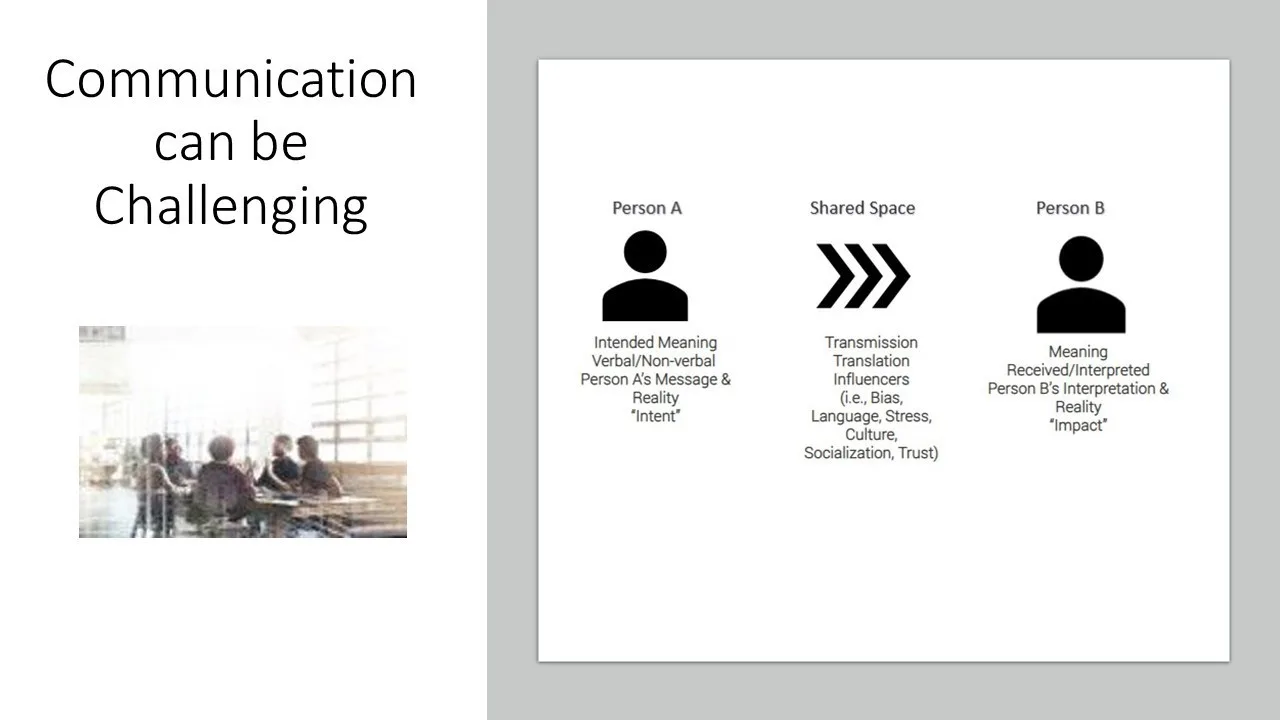
Workplace: In 2014, a newly hired marketing director at a mid-size e-commerce company sent her first major email to the executive team.
She had spent a week analyzing customer acquisition costs and discovered a significant inefficiency in the company's paid advertising strategy - one that was costing roughly four hundred thousand dollars per year in wasted spend.
Her email was thorough. It contained seven paragraphs of detailed methodology, fourteen supporting data points, references to academic marketing research, and a nuanced discussion of the statistical limitations of her analysis.
The recommendation - to reallocate budget from display advertising to search - appeared in paragraph six. The CEO read the first two paragraphs, could not determine what action was needed, and moved on to his next email. The CFO skimmed the email and interpreted it as an FYI rather than a decision request.
The VP of Marketing read it carefully but was uncertain whether the director was asking for permission to act or simply reporting findings. Three weeks later, the director mentioned the analysis in a meeting and was surprised to learn that no one had acted on her email.
"I sent it to everyone," she said. "I thought we were aligned."
She had communicated. No one had understood. The information was accurate, the analysis was sound, and the recommendation was valuable.
But the communication failed because it violated nearly every principle of effective workplace communication: it buried the lede, assumed shared context, provided the wrong level of detail for the audience, lacked an explicit ask, and used the wrong channel for a decision that needed synchronous discussion.
Workplace communication operates under constraints that make it fundamentally different from personal, academic, or creative communication. Hierarchy shapes what can be said and how. Professional accountability means that words create records and commitments.
Multiple audiences with different priorities receive the same message. Asynchronous channels strip away the tone and body language that clarify meaning in face-to-face conversation.[11] And the sheer volume of information competing for attention means that poorly structured messages are simply ignored.
This article examines what makes workplace communication distinct, the most common failures and how to avoid them, how communication must adapt across organizational levels, the principles of effective asynchronous communication, and strategies for high-stakes professional interactions.
What Makes Workplace Communication Different
The Eight Defining Constraints
Workplace communication is shaped by constraints that do not exist in personal conversation, and understanding these constraints is the foundation of communicating effectively in professional settings.
1. Hierarchical dynamics. Communication flows differently depending on power relationships. Telling your friend they are wrong is casual. Telling your boss requires careful framing: "I see your point, and I'm wondering if we should also consider an alternative approach." Upward communication requires more diplomatic framing.
Downward communication carries the weight of authority - what a manager intends as a suggestion, a direct report may interpret as a directive. Even peer communication is subtly shaped by perceived status and organizational positioning.
2. Professional accountability. Unlike casual conversation, workplace communication creates records and commitments. Emails are archived. Meeting notes are referenced. Decisions are documented.
You are accountable for what you say and write, which means that precision, specificity, and careful word choice are not optional - they are professional requirements.
3. Organizational context. Every message exists within a larger organizational system. Messages must account for company goals, culture, politics, and norms. A comment that would be perfectly appropriate at a startup may be career-damaging at a conservative financial institution.
Communication must navigate competing interests and organizational sensitivities.
4. Multi-audience complexity. Workplace communication frequently addresses multiple people with different contexts, priorities, and information levels. An email to your team may be forwarded to leadership. A presentation to one department may be shared with another.
Messages must be self-contained enough to make sense outside their original context.
5. Formal and informal channels. Workplaces have established communication channels, each with its own norms and expectations. Email carries formality and permanence. Slack is conversational and ephemeral. Meetings demand synchronous attention. Documents serve as reference material.
Choosing the wrong channel can undermine even a well-crafted message.
6. Cultural and professional norms. Professional communication follows conventions that vary by industry, company, and role.
An engineering startup may tolerate "hey team, quick q" while a law firm expects "Dear colleagues, I write to inquire about..." Violating norms damages credibility regardless of the content's quality.
7. Asynchronous default. Much modern workplace communication happens asynchronously - email, documents, Slack, project management tools. Without real-time clarification, messages must be clear on their own. You cannot rely on tone, body language, or immediate follow-up questions to resolve ambiguity.
8. Political and relationship dynamics. How you communicate shapes how others perceive your competence, trustworthiness, and leadership potential. Workplace communication is never purely transactional; it is always building or eroding your professional reputation and relationships.
What Effective Workplace Communication Achieves
Quality
What It Means
Example
Clarity
Reader understands on first read
"I recommend Vendor A because it costs 40% less with equivalent features"
Context
Necessary background provided
"Background: We need to replace our CRM by Q3 due to contract expiration"
Conciseness
Respects reader's time
150-word email instead of 500-word email conveying the same information
Actionability
Reader knows what to do
"Please approve by Friday so we can begin implementation Monday"
Appropriateness
Matches audience and situation
Executive summary for the VP, detailed spec for the engineering team
Empathy
Considers recipient's perspective
"I know your team is stretched thin, so I've limited my request to the essentials"
"The most valuable of all talents is that of never using two words when one will do." - Thomas Jefferson
The Most Common Workplace Communication Failures
Nine Predictable and Preventable Mistakes
Most workplace communication failures follow predictable patterns. Understanding these patterns transforms communication from an area of chronic frustration into a manageable skill.
Failure 1: Assuming shared context. This is the most pervasive communication failure in organizations. You have been thinking about a topic for days or weeks. The recipient encounters it for the first time in your message. You write as if they have your background knowledge, and they do not.[9]
Example: "We should go with Option B." This statement is meaningful to you because you have been evaluating options for a week. To the recipient, who has no idea what the options are or what criteria matter, it is meaningless. The fix: "Background: We're choosing between two approaches for the analytics migration.
Option A (build in-house, 6 months, $200K) gives us full control. Option B (vendor solution, 1 month, $50K/year) gets us to market faster. Given our Q3 launch constraint and limited engineering capacity, I recommend Option B."
Failure 2: Burying the lede. Starting with background, methodology, or chronological narrative instead of leading with the conclusion. The most important information - the recommendation, the decision needed, the key finding - should appear in the first sentence, not the last paragraph.[8]
Failure 3: No explicit ask. Sending information without specifying what you need from the recipient. "Here's the analysis on Project X" leaves the reader wondering: Do you want feedback? Approval? Is this FYI? The fix: end every communication with an unambiguous request.
"Please review and approve by Thursday" or "FYI only - no action required."
Failure 4: Wrong communication channel. Announcing a major organizational change in Slack (too casual, not durable). Sending an urgent request via email (may not be seen in time). Having a complex strategic discussion over chat (should be a meeting). The medium must match the message.
Failure 5: Poor timing. Sending a complex proposal at 5 PM on Friday with a Monday deadline. Requesting input during someone's busiest season. Raising a sensitive topic when the other person is visibly stressed or rushed. Communication that arrives at the wrong time is communication that fails.
Failure 6: Passive-aggressive tone. "Per my last email..." implies "you ignored me." "Just wanted to circle back since I haven't heard from you..." implies "you're dropping the ball." These phrases may feel professional, but they communicate frustration and blame.
The fix: be direct but diplomatic. "I sent a proposal last week and wanted to check if you've had a chance to review. I need a decision by Friday to keep the project on track."
Failure 7: Wrong level of detail. Sending a ten-page technical document to the CEO (too much). Telling an engineer "make it faster" with no context (too little). Every audience has an optimal detail level. Executives want summary, decision, and impact. Implementers want specifications, constraints, and context.
Failure 8: No clear owners or next steps. Discussions that end without clarity on who does what by when. "We should improve the onboarding process" is a sentiment, not a plan. Without a named owner and a specific deadline, nothing happens.
Failure 9: Not confirming understanding. Assuming your message was understood as intended. "Can you handle the presentation?" - one person thinks they are creating slides, the other thinks they are presenting an existing deck.
The fix: for important communications, ask the recipient to paraphrase their understanding, or send a written summary after verbal discussions.
Adapting Communication Across Organizational Levels
Why One Size Does Not Fit All
The skills that make you effective communicating with peers will fail with executives. The directness that works with your engineering team will alienate your marketing colleagues.
Effective workplace communication requires constant adaptation to your audience's role, knowledge level, priorities, time constraints, and relationship with you.
Communicating With Executives
Their reality: Fifty or more meetings per week, hundreds of emails, dozens of competing priorities.[1] They need to make decisions with incomplete information across many domains. Their focus is strategic, not tactical.
What they care about: Business impact (revenue, cost, strategic alignment). Recommendations, not options without guidance. Risk and mitigation. Clear decisions with explicit timelines.
How to communicate: Extreme brevity - three to five sentences for email, three to five slides for presentations. Lead with the conclusion. Frame everything in business terms ("reduces customer churn by 15%, retaining $3M annually" not "improves user experience"). Make the decision and ask crystal clear.
Communicating With Middle Management
Their reality: Balancing strategic and tactical concerns. Translating between executive vision and team execution. Managing multiple priorities and cross-functional dependencies.
What they care about: How does this affect their goals and team? What resources are required? What are the risks and dependencies? How does this fit with other priorities?
How to communicate: Moderate detail - more context than executives need, but still structured. Explain rationale and analysis. Address execution concerns (timeline, resources, dependencies, risks). Frame collaboratively: "seeking your input" rather than presenting a fait accompli.
Communicating With Peers
Their reality: Similar level and constraints. Collaborative but sometimes competing priorities. Relationship based on mutual respect and reciprocity.
How to communicate: Collaborative and respectful. Specific about requests ("Can you review the risk section by Thursday?" not "Can you take a look?"). Reciprocal - offer to help in return. More candid and direct than with leadership, but still professional.[3]
Communicating With Direct Reports
Their reality: Looking to you for direction and clarity. May lack the context you have. Need enough detail to execute effectively. Want to do good work and understand why their work matters.
How to communicate: Clear and specific about expectations, deliverables, and deadlines. Provide context and rationale - explain the "why" behind decisions. Supportive and developmental in tone. Check for understanding rather than assuming alignment.
Communicating Cross-Functionally
Their reality: Different department, different priorities, different language. May not understand your domain jargon. Success depends on collaboration across boundaries.
How to communicate: Avoid jargon. Frame in their terms (engineering cares about feasibility, marketing cares about customer value, finance cares about ROI). Build relationships and acknowledge their expertise. Be explicit about what you need and why it matters to them.
Example: The same project described to different audiences. To the CEO: "Project X will increase revenue by $5M annually with a $200K investment and acceptable risk. I recommend approval." To the engineering team: "Project X scope and plan: detailed timeline, resources, technical approach, dependencies.
Full specs in the attached document." To the marketing team: "We're building a new analytics feature. Here's what it does in plain terms, why customers will care, and what I need from you for the launch."
Effective Asynchronous Communication
Why Async Requires Different Skills
Asynchronous communication - email, documents, Slack, project management tools - now dominates modern work, particularly in remote and hybrid environments.[5]
It operates under fundamentally different conditions than synchronous conversation: no immediate feedback, no tone or body language, time delays between exchanges, and permanence that creates durable records.
These conditions demand specific skills that most professionals have never formally developed.
Ten Principles for Async Excellence
1. Front-load context. Start every message with background, purpose, and what led to the message. The recipient does not have your context and cannot ask clarifying questions in real time. "Background: We're evaluating two CRM vendors, needed by Q3.
I sent detailed analysis last week comparing costs, features, and implementation timelines. I'm now seeking input on which vendor to recommend."
2. Be explicitly clear. State things that might be implied in face-to-face conversation. Over-explain rather than under-explain. Spell out expectations, deadlines, and next steps. Ambiguity in synchronous conversation gets resolved in seconds through follow-up questions; in async communication, it creates hours or days of delay.
3. Structure for scannability. Use formatting to guide busy readers: bold key points, bullet lists for multiple items, headers for sections, short paragraphs. Put the most important information first. Include a TL;DR at the top of longer messages.
4. Anticipate questions. Every round of questions and clarifications adds hours of delay in async communication. Put yourself in the recipient's shoes and address likely questions proactively.[10] "Anticipated questions: Q: Why can't we build in-house? A: Engineering is at capacity.
Q: What's the ongoing cost? A: $10K/year."
5. Make asks crystal clear. End every message with an explicit request: what you need, from whom, by when, in what format.
"Please review and approve by Friday" or "FYI only, no action required." If no response by a certain date, state what you will do: "If I don't hear back by Friday, I'll proceed with Option A."
6. Manage tone carefully. Text lacks vocal tone and body language. Read messages aloud before sending to check whether they sound friendly or cold. Add warmth where appropriate.
Be especially careful with criticism or negative feedback - written criticism lands harder than spoken criticism because the reader cannot see your empathetic facial expression.
7. Choose the right async channel. Email for formal, important communications that need a durable record. Slack for quick questions and informal coordination. Documents for collaborative work and detailed content. Project management tools for task tracking and project-specific updates.
8. Close the loop. Acknowledge receipt of important messages: "Got it, will review and respond by Thursday." Follow up if you have not heard back: "I sent a proposal last week - wanted to check if you had a chance to review." Unacknowledged messages create anxiety and uncertainty.
9. Provide adequate response time. Give at least twenty-four to forty-eight hours for most requests. Do not send Friday afternoon with a Monday deadline. Plan ahead rather than creating artificial urgency.
10. Document decisions and outcomes. Async conversations can be hard to follow. After discussions reach conclusions, summarize decisions in a clear, findable place - not buried in a thread. "Decision: We're going with Vendor A. Rationale: best cost-feature balance. Next steps: contract initiation by June 21."
"Good communication is the bridge between confusion and clarity." - Nat Turner
High-Stakes Communication
When the Consequences Are Significant
Some workplace communications carry outsized consequences: delivering difficult feedback, navigating conflict, making critical requests, announcing bad news, or disagreeing with leadership. These interactions require heightened preparation, empathy, and skill.[2]
Principles for High-Stakes Interactions
1. Prepare thoroughly. High-stakes conversations are too important to improvise. Clarify your goal. Script your key points. Anticipate reactions and plan responses. Choose the right timing and setting.
2. Lead with empathy and respect. Acknowledge the difficulty of the conversation. Show respect for the person even when critiquing their work. "I know this is a tough topic, and I want you to know I'm bringing it up because I value our working relationship and the team's success."
3. Be direct but compassionate. Softening the message too much creates confusion. Being too harsh damages the relationship. State the issue clearly while demonstrating genuine care. "I have difficult news. We're eliminating your role as part of a broader restructuring.
Your last day will be March 30. I want to explain the decision and discuss next steps."
4. Focus on behavior and impact, not character. "You're unreliable" is a character attack that produces defensiveness.[4] "You've missed the last three project deadlines, which impacts the team's ability to hit milestones" is specific, observable, and actionable.
5. Listen actively. After delivering a difficult message, pause. Let the other person respond. Listen without interrupting. Acknowledge their feelings: "I can see you're frustrated. That's understandable." Address the issue after the emotional peak passes.
6. Offer a path forward. When possible, provide next steps and support. For performance issues: co-create an improvement plan with clear expectations. For conflict: propose resolution steps. For bad news: explain what happens next and how you will help.
7. Control your own emotions. Your emotional state affects the conversation's trajectory. If you are angry, wait until you are calm. Practice physiological regulation - slow breathing, conscious relaxation.[12] Stay present and focused.
8. Follow up. High-stakes conversations do not end when the conversation ends. Document key points in writing. Check in on progress or wellbeing. Follow through on commitments you made. Trust is rebuilt through consistent actions over time.
Building Communication as an Organizational Capability
Systems That Scale Communication Quality
Individual communication skills matter, but organizational practices determine whether effective communication is the norm or the exception.
1. Communication norms. Establish and document shared expectations for response times, channel usage, meeting practices, and writing standards.[6] Norms reduce friction and set clear expectations.
2. Templates and frameworks. Provide standardized formats for common communications: project proposals, status updates, decision requests, meeting agendas and notes. Templates ensure consistency and reduce the cognitive burden of structuring every message from scratch.
3. Feedback culture. Create systems for providing and receiving feedback on communication quality. When someone's email is confusing, telling them directly and helpfully - "I wasn't sure what you needed from me" - improves future communication.
4. Training and development. Invest in communication skills training, particularly for writing, presentation, and facilitation. These are among the highest-leverage professional development investments an organization can make.
5. Lead by example. Senior leaders who model clear, concise, empathetic communication set the standard for the entire organization.[7] Leaders who send rambling emails and run unfocused meetings give implicit permission for everyone else to do the same.
Key Takeaways
1. Workplace communication differs from personal communication due to hierarchy, accountability, organizational context, multi-audience complexity, formal channels, professional norms, asynchronous default, and political dynamics. Understanding these constraints is essential for professional effectiveness.
2. The most common communication failures - assuming context, burying the lede, lacking explicit asks, wrong channels, poor timing, passive-aggressive tone, wrong detail level, no clear ownership, and not confirming understanding - are predictable and preventable with deliberate practice.
3. Communication must adapt across organizational levels: executives need brevity and business impact, managers need context and execution details, peers need collaboration and respect, direct reports need clarity and support, and cross-functional partners need jargon-free framing.
4. Effective asynchronous communication requires front-loading context, explicit clarity, scannable structure, anticipated questions, crystal-clear asks, careful tone management, appropriate channel choice, loop closing, adequate response time, and documented decisions.
5. High-stakes communication demands thorough preparation, empathy and respect, direct but compassionate delivery, focus on behavior rather than character, active listening, a clear path forward, emotional control, and consistent follow-through.
What the Research Shows About Workplace Communication Effectiveness
The empirical study of how communication quality affects organizational outcomes has produced findings that should directly shape investment in communication as a professional skill.
David Grossman at The Grossman Group has been tracking the relationship between internal communication quality and business outcomes since 2009. His widely cited study surveying 400 companies with roughly 100,000 employees each estimated poor workplace communication cost these organizations an average of $62.4 million per company per year in productivity losses, rework, and decision-making delay.
A separate, frequently cited figure of roughly $26,000 in annual productivity loss per employee comes from a different study of small and mid-sized businesses conducted around the same period, illustrating that the scale of the problem shows up in research at both the large-enterprise and small-business level, even though the two figures come from different studies and are not directly comparable.
A well-known Watson Wyatt (now Willis Towers Watson) Communication ROI study found that companies with the most effective employee communication delivered 47 percent higher total shareholder returns over a multi-year period than companies with the least effective communication, a separate line of research reinforcing the same basic conclusion: communication quality correlates with financial performance, not just employee sentiment.
Communication style also appears to shape professional credibility independent of the substance of the ideas being communicated. Research on this halo effect, building on the broader social influence literature associated with researchers like Robert Cialdini, has found that managers who perceive an employee's written communication as clear and direct also tend to rate that employee as more competent.
They are also more likely to rate that employee as likely to succeed in leadership roles, even when the underlying analytical work is identical.
The practical implication is that improving communication quality is not just a means of conveying good ideas, it can itself function as a career advancement mechanism.
McKinsey Global Institute's 2012 research report, "The Social Economy: Unlocking Value and Productivity through Social Technologies," found that knowledge workers spend an average of about 28 percent of the workweek managing email and nearly 20 percent looking for internal information or tracking down colleagues.
The same report estimated that improving internal communication and collaboration through better use of social technologies could unlock $900 billion to $1.3 trillion annually in value across the knowledge worker economy.
It identified four categories of improvement with the largest potential gains: reducing unnecessary email volume, improving the clarity of project communication, improving search and documentation so knowledge is findable, and reducing time spent recreating knowledge that already exists but is inaccessible.
More broadly, research on managerial communication, how clearly and consistently managers set expectations, provide feedback, and communicate strategy, consistently finds that a substantial share of the variation in employee performance ratings across an organization is explained not by underlying employee capability but by the clarity of the communication those employees receive from their managers.
Case Studies: Communication Systems That Transformed Organizational Performance
Bridgewater Associates' Radical Transparency Protocol represents one of the most extensively documented organizational communication systems designed to reduce the information distortion that hierarchy typically introduces.
Ray Dalio, Bridgewater's founder, built the firm's communication architecture around the principle that direct, truthful communication produces better investment decisions than politically filtered communication. Every meeting at Bridgewater is recorded, and employees can access recordings to verify what was actually said rather than relying on memory.
The firm developed a "Dot Collector" tool that allows employees to rate each other's arguments in real time during meetings, creating a continuous feedback stream that makes communication quality visible and measurable.
Bridgewater grew into one of the largest hedge funds in the world, with assets under management peaking at around $150 billion in 2020 after decades of growth from a much smaller base, though its investment returns, like those of any fund, have varied by period, including a difficult stretch around 2020. Dalio documented the firm's approach and the reasoning behind it in Principles (2017), which became one of the most widely read management books of the decade.
Microsoft's Cultural Transformation Under Satya Nadella (2014-2020) illustrates how a change in communication norms can coincide with a reversal of organizational decline at the scale of a 100,000-person company.
When Nadella became CEO in February 2014, Microsoft had been struggling for over a decade with internal competition, siloed communication, and the information hoarding that its "stack ranking" performance system had incentivized.
Nadella's transformation centered on changing how people talked to each other: from competitive assertion to collaborative inquiry, from "here's why I'm right" to "help me understand your perspective." He described the shift in his 2017 book Hit Refresh as moving from a "know-it-all" culture to a "learn-it-all" culture.
The operational mechanism was communication pattern change: rewarding cross-silo information sharing, discouraging zero-sum argumentation, and modeling transparent, curiosity-driven communication in every public interaction.
Microsoft's market capitalization grew from just over $300 billion when Nadella became CEO in 2014 to more than $2 trillion by mid-2021.
Journalists who covered the company closely during this period, including Bloomberg's Dina Bass, and later academic commentary on Microsoft's culture change have described the cultural and communication shift as a meaningful part of the story behind the company's turnaround, alongside the strategic pivot to cloud computing under Azure and the integration of previously siloed product teams.
W.L. Gore and Associates' Lattice Communication Structure has been documented by management researchers including Gary Hamel, who profiled the company's approach in his book The Future of Management, as one of the most deliberately designed flat communication systems in American business history.
Gore, the materials science company best known for Gore-Tex, has operated since its 1958 founding without formal job titles or hierarchical reporting relationships. Communication flows based on expertise and project relevance rather than organizational rank, and every employee, called an "associate," is expected to communicate directly with whoever has the relevant knowledge, regardless of tenure or function.
Frank Shipper at Salisbury University has studied Gore extensively over multiple published case studies and articles, generally finding that Gore's communication-driven lattice structure is associated with higher employee commitment, lower turnover, and higher innovation rates than more hierarchically organized competitors.
The mechanism Shipper's research identifies is informational: knowledge reaches the right people faster because it does not have to travel through hierarchical filters before being acted on.
Workplace communication operates under unique constraints, hierarchy, professional norms, accountability, and organizational context, that don’t exist in personal communication. Core differences: 1) Hierarchical dynamics: Unlike peer communication: Manager-employee relationships involve power imbalance. Communication flows differently upward (subordinate to boss) vs downward (boss to subordinate).
Peer communication is more equal but still constrained by professional norms. Implications: Upward communication requires more care (framing, timing, tone). Downward communication carries weight of authority (directives, not just suggestions). Peer communication must balance collaboration with subtle competition. Example: Telling your friend they’re wrong is easy.
Telling your boss requires careful framing: ‘I see your point, and I’m wondering if we should also consider…’ 2) Professional accountability: Unlike casual conversation: Workplace communication creates records and commitments. Emails, meeting notes, decisions are documented and traceable. Miscommunication has real consequences (missed deadlines, budget overruns, damaged relationships). Implications: Must be more precise and explicit.
Can’t rely on informal understanding, need clarity. Should anticipate being held accountable for what you say or write. Example: Casual conversation: ‘Yeah, maybe we should try that.’ Workplace: ‘I recommend we proceed with Option A because of X, Y, Z. I’ll own implementation and deliver by [date].’ Specificity and ownership matter. 3) Organizational context: Unlike personal context: Workplace communication happens within larger organizational system.
Messages must align with company goals, culture, and norms. Audience may include multiple stakeholders with different priorities. Implications: Consider organizational politics and sensitivities. Frame communication in business terms (impact, outcomes, strategy). Navigate competing interests and priorities. Example: Personal: ‘This is stupid.’ Workplace: ‘I’m concerned this approach may not achieve our desired outcome because [reason].
I suggest we consider [alternative] which would better align with our goals.’ Reframing for professional context. 4) Multi-audience complexity: Unlike one-on-one: Workplace communication often addresses multiple people with different contexts, priorities, and information levels. Must consider who will read/hear message (primary audience and secondary).
Messages may be forwarded or referenced out of context. Implications: Write for the least-informed audience member. Provide context that may be obvious to some but not all. Anticipate message being shared beyond immediate audience. Example: Email to team may be forwarded to leadership.
Can’t assume shared context, must be self-explanatory. 5) Formal vs informal channels: Unlike purely informal: Workplaces have established communication channels (email, Slack, meetings, docs). Each channel has norms and expectations. Choosing wrong channel can undermine message. Implications: Urgent + important = synchronous (meeting, call). Important + non-urgent = email or document. Quick questions = Slack/chat.
Formal decisions = documented in email or meeting notes. Example: Announcing major decision in Slack is inappropriate (not durable, not formal). Should be email with meeting follow-up. 6) Cultural and professional norms: Unlike personal norms: Professional communication has established conventions (formality, politeness, structure). Industry and company cultures shape expectations.
Violating norms damages credibility. Implications: Match formality to context (executive communication more formal than peer chat). Use professional language (avoid slang, profanity, overly casual tone). Follow conventions (agenda for meetings, clear subject lines for emails). Example: Engineering startup may be casual (‘hey team, quick q’). Law firm requires formality (‘Dear colleagues, I write to inquire about…’).
Know your context.7) Asynchronous default in modern work: Unlike mostly synchronous personal communication: Much workplace communication is asynchronous (email, documents, Slack). Must be clear without real-time clarification. Can’t rely on tone, body language, or immediate feedback. Implications: Over-communicate context and rationale. Be explicit about expectations and next steps.
Anticipate questions and address them proactively. Example: Personal conversation: ‘Can you do that thing?’ (context understood). Workplace async: ‘Can you complete the Q4 budget analysis by Friday EOD? Specifically, I need revenue projections for each product line with assumptions documented.
This will inform our board presentation next week.’ Explicit. 8) Political and relationship management: Unlike purely transactional: Workplace communication affects your reputation and relationships. How you communicate shapes how others perceive your competence, trustworthiness, and leadership. Office politics (navigating interests, building alliances) matters. Implications: Communicate in ways that build trust and credibility.
Be diplomatic even when disagreeing. Manage stakeholders proactively (keep people informed, address concerns). Example: Disagreeing publicly in harsh terms damages relationships. Disagreeing privately and collaboratively preserves relationship while addressing issue. What makes workplace communication effective: Clarity: Say what you mean clearly. Avoid ambiguity.
Be specific about expectations, timelines, and responsibilities. Context: Provide necessary background. Don’t assume everyone has your context. Explain why, not just what. Conciseness: Respect others’ time. Be brief while still being clear. Use structure (bullets, headers) for scannability. Actionability: Make clear what you want from recipients. Explicit asks (decisions, input, action).
Clear next steps and owners. Appropriateness: Match formality and tone to audience and context. Choose right channel for message. Follow organizational norms. Empathy: Consider recipient’s perspective and priorities. Frame message in terms they care about.
Anticipate concerns and address them. The lesson: Workplace communication differs from personal communication due to hierarchy, accountability, organizational context, multi-audience complexity, formal channels, professional norms, asynchronous default, and political dynamics. Effective workplace communication is clear, contextual, concise, actionable, appropriate, and empathetic.
Mastering these differences is essential for professional success, miscommunication at work has real consequences for projects, relationships, and career.
Most workplace communication failures are predictable and preventable, they stem from lack of clarity, missing context, wrong channel, or poor timing. Common failure 1: Assuming shared context: What it is: Assuming recipients have same background information you do. Why it happens: Curse of knowledge (you can’t ‘unsee’ what you know). You’ve been thinking about topic for days; recipient sees it for first time. Consequences: Confusion and misunderstanding.
Recipients make wrong assumptions to fill gaps. Wasted time clarifying later. Example: ‘We should go with Option B.’ (What are the options? What criteria matter? Why B over A?). Recipient has no context to evaluate. How to avoid: Always provide context upfront. Explain background: What’s the situation? What’s the decision or question?
Assume zero prior knowledge, over-explain rather than under-explain. Fix: ‘Background: We’re choosing between two vendor approaches for our analytics platform. Option A is build-in-house (6-month timeline, $200K cost, full control). Option B is use Vendor X ($50K/year, 1-month setup, less customization).
Given our constraint of launching by Q3 and limited engineering resources, I recommend Option B.’ Now recipient can evaluate. Common failure 2: Burying the lede: What it is: Main point or request is buried deep in message. Why it happens: Explaining chronology (‘First this happened, then that’). Building up to conclusion narratively. Not prioritizing recipient’s need (what matters to them). Consequences: Recipient misses key point. Important requests ignored.
Time wasted reading irrelevant details. Example: Long email explaining project history, team dynamics, technical details. Main ask (‘I need approval for $50K budget’) is in paragraph 5. Manager skims, misses ask. How to avoid: Lead with the bottom line. First sentence: What do you need? Or what’s the key message? Then provide supporting details.
Invert the pyramid (journalism principle). Fix: ‘I’m requesting approval for $50K budget increase to hire contractor for Q2. Background: [details]. Rationale: [reasons]. Impact: [outcomes]. Decision needed by: [date].’ Bottom line first. Common failure 3: Lack of explicit asks: What it is: Sending information without clear request for action or decision. Why it happens: Assuming recipients will infer what’s needed. Trying to be polite by not directly asking.
Unclear yourself about what you want. Consequences: Recipients don’t know what to do. No action taken. Frustration on both sides. Example: ‘Here’s the analysis on Project X.’ (Do you want feedback? Approval? Just FYI?). Recipient doesn’t know, does nothing. How to avoid: Always end with explicit ask. ‘I need X from you by Y date.’ Or ‘FYI only, no action needed.’ Make it unambiguous. Fix: ‘Here’s the analysis.
I need your feedback on the risk assessment section by Thursday EOD so I can finalize for the Friday board meeting. Please specifically review assumptions on pages 3-4.’ Clear ask, deadline, and specifics. Common failure 4: Wrong communication channel: What it is: Using inappropriate medium for message type. Why it happens: Choosing convenient channel (not appropriate one). Not considering message urgency or importance.
Following habit rather than thinking about fit. Consequences: Message gets lost (ephemeral channel for important info). Inappropriate formality (too casual or too formal). Slow response (async when sync needed). Example: Announcing reorganization in Slack (not durable, not formal enough). Sending urgent request via email (may not be seen in time).
Having complex discussion in chat (should be meeting). How to avoid: Match channel to message: Urgent + important = synchronous (call, meeting). Important + non-urgent = email or doc. Quick questions = chat. Decisions = documented (email, meeting notes). Sensitive = private conversation, not public channel. Fix: Complex strategic decision discussed in email threads = schedule meeting instead.
Quick clarification question = Slack, not email. Common failure 5: Poor timing: What it is: Communicating at wrong time when recipient can’t engage. Why it happens: Communicating on your schedule, not theirs. Not considering recipient’s context (busy season, vacation, crisis). Sending late Friday or during holidays. Consequences: Message ignored or deprioritized. Poor quality response (recipient rushed or distracted).
Frustration on recipient’s side. Example: Sending complex proposal 5pm Friday with ‘need decision by Monday.’ Recipient doesn’t see until weekend, can’t properly evaluate. How to avoid: Consider recipient’s schedule and workload. Time requests appropriately (give adequate response time). Avoid sending during off-hours unless urgent. Flag urgency explicitly if needed. Fix: Send proposal Wednesday morning: ‘Need decision by next Monday.
Please let me know if you need more time or have questions.’ Appropriate timing and respect for recipient.Common failure 6: Passive-aggressive tone: What it is: Expressing frustration or criticism indirectly. Why it happens: Avoiding direct confrontation. Frustrated but trying to stay ‘professional.’ Cultural norms against directness. Consequences: Recipient feels attacked or confused. Underlying issue not addressed.
Relationship damage. Example: ‘Per my last email…’ (implies ‘you ignored me’). ‘Just wanted to circle back since I haven’t heard from you…’ (implies ‘you’re dropping the ball’). How to avoid: Be direct but diplomatic. State the issue and what you need without implying blame. Assume good intent (maybe they’re busy, not ignoring). Fix: Instead of ‘Per my last email…’ say ‘I sent a proposal last week and wanted to check if you’ve had a chance to review.
I’m happy to discuss if that would be helpful. I need a decision by [date] to keep project on track.’ Direct, no passive aggression. Common failure 7: Too much detail (or not enough): What it is: Providing wrong level of detail for audience. Why it happens: Not calibrating to audience’s needs. Executives need summary; implementers need details.
Over-explaining due to insecurity or under-explaining due to laziness. Consequences: Executives lose patience with excessive detail. Implementers can’t act without sufficient detail. Message ignored or misunderstood. Example: Sending 10-page technical doc to CEO (too much). Telling engineer ‘make it faster’ with no context (too little). How to avoid: Know your audience: Executives want: Summary, decision, impact. Manager wants: Context, plan, risks.
Peers want: Collaboration, details. Provide summary upfront with option for details (link to doc, appendix). Fix: Executive email: ‘3 sentences of summary + decision needed.’ Link to full analysis for those who want details. Common failure 8: No clear owners or next steps: What it is: Discussion ends without clarity on who does what by when. Why it happens: Assuming everyone understood. Conflict avoidance (not assigning accountability).
Poor meeting facilitation. Consequences: Nothing happens. Everyone assumes someone else is handling it. Project stalls. Example: Meeting discusses ‘We should improve onboarding process.’ No one assigned, no timeline. Weeks later, nothing happened. How to avoid: End every discussion with explicit next steps: Who is responsible (name, not ‘team’ or ‘someone’). What specifically they’ll do.
By when (specific date, not ‘soon’). Fix: ‘Next steps: Sarah will draft new onboarding checklist by Friday. John will review and provide feedback by next Tuesday. I’ll schedule follow-up meeting for next Wednesday.’ Clear ownership. Common failure 9: Not confirming understanding: What it is: Assuming message was understood correctly. Why it happens: Once you’ve sent message, feel done.
Recipient doesn’t ask clarifying questions (don’t want to seem confused). Consequences: Misalignment discovered too late. Wasted work on wrong assumptions. Damaged trust. Example: ‘Can you handle the presentation?’ One person thinks they’re making slides. Other thinks they’re just presenting existing deck.
Misalignment. How to avoid: For important communication: Confirm understanding: ‘To make sure we’re aligned, can you summarize next steps as you understand them?’ Encourage questions: ‘What questions do you have?’ (not ‘Do you have questions?’, assumes yes). Follow up in writing after verbal discussions. Fix: After meeting: Send email summarizing decisions and next steps. Ask: ‘Does this match your understanding?
Please reply if anything’s unclear.’ How to systematically improve workplace communication: Practice 1: Default to over-communication: When in doubt, provide more context, not less. Clarify expectations explicitly. Confirm understanding. Practice 2: Preview messages from recipient’s perspective: Before sending, read as if you’re recipient with no context. Is it clear? Is ask explicit?
Is it actionable? Practice 3: Structure messages for scannability: Use bullets, headers, bold for key points. Make it easy for busy recipients to quickly grasp message. Practice 4: Choose channel deliberately: Don’t default to email or Slack. Choose medium that fits message. Practice 5: Close loops: Confirm receipt of important messages. Acknowledge requests even if you can’t address immediately.
Provide updates proactively. The lesson: Most workplace communication failures stem from missing context, buried main points, unclear asks, wrong channels, poor timing, passive aggression, wrong detail level, no clear ownership, and not confirming understanding.
Avoid these by: providing context upfront, leading with bottom line, making asks explicit, choosing appropriate channels, timing considerately, being direct but diplomatic, calibrating detail to audience, assigning clear ownership, and confirming understanding. Effective workplace communication requires intentionality and empathy, think about recipient’s needs, not just your own.
Effective communication adapts to audience, what works with peers fails with executives, and vice versa. Each level has different priorities, time constraints, and information needs. Communicating with executives (C-suite, VPs): Their constraints: Extremely limited time (meetings back-to-back, constant context-switching). High-level strategic focus (not interested in tactical details). Multiple competing priorities (your project is one of dozens).
Need to make decisions with incomplete information. What they care about: Business impact (revenue, cost, strategic goals). Risk and mitigation. Decision points (what needs my input?). Bottom line (what’s the conclusion?). How to communicate: Lead with conclusion: First sentence: What do you need? Or what’s the key message?
‘I recommend we invest $500K in Project X because it will increase revenue by $2M annually with acceptable risk.’ Be concise: 3-5 sentences for email. 3-5 slides for presentation. More detail available if requested, but default to brevity. Frame in business terms: Don’t talk about features or technical details. Talk about outcomes, impact, strategic fit.
‘This reduces customer churn by 15%, adding $3M in retained revenue.’ Make decision clear: What decision do you need? When do you need it? What are the options and your recommendation? Anticipate questions: Proactively address obvious concerns (cost, risk, timeline, resources). Example: Bad executive communication: ‘We’ve been working on improving the analytics system. We refactored the data pipeline and migrated to a new database.
The query performance is much better now. We also fixed several bugs and improved the UI. Let me know if you have questions.’ Too much detail, no business impact, no ask. Good executive communication: ‘Recommendation: Invest $200K to complete analytics platform upgrade. Business impact: Enables real-time reporting, reducing decision latency from days to hours, which leadership cited as critical. Timeline: 8 weeks.
Risk: Low, core architecture complete, this is final phase. Decision needed by Friday to hit board meeting timeline.’ Concise, business-focused, clear ask. Communicating with middle management (Directors, Senior Managers): Their constraints: Balancing strategic and tactical (must understand both high-level and details). Managing multiple teams or functions. Translating between executives and teams. What they care about: How does this affect their goals and team?
What resources are required? What are the risks and dependencies? How does this fit with other priorities? How to communicate: Provide context and detail: More context than executives need, but still structured. Explain rationale and how you arrived at recommendation. Include relevant details about execution. Address dependencies and risks: Flag cross-team dependencies. Identify risks and mitigation plans.
Be transparent about challenges. Be collaborative: Frame as partnership (‘seeking your input on…’). Acknowledge their constraints and priorities. Offer solutions, not just problems. Show your work: Demonstrate you’ve thought through implications. Provide data or analysis supporting conclusions. Example: Good middle management communication: ‘I’m proposing we prioritize Project A over Project B next quarter.
Context: Both projects were planned, but we only have bandwidth for one. Analysis: Project A directly supports our Q3 revenue goal (+$5M potential) and has executive visibility. Project B is important but less urgent (can defer to Q4 without major impact). Tradeoff: Project B team will be disappointed. Mitigation: I’ll communicate reasoning clearly and commit to Q4 start. Dependencies: Need your approval and alignment with [other director] whose team is involved.
What’s your take?’ Context, rationale, tradeoffs, collaboration. Communicating with peers: Their constraints: Similar level and workload as you. May have competing priorities with yours. Relationship is collaborative but also subtly competitive. What they care about: How does this affect their work? What do they need from you?
Maintaining mutual respect and collaboration. How to communicate: Be collaborative and respectful: Frame as partnership (‘I’d love your input…’). Acknowledge their expertise and perspective. Avoid condescension or one-upmanship. Be specific about requests: What do you need from them? When? Why does it matter? Make it easy for them to help you. Reciprocate: Help others when they ask.
Build reputation as collaborative and reliable. Be candid but diplomatic: Can be more direct than with leadership (less political). But still professional, preserve relationship. Example: Good peer communication: ‘Hey [name], I’m working on [project] and could use your expertise on [topic]. Specifically, I’m trying to solve [problem] and I know you dealt with something similar on your project. Do you have 30 minutes this week to chat?
Happy to reciprocate if there’s anything I can help you with.’ Specific ask, acknowledges their expertise, offers reciprocity.Communicating downward (to direct reports or junior colleagues): Their constraints: May lack context you have. Looking to you for direction and clarity. Need details to execute (not just high-level strategy). What they care about: What am I supposed to do? Why does it matter? Do I have the resources and support I need?
Am I doing good work? How to communicate: Provide context and rationale: Explain the ‘why’ behind decisions or requests. Help them understand how their work fits into bigger picture. ‘We’re prioritizing this feature because it unblocks our biggest customer, which represents 20% of revenue.’ Be clear and specific: Explicit expectations and deadlines. Detailed enough that they can execute without constant clarification.
‘I need you to complete the analysis by Friday, specifically focusing on customer segments and revenue impact. Use the template I shared and let me know if you hit blockers.’ Be supportive and developmental: Offer guidance and feedback. Encourage questions (psychological safety). Recognize good work. ‘This analysis is excellent. The segmentation is exactly what we needed.
One suggestion for next time: consider adding competitor benchmarks for context.’ Check understanding: Don’t just assign and assume, confirm they understand. ‘Does this make sense? What questions do you have?’ Example: Bad downward communication: ‘Can you finish the report by tomorrow?’ No context, unclear expectations, tight deadline with no negotiation. Good downward communication: ‘I need you to finish the customer feedback report by end of week.
Context: Leadership is deciding on Q2 roadmap priorities and this report will inform that decision. Specifically, I need: summary of top 3 themes, supporting quotes, and your recommendation on priorities. This is important because it directly shapes what we build next. Can you do this by Friday EOD?
Let me know if you need help or have questions.’ Context, clear expectations, explains importance, checks feasibility. Cross-functional communication: Their constraints: Different department = different priorities and language. May not understand your domain or jargon. Success requires collaboration across boundaries. What they care about: How does this relate to their goals? Can you speak their language?
Are you respecting their priorities and expertise? How to communicate: Avoid jargon: Use plain language, not technical terms they won’t understand. Or define terms when necessary. Frame in their terms: Engineering cares about technical feasibility. Marketing cares about customer impact. Finance cares about ROI. Speak to what matters to them. Build relationships: Invest in understanding their work and constraints.
Collaboration is easier with trust. Be explicit about needs and timelines: Cross-functional work often suffers from unclear expectations. Over-communicate. Example: Good cross-functional communication (Engineering → Marketing): ‘We’re building a new analytics dashboard for customers. I want to make sure it meets your needs since you’ll be promoting it. Can we schedule 30 minutes to walk through the design?
Specifically, I’d love your input on: what customer pain points does this solve? How should we message it? What would make it compelling to promote? Your expertise here will help us build something customers actually want.’ Collaborative, respects their expertise, clear ask. The universal principle: Adapt to your audience’s needs, constraints, and priorities, not your own. Executives need brevity and business impact. Managers need context and execution details.
Peers need collaboration and respect. Direct reports need clarity and support. Cross-functional partners need plain language and mutual benefit. The lesson: Communication style must adapt across organizational levels. Executives: concise, business-focused, decision-oriented. Managers: contextual, balanced detail, collaborative. Peers: respectful, specific, reciprocal. Direct reports: clear, supportive, developmental.
Cross-functional: jargon-free, framed in their terms, relationship-building. Failing to adapt leads to miscommunication, frustration, and ineffectiveness. Master audience awareness, think about their needs, constraints, and priorities before you communicate.
Asynchronous communication, email, documents, Slack, project management tools, is now dominant in remote and hybrid work, requiring different skills than synchronous (meetings, calls). Why async communication is different: No immediate feedback: Can’t clarify in real-time. Must anticipate questions and address them upfront. No tone or body language: Text is flat, can’t rely on voice tone, facial expressions, or gestures.
Emotion and nuance are hard to convey. Time delay: Response may come hours or days later. Must provide enough info for recipient to act without waiting for you. Permanence: Written communication creates durable record. Can be searched, referenced, or forwarded (sometimes out of context). Key principles for effective async communication: Principle 1: Front-load context: Why it matters: Recipient doesn’t have your context.
Can’t ask clarifying questions immediately. How to apply: Start every message with background: What’s the situation? Why does this matter? What led to this message? Assume recipient hasn’t been following topic. Example: Bad: ‘What do you think about the proposal?’ (What proposal? For what? What’s the decision?). Good: ‘Background: We’re evaluating two vendors for our CRM system (needed by Q3).
I sent detailed analysis last week comparing costs, features, and implementation timelines. I’m now seeking input on which vendor to recommend to leadership. Key tradeoff is cost ($50K vs $80K) vs customization. What’s your take on this tradeoff given our budget constraints and customization needs?’ Context provided. Principle 2: Be explicitly clear (over-communicate): Why it matters: Ambiguity leads to misunderstanding.
Can’t rely on tone or follow-up questions to clarify. How to apply: State things explicitly that might be implied in conversation. Over-explain rather than under-explain. Spell out expectations, deadlines, and next steps. Example: Vague: ‘Can you help with the project?’ (What project? What kind of help? When?). Clear: ‘Can you review the draft project plan (attached) and provide feedback on the timeline and resource allocation sections?
I need your input by Thursday EOD so I can finalize before Friday’s kickoff meeting. Please add comments directly in the doc or reply with summary feedback.’ Explicit ask, deadline, and format. Principle 3: Structure for scannability: Why it matters: Recipients are busy and scanning, not reading deeply. Important info buried in paragraphs gets missed. How to apply: Use formatting: Bold key points. Bullet lists for multiple items. Headers for sections.
Break up long paragraphs. Put most important info first (bottom line upfront). TL;DR at top for long messages. Example: Wall of text: [5 paragraphs of dense text]. Scannable: TL;DR: I recommend we move forward with Vendor A.
Details below. Background: [2-3 sentences]. Options: • Vendor A: $50K, 8-week implementation, limited customization. • Vendor B: $80K, 12-week implementation, full customization. Recommendation: Vendor A because [reason]. Next steps: • I’ll schedule vendor call for next week if you approve. • Decision needed by Friday to meet Q3 timeline. Principle 4: Anticipate questions and address them: Why it matters:
Every round of questions and clarifications adds delay. Anticipating questions upfront saves time. How to apply: Put yourself in recipient’s shoes: What would I ask if I received this? What’s unclear or incomplete? Common questions to preempt: Why now? Why this approach? What are alternatives? What’s the cost/timeline/risk? Who else is involved?
Add FAQ section for complex topics. Example: Reactive (recipient asks questions, you clarify over multiple messages). Proactive: Include section: ‘Anticipated questions: Q: Why can’t we build in-house? A: Engineering team is at capacity and this would delay by 6 months. Q: What’s the ongoing cost? A: $10K/year for maintenance. Q: What if we outgrow vendor?
A: Contract has easy exit clause after 1 year.’ Proactively addressed. Principle 5: Make asks crystal clear: Why it matters: Ambiguous requests lead to inaction or wrong action. How to apply: End every message with explicit ask: What do you need from recipient? By when? In what format?
If no action needed, say ‘FYI only, no action required.’ Example: Unclear: ‘Here’s the analysis.’ (What should I do with it?). Clear: What I need from you: Please review the risk assessment (pages 3-5) and let me know if you agree with the assumptions. Deadline: Friday EOD. Format: Reply with ‘Approved’ or specific concerns. If no response by Friday, I’ll assume approval and proceed. Completely clear.Principle 6: Manage tone carefully:
Why it matters: Text lacks vocal tone and body language. Easy to sound harsher or more curt than intended. How to apply: Read messages out loud before sending, does it sound friendly or cold? Add warmth appropriately (‘Thanks!’ ‘Hope this helps!’ ‘Let me know if questions.’). Use emoji sparingly and appropriately (depends on company culture). Avoid ALL CAPS (sounds like shouting).
Be extra careful with criticism or bad news, easy to come across as harsh. Example: Harsh-sounding: ‘This is wrong. Fix it.’ Warm but clear: ‘Thanks for the draft. I think we need to adjust the approach in a few areas. Specifically: [details]. Happy to discuss if that’s helpful. Can you revise by Thursday?’ Same message, better tone. Principle 7: Choose right async channel: Why it matters: Different async channels serve different purposes.
Using wrong one undermines message. How to apply: Email: Formal, important, requires record. Decisions, announcements, stakeholder updates. Slack/chat: Quick questions, informal updates, real-time-ish but async. Not for important decisions (not durable). Documents: Collaborative work, detailed content, reference material.
Use for anything requiring multiple people’s input. Project management tools: Task tracking, status updates, project-specific communication. Example: Don’t announce major decision in Slack (not formal enough, gets lost). Use email. Don’t have long threaded conversation in email (inefficient).
Use doc with comments or meeting. Principle 8: Close the loop: Why it matters: Async communication can leave people wondering if message was received or understood. How to apply: Acknowledge receipt of important messages (‘Got it, will review and respond by Thursday’). Confirm understanding after receiving instructions. Follow up if you haven’t heard back when needed (‘I sent proposal last week, wanted to check if you had chance to review.
Let me know if you need more time or have questions.’). Example: Recipient receives your request, doesn’t acknowledge. You’re left wondering: Did they see it? Will they do it? Better: Recipient replies: ‘Received. I’ll have feedback to you by Thursday as requested.’ Loop closed. Principle 9: Provide adequate response time: Why it matters: Async means delays.
Expecting immediate response defeats purpose. How to apply: Give reasonable time for responses (at least 24-48 hours for most requests). Flag truly urgent items explicitly. Don’t send Friday afternoon with Monday deadline. Plan ahead, don’t create artificial urgency. Example: Unfair: Sunday evening email: ‘Need this by Monday morning.’ Fair: Wednesday email: ‘Need this by next Tuesday.
Let me know if that timeline doesn’t work.’ Reasonable. Principle 10: Document decisions and outcomes: Why it matters: Async conversations can be hard to follow. Decisions get lost in threads. How to apply: Summarize decisions in clear, findable place (not buried in thread). After discussion, send summary email: ‘To confirm, we decided X. Next steps: Y.’ Pin important info or create handbook/wiki entries. Example: Long Slack thread reaches decision.
Someone posts summary: ‘Decision: We’re going with Vendor A. Rationale: [key reasons]. Next steps: [owners and timeline].’ Now findable and clear. Common async communication mistakes: Mistake 1: Treating async like sync (expecting immediate responses, having long back-and-forth). Fix: Accept delays. Front-load info to minimize rounds. Mistake 2: Being too brief (assume recipient has context). Fix: Over-explain.
Provide full context. Mistake 3: Unclear asks (recipient doesn’t know what you need). Fix: Explicit asks, deadlines, and formats. Mistake 4: Poor structure (walls of text). Fix: Use formatting, bullets, headers. Mistake 5: Not closing loops (leaving people wondering). Fix: Acknowledge, confirm, follow up. The lesson: Effective async communication requires: front-loading context, explicit clarity, scannable structure, anticipating questions,
crystal-clear asks, careful tone management, appropriate channel choice, loop closing, adequate response time, and documenting decisions. Unlike synchronous communication, async has no immediate feedback, must be self-sufficient. Master these principles to thrive in remote and hybrid work where async communication dominates.
High-stakes communication, delivering bad news, having difficult conversations, navigating conflict, or making critical requests, requires heightened care and skill. What makes communication high-stakes: Significant consequences: Career impact (promotions, firings, major projects). Financial impact (budget decisions, layoffs, compensation). Relationship impact (conflict, feedback, accountability).
Organizational impact (major changes, strategic decisions). Emotional weight: People’s livelihoods or identity at stake. Strong emotions likely (fear, anger, disappointment). Potential for damage to relationships or reputation. Irreversibility: Can’t easily undo damage from poor communication.
Words and tone matter enormously. Principles for high-stakes communication: Principle 1: Prepare thoroughly: Why it matters: High-stakes conversations are too important to wing. Need clarity on message and approach. How to prepare: Clarify your goal (what outcome do you want?). Anticipate reactions and plan responses. Script key points (not word-for-word, but know what you must say).
Choose timing and setting carefully (private, adequate time, appropriate moment). Example: Before delivering negative performance feedback: Define specific examples of concerning behavior. Prepare clear expectations for improvement. Anticipate defensiveness and plan how to respond with empathy but firmness. Choose private setting and adequate time (not rushed). Principle 2: Lead with empathy and respect: Why it matters: High-stakes topics are emotionally charged.
Leading with empathy builds trust and reduces defensiveness. How to apply: Acknowledge the difficulty or emotion (‘I know this is a tough conversation’). Show respect for the person (even if critiquing their work). Consider their perspective and feelings. Example: Bad: ‘Your performance is unacceptable. You need to improve or you’re out.’ (Harsh, no empathy). Better: ‘I want to talk about your recent performance.
I know you’ve been under a lot of pressure, and I appreciate your effort. However, I’m concerned about [specific issues] and want to work with you on a plan to improve. This is important for your career and the team’s success.’ Empathetic but clear. Principle 3: Be direct but compassionate: Why it matters: Softening message too much creates confusion. Being too harsh damages relationship.
Must balance clarity and compassion. How to apply: State the message clearly (don’t bury bad news in niceties). But do so with care and respect. Avoid jargon or euphemisms that obscure meaning (‘We’re restructuring your role’ when you mean ‘You’re being let go’). Example: Too soft: ‘We’re making some changes and your role might be affected in some way…’ (Unclear). Too harsh: ‘You’re fired.’ (Abrupt, no context). Balanced: ‘I have difficult news.
We’re eliminating your role as part of a broader restructuring. Your last day will be [date]. I want to explain the decision and discuss next steps.’ Direct, but delivered with care. Principle 4: Provide context and rationale: Why it matters: People need to understand ‘why’ to accept difficult messages. Context reduces feeling of arbitrariness or unfairness. How to apply: Explain the situation and factors leading to decision.
Be transparent about rationale (within appropriate boundaries). Help person understand it’s not personal or arbitrary. Example: Layoff communication: ‘The company is facing a significant revenue shortfall this quarter due to [market conditions]. We’ve had to make the difficult decision to reduce headcount by 15% across all departments. Your role is one of those affected.
This decision is based on business needs, not your performance.’ Context helps person understand. Principle 5: Listen actively and acknowledge emotions: Why it matters: High-stakes conversations trigger strong emotions. Listening and acknowledging creates space for person to process. How to apply: After delivering message, pause and let person respond. Listen without interrupting or being defensive. Acknowledge their feelings (‘I understand you’re upset.
That’s completely reasonable.’). Don’t rush through conversation, give adequate time. Example: After critical feedback: Employee: ‘This is really frustrating. I feel like I’ve been working hard and this comes out of nowhere.’ You: ‘I hear you. It does feel sudden from your perspective. Let me clarify: [examples of prior concerns raised]. I should have been more explicit earlier, and I take responsibility for that.
Let’s talk about how we move forward.’ Acknowledged emotion, provided context, stayed constructive.Principle 6: Focus on behavior and impact, not character: Why it matters: Attacking character feels personal and creates defensiveness. Focusing on behavior and impact is specific and actionable. How to apply: Describe specific behaviors or outcomes (not vague character judgments). Explain impact of those behaviors.
Frame as opportunity for growth, not personal failing. Example: Character attack: ‘You’re unreliable and lazy.’ (Personal, vague, defensive-inducing). Behavior-focused: ‘I’ve noticed you’ve missed the last three project deadlines. This impacts the team’s ability to hit our milestones and creates extra work for others.
I need to understand what’s happening and how we can ensure deadlines are met going forward.’ Specific, impact-focused, solution-oriented. Principle 7: Offer path forward (when appropriate): Why it matters: Leaving someone with only bad news and no next steps feels hopeless. Providing path forward (when possible) maintains agency. How to apply: If performance issue: Co-create improvement plan with clear expectations and support.
If conflict: Propose steps to resolve and rebuild. If bad news: Explain what happens next and how you’ll support. Not every situation has path forward (e.g., final layoff decision), but when possible, offer it. Example: Performance conversation: ‘Here’s what I need to see improve: [specific behaviors]. Let’s create a 60-day plan with clear milestones. I’ll check in weekly and provide support. If we see progress, great. If not, we’ll need to make a change.
Does this seem fair? What support do you need from me?’ Clear expectations, support offered, collaborative. Principle 8: Control your own emotions: Why it matters: Your emotional state affects tone and outcome. Losing composure undermines message. How to apply: If you’re angry or upset, wait until you’re calm to have conversation. Practice emotional regulation (breathing, pausing). Stay present and focused (don’t let emotion derail conversation).
Model the tone you want (calm, respectful, firm). Example: Employee makes you angry with defensive response. Instead of reacting with anger: Pause. Take breath. Respond calmly: ‘I understand you see it differently. Let me explain my perspective.’ Stay in control. Principle 9: Be consistent and fair: Why it matters: Inconsistency or perceived unfairness breeds resentment and distrust. How to apply: Apply same standards to everyone (no favorites).
Be transparent about reasoning. Follow through on what you say. Example: If you criticize one employee for missing deadlines, must hold others to same standard. Inconsistency destroys credibility. Principle 10: Follow up appropriately: Why it matters: High-stakes conversations don’t end when conversation ends. Need follow-through. How to apply: Document conversation (email summary of key points and next steps). Check in on progress or well-being.
Follow through on commitments you made. Example: After difficult feedback conversation, send email: ‘Thanks for the conversation today. To summarize: [issues discussed], [improvement plan], [next check-in date]. I’m committed to supporting you through this. Please reach out if you have questions.’ Documented, supportive, clear. Specific high-stakes scenarios: Delivering bad news (layoffs, project cancellations): Be direct but compassionate. Provide context.
Allow time for reaction. Offer support (severance, references, transition resources). Critical feedback: Focus on specific behaviors and impact. Co-create improvement plan. Offer support and check-ins. Be clear about consequences if no improvement. Navigating conflict: Separate people from problem (focus on issue, not person). Listen to both sides without judgment. Find common ground and path forward.
Be neutral arbiter if mediating. Asking for high-stakes approval or decision: Provide thorough analysis and recommendation. Anticipate concerns and address them. Make clear ask and timeline. Be prepared for pushback and have responses ready. Disagreeing with leadership: Choose timing carefully (private, not public). Frame as aligned with shared goals. Use data and reasoning. Acknowledge their perspective. Propose alternatives.
Be prepared to disagree and commit if decision goes against you. What to avoid in high-stakes communication: Avoidance: Delaying difficult conversation makes it worse. Ambiguity: Softening message so much it’s unclear. Blame: Attacking or scapegoating. Emotion dumping: Unloading your frustration on others. Lack of preparation: Winging important conversations. Defensiveness: Reacting poorly to pushback. The lesson:
High-stakes communication requires: thorough preparation, empathy and respect, direct but compassionate delivery, context and rationale, active listening, focus on behavior not character, offering path forward, emotional control, consistency and fairness, and appropriate follow-up. These situations are too important to handle poorly, invest time in getting them right.
How you handle high-stakes conversations shapes your reputation, relationships, and effectiveness as a professional and leader. Master this skill through practice, reflection, and continuous improvement.
Tools change, benchmarks move, and research gets superseded. We would rather be corrected than be wrong, so every When Notes Fly guide is open to public correction through CitePep.
Create a free CitePep account and you can file a correction against this page directly. Accepted corrections are published here with your name and a permanent link to your contribution.
CitePep accounts are free and take under a minute.
02
Open this page on CitePep
Every guide has a matching verification page.
03
File the correction
Point at the claim and attach the source that contradicts it.
04
We review against sources
Accepted corrections are published here with your name.
CitePep is an independent verification platform. When Notes Fly does not control which corrections are filed, and contributors are credited under their own names.