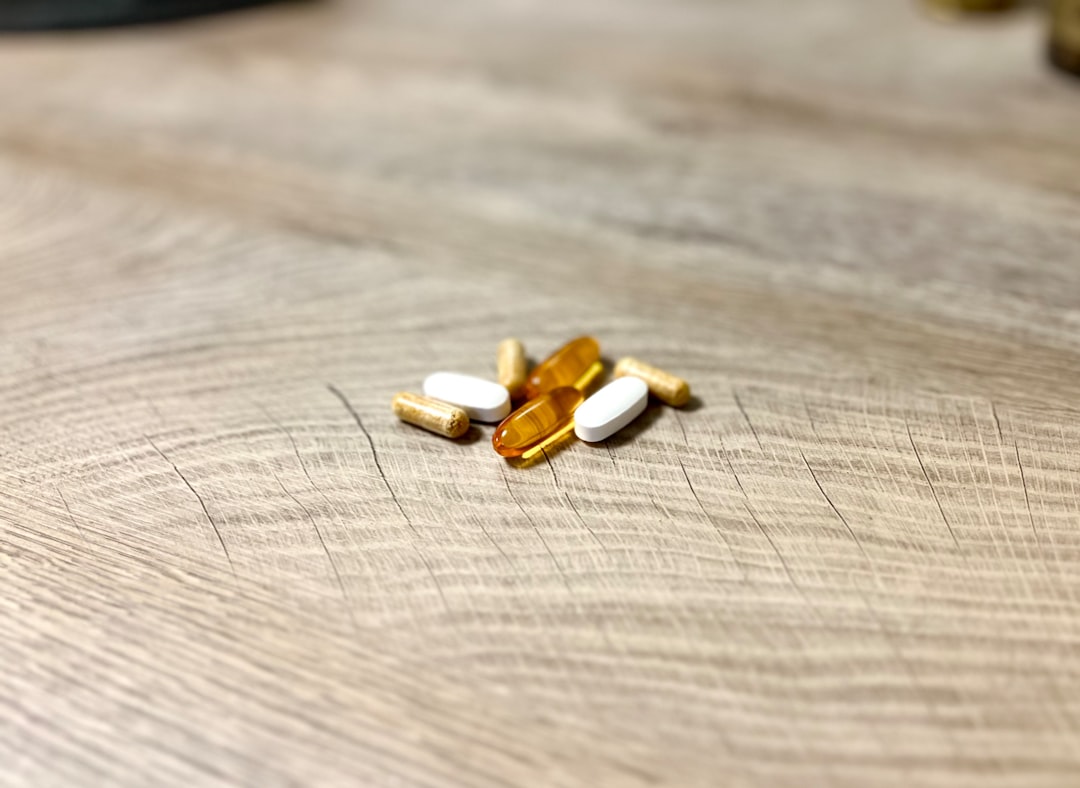
In December 1995, the Food and Drug Administration approved OxyContin — a new extended-release formulation of oxycodone manufactured by Purdue Pharma. The company's leadership believed they had a genuine therapeutic innovation: a long-acting opioid that could provide steady pain relief without the peaks and troughs that drove abuse of shorter-acting formulations. The extended-release design, they argued internally and then to physicians, meant the drug delivered opioid more slowly, reducing the euphoric rush that produced addiction. It was a compelling story. It was also, as subsequent litigation would establish through millions of pages of internal documents, not well supported by the evidence the company possessed.
Purdue deployed an unusually large and aggressive sales force — some 600 representatives at launch, eventually growing to over 1,000 — who visited physicians with a message that Purdue's own documents would later reveal was deliberately calibrated to minimize addiction concerns. The company's representatives cited a letter published in the New England Journal of Medicine in 1980 — a five-sentence letter, not a study, written by Dr. Hershel Jick and Jane Porter — which had noted that among hospitalized patients given narcotic medications, addiction was rare. This observation about inpatients receiving opioids under close supervision was transmuted, through Purdue's marketing, into a general claim that opioid addiction occurred in fewer than one percent of patients. The American Pain Society's campaign to recognize pain as the "fifth vital sign" — which had received Purdue funding — created institutional pressure on physicians to treat pain more aggressively, and OxyContin was there to meet it.
The results were catastrophic in a way that unfolded slowly enough to be normalized. Prescription opioid overdose deaths rose from around 4,000 in 1999 to over 17,000 in 2010. By then the United States was consuming more than 80 percent of the global supply of oxycodone despite containing less than 5 percent of the world's population. Richard Sackler, who served as Purdue's president and later as board co-chair, had written in a 2001 email that when the overdose problem attracted attention, the response should be to "hammer on the abusers in every way possible" — framing addiction as a moral failure of patients rather than a consequence of the company's marketing strategy. The Sackler family, whose fortune had been built on pharmaceutical marketing innovations pioneered by patriarch Arthur Sackler in the 1950s, eventually paid settlements valued at approximately $6 billion, while the company itself filed for bankruptcy in 2019 under the weight of more than 3,000 civil lawsuits from states, counties, and tribes.
"We have created a tragedy where patients who were prescribed opioids for legitimate pain became dependent, were cut off from medication when the prescribing environment changed, and then turned to heroin and fentanyl to survive withdrawal. We did this systematically, as a matter of policy and profit." — Patrick Radden Keefe, Empire of Pain (2021)
Key Definitions
Opioid — A class of drugs that act on opioid receptors in the brain and body. Opioids include natural compounds derived from the opium poppy (morphine, codeine), semi-synthetic compounds (oxycodone, hydrocodone, heroin), and fully synthetic compounds (fentanyl, methadone, tramadol). All opioids share the ability to relieve pain, produce euphoria at sufficient doses, cause physical dependence, and suppress respiration — which is the mechanism of opioid overdose death.
Opioid use disorder (OUD) — The clinical term for addiction to opioids, defined in the DSM-5 by a pattern of compulsive opioid use, loss of control, craving, and continued use despite significant negative consequences. OUD involves both neurobiological changes (altered reward circuitry, prefrontal dysfunction) and behavioral patterns. It is a medical condition, not a moral failing.
Physical dependence — A physiological state in which the body adapts to the presence of a drug such that abrupt discontinuation causes withdrawal symptoms. Physical dependence is not the same as addiction. A patient who takes opioids for months after surgery and experiences withdrawal when stopping is physically dependent; they may or may not have OUD.
Fentanyl — A synthetic opioid 50 to 100 times more potent than morphine by weight. Pharmaceutical fentanyl is used for anesthesia and severe pain management. Illicitly manufactured fentanyl (IMF) has become the dominant drug in the overdose crisis since approximately 2016. Because a lethal dose of fentanyl weighs approximately 2 milligrams — less than a few grains of table salt — it can be added to any drug supply invisibly and unpredictably.
Naloxone — A fast-acting opioid antagonist that rapidly reverses opioid overdose by displacing opioids from receptors. Marketed as Narcan and Kloxxado, among other brands. Naloxone has essentially no abuse potential and no effect if opioids are not present. It is safe to administer even if the cause of unresponsiveness is uncertain. Multiple doses may be needed to reverse fentanyl overdose.
Medication-assisted treatment (MAT) — The use of FDA-approved medications (methadone, buprenorphine, naltrexone) to treat opioid use disorder, typically in combination with counseling. Evidence consistently shows these medications reduce overdose mortality, reduce illicit drug use, and improve social functioning. The term MOUD (medications for opioid use disorder) is increasingly preferred as it does not imply the medications are merely an "assist" to treatment.
Harm reduction — A public health approach that aims to reduce the negative consequences of drug use without requiring abstinence. Harm reduction interventions include needle exchange programs, naloxone distribution, fentanyl test strips, and supervised consumption sites.
Deaths of despair — A term coined by economists Anne Case and Angus Deaton to describe rising mortality among middle-aged white Americans without college degrees from suicide, alcohol, and drug overdose — patterns they attributed to deteriorating economic conditions and social dislocation following deindustrialization.
Three Waves of the Opioid Crisis
| Wave | Approximate years | Primary drug | Driver | Deaths (US, at peak) |
|---|---|---|---|---|
| Wave 1: Prescription opioids | 1999–2010 | OxyContin, hydrocodone, oxycodone | Pharmaceutical marketing; "fifth vital sign" pain campaign; inadequate regulatory oversight | ~17,000/year by 2010 |
| Wave 2: Heroin | 2010–2013 | Heroin | Prescription crackdowns → dependent users switch to cheaper heroin; Mexican cartel supply expansion | ~8,000/year by 2013 |
| Wave 3: Synthetic opioids (fentanyl) | 2013–present | Illicitly manufactured fentanyl (IMF); fentanyl analogs | IMF 50–100× more potent than morphine; distributed into all drug supplies; user uncertainty about dose | ~80,000+/year by 2021 |
Total US opioid overdose deaths 1999–2021: ~500,000. Fentanyl now present in counterfeit pills, stimulants, and other drugs — users often unaware.
The Three Waves of the Opioid Crisis
The opioid epidemic did not arrive as a single event. It unfolded in distinct, overlapping waves, each driven by different drugs and different dynamics, yet each causally connected to the preceding wave.
Wave 1: Prescription Opioids (1999-2010)
The first wave was pharmaceutical. Beginning in the late 1990s, the combination of aggressive opioid marketing, undertrained physicians, inadequate regulatory oversight, and genuine undertreated pain created conditions for mass opioid dependence. OxyContin was the most prominent drug in this wave but not the only one: hydrocodone combination products (Vicodin, Lortab), hydromorphone (Dilaudid), and extended-release morphine preparations all contributed.
Pill mills — clinics that dispensed opioids with little or no medical justification — flourished in states with weak prescription monitoring programs, particularly Florida, West Virginia, and Ohio. In Williamson, West Virginia (population approximately 3,000), two pharmacies dispensed 20.8 million opioid pills over two years. In Mingo County, West Virginia, enough opioids were dispensed to supply every resident with 203 pills per year.
The geographic pattern of the first wave was striking: rural and semi-rural communities, disproportionately white, in regions experiencing economic decline. Appalachia was hit hardest. The overlap between areas of high opioid prescribing and areas of manufacturing job loss was not coincidental. Whether economic despair caused people to seek opioids, or opioid addiction caused economic deterioration — or both directions simultaneously — became a subject of serious empirical research. Case and Deaton's 2015 paper in PNAS documented rising mortality among white non-Hispanic Americans aged 45-54, driven by drugs, alcohol, and suicide, and linked this pattern to eroding economic prospects for non-college-educated Americans.
Wave 2: Heroin (2010-2013)
The second wave emerged from supply-side interventions in the prescription drug market. Between 2010 and 2012, several states implemented prescription drug monitoring programs (PDMPs), which allowed pharmacies and prescribers to check whether patients were obtaining opioids from multiple sources. Purdue reformulated OxyContin in 2010 to an abuse-deterrent version that gelled rather than dissolved when crushed, making it harder to snort or inject. Crackdowns on pill mills in Florida and other states reduced supply.
For people who had developed severe physical dependence, these supply reductions did not end the problem. They changed the drug. Heroin, which had been driven from many US markets by prescription opioids, returned — cheaper, often purer, and more widely available as Mexican cartels expanded distribution to fill the gap. A 2012 study in JAMA Psychiatry found that 75 percent of people entering heroin treatment in the 2000s had started with prescription opioids. The sequence was clear: prescription drugs first, heroin when prescriptions became unavailable.
Heroin overdose deaths roughly quadrupled between 2010 and 2014. The demographics shifted somewhat — heroin use expanded beyond the urban communities it had historically concentrated in, into suburban and rural areas, reaching populations that had been introduced to opioids through legitimate prescriptions.
Wave 3: Synthetic Opioids and Fentanyl (2013-Present)
The third wave transformed the overdose crisis in ways that have made it dramatically harder to address. Beginning around 2013-2014, illicitly manufactured fentanyl began appearing in the heroin supply. By 2016, the majority of heroin sold in the United States was either fentanyl or fentanyl mixed with a small amount of heroin. By 2018, many areas reported that essentially all street opioids were fentanyl or fentanyl analogues.
The public health consequences were profound. Fentanyl's extreme potency means that variation in concentration within a single batch — let alone between batches from different suppliers — can be the difference between a normal dose and a lethal one. Users who believed they were buying heroin were buying fentanyl, with no reliable way to know the concentration. Counterfeit prescription pills — fake OxyContin, fake Xanax, fake Adderall — began appearing, many containing lethal fentanyl doses. These pills looked identical to legitimate medications and were being purchased by people who would never have knowingly bought heroin.
Synthetic opioid overdose deaths exceeded 70,000 per year in the United States by 2021. The geographic and demographic patterns shifted: urban communities of color, which had been somewhat protected during the first wave's prescription drug concentration in rural areas, were disproportionately affected in the fentanyl wave, particularly in the western United States where black tar heroin had historically dominated and where the heroin-to-fentanyl transition happened later but with devastating speed.
Some researchers now describe a fourth wave: the combination of fentanyl with stimulants — cocaine and methamphetamine — either through intentional mixing or contamination. This combination changes the overdose pharmacology. Naloxone reverses opioid-induced respiratory depression but does not address stimulant-induced cardiac effects. Multiple doses of naloxone are often required.
The Neuroscience of Opioid Addiction
Understanding why opioids are so addictive requires understanding how they interact with the brain's reward and pain systems.
Mu-Opioid Receptors and the Reward Circuit
The brain's endogenous opioid system is ancient and pervasive. The body naturally produces opioid compounds — endorphins, enkephalins, dynorphins — that bind to three types of opioid receptors: mu, kappa, and delta. The mu-opioid receptor (MOR) is responsible for most of the analgesic effects of opioids, and also for most of their addictive properties.
When an exogenous opioid binds to MORs in the ventral tegmental area (VTA) of the brain, it inhibits GABAergic interneurons — neurons that normally suppress dopamine release. By inhibiting these inhibitors, opioids disinhibit dopamine neurons, producing a surge of dopamine in the nucleus accumbens (NAc). This dopamine release encodes the experience as highly rewarding, reinforcing the behavior that produced it.
Natural rewards — food, social connection, sex — produce dopamine responses that peak and then return to baseline. Opioids, particularly fast-acting ones, produce larger and more abrupt dopamine responses that do not follow the same patterns. Over time, the mesolimbic system adapts: dopamine receptors are downregulated, natural pleasures become less rewarding, and the drug becomes increasingly necessary just to feel normal rather than to feel good.
Tolerance, Dependence, and the Withdrawal Trap
Chronic opioid exposure triggers receptor-level adaptations. Mu-opioid receptors are internalized — pulled into the cell — and the density of surface receptors decreases. The cellular signaling cascades downstream of receptor activation are also downregulated. The result is tolerance: increasing doses are needed to produce the same effect.
Simultaneously, the body's natural opioid production is suppressed. The hypothalamic-pituitary-adrenal axis, the noradrenergic system in the locus coeruleus, and multiple other systems adapt to the presence of exogenous opioids. When opioids are removed, these systems are suddenly unopposed — the locus coeruleus fires excessively, producing anxiety, sweating, elevated heart rate, and muscle cramping. The nucleus accumbens, depleted of dopamine, generates intense craving. Gastrointestinal opioid receptors, suddenly unoccupied, produce diarrhea and cramping. This withdrawal syndrome is medically serious and experientially agonizing.
The withdrawal trap is a key driver of continued opioid use that is distinct from euphoria-seeking. Many people continue using opioids primarily to avoid withdrawal, not to get high. This distinction matters for treatment: an effective treatment must address withdrawal as well as craving.
Opioid-Induced Hyperalgesia
A paradox of long-term opioid use is that it can increase sensitivity to pain rather than decrease it. Opioid-induced hyperalgesia (OIH) occurs when chronic opioid exposure triggers neuroadaptations — including activation of spinal NMDA receptors and descending pain facilitation systems — that amplify pain signals. Patients on long-term opioid therapy for chronic pain sometimes experience worsening pain not because their underlying condition has progressed but because the opioids themselves are sensitizing their pain systems. This traps patients in a cycle: pain worsens, dose increases, hyperalgesia intensifies, pain worsens further.
Purdue Pharma, the Sacklers, and the Failure of Regulation
The opioid crisis was not an accident. Internal documents released through litigation — and analyzed by journalists including Patrick Radden Keefe, Beth Macy, and Sam Quinones — reveal a company that systematically misled physicians and regulators about OxyContin's addiction risk.
Purdue's sales training materials instructed representatives to minimize addiction concerns with specific phrases, to counter negative clinical experiences with scripted rebuttals, and to focus detailing efforts on the highest-prescribing physicians — some of whom were clearly operating outside normal practice standards. The company ran a speaker bureau that paid physicians to give talks promoting OxyContin at dinners and events. Internal tracking data showed that some of Purdue's top prescribers were prescribing in quantities and patterns that should have triggered concern — but those physicians were also the company's highest-volume customers.
The DEA bears substantial responsibility as well. The DEA had authority under the Controlled Substances Act to set production quotas for Schedule II substances and to take enforcement action against distributors shipping suspicious quantities. Neither authority was exercised effectively during the critical years of the epidemic's growth. A 2017 investigation by the Washington Post and "60 Minutes" revealed that the DEA's enforcement capacity had been deliberately weakened by a 2016 law — the Ensuring Patient Access and Effective Drug Enforcement Act — that was heavily lobbied by the pharmaceutical distribution industry and passed with bipartisan support.
McKinsey and Company, the consulting firm, paid $573 million in settlements in 2021 after documents revealed it had advised Purdue to pursue strategies to "turbocharge" OxyContin sales during the period from 2004 to 2019 — including a 2017 plan that proposed offering rebates to distributors for each OxyContin overdose, a strategy that documents show was framed as a way to continue profitable distribution even as overdose deaths mounted.
Treatment: What Works
The evidence on opioid use disorder treatment is unusually clear: medications work. The political resistance to using them has cost lives.
Methadone
Methadone is a long-acting full mu-opioid agonist that, at therapeutic doses, reduces craving and prevents withdrawal without producing euphoria. More than 50 randomized controlled trials and numerous observational studies consistently show that methadone maintenance treatment reduces overdose mortality by approximately 50 percent, reduces illicit opioid use, reduces criminal activity associated with drug procurement, and improves social functioning.
Despite this evidence, methadone for OUD can only be dispensed through federally certified opioid treatment programs (OTPs), which operate under heavy regulatory oversight. Patients typically must appear in person daily, at least initially. OTPs are scarce in rural areas and many urban neighborhoods. In most of the United States, a patient who develops OUD has no way to access methadone without traveling significant distances — a barrier that kills people.
Buprenorphine
Buprenorphine is a partial mu-opioid agonist with high receptor affinity. It reduces cravings and withdrawal and, because it is a partial rather than full agonist, has a ceiling effect on respiratory depression — making it substantially safer than full agonist opioids in overdose. Suboxone combines buprenorphine with naloxone in a formulation designed to deter injection.
Buprenorphine can be prescribed in office-based settings by any licensed physician — since the elimination of the DEA's X-waiver requirement in late 2022 — but significant barriers remain, including pharmacy reluctance to stock it, prior authorization requirements from insurers, and lack of prescriber training and willingness.
Naltrexone
Naltrexone, a full opioid antagonist, blocks the effects of opioids entirely. The extended-release injectable form (Vivitrol) has the advantage of not requiring daily adherence. The disadvantage is that it requires complete detoxification before initiation — a high hurdle — and shows consistently lower retention rates than agonist therapies. For patients who prefer abstinence-based approaches or are in settings where agonist therapy is unavailable (such as some correctional facilities), naltrexone offers benefit.
Harm Reduction: The Evidence
Harm reduction is not ideological compromise — it is evidence-based public health. Needle exchange programs reduce HIV and hepatitis C transmission without increasing drug use. Naloxone distribution to people who use drugs, their families, and community members prevents overdose deaths. Fentanyl test strips provide information that allows people to make more informed decisions about what they are using.
Supervised consumption sites — facilities where people bring their own drugs and use them under medical supervision, without risk of arrest — have operated for decades in Canada, Switzerland, the Netherlands, Germany, and Australia. The evidence is consistent: they save lives without increasing drug use in surrounding communities. Vancouver's Insite opened in 2003; a 2011 Lancet study found a 35 percent reduction in overdose mortality in the surrounding area. No on-site overdose death has ever occurred at any supervised consumption facility anywhere in the world. In 2023, the first officially sanctioned supervised consumption sites in the United States opened in New York City.
The political obstacles to harm reduction have no public health justification. They reflect the persistence of an abstinence-only ideology that treats drug use as a moral failure to be punished rather than a health condition to be managed. The cost of this ideology, measured in deaths, is large.
Geography, Despair, and Structural Vulnerability
The opioid crisis is not distributed randomly. Its first waves concentrated heavily in Appalachia, the rural Midwest, and other regions that experienced deindustrialization — the loss of manufacturing employment that had provided stable working-class livelihoods. Towns where coal mines closed, steel mills shuttered, or manufacturing plants moved experienced not just income loss but the collapse of the entire social infrastructure that paid employment had supported.
Anne Case and Angus Deaton, in a paper published in PNAS in 2015, documented a remarkable pattern: rising all-cause mortality among non-Hispanic white Americans aged 45-54 without college degrees, driven almost entirely by drug overdose, alcohol-related liver disease, and suicide. This diverged sharply from trends in other wealthy countries and from trends among other American demographic groups. They called these "deaths of despair" — mortality driven not by the traditional risk factors of poverty and poor health care access but by the deterioration of the life prospects, social connections, and sense of purpose that stable employment and community provided.
The relationship between despair and vulnerability to opioids is not simply that desperate people seek drugs. It is that opioids are particularly effective at temporarily alleviating the specific psychological profile of social pain — social exclusion, loss of status, grief — through the same receptor systems involved in physical pain. Research by Naomi Eisenberger and others has shown that opioid receptors mediate social bonding and social pain as well as physical pain. For people experiencing profound social loss, opioids may be, in a neurobiological sense, precisely targeted medicine for their suffering.
For more on how social conditions shape addiction risk, see how addiction works and how inequality affects health. For a broader framework of poverty and vulnerability, see how poverty traps work.
The Ongoing Crisis
The opioid epidemic has not ended. Overdose deaths exceeded 80,000 per year in the United States in 2021 and 2022 — a figure that reflects the full severity of the fentanyl era. Progress on the structural front has been significant: pharmaceutical settlements have directed billions toward treatment and harm reduction, the X-waiver has been eliminated, naloxone is available over the counter, and fentanyl test strips are legal in most states.
But the supply of illicitly manufactured fentanyl — and increasingly fentanyl analogues and novel synthetic opioids — continues to expand, driven by global chemical supply chains that have proven resistant to interdiction. Without a substantial expansion of treatment access, harm reduction infrastructure, and the social conditions that make recovery sustainable, the mortality will continue.
The opioid crisis is a story about pharmaceutical misconduct, regulatory failure, and political dysfunction. It is also a story about pain — physical and social — and about what happens when the systems designed to address pain are corrupted into instruments of profit.
References
- Case, A., & Deaton, A. (2015). Rising morbidity and mortality in midlife among white non-Hispanic Americans in the 21st century. PNAS, 112(49), 15078-15083. https://doi.org/10.1073/pnas.1518393112
- Cicero, T. J., Ellis, M. S., Surratt, H. L., & Kurtz, S. P. (2014). The changing face of heroin use in the United States. JAMA Psychiatry, 71(7), 821-826. https://doi.org/10.1001/jamapsychiatry.2014.366
- Gomes, T., et al. (2011). Opioid dose and drug-related mortality in patients with nonmalignant pain. Archives of Internal Medicine, 171(7), 686-691. https://doi.org/10.1001/archinternmed.2011.117
- Kennedy-Hendricks, A., et al. (2016). Opioid overdose deaths and Florida's crackdown on pill mills. American Journal of Public Health, 106(2), 291-297. https://doi.org/10.2105/AJPH.2015.302953
- Kreek, M. J., Levran, O., Reed, B., Schlussman, S. D., Zhou, Y., & Butelman, E. R. (2012). Opiate addiction and cocaine addiction: underlying molecular neurobiology and genetics. Journal of Clinical Investigation, 122(10), 3387-3393. https://doi.org/10.1172/JCI60390
- Milloy, M.-J., et al. (2008). Reduction in overdose mortality after the opening of North America's first medically supervised safer injecting facility. The Lancet, 367(9522), 1055-1060. https://doi.org/10.1016/S0140-6736(06)68456-5
- Volkow, N. D., Jones, E. B., Einstein, E. B., & Wargo, E. M. (2019). Prevention and treatment of opioid misuse and addiction. JAMA Psychiatry, 76(2), 208-216. https://doi.org/10.1001/jamapsychiatry.2018.3126
Frequently Asked Questions
What caused the opioid crisis?
The opioid crisis emerged from a confluence of pharmaceutical industry misconduct, regulatory failure, and deep social vulnerabilities. The proximate cause was the aggressive marketing of OxyContin by Purdue Pharma beginning in 1995. Purdue's sales force made a claim — backed by a single, brief letter to the editor in the New England Journal of Medicine — that addiction to opioids was rare, occurring in fewer than one percent of patients treated for pain. The company repeated this figure thousands of times to physicians who had little training in addiction medicine and were under genuine pressure from patients suffering from undertreated chronic pain.Purdue used unconventional marketing tactics that had been pioneered by Arthur Sackler, the patriarch of the Sackler family, who had transformed pharmaceutical marketing in the 1950s and 1960s: direct-to-physician detailing with gifts and paid speaking engagements; aggressive promotion of the drug's extended-release formulation as inherently safer; and marketing to primary care physicians who had no specialized training in pain management or addiction.The DEA and FDA both failed to respond adequately to early warning signs. Prescription monitoring programs either did not exist or were not coordinated across state lines, allowing 'pill mills' — clinics that dispensed opioids with minimal medical justification — to flourish in states like West Virginia, Florida, and Ohio. Congress passed the Ensuring Patient Access and Effective Drug Enforcement Act in 2016, which effectively hampered the DEA's ability to freeze suspicious opioid shipments — a bill whose passage was heavily lobbied by the pharmaceutical industry.Underlying the epidemic's geography and demographics were structural factors: communities devastated by deindustrialization, chronic unemployment, frayed social support systems, and what economists Anne Case and Angus Deaton called 'deaths of despair' — rising mortality among middle-aged white Americans without college degrees from suicide, alcohol, and drug overdose. The opioid crisis was pharmaceutical in its spark but social in its fuel.
What are the three waves of the opioid epidemic?
The opioid epidemic is typically described as unfolding in three waves, with some researchers now identifying a fourth.The first wave began in the late 1990s and was driven by prescription opioids. OxyContin launched in 1995; prescription opioid overdose deaths began rising sharply from about 1999 onward. Deaths from prescription opioids peaked around 2011-2012. By that point, the United States had become the world's largest consumer of prescription opioids per capita, consuming over 80 percent of the global supply of oxycodone.The second wave began around 2010-2011 and involved heroin. As prescription opioid supplies were tightened — through prescription monitoring programs, new abuse-deterrent formulations of OxyContin, and crackdowns on pill mills — many people who had developed physical dependence on prescription opioids turned to heroin, which was cheaper and increasingly available. Heroin overdose deaths roughly quadrupled between 2010 and 2014. This wave demonstrated a fundamental principle of drug policy: supply reduction without demand reduction often substitutes one drug for another rather than reducing overall use.The third wave began around 2013 and was driven by synthetic opioids, primarily illicitly manufactured fentanyl. Fentanyl is 50 to 100 times more potent than morphine by weight, meaning a lethal dose weighs just micrograms — small enough to be invisible to the naked eye and to pass undetected through mail. Illicitly manufactured fentanyl began contaminating the heroin supply, then spread into counterfeit pills, cocaine, and methamphetamine. Synthetic opioid overdose deaths now account for the majority of all opioid fatalities.Some researchers describe a fourth wave: fentanyl combined with stimulants (cocaine, methamphetamine), which changes the overdose pharmacology and complicates naloxone reversal.
How do opioids cause addiction?
Opioids produce their effects by binding to opioid receptors in the brain, spinal cord, and peripheral nervous system. The primary receptor involved in both analgesia and addiction is the mu-opioid receptor (MOR). When an opioid binds to the MOR, it triggers a cascade of effects: reduced pain signaling, sedation, euphoria, and respiratory depression.The euphoria arises from opioids' effect on the brain's mesolimbic dopamine system — the same reward circuit that responds to food, sex, and social connection. Opioids inhibit GABAergic interneurons in the ventral tegmental area (VTA), disinhibiting dopamine neurons and producing a surge of dopamine in the nucleus accumbens. This dopamine signal encodes the experience as extremely rewarding and reinforces the behavior that produced it.With repeated exposure, the brain adapts. Mu-opioid receptors are downregulated — their density and sensitivity decrease. More opioid is needed to produce the same effect (tolerance). The body's natural opioid production (endorphins and enkephalins) is suppressed. In the absence of the drug, the system goes into deficit: the patient experiences withdrawal — anxiety, sweating, nausea, pain, insomnia, and extreme craving — not because they are morally weak but because their neurochemical baseline has been fundamentally altered.Physical dependence (tolerance and withdrawal) is not the same as addiction, but they often co-occur. Addiction — technically called opioid use disorder (OUD) in modern clinical terminology — involves compulsive seeking and use despite negative consequences, and is driven by changes in prefrontal cortex function that impair impulse control and decision-making. Opioids also produce hyperalgesia: paradoxically, long-term opioid exposure can increase sensitivity to pain rather than reduce it, trapping patients in a cycle where they take more opioids to address pain that the opioids themselves are worsening.
What is the role of pharmaceutical companies in the opioid crisis?
Pharmaceutical companies — particularly Purdue Pharma and members of the Sackler family — bear substantial documented responsibility for the opioid crisis, as established through litigation, congressional investigations, and the release of internal company documents.Purdue Pharma launched OxyContin in 1995 with a targeted marketing strategy that falsely minimized the drug's addiction risk. Internal documents revealed in litigation showed that company executives knew their drug was being diverted and abused far earlier than they publicly acknowledged. Richard Sackler, who served as Purdue's president and board co-chair, wrote in emails that patients who became addicted were 'abusers' who should be held responsible — framing that deflected blame from the company's marketing practices. A 2019 investigation by the Massachusetts attorney general's office detailed how Sackler family members had personally directed the sales strategy and monitored sales data showing pill mill activity.Purdue pleaded guilty to federal criminal charges in 2007, paying \(600 million in fines — and then continued aggressive opioid marketing. In 2019 the company filed for bankruptcy amid thousands of lawsuits from states, cities, and Native American tribes. A settlement valued at roughly \)6 billion was eventually reached. Members of the Sackler family paid approximately \(6 billion in personal settlements while admitting no wrongdoing in most jurisdictions.Other manufacturers, distributors (McKesson, AmerisourceBergen, Cardinal Health), and pharmacy chains (CVS, Walgreens, Walmart) also reached multi-billion dollar settlements for their roles in flooding communities with opioids. The consulting firm McKinsey and Company paid \)573 million in settlements after documents revealed it had advised Purdue to 'turbocharge' OxyContin sales and developed a plan to 'counter the emotional messages from mothers with teenagers' who had died of overdoses.
What treatments work for opioid addiction?
The most effective treatments for opioid use disorder are medications — specifically, medication-assisted treatment (MAT), now more accurately called medications for opioid use disorder (MOUD). Three medications have strong evidence: methadone, buprenorphine, and naltrexone.Methadone is a long-acting full opioid agonist that reduces cravings and prevents withdrawal without producing euphoria at therapeutic doses. Meta-analyses consistently show it reduces overdose mortality by approximately 50 percent. However, methadone for OUD can only be dispensed through specialized opioid treatment programs (OTPs), which are heavily regulated, often require daily in-person dosing, and are severely underdistributed in rural areas. The restrictions have no clear public health justification — they are a legacy of the Nixon era's punitive drug policy.Buprenorphine (marketed as Suboxone when combined with naloxone) is a partial opioid agonist that reduces cravings, prevents withdrawal, and has a ceiling effect on respiratory depression, making it substantially safer in overdose than full agonists. It can be prescribed by office-based physicians. Until recently, physicians required a special DEA waiver (the X-waiver) to prescribe buprenorphine for OUD — a restriction that existed for no other Schedule III medication and severely limited access. The X-waiver was eliminated in 2023, though other barriers persist.Naltrexone (Vivitrol) is a full opioid antagonist that blocks opioid effects entirely. It requires full detoxification before starting — a high barrier — and shows lower retention rates than agonist therapies. It is particularly used in settings like criminal justice.Naloxone (Narcan) is not a treatment for OUD but a life-saving opioid reversal agent. Widening naloxone access — to family members, first responders, and over the counter — is among the highest-impact interventions available. One naloxone kit in the hands of someone nearby during an overdose can reverse what would otherwise be a fatal event.
What is harm reduction and does it work?
Harm reduction is a public health approach that seeks to reduce the harms associated with drug use without requiring abstinence as a precondition of engagement. Harm reduction is not ideologically neutral — it represents a departure from the abstinence-only model that has dominated American drug policy since the 1980s — but it is strongly supported by evidence.Needle exchange programs (also called syringe service programs or SSPs) provide sterile injection equipment to people who inject drugs, reducing transmission of HIV, hepatitis C, and other bloodborne diseases. Studies consistently show that SSPs reduce disease transmission without increasing drug use. The CDC endorses them; multiple systematic reviews confirm their effectiveness. For decades, federal funding was banned for needle exchanges — a restriction that contributed to HIV outbreaks in communities like Scott County, Indiana in 2015.Fentanyl test strips allow people who use drugs to test their supply for fentanyl contamination before use. Evidence shows they reduce overdose risk among people who use drugs and have essentially no downside beyond the political resistance of legislators who view them as condoning drug use. Multiple states have legalized them in recent years.Supervised consumption sites — facilities where people can use pre-obtained drugs under medical supervision, without arrest — have operated in Canada, Europe, and Australia for decades. They have never had an on-site overdose death. A 2006 Lancet study on Insite in Vancouver found a 35 percent reduction in overdose mortality in the surrounding area after it opened. In 2023, the first officially sanctioned supervised consumption sites in the United States opened in New York City.Abstinence-only treatment programs — particularly short-term residential programs without medication — show poor outcomes and may increase overdose risk by reducing tolerance without addressing underlying dependence. Patients discharged from these programs are at extremely high risk of fatal overdose if they relapse.