
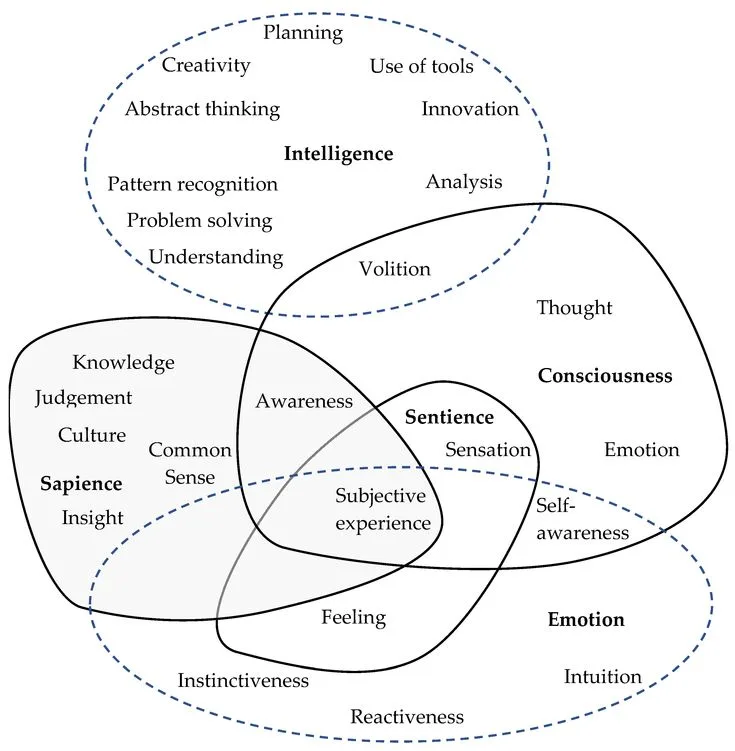
Intuition can be fast and accurate when experts recognize patterns developed through experience, while analytical reasoning helps when a situation does not fit those patterns. Analytical models vs intuition is therefore not a simple contest: the useful skill is recognizing which mode fits the conditions and when judgment is vulnerable to bias.
In August 1988, Gary Klein was hired by the U.S. Army Research Institute to study how commanders make decisions under fire. The conventional expectation was that battlefield commanders would use some version of analytical decision-making: generate options, evaluate them against criteria, select the best one.
Klein spent years observing firefighters, military commanders, chess grandmasters, intensive care nurses, and other experts making high-stakes decisions in real time. What he found contradicted the expectation almost entirely.
Expert decision-makers, Klein reported, almost never generated multiple options and compared them.[1] Instead, they rapidly recognized a situation as belonging to a category they had seen before, mentally simulated a plausible course of action, and either executed it if the simulation worked or modified it if it did not.
The process was intuitive, fast, and - in the experts Klein studied - highly accurate. He called the model Recognition-Primed Decision-Making and published the findings in his 1998 book Sources of Power: How People Make Decisions.
Klein's research appeared to vindicate intuition over analysis. A few years later, psychologist Daniel Kahneman published his synthesis of decades of decision research showing systematic, costly biases in human judgment.[3]
The two researchers eventually wrote a landmark joint paper in 2009, working out the conditions under which each of their findings applied.[2] Their conclusion: both are right, and the critical skill is knowing which mode to trust when.
"A reliable way to make people believe in falsehoods is frequent repetition, because familiarity is not easily distinguished from truth. Authoritarian institutions and marketers have always known this fact." - Daniel Kahneman, Thinking, Fast and Slow (2011)
Analytical Models vs. Intuition: When to Use Each
| Dimension | Analytical Models | Intuition |
|---|---|---|
| Speed | Slow; requires deliberate effort | Fast; nearly instantaneous |
| Conditions for reliability | Valid model exists; sufficient data; time available | Genuine expertise; high-validity environment; rapid feedback |
| Failure mode | Garbage-in, garbage-out; false precision; model misspecification | Overconfident in low-validity environments; biases; recent case availability |
| Consistency | High; same inputs produce same outputs | Low; varies with mood, recency, order effects |
| Best for | Novel problems; explicit tradeoffs; auditable decisions | Time pressure; expert pattern recognition; ambiguous holistic situations |
| Example domain | Medical diagnosis from test results; credit scoring | Experienced firefighters reading a scene; master chess players assessing a position |
Defining the Two Modes
Analytical (model-based) decision-making is deliberate, systematic, and explicit. It operates by:
- Decomposing the problem into components that can be evaluated separately
- Applying rules, frameworks, or models that relate inputs to outputs
- Comparing alternatives against explicit criteria
- Documenting reasoning that is inspectable and criticizable
Analytical thinking is slow, effortful, and capacity-limited. It can only process a few factors simultaneously (bounded by working memory capacity), and it requires the problem to be represented in a form the model can handle.
Intuitive decision-making is fast, pattern-based, and largely unconscious. It operates by:
- Pattern recognition: matching current situation to previously encountered situations
- Holistic assessment: evaluating the situation as a whole rather than decomposing it
- Action generation: proposing responses based on what worked in similar situations
- Emotional tagging: attaching affective signals (gut feelings, confidence, unease) that encode accumulated experience[10]
Intuition is fast, effortless, and capable of integrating large amounts of information simultaneously - but its operations are opaque, and its outputs (feelings, inclinations) give no direct access to the underlying reasoning.
Neither mode is simply better. They operate in different domains, have different failure profiles, and are most valuable when matched to the appropriate type of problem.
When Intuition Is Expert Judgment in Disguise
The key insight from Klein's research is that expert intuition is not a departure from knowledge - it is knowledge in compressed form. When a chess grandmaster feels that a position is weak, that feeling encodes the product of thousands of hours of position analysis.
When an experienced firefighter feels that a burning building is about to collapse before any structural indicator is visible, that feeling encodes pattern recognition trained across hundreds of fires. The intuition is not separate from expertise; it is expertise restructured for rapid deployment.
This gives intuition strong validity claims in specific conditions: when the decision-maker has extensive experience with similar situations, when the environment provides reliable and rapid feedback (allowing intuitions to be calibrated against outcomes), and when the situation genuinely resembles previous situations in the ways that matter for the decision.
Daniel Kahneman's contrasting research identified conditions where intuition fails systematically. The key finding: intuition trained in low-validity environments - environments where feedback is absent, delayed, or misleading - produces confident but inaccurate judgments.
Clinical psychologists who predict patient behavior have poor accuracy despite high confidence. Stock-pickers who believe they can beat the market consistently underperform random selection. Long-range business forecasters are frequently wrong in ways that expensive forecasting processes would not have predicted.
The Kahneman/Klein synthesis: "Intuitions can be trusted when they are produced by genuine expertise - that is, when the decision-maker has had extensive practice in a high-validity environment with rapid and clear feedback." When either condition is absent - when experience is limited, or when the environment is low-validity - intuition should be treated as a hypothesis to test, not a judgment to trust.
*Example*: Experienced emergency room nurses develop accurate intuitions about which patients are deteriorating before vital signs deteriorate measurably.
Nursing research on clinical judgment (including work by Christine Tanner on how nurses reason) describes how experienced nurses often notice early signs of patient deterioration through pattern recognition before those signs are fully captured by routine measurements.[6] Studies of nurses' "gut feelings" about deterioration suggest they can carry real predictive information, especially among more experienced staff.
The nurses' environment is high-validity: rapid feedback, clear outcomes, thousands of similar cases. Their intuitions are reliable expert judgments.
When Analytical Models Outperform Human Judgment
The case for analytical models is strongest when the problem involves combining information in ways that exceed unaided human capacity, when the environment is low-validity, or when decision-making is subject to systematic biases that analytical models do not share.
Paul Meehl's 1954 book Clinical vs. Statistical Prediction reviewed studies comparing clinical judgment (experienced professionals making predictions based on holistic case assessment) to simple actuarial formulas (linear combinations of variables).
In study after study, the formulas outperformed or matched clinical judgment.[4] This finding has been replicated across dozens of domains: predicting recidivism, predicting academic success, predicting credit default, predicting clinical diagnoses.
The mechanism is not that humans are unintelligent or that professionals lack expertise.
It is that humans are subject to inconsistency (the same professional makes different predictions for equivalent cases depending on irrelevant factors like mood, order effects, or recent experiences) and to configural thinking errors (adding or interacting variables in ways that reduce rather than increase predictive accuracy).
Formulas are consistent, cannot be distracted or fatigued, and do not over-weight recent dramatic cases.
*Example*: In the broader clinical-versus-mechanical-prediction literature (Meehl; Grove and colleagues), simple statistical formulas have often matched or beaten expert judgment at predicting outcomes such as recidivism, using only a handful of objective variables - and that their decisions were significantly influenced by irrelevant factors including the time of day (cases reviewed after lunch were approved at higher rates) and whether the parolee's surname was easy to pronounce.[8]
These are not failures of expertise; they are structural features of human judgment under conditions of limited information and high caseload.[7]
Algorithmic support tools that provide baseline predictions before human review significantly improve both accuracy and consistency.
A Practical Decision Protocol
The Kahneman-Klein framework suggests a practical protocol for choosing between analytical and intuitive approaches:
Use analytical models when:
- The environment is low-validity (feedback is absent, delayed, or ambiguous)
- The decision involves combining more information than working memory can comfortably hold
- Documented biases are known to affect this type of decision
- The decision will be reviewed or challenged by others (documented reasoning is necessary)
- The cost of error is asymmetric (the downside of a bad decision significantly exceeds the cost of analytical effort)
Use or weight intuition heavily when:
- The decision-maker has substantial experience with similar situations
- The environment provides rapid, clear feedback (intuitions are calibrated)
- Time pressure prevents analytical processing
- The intuition is accompanied by specific, articulable content ("something is off about the numbers in rows 4 and 7" rather than "something feels wrong")
- The intuition contradicts analytical results AND the decision-maker has domain expertise
Hybrid approach: When expert intuition and analytical models produce different conclusions, neither automatically takes precedence. The correct response is to investigate the disagreement: what is the model missing that the expert's intuition is responding to?
What is the expert's intuition pattern-matching to that may not apply to this situation?
The Bias Catalog: When Intuition Needs Help
Decades of research have identified specific, replicable ways that unaided intuitive judgment errs. Understanding this catalog is not an argument against intuition generally; it is a map of the conditions where analytical support is most valuable.
Availability heuristic: Judging probability by how easily examples come to mind. Plane crashes feel more dangerous than car crashes because they generate vivid, memorable news stories. Car deaths vastly outnumber plane deaths, but the availability of dramatic imagery inverts perceived risk.
Analytical models that use base rates rather than memorable examples correct this.
Representativeness heuristic: Judging probability by how much an instance resembles the category. A description of a meek, introverted person who loves books is judged more likely to be a librarian than a salesperson, ignoring the far higher base rate of salespeople. Analytical models that incorporate base rates correct this.
Anchoring: Initial values have disproportionate influence on final estimates, even when they are arbitrary.[9] Analytical models that are built before anchors are introduced and that explicitly account for anchoring effects partially correct this.
Overconfidence: Expert practitioners are systematically overconfident in their predictions, especially for long-range forecasts in low-validity environments. Calibration training and forcing comparison of predictions against actual outcomes partially corrects this.
Confirmation bias: Intuitive reasoning tends to seek evidence that confirms initial assessments rather than evidence that would disconfirm them. Analytical protocols that require explicit search for disconfirming evidence partially correct this.
*Example*: Superforecasters, studied by Philip Tetlock in his 2015 book Superforecasting, are individuals who achieve dramatically better long-range forecasting accuracy than domain experts.[5]
What they have in common is not domain expertise but a set of practices that compensate for the biases above: decomposing questions into components, seeking base rates before adding specific information, actively seeking disconfirming evidence, and updating predictions frequently as new evidence arrives.
They are essentially applying analytical structure to forecasting tasks that most people approach intuitively.
The Expertise Condition: Building Valid Intuitions
Since expert intuition is reliable only when it has been trained in a high-validity environment, a practical question arises: how do you build reliable intuitions?
The conditions for valid intuition development are specific:
- High volume of relevant experience: Thousands of decisions in similar situations, not just years of time in a field
- High-validity feedback: Rapid, accurate feedback about whether predictions and decisions were correct
- Deliberate calibration: Actively comparing intuitions against outcomes and updating patterns based on discrepancies
*Example*: Experienced weather forecasters in the United States are among the best-calibrated predictors in any domain: when they say 70% chance of rain, it rains about 70% of the time.
This calibration is the product of a high-validity environment: daily feedback, immediate outcomes, thousands of similar cases, and sophisticated tools for evaluating forecast accuracy.
By contrast, experienced stock analysts make predictions about price movements that are accurate at rates indistinguishable from chance - because stock price movements are genuinely low-validity (past patterns do not reliably predict future patterns), their extensive experience has trained intuitions that feel authoritative but are not.
Organizational Applications
The intuition-vs-analysis tension is not merely a question for individuals; it is a significant organizational design problem. Organizations that rely too heavily on intuitive judgment from senior leaders expose themselves to the biases those leaders carry.
Organizations that rely too heavily on formal analytical models lose the expertise-encoded knowledge that experienced practitioners possess.
Chess-style decision architecture: For consequential decisions, many organizations have adopted a structure where analytical models provide base rates and statistical estimates, which are then reviewed by experienced practitioners who contribute domain knowledge the model lacks.
Disagreements between model and practitioner become a diagnostic trigger: something unusual is probably present, and investigation is warranted.
Pre-mortem analysis: Before committing to a major decision, decision teams run a structured exercise in which they assume the decision failed badly and ask "what went wrong?" This addresses the overconfidence and confirmation biases that suppress concern about downside scenarios in normal intuitive reasoning.
Red teams: Assigning one group to systematically challenge the analysis and decisions of another specifically to surface weaknesses that analytical and intuitive modes both tend to suppress (ego-protective biases, groupthink, availability of confirming evidence).
The mental models that guide intuitive pattern recognition can be made explicit, examined, and updated - which is essentially what first principles thinking achieves in the analytical domain.
The best decision-makers use both tools: analytical structures to compensate for known biases, and expert intuition to compensate for the gaps that analytical models cannot see.
When Analytical Models Are Wrong
Analytical models fail in predictable ways that are worth cataloging alongside the failures of intuition.
Model misspecification: The model captures the wrong variables, or the wrong relationships between them. All models simplify reality; when the simplification omits something consequential, the model produces wrong answers with mathematical precision.
Out-of-sample application: Models trained on historical data fail when applied to situations that differ structurally from the training data.
The 2008 financial crisis destroyed many sophisticated risk models precisely because they were trained on data from a period of relatively low volatility and then applied to an environment with unprecedented correlation of failures across asset classes.
Goodhart's Law effects: When analytical models are used to drive optimization, the metrics being optimized become targets, and the system adapts to optimize the metric rather than the underlying value the metric was meant to capture.
Teacher evaluation by student test scores produces teaching-to-the-test; employee evaluation by measured productivity produces gaming of measured metrics.
False precision: Quantitative models produce precise-looking outputs that carry an authority unwarranted by the quality of the inputs.
"The probability of this outcome is 23.7%" is more authoritative-sounding than "roughly one in four" - but the difference in precision is cosmetic when the model itself has large uncertainties.
The antidote to these failures is similar to the antidote for intuition failures: awareness of the specific failure modes, explicit checking for their presence, and appropriate calibration of confidence based on whether the conditions for model validity are actually present.
Neuroscience Evidence: What Brain Imaging Reveals About the Two Systems
Advances in neuroimaging since the late 1990s have allowed researchers to observe analytical and intuitive processing directly, adding biological grounding to the behavioral findings described above.
Matthew Lieberman at UCLA proposed, in his early-2000s work on social cognitive neuroscience, a distinction between reflexive and reflective neural systems corresponding roughly to fast and slow decision modes. This is a proposed neurocognitive model rather than a settled mapping.
The "X-system" (reflexive system), centered on the amygdala, basal ganglia, and ventromedial prefrontal cortex, handles fast, automatic, pattern-based processing.
The "C-system" (reflective system), centered on the lateral prefrontal cortex and anterior cingulate cortex, handles slow, deliberative, rule-based processing.
These systems operate largely in parallel but compete for behavioral control, and the balance between them is sensitive to time pressure, cognitive load, and emotional state.
Antonio Damasio's somatic marker hypothesis, developed through clinical work with patients who had damage to the ventromedial prefrontal cortex, added a crucial finding: patients who lost access to emotional signaling (the "gut feelings" of intuition) did not become more rational decision-makers.
They became paralyzed. Deprived of the affective signals that normally cue which options to consider seriously, they could analyze endlessly without reaching decisions.
Damasio's 1994 book Descartes' Error documented these cases, overturning the assumption that emotion interferes with good decisions. The implication for the analytical-versus-intuition debate: emotional signals are not noise contaminating rational processing.
They are a compressed representation of accumulated learning that guides the scope of analytical effort.
Ap Dijksterhuis and colleagues originally proposed, in work from around 2004-2006, that "unconscious thought" (deliberation while conscious attention is directed elsewhere) could outperform conscious deliberation for complex, many-variable choices. Later replication attempts, however, often failed to reproduce this "unconscious thought advantage," so the effect is now considered unreliable and contested.
Participants who were distracted (and thus prevented from analytical processing) after learning about complex apartment options made choices that aligned better with their own stated preferences than participants who deliberated consciously.
The authors proposed that unconscious processing can integrate more variables than conscious processing, though subsequent replications have produced mixed results, suggesting the effect is real but context-dependent.
The practical upshot from the neuroscience: the two systems are not simply slow-versus-fast versions of the same process. They compute differently, access different types of information, and are suited to different problem structures.
Organizational practices that treat "getting the right answer" as purely a matter of more analysis may be systematically underutilizing the information encoded in expert pattern recognition.
The Track Record of Hybrid Approaches in High-Stakes Domains
The most rigorous test of the analytical-versus-intuition question comes from domains where outcomes are clearly measured and practitioners have experimented with different decision protocols over decades.
In aviation, the introduction of Crew Resource Management (CRM) training in the early 1980s - following analysis of airline accidents that revealed a pattern of captain authority suppressing valid crew concerns - explicitly institutionalized a hybrid approach.
Captains were trained to state their analytical reasoning aloud (making it inspectable) while also inviting crew input that might include intuitive concerns.
A 1999 NASA-commissioned study by Robert Helmreich and colleagues at the University of Texas found that airlines that had implemented CRM training extensively showed measurable improvements in safety outcomes, with the training credited by the FAA as a major factor in reducing aviation accident rates through the 1990s.
The critical mechanism was making expert intuition communicable: when a first officer said "something feels off about this approach," structured protocols enabled that intuition to be taken seriously rather than dismissed.
In cardiac care, a 1996 study by Lee Goldman at Harvard Medical School and colleagues developed a simple prediction rule, based on a few clinical features (such as ECG findings, low systolic blood pressure, signs of pulmonary edema, and unstable angina), to help identify chest-pain patients at higher risk of major complications. Structured rules of this kind can support triage decisions and reduce unnecessary admissions, complementing rather than simply replacing clinician judgment.
The hospital subsequently implemented the algorithm as a decision aid - not a replacement for clinical judgment, but a check on it.
Cases where clinician and algorithm disagreed became triggers for additional investigation. A follow-up study published in 2001 found that this hybrid approach - algorithm plus human oversight - outperformed either alone.
In financial risk management, the post-2008 review of risk model failures produced a revised industry consensus, documented in the 2009 Turner Review (UK Financial Services Authority) and the 2012 report of the Group of Thirty. The consensus: quantitative risk models had been treated as substitutes for judgment rather than inputs to it.
Banks that maintained experienced risk managers who could identify when model assumptions had become unrealistic, and who had organizational authority to escalate concerns when models produced comforting but questionable outputs, showed better outcomes.
The Financial Stability Board's subsequent recommendations explicitly required firms to document the human judgment applied to model outputs - institutionalizing the hybrid approach at regulatory level.
Sources & Further Reading
- Klein, G. Sources of Power: How People Make Decisions. MIT Press, 1998. View source
- Kahneman, D. & Klein, G. "Conditions for Intuitive Expertise: A Failure to Disagree." American Psychologist, 64(6), 515-526, 2009. DOI: 10.1037/a0016755
- Kahneman, D. Thinking, Fast and Slow. Farrar, Straus and Giroux, 2011. View source
- Meehl, P. Clinical vs. Statistical Prediction: A Theoretical Analysis and a Review of the Evidence. University of Minnesota Press, 1954.
- Tetlock, P. & Gardner, D. Superforecasting: The Art and Science of Prediction. Crown, 2015. View source
- Tanner, C.A. "Clinical Judgment and Evidence-Based Practice." Nursing Research, 50(3), 2001. DOI: 10.1097/00006199-200105000-00001
- Danziger, S., Levav, J. & Avnaim-Pesso, L. "Extraneous Factors in Judicial Decisions." PNAS, 108(17), 6889-6892, 2011. DOI: 10.1073/pnas.1018033108
- Grove, W.M. et al. "Clinical Versus Mechanical Prediction: A Meta-Analysis." Psychological Assessment, 12(1), 19-30, 2000. DOI: 10.1037/1040-3590.12.1.19
- Ariely, D. Predictably Irrational: The Hidden Forces That Shape Our Decisions. Harper Collins, 2008.
- Gigerenzer, G. Gut Feelings: The Intelligence of the Unconscious. Viking, 2007.