
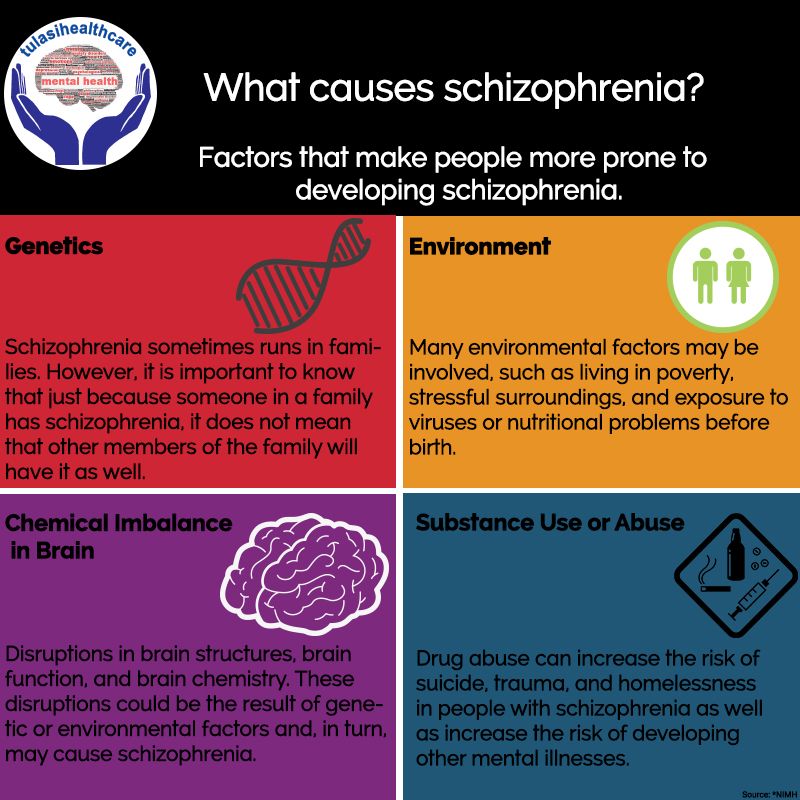
Multifactorial causes of schizophrenia include high genetic liability alongside neurodevelopmental, dopamine, glutamate, hormonal, social, and environmental influences. Positive, negative, and cognitive symptoms likely involve related but not identical mechanisms, which helps explain why antipsychotic drugs can reduce psychosis without resolving every impairment. The evidence supports a complex, partial model rather than a single biological, psychological, or social cause.
On the morning of 15 January 1952, a young man named Giovanni A. was admitted to a psychiatric hospital in Paris in a state of acute agitation. He was 22. He had not slept properly in weeks.
He heard voices accusing him of crimes he had not committed, believed his neighbors were monitoring his movements through the walls, and had been found the previous day rearranging furniture in a stranger's apartment, explaining calmly that he lived there.
Three weeks after admission, a psychiatrist named Pierre Deniker and his colleague Jean Delay administered a new compound, chlorpromazine - developed originally as a surgical anesthetic adjunct - in repeated doses. Within ten days, Giovanni's hallucinations had substantially diminished.
Within three weeks, he was having coherent conversations.
It was not a cure. Giovanni's negative symptoms - flattened affect, social withdrawal, inability to organize purposeful activity - remained. He would require medication for decades.
But in 1952, before chlorpromazine, the expected trajectory for a young man with first-episode psychosis was years of institutional care, physical restraints, insulin coma therapy, or lobotomy.
The discovery that a chemical compound could reliably suppress the most florid symptoms of psychosis within weeks was a rupture in the history of psychiatry.
It was also the beginning of a seventy-year effort to understand what the drug was doing to the brain - and therefore, what had gone wrong in the first place.
The effort has produced a detailed, partial, and still-contested account of the causes of schizophrenia. What follows is what the evidence actually supports.
Key Definitions
Schizophrenia: A severe psychiatric disorder characterized by positive symptoms (hallucinations, delusions, disorganized thought), negative symptoms (flat affect, alogia, avolition, anhedonia, social withdrawal), and cognitive symptoms (impaired working memory, attention, and executive function).
Onset typically occurs in late adolescence or early adulthood. Affects approximately 1% of the global population.
Positive symptoms: Phenomena that represent an addition to normal experience or behavior - hallucinations (perceptions without external stimulus), delusions (fixed false beliefs), and disorganized speech or behavior. Considered "positive" in the sense of excess, not in a valence sense.
Negative symptoms: Deficits or reductions in normal functioning - flat or blunted affect, poverty of speech (alogia), loss of motivation (avolition), inability to experience pleasure (anhedonia), social withdrawal. These symptoms are the primary driver of long-term functional disability.
Cognitive symptoms: Impairments in information processing including deficits in working memory, attention, processing speed, and executive function. Now considered potentially the most disabling domain for real-world functional outcomes.
Dopamine hypothesis: The proposal that positive symptoms of schizophrenia are caused by excess dopaminergic activity, particularly at striatal D2 receptors. Based on evidence from antipsychotic mechanisms, dopamine-elevating drugs causing psychosis, and post-mortem receptor studies.
Glutamate NMDA hypothesis: The proposal that schizophrenia involves hypofunction of NMDA receptors, based on evidence from NMDA antagonist drugs (phencyclidine, ketamine) producing the full symptom profile. Currently considered a more complete model than the dopamine hypothesis alone.
Heritability: The proportion of variance in a trait in a population that is attributable to genetic differences. Schizophrenia heritability is estimated at approximately 80% from twin studies.
Social defeat hypothesis: The proposal, developed by Jean-Paul Selten and Elizabeth Cantor-Graaf, that chronic experiences of social subordination and exclusion sensitize mesolimbic dopamine systems in genetically vulnerable individuals, producing psychosis vulnerability.
Explains elevated rates in urban, migrant, and minority populations.
The Epidemiology: Why 1% Everywhere
A Biologically Robust Finding
In 1992 Assen Jablensky and colleagues at the World Health Organization published a ten-country study examining schizophrenia prevalence and symptom profiles across radically different societies - the United States, India, Nigeria, Denmark, Colombia, and others.[1]
The finding was striking: lifetime prevalence of schizophrenia clustered consistently around 1% in all sites, regardless of economic development level, cultural context, or healthcare system.
This consistency is scientifically significant for two reasons. First, it suggests that schizophrenia is not primarily a product of modern Western social conditions - it is present at similar rates in hunter-gatherer societies reconstructed from anthropological data, in historical populations reconstructed from case records, and in contemporary societies with radically different lifestyles.
Second, it constrains causal theories. Any theory of schizophrenia must explain not just why people get it but why the rate is so consistently approximately 1%.
The consistency contrasts starkly with depression, which shows substantial cross-cultural variation in both prevalence and symptom presentation, suggesting that cultural factors play a larger role in that condition. Schizophrenia's cross-cultural consistency points toward a more biologically constrained etiology.
The condition is also roughly equal in prevalence between men and women, though the age of onset is systematically earlier in men (typically late teens to mid-twenties) than in women (typically mid-twenties to early thirties, with a second smaller peak after menopause).
This sex difference in onset timing implicates hormonal factors - estrogen is hypothesized to have a protective effect on dopamine systems - and has implications for treatment timing and early intervention.
The Symptom Structure and Why It Matters for Causation
The three-domain symptom structure of schizophrenia - positive, negative, and cognitive - is not merely a classification convenience. The three domains respond differently to treatment, have different neural substrates, and are produced by different pharmacological manipulations. This dissociation provides clues to causation.
Antipsychotic medications that block D2 dopamine receptors effectively suppress positive symptoms in approximately 70% of patients. They have modest and inconsistent effects on negative symptoms. They have essentially no effect on cognitive symptoms - and some older antipsychotics may worsen cognition through anticholinergic side effects.
Drugs that specifically block NMDA glutamate receptors - phencyclidine (PCP) and ketamine - produce all three symptom domains in healthy volunteers: hallucinations and delusions (positive), flat affect and withdrawal (negative), and working memory and attention impairment (cognitive).
This pharmacological dissociation is one of the most important clues to the underlying biology.
The Dopamine Hypothesis: Strong Evidence, Incomplete Theory
The Carlsson Discovery and Its Implications
Arvid Carlsson, who would receive the Nobel Prize in Physiology or Medicine in 2000, established in the 1950s and 1960s that dopamine was a distinct neurotransmitter (not merely a precursor to norepinephrine) and that its depletion in the basal ganglia caused the movement disorders of Parkinson's disease.
His work also established the mechanism by which chlorpromazine and other antipsychotics worked: they blocked dopamine receptors, initially the D2 subtype.
The dopamine hypothesis of schizophrenia assembled several converging lines of evidence:
Antipsychotic mechanism: Every clinically effective antipsychotic drug, across dozens of chemically diverse compounds developed over seventy years, shares one common pharmacological property: D2 receptor blockade. The degree of D2 blockade correlates with clinical potency.
This is a striking regularity - the field has never found an effective antipsychotic that works without D2 blockade, despite intensive efforts. The correlation is strong evidence for dopamine involvement.
Dopamine-elevating drugs producing psychosis: Amphetamine, cocaine, and other drugs that increase dopaminergic transmission can produce acute psychosis in healthy individuals and reliably worsen symptoms in people with schizophrenia.
Amphetamine-induced psychosis is phenomenologically almost indistinguishable from acute schizophrenia - paranoid delusions, auditory hallucinations - and can be reversed by D2 blockers.
Post-mortem and imaging evidence: Studies of post-mortem brain tissue and PET imaging have found elevated D2 receptor density and elevated dopamine synthesis capacity in the striatum of people with schizophrenia, consistent with hyperactive dopaminergic signaling.
"All roads in the pharmacology of psychosis lead to dopamine. That cannot be an accident." - Arvid Carlsson, Nobel Prize lecture context (2000)
Why the Dopamine Hypothesis Is Incomplete
Despite its strong evidentiary base, the dopamine hypothesis leaves critical gaps. First, approximately 30% of patients with schizophrenia show inadequate response to even high doses of D2-blocking antipsychotics. If excess dopamine were the sole cause, blockade should be universally effective.
Second, dopamine manipulation does not produce negative or cognitive symptoms in healthy people - amphetamine produces paranoid psychosis, not flat affect or working memory deficits.
Third, clozapine - consistently the most effective antipsychotic across all symptom domains, including treatment-resistant cases - has relatively weak D2 affinity compared to less effective drugs. Its superior efficacy appears to arise from actions at serotonin, glutamate, and other receptor systems.
These gaps have pushed researchers toward more complex models, the most influential of which focuses on the glutamate system.
The Glutamate Hypothesis: NMDA Receptor Hypofunction
Why PCP Changes Everything
In the 1950s and 1960s, recreational users of phencyclidine (PCP) presented to emergency rooms with symptoms that initially baffled clinicians: they were not simply agitated or confused but were experiencing what appeared to be florid psychosis - paranoid delusions, auditory hallucinations, flat affect, social withdrawal, and profound cognitive disorganization.
Unlike amphetamine-induced psychosis, which produced positive symptoms alone, PCP produced the complete clinical picture of schizophrenia.
The mechanism was eventually traced to NMDA (N-methyl-D-aspartate) receptor blockade. NMDA receptors are the primary fast excitatory receptors in the brain, mediating glutamate signaling.
PCP and the closely related compound ketamine (developed as a dissociative anesthetic and now used as a rapid antidepressant) block the NMDA receptor channel.
In 1994 John Krystal and colleagues at Yale administered sub-anesthetic doses of ketamine to healthy volunteers in a controlled study and observed dose-dependent production of all three symptom domains of schizophrenia - positive, negative, and cognitive.[2] The finding was subsequently replicated many times.
The NMDA receptor hypofunction hypothesis proposes that reduced NMDA receptor function, particularly on inhibitory interneurons in the prefrontal cortex, causes a cascade of downstream effects: disinhibited pyramidal neurons, increased dopamine release in the striatum (providing the positive symptoms), reduced prefrontal activity (producing cognitive deficits), and disrupted corticosubcortical communication (producing the disconnection of thought and behavior characteristic of psychosis).
The Integrated Model
The current leading synthesis holds that dopamine dysregulation is not the primary lesion in schizophrenia but rather a downstream consequence of NMDA receptor dysfunction.[8]
The sequence is: NMDA hypofunction reduces GABAergic interneuron activity in the prefrontal cortex; this disinhibits pyramidal neurons, whose glutamatergic projections to the midbrain cause excess striatal dopamine release; excess striatal dopamine drives positive symptoms through D2 receptor stimulation.[7]
This integrated model explains why D2 blockers suppress positive symptoms (they interrupt the dopamine arm of the cascade) while leaving negative and cognitive symptoms largely unaffected (those arise from the upstream NMDA/prefrontal pathology that D2 blockers do not address).
It also explains clozapine's superior efficacy: clozapine has significant activity at glutamate, serotonin, and other receptor systems that address more of the pathophysiological cascade.
Genetic Architecture: The 80% Heritability Problem
Twin Studies and What They Prove
The heritability of schizophrenia - the proportion of disease risk attributable to genetic differences among individuals - is estimated at approximately 80% from large twin studies conducted in Scandinavia, the United Kingdom, and other countries with population registries.
The methodology involves comparing concordance rates between identical (monozygotic) and fraternal (dizygotic) twins: identical twins share 100% of their genome; fraternal twins share 50% on average.
If identical twins are much more concordant for schizophrenia than fraternal twins, genetics must account for much of the risk. The observed concordance in identical twins is approximately 50%, and in fraternal twins approximately 15%, yielding heritability estimates in the range of 70-80% across multiple studies.
The identical twin concordance of ~50% is often misunderstood. It is frequently cited as evidence that environment matters because if schizophrenia were "purely genetic" concordance in identical twins should be 100%.
This reasoning is correct: the non-100% concordance in identical twins proves that non-genetic factors are essential.
But it does not mean genetics is unimportant - the 50% vs 15% comparison shows genetics is the largest single risk factor class.
The Genomic Architecture
For decades it was assumed that schizophrenia would be caused by one or a few high-penetrance gene variants, similar to single-gene disorders like Huntington's disease. The genome-wide association study (GWAS) revolution has shown this assumption was wrong.
The 2022 GWAS consortium study, involving more than 76,000 cases and 243,000 controls, identified over 280 distinct genomic loci associated with schizophrenia, each contributing a small fraction of risk.[5]
The genetic architecture is highly polygenic: hundreds of common variants of small effect combine additively with environmental factors to determine risk.
The one exception to the small-effect pattern is copy number variants (CNVs) - large deletions or duplications of chromosomal segments.
The most studied is the 22q11.2 deletion (also known as DiGeorge syndrome or velocardiofacial syndrome), which confers a 25-30% lifetime risk of schizophrenia - the largest single genetic risk factor identified.
However, 22q11.2 deletions account for only approximately 1-2% of schizophrenia cases; the condition is too common to be explained primarily by rare high-risk variants.
| Risk factor | Effect size | Notes |
|---|---|---|
| Identical twin (monozygotic) | ~50% lifetime risk | 50x population rate |
| First-degree relative | ~10% lifetime risk | 10x population rate |
| 22q11.2 deletion | ~25-30% lifetime risk | Rare variant, high penetrance |
| 15q11.2 deletion | ~3-4x increased risk | More common, smaller effect |
| Common variants (GWAS) | Very small individual effects | Hundreds combine additively |
| No genetic risk factors | ~1% (population base rate) | The floor for environmental effects |
Environmental Risk Factors
Cannabis: Dose-Dependent Risk in Vulnerable Individuals
The relationship between cannabis use and psychosis risk is one of the most robustly established findings in environmental psychiatric epidemiology.
Multiple longitudinal studies, conducted in different countries over different time periods, consistently find that heavy cannabis use increases the risk of later psychotic illness, with the risk gradient dependent on frequency of use, age of initiation, and the THC/CBD ratio of the cannabis used.
Cecile Henquet and colleagues' 2005 meta-analysis synthesized the prospective studies available at that time and found that heavy cannabis use approximately doubled the risk of subsequent psychosis, with the effect persisting after controlling for confounders including baseline psychotic symptoms.[3]
The risk is strongest for adolescent-onset use (the developing adolescent brain may be more sensitive to THC's effects on dopamine signaling), and for high-THC, low-CBD varieties that have become increasingly prevalent in the legal cannabis market.
The causal interpretation is supported by dose-response relationships (the more cannabis, the higher the risk), temporality (cannabis use precedes psychosis onset in the longitudinal studies), biological plausibility (THC increases striatal dopamine release via CB1 receptor activation), and animal models (THC exposure in adolescent rodents produces lasting changes in dopamine regulation).
Critically, cannabis exposure does not cause schizophrenia in the absence of genetic vulnerability.
In large population studies, only a small fraction of heavy cannabis users develop psychosis - but among individuals with genetic loading for schizophrenia, cannabis use appears to act as a precipitating trigger that advances the onset of illness that would have occurred anyway, or tips subclinical vulnerability into clinical disorder.
Urban Birth and Upbringing: The Social Defeat Pathway
People born and raised in urban environments have approximately double the risk of developing schizophrenia compared to those raised in rural settings.
This finding has been replicated in studies conducted in Denmark, the Netherlands, Sweden, England, and other countries with population registries that allow tracking of birthplace and later psychiatric outcome.
The urban risk is not explained by urbanites being more likely to use cannabis, have worse nutrition, or have different access to healthcare. It persists after controlling for these confounders. The most compelling explanation is the social defeat hypothesis.
Jean-Paul Selten and Elizabeth Cantor-Graaf proposed in their 2007 review that the mechanism is chronic social subordination and exclusion - the experience of occupying a persistently low-status, marginalized social position.[4]
Selten and Cantor-Graaf noted that the same elevated schizophrenia risk found in urban environments also appears in migrant populations and in visible minority groups, even second-generation immigrants who were born in the receiving country.
The common thread is chronic subordinate social position, not genetics and not specific toxins.
The biological mechanism proposed is mesolimbic dopamine sensitization. Chronic stress and chronic social defeat in animal models produces lasting upregulation of dopamine sensitivity in the mesolimbic pathway - exactly the pathway implicated in psychosis by the dopamine hypothesis.
The social environment gets "under the skin" through its effects on the dopamine system.
"The hypothesis is that long-term experience of being treated as an inferior activates the mesolimbic dopamine system in a way that closely mimics the neurochemistry of acute schizophrenia." - Jean-Paul Selten and Elizabeth Cantor-Graaf, Schizophrenia Bulletin (2007)
Other Environmental Risk Factors
Several additional environmental factors show consistent, if smaller, associations with schizophrenia risk:
Advanced paternal age: Children born to fathers over 45-50 have elevated rates of schizophrenia and other psychiatric conditions.
The mechanism is de novo mutations: sperm cells undergo more cell divisions over time than egg cells, increasing the rate of spontaneous mutations in the offspring's genome. Each decade of paternal age increases the de novo mutation rate.
Prenatal infection and obstetric complications: Winter and spring births show a small but consistent elevation in schizophrenia rates (the "seasonality of birth" effect), hypothesized to reflect prenatal exposure to influenza or other infections during the second trimester when neuronal migration is occurring.
Obstetric complications, particularly those involving hypoxia, are also weakly associated with increased risk.
Migration: First- and second-generation migrants, particularly those from visible minority backgrounds moving to majority-white societies, show elevated schizophrenia rates that cannot be explained by genetic differences. The social defeat hypothesis accounts for this finding as a product of chronic minority stress.
Treatment: What Works and What Does Not
Antipsychotic Medications
The foundation of schizophrenia treatment remains antipsychotic medications, which effectively suppress positive symptoms in approximately 70% of patients.
First-generation antipsychotics (haloperidol, chlorpromazine) and second-generation antipsychotics (risperidone, olanzapine, quetiapine) differ in side effect profiles more than in clinical efficacy for positive symptoms.
Second-generation drugs are less likely to cause the extrapyramidal motor side effects (tardive dyskinesia, Parkinsonism) associated with high D2 blockade but are more likely to cause metabolic side effects including weight gain, dyslipidemia, and diabetes.
Clozapine remains the single most effective antipsychotic for all symptom domains and for patients who do not respond to other drugs (treatment-resistant schizophrenia, affecting approximately 30% of patients).
Its superior efficacy likely reflects its broader receptor profile - significant activity at 5-HT2A serotonin, H1 histamine, alpha-adrenergic, and muscarinic receptors in addition to D2.
However, clozapine requires regular white blood cell monitoring because it causes agranulocytosis (severe reduction in white blood cells) in approximately 0.5-2% of patients, which can be fatal if untreated.
Psychosocial Interventions
For long-term outcomes, psychosocial interventions are as important as medication, particularly for negative and cognitive symptoms that medications do not adequately address.
Cognitive remediation therapy - structured practice of cognitive tasks including working memory, attention, and processing speed - produces modest but consistent improvements in cognitive function and daily functioning.
Individual Placement and Support (IPS) supported employment programs, which provide direct support for competitive employment rather than pre-vocational training, show strong evidence for improved employment outcomes in multiple randomized controlled trials.
Early intervention programs represent the strongest evidence base in the field. The NAVIGATE and RAISE programs, funded by the National Institute of Mental Health and implemented in the 2010s, demonstrated that coordinated first-episode care - combining low-dose medication, cognitive behavioral therapy, family education, and supported employment and education - produced better long-term outcomes than treatment as usual at two years.[6]
The critical variable is speed: the duration of untreated psychosis (the interval between symptom onset and first treatment) is one of the strongest predictors of long-term outcome, and every month of untreated psychosis is associated with worse trajectory. Early and comprehensive intervention saves functioning.
What We Still Do Not Know
The cause of schizophrenia is not any single factor. It is the convergence of polygenic genetic vulnerability with environmental factors that sensitize dopamine systems and precipitate clinical illness in individuals who would otherwise have remained subclinical.
The 80% heritability places genetics at the center. The 50% identical twin concordance keeps environment as an essential co-cause. The dopamine and glutamate evidence points toward the biological mechanism. The social defeat evidence points toward a modifiable pathway.
What remains unknown is why one person with high genetic loading develops full schizophrenia while another - even an identical twin - does not, and why the dopamine-glutamate pathway produces auditory hallucinations specifically (the most common symptom form) rather than other types of perceptual disturbance.
The biology of the specific symptom forms is incompletely understood. The pathway from NMDA hypofunction to the specific phenomenology of voices, paranoid ideation, and thought disorder remains a frontier for neuroscience.
Sources & Further Reading
Jablensky, A., Sartorius, N., Ernberg, G., et al. (1992). Schizophrenia: manifestations, incidence and course in different cultures. A World Health Organization ten-country study. Psychological Medicine Monograph Supplement, 20, 1-97. DOI: 10.1017/S0264180100000904
Krystal, J. H., Karper, L. P., Seibyl, J. P., et al. (1994). Subanesthetic effects of the noncompetitive NMDA antagonist, ketamine, in humans. Archives of General Psychiatry, 51(3), 199-214. DOI: 10.1001/archpsyc.1994.03950030035004
Henquet, C., Murray, R., Linszen, D., and van Os, J. (2005). The environment and schizophrenia: the role of cannabis use. Schizophrenia Bulletin, 31(3), 608-612. DOI: 10.1093/schbul/sbi027
Selten, J. P., and Cantor-Graaf, E. (2007). The social defeat hypothesis of schizophrenia: an update. Schizophrenia Bulletin, 33(6), 1277-1286. DOI: 10.1093/schbul/sbm117
Ripke, S., et al. (Schizophrenia Working Group of the Psychiatric Genomics Consortium). (2022). Mapping genomic loci prioritises genes and implicates synaptic biology in schizophrenia. Nature, 604(7906), 502-508. DOI: 10.1038/s41586-022-04434-5
Kane, J., Schooler, N. R., Marcy, P., et al. (2016). The RAISE early treatment program for first-episode psychosis. Psychiatric Services, 67(3), 282-288. DOI: 10.1176/appi.ps.201500190
Howes, O. D., and Kapur, S. (2009). The dopamine hypothesis of schizophrenia: version III - the final common pathway. Schizophrenia Bulletin, 35(3), 549-562. DOI: 10.1093/schbul/sbp006
Coyle, J. T. (2006). Glutamate and schizophrenia: beyond the dopamine hypothesis. Cellular and Molecular Neurobiology, 26(4-6), 365-384. DOI: 10.1007/s10571-006-9062-8
Related reading: How Antipsychotic Medications Work | What Is Psychosis | The Genetics of Mental Illness