Things Emotionally Intelligent People Never Do
Twelve workplace behaviors that emotionally intelligent professionals avoid, drawn from Yale, Harvard, and four decades of peer-reviewed EQ research.
Twelve workplace behaviors that emotionally intelligent professionals avoid, drawn from Yale, Harvard, and four decades of peer-reviewed EQ research.
Ladders eye-tracking research showed recruiters spend 7.4 seconds on an initial scan. What they actually fixate on, how ATS keyword matching works, red flags that trigger instant rejection, the LinkedIn first impression, and a practical checklist for passing both the algorithm and the human.
Quiet firing recognized early gives you more options. Eleven warning signs from removed meetings to denied training, what each really means, when to escalate, how to document, what to say in the direct conversation, and how to exit with the best forward position.
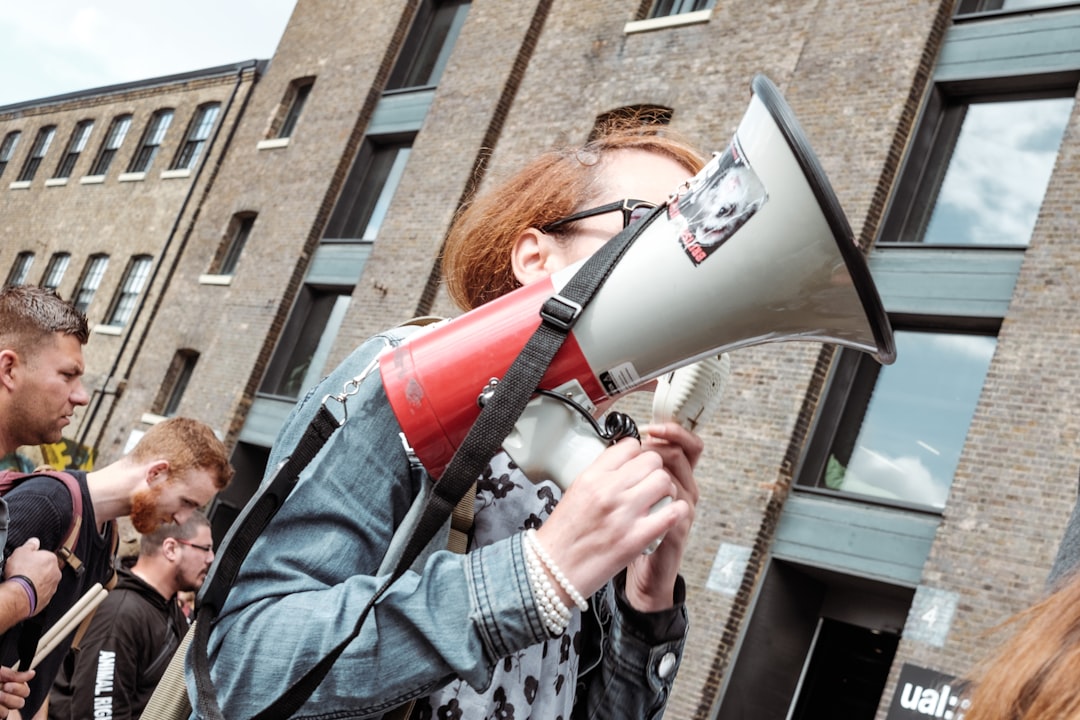
How to say no without guilt using assertiveness research from Manuel Smith, Brene Brown, and Adam Grant. Field-tested scripts for work, family, and friendships, plus the neuroscience of why no feels harder than yes.
How to say no without guilt using assertiveness research from Manuel Smith, Brene Brown, and Adam Grant. Field-tested scripts for work, family, and friendships, plus the neuroscience of why no feels harder than yes.
Dopamine detox trend analyzed against actual neuroscience. What Anna Lembke, Kent Berridge, Wolfram Schultz, and Cal Newport research really shows about reward circuits, receptor downregulation, variable-ratio reinforcement, and a 30-day protocol that reflects the evidence.
Fifteen cognitive biases that distort reasoning, each paired with a peer-reviewed example and a practical countermeasure you can apply immediately.
Nine evidence-based learning methods including active recall, spaced repetition, Feynman technique, and deliberate practice, with study schedules and time benchmarks.
A thorough guide to the welfare state — its Bismarckian origins, Esping-Andersen's three worlds typology, the Beveridge Report, Nordic universalism, the US welfare state's fragmented character, the economics of social insurance, evidence on poverty reduction, and the political economy of retrenchment.
Nick Bostrom's simulation argument explained: the trilemma, the physics objections, the consciousness problem, and what it would mean if our reality were computed.
The opioid crisis killed over 500,000 Americans between 1999 and 2019. Understand the three waves, the neuroscience of addiction, Purdue Pharma's role, and what treatments actually work.
Global mental health rates have shifted dramatically, especially among adolescents since 2012. This guide examines the evidence for what is driving the changes -- from social media and smartphones to economic anxiety, structural underfunding, and the treatment gap.
Documented morning routines of Tim Cook, Jeff Bezos, Michelle Obama, and others, with the chronobiology and decision-fatigue research that explains why mornings matter.
David Allen's GTD rule, James Clear's habit adaptation, BJ Fogg's Tiny Habits, and the action threshold research that explains why two minutes works. Thirty concrete examples, integration with task systems, why it fails, and compounding effects across task processing and habit formation.
A practical guide to essential mental models -- first principles, inversion, second-order thinking, Occam's razor -- and how to apply them to make consistently better decisions.
AI decision support: scenario generator exploring alternatives, bias checker identifying cognitive biases, and research summarizer gathering relevant facts.
The best Calendly alternatives in 2026: Cal.com, TidyCal, SavvyCal, Acuity Scheduling, YouCanBook.me, HubSpot Meetings, and more. Real Calendly limitations and which scheduler fits your workflow.
The best Airtable alternatives in 2026: Notion, Google Sheets, Coda, NocoDB, Baserow, Grist, Smartsheet, and more. Honest pricing, real Airtable limitations, and which database tool fits your actual workflow.
The best Zapier alternatives in 2026: Make, n8n, Pabbly Connect, Activepieces, Pipedream, Power Automate, and more. Real Zapier limitations, honest pricing, and which automation tool fits your workflow.
A comprehensive guide to free online tools for content creators: image editing, PDF management, video conversion, SEO analysis, and document formatting — all browser-based, no installation required.
Twelve workplace behaviors that emotionally intelligent professionals avoid, drawn from Yale, Harvard, and four decades of peer-reviewed EQ research.
Ladders eye-tracking research showed recruiters spend 7.4 seconds on an initial scan. What they actually fixate on, how ATS keyword matching works, red flags that trigger instant rejection, the LinkedIn first impression, and a practical checklist for passing both the algorithm and the human.
Quiet firing recognized early gives you more options. Eleven warning signs from removed meetings to denied training, what each really means, when to escalate, how to document, what to say in the direct conversation, and how to exit with the best forward position.
Ten remote careers paying $60K to $150K+ without a four-year degree. Certification paths, salary data from BLS and LinkedIn, and skill-up timelines.
The Renaissance was a European cultural and intellectual movement, roughly 1300-1600, that rediscovered classical antiquity and reimagined the human individual. Here is how it started, what it achieved, and why it still matters.
The Protestant Reformation began in 1517 when Martin Luther challenged the Church's sale of indulgences. Within decades, Western Christianity had fractured permanently. Here is what caused it, what Luther actually believed, and how it changed the world.
The Ottoman Empire ruled from 1299 to 1922, encompassing three continents at its height. Explore its origins, the devshirme system, the millet structure, the conquest of Constantinople, the Armenian Genocide, and its enduring legacy in the modern Middle East.
The Silk Road was not a single road but a network of routes connecting East Asia to Europe for over a millennium. Explore what was actually traded, how religions and ideas spread, who the Sogdians were, and why the routes declined.
The Feynman Technique explained with the cognitive research that supports it. Four steps, worked examples from physics to coding, and why teaching yourself aloud beats rereading every time.
How to say no without guilt using assertiveness research from Manuel Smith, Brene Brown, and Adam Grant. Field-tested scripts for work, family, and friendships, plus the neuroscience of why no feels harder than yes.
Twelve workplace behaviors that emotionally intelligent professionals avoid, drawn from Yale, Harvard, and four decades of peer-reviewed EQ research.
Ladders eye-tracking research showed recruiters spend 7.4 seconds on an initial scan. What they actually fixate on, how ATS keyword matching works, red flags that trigger instant rejection, the LinkedIn first impression, and a practical checklist for passing both the algorithm and the human.
Quiet firing recognized early gives you more options. Eleven warning signs from removed meetings to denied training, what each really means, when to escalate, how to document, what to say in the direct conversation, and how to exit with the best forward position.
Ten remote careers paying $60K to $150K+ without a four-year degree. Certification paths, salary data from BLS and LinkedIn, and skill-up timelines.
Documented morning routines of Tim Cook, Jeff Bezos, Michelle Obama, and others, with the chronobiology and decision-fatigue research that explains why mornings matter.
David Allen's GTD rule, James Clear's habit adaptation, BJ Fogg's Tiny Habits, and the action threshold research that explains why two minutes works. Thirty concrete examples, integration with task systems, why it fails, and compounding effects across task processing and habit formation.
Dopamine detox trend analyzed against actual neuroscience. What Anna Lembke, Kent Berridge, Wolfram Schultz, and Cal Newport research really shows about reward circuits, receptor downregulation, variable-ratio reinforcement, and a 30-day protocol that reflects the evidence.
Fifteen cognitive biases that distort reasoning, each paired with a peer-reviewed example and a practical countermeasure you can apply immediately.
Nine evidence-based learning methods including active recall, spaced repetition, Feynman technique, and deliberate practice, with study schedules and time benchmarks.
Overthinking is not deep thinking. What rumination research from Susan Nolen-Hoeksema, Edward Watkins, Steven Hayes, and Adrian Wells shows about default mode network loops, cognitive defusion, scheduled worry time, behavioral activation, and when overthinking is anxiety versus ADHD.
The Feynman Technique explained with the cognitive research that supports it. Four steps, worked examples from physics to coding, and why teaching yourself aloud beats rereading every time.
How to say no without guilt using assertiveness research from Manuel Smith, Brene Brown, and Adam Grant. Field-tested scripts for work, family, and friendships, plus the neuroscience of why no feels harder than yes.
Dopamine detox trend analyzed against actual neuroscience. What Anna Lembke, Kent Berridge, Wolfram Schultz, and Cal Newport research really shows about reward circuits, receptor downregulation, variable-ratio reinforcement, and a 30-day protocol that reflects the evidence.
Fifteen cognitive biases that distort reasoning, each paired with a peer-reviewed example and a practical countermeasure you can apply immediately.
Documented morning routines of Tim Cook, Jeff Bezos, Michelle Obama, and others, with the chronobiology and decision-fatigue research that explains why mornings matter.
David Allen's GTD rule, James Clear's habit adaptation, BJ Fogg's Tiny Habits, and the action threshold research that explains why two minutes works. Thirty concrete examples, integration with task systems, why it fails, and compounding effects across task processing and habit formation.
A practical guide to essential mental models -- first principles, inversion, second-order thinking, Occam's razor -- and how to apply them to make consistently better decisions.
AI decision support: scenario generator exploring alternatives, bias checker identifying cognitive biases, and research summarizer gathering relevant facts.
A comprehensive guide to free online tools for content creators: image editing, PDF management, video conversion, SEO analysis, and document formatting — all browser-based, no installation required.
The best Calendly alternatives in 2026: Cal.com, TidyCal, SavvyCal, Acuity Scheduling, YouCanBook.me, HubSpot Meetings, and more. Real Calendly limitations and which scheduler fits your workflow.
The best Airtable alternatives in 2026: Notion, Google Sheets, Coda, NocoDB, Baserow, Grist, Smartsheet, and more. Honest pricing, real Airtable limitations, and which database tool fits your actual workflow.
The best Zapier alternatives in 2026: Make, n8n, Pabbly Connect, Activepieces, Pipedream, Power Automate, and more. Real Zapier limitations, honest pricing, and which automation tool fits your workflow.
Twelve workplace behaviors that emotionally intelligent professionals avoid, drawn from Yale, Harvard, and four decades of peer-reviewed EQ research.
Ladders eye-tracking research showed recruiters spend 7.4 seconds on an initial scan. What they actually fixate on, how ATS keyword matching works, red flags that trigger instant rejection, the LinkedIn first impression, and a practical checklist for passing both the algorithm and the human.
Quiet firing recognized early gives you more options. Eleven warning signs from removed meetings to denied training, what each really means, when to escalate, how to document, what to say in the direct conversation, and how to exit with the best forward position.
Ten remote careers paying $60K to $150K+ without a four-year degree. Certification paths, salary data from BLS and LinkedIn, and skill-up timelines.